Artwork
Portrait of Cornelis van der Pot, Merchant and Poet in Rotterdam
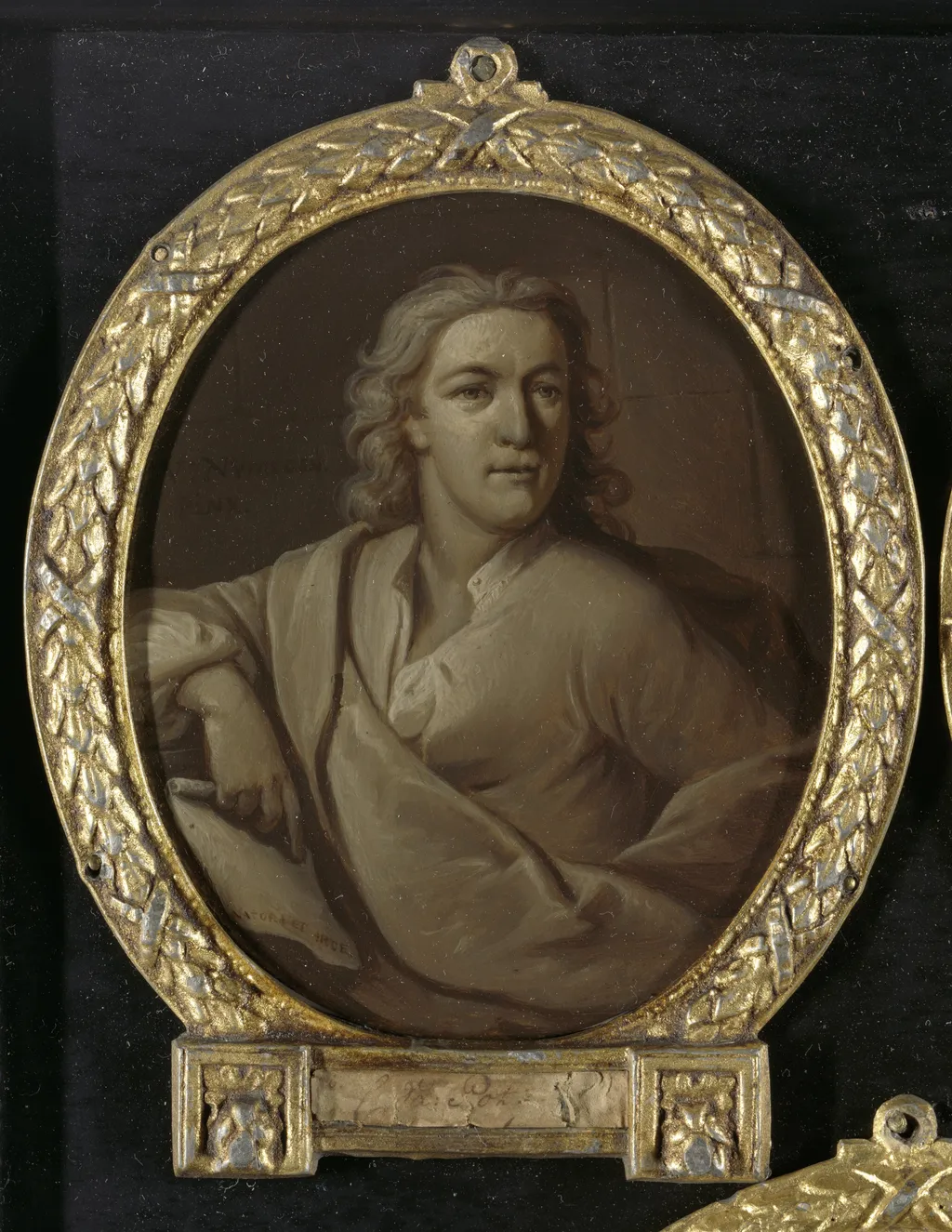
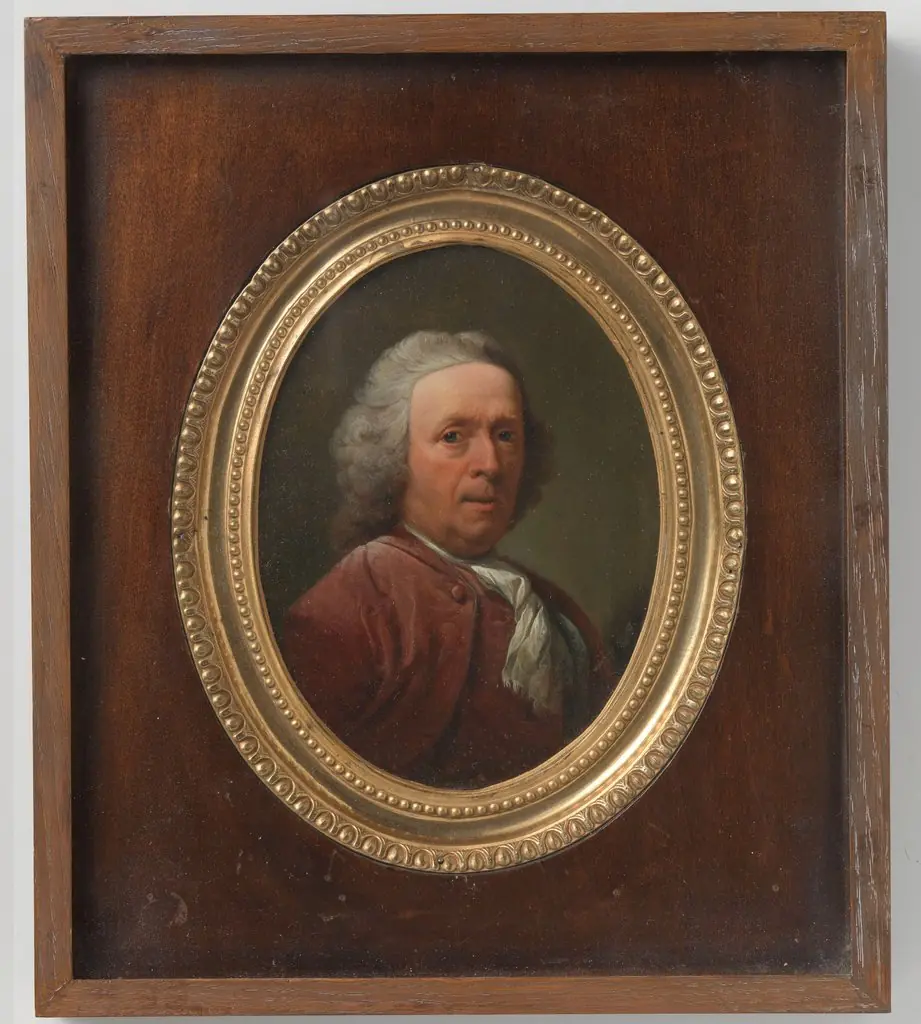
Portrait of Cornelis van der Pot, Merchant and Poet in Rotterdam is an oil painting by the Rococo painting artist Dionys van Nijmegen. It dates from 1750 and is held in the collection of the Rijksmuseum. This small oval portrait, painted around 1750 on copper, depicts Cornelis van der Pot, a Rotterdam merchant and poet.
About this work
Overview
This small oval portrait, painted around 1750 on copper, depicts Cornelis van der Pot, a Rotterdam merchant and poet. The work is attributed to Dionys van Nijmegen and is part of the Rijksmuseum’s collection. The choice of copper as a support contributes to the painting’s luminous surface and fine detail, distinguishing it from more common canvas portraits of the period.
Subject & Meaning
The absence of symbolic objects or elaborate settings focuses attention on his character and presence, emphasizing personal identity over social status.
Cornelis van der Pot is portrayed with quiet dignity, his attire suggesting modest refinement rather than ostentation. One arm rests across his chest, a gesture that conveys contemplation, possibly reflecting his dual identity as both a merchant and a poet. The absence of symbolic objects or elaborate settings focuses attention on his character and presence, emphasizing personal identity over social status.
Technique & Style
The artist employed chiaroscuro to model the face with subtle gradations of light and shadow, creating a sense of volume and depth. Painted with precision on a smooth copper surface, the colors retain a warm, saturated quality. The dark, unadorned background isolates the figure, enhancing the intimacy of the composition and highlighting the technical skill required to render fine details on a rigid support.
History & Provenance
The portrait entered the Rijksmuseum’s collection in the 19th century, though its earlier ownership remains undocumented. Its survival in good condition suggests it was carefully preserved, possibly within the van der Pot family or among Rotterdam’s cultural circles. The ornate gold frame, likely original, reflects 18th-century tastes in domestic display and the value placed on such intimate likenesses.
Context
In mid-18th-century Rotterdam, portraits of merchants and intellectuals were increasingly commissioned to affirm civic identity and personal achievement. While grand aristocratic portraits dominated elsewhere, this work reflects a more restrained, bourgeois aesthetic. Painting on copper, though uncommon, was occasionally favored in the Netherlands for its durability and luminous finish, particularly in smaller, private commissions.
Legacy
The portrait stands as a quiet example of Dutch portraiture that prioritizes psychological presence over grandeur. Its use of copper and subtle lighting connects it to earlier Netherlandish traditions, while its intimate scale and focus on a non-noble subject reflect evolving social values. It remains a representative work of regional artistic practice in the 18th century, valued for its craftsmanship and understated realism.
Artist & collection

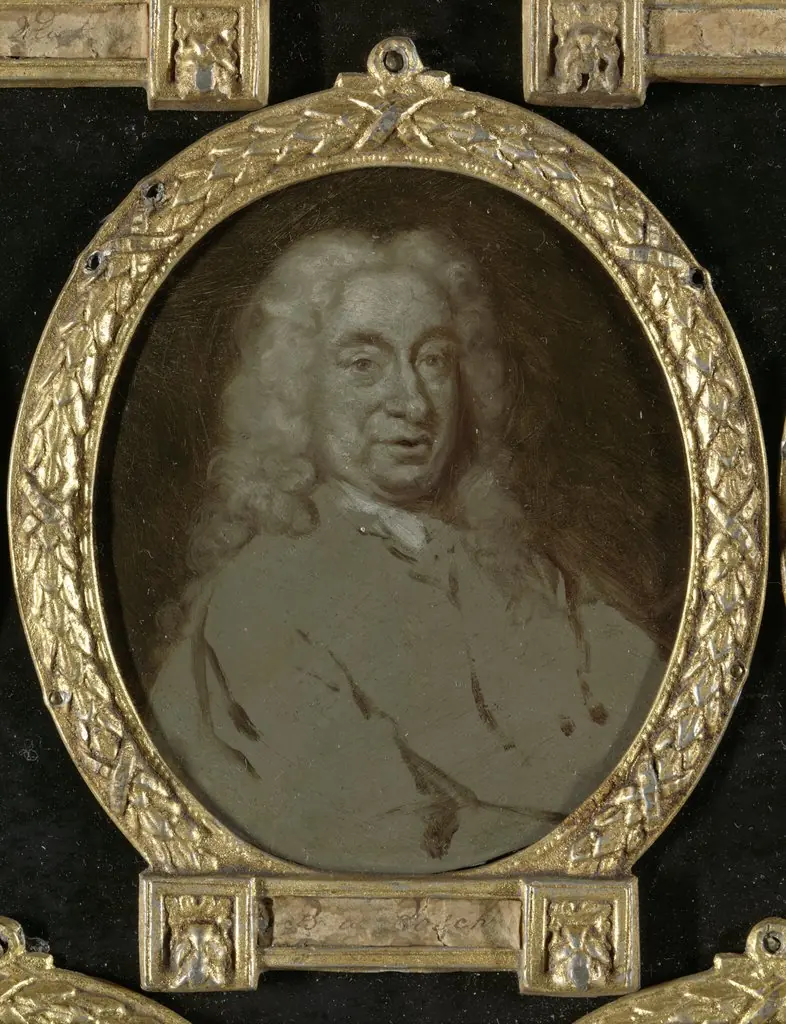
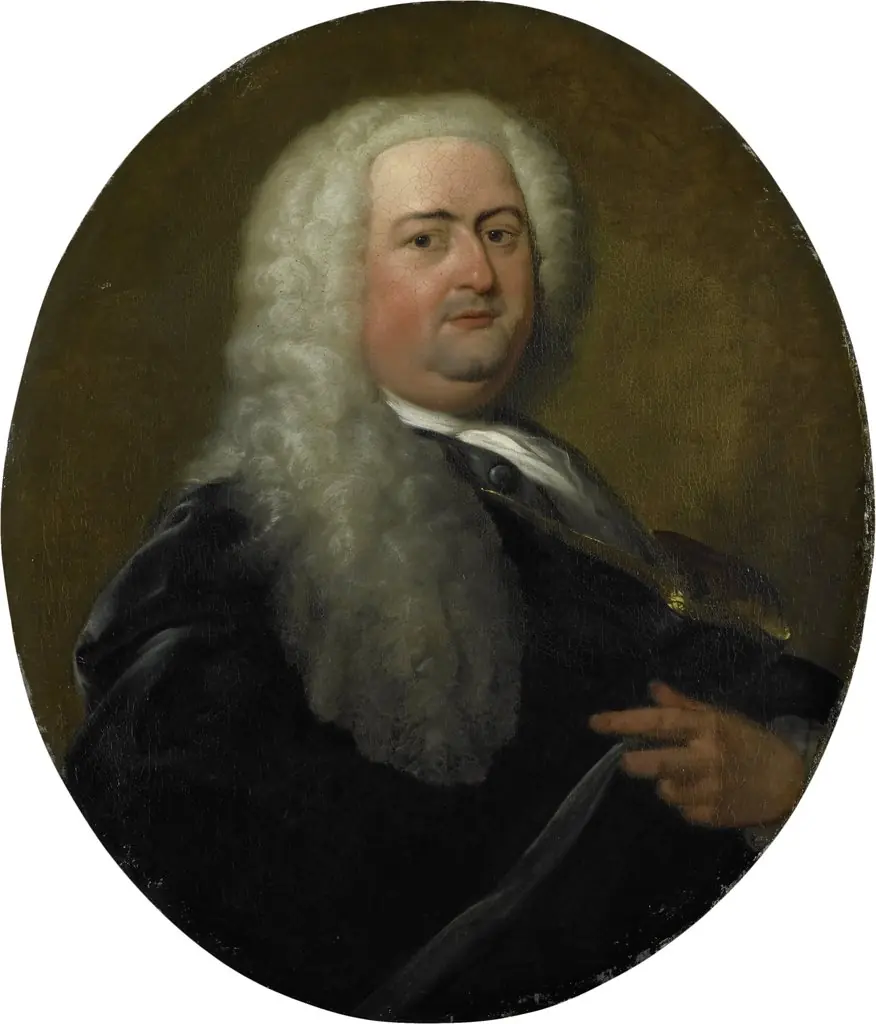 Portrait of Adriaen Paets, Director of the Rotterdam Chamber of the Dutch East India Company, elected 1734
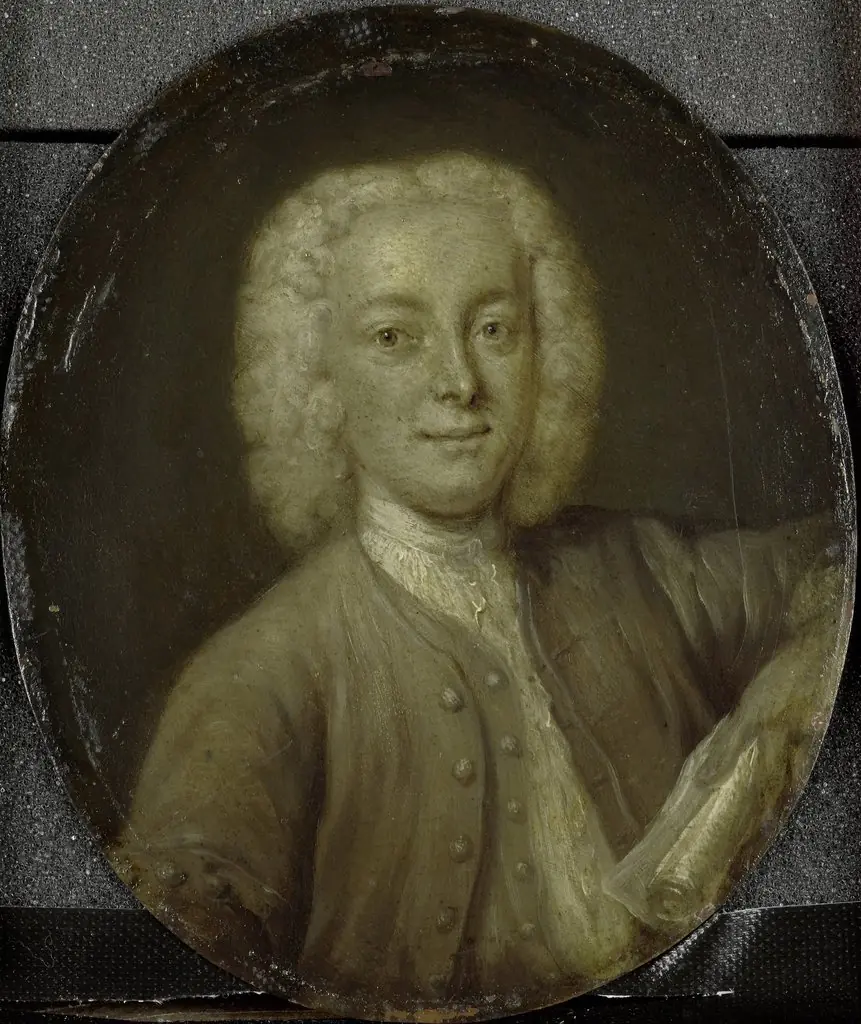
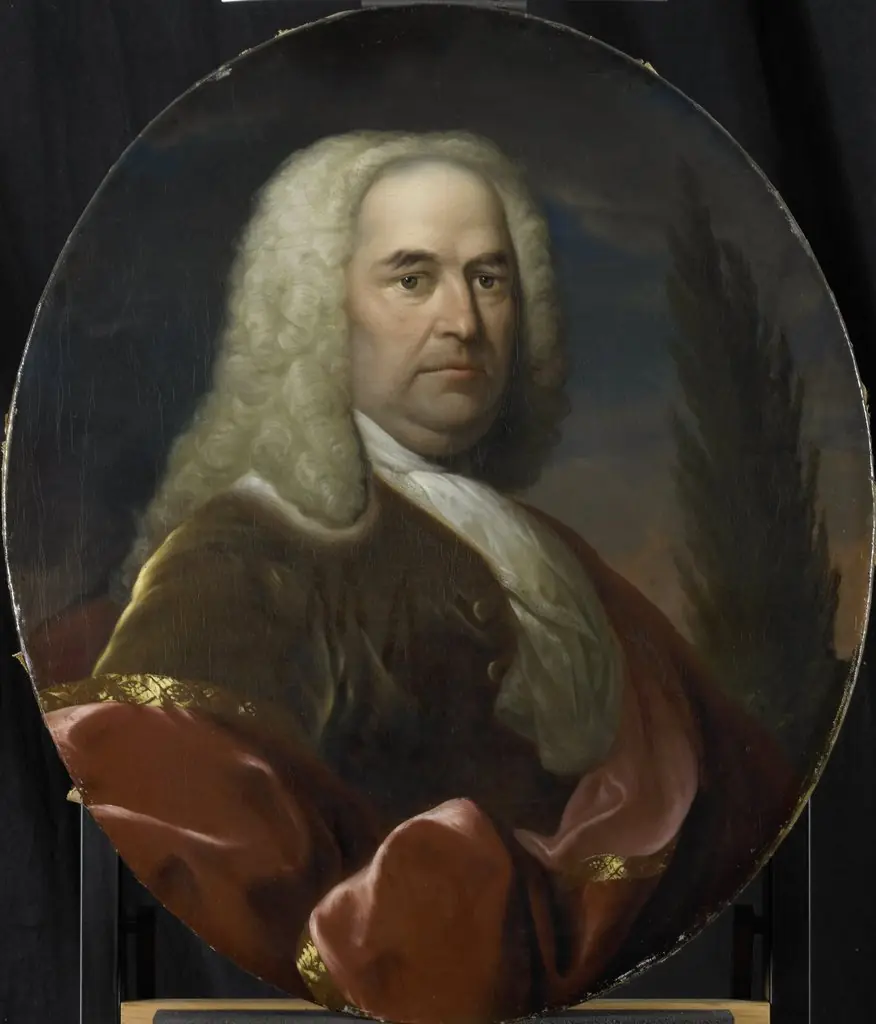 Portrait of Hugo du Bois, Director of the Rotterdam Chamber of the Dutch East India Company, elected 1734
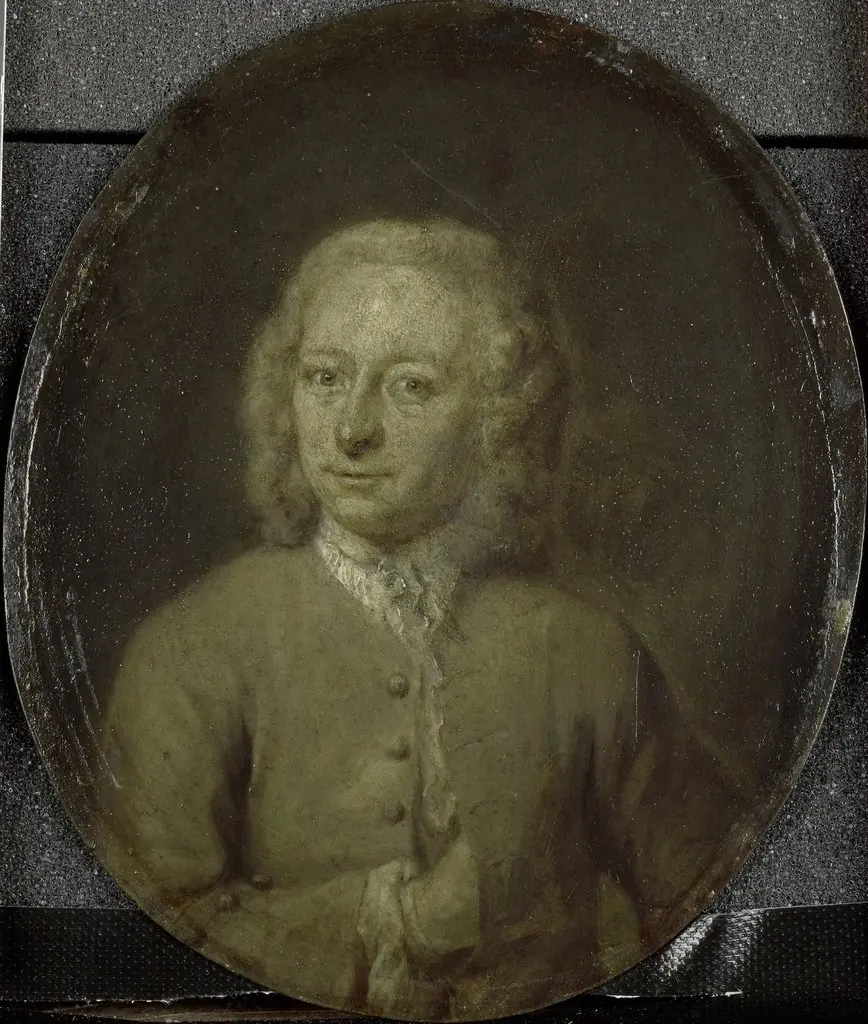
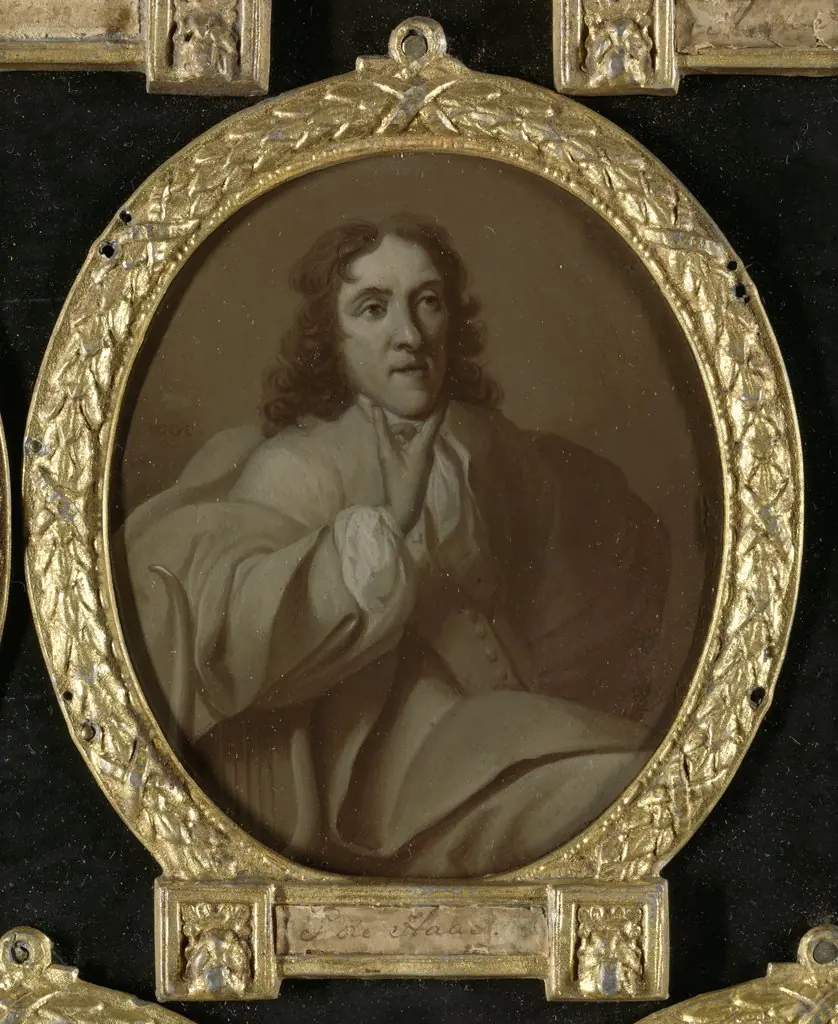 Portrait of Frans de Haes, Poet and Linguist in Rotterdam
 Self-Portrait
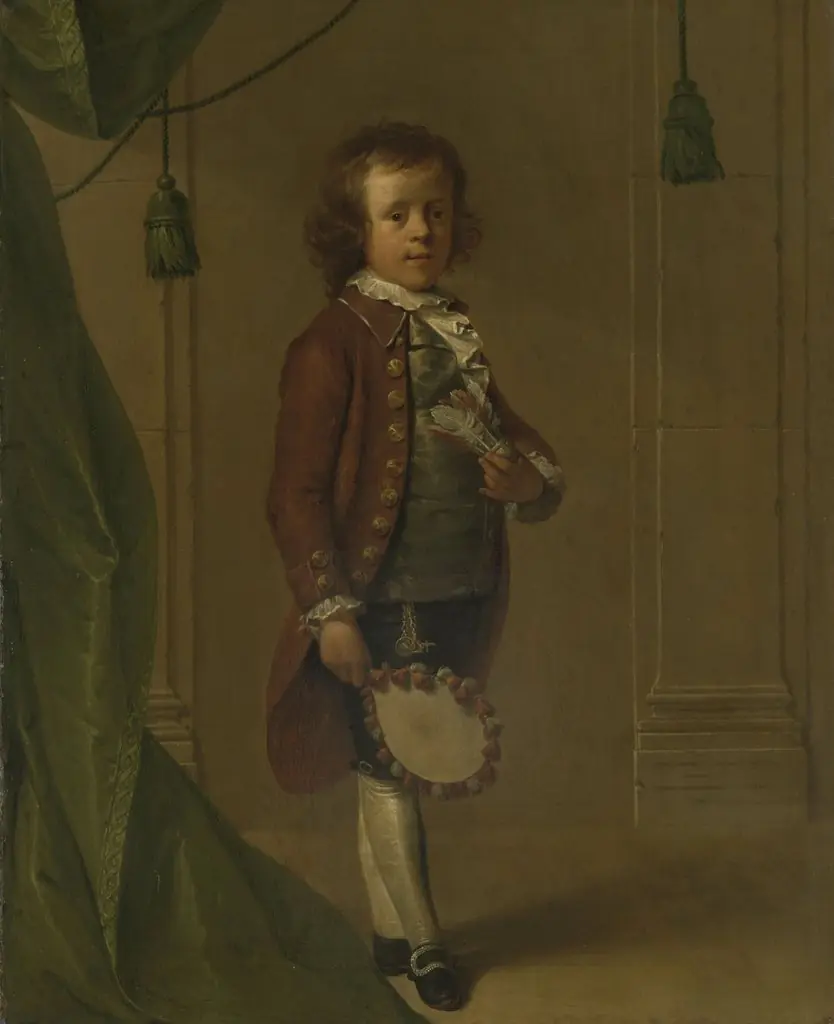 Portrait of Dionys Eliasz van Nijmegen
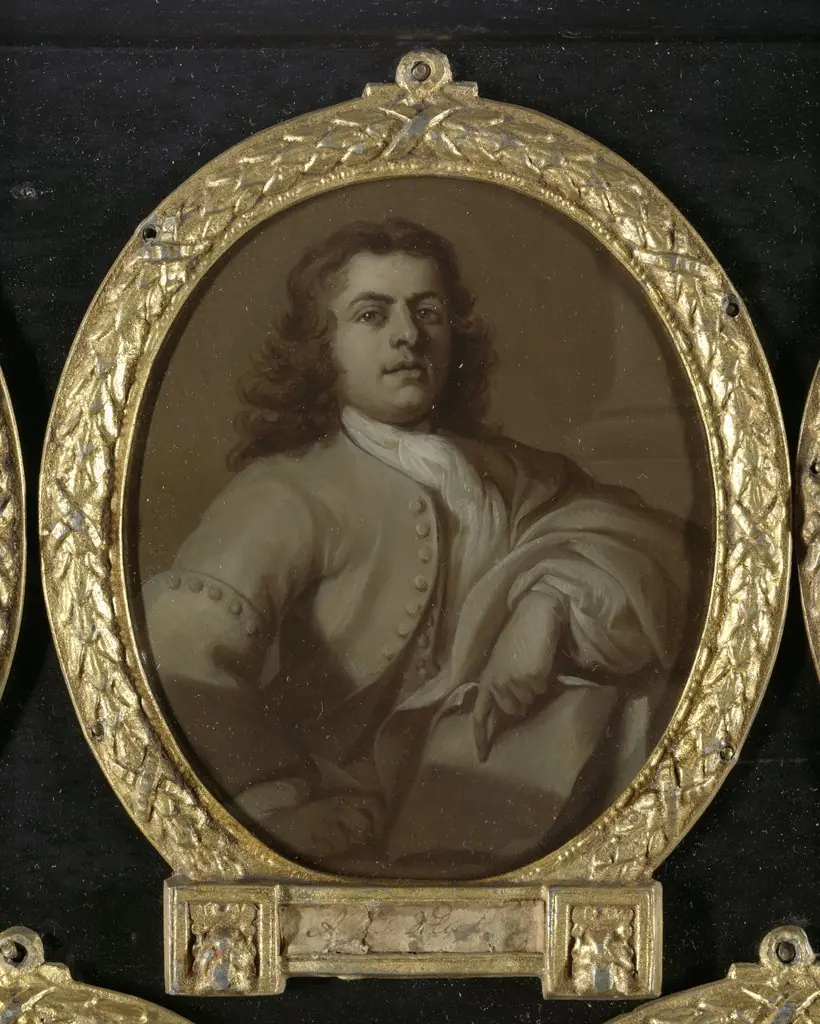 Portrait of Adriaan van der Vliet, Poet in Rotterdam
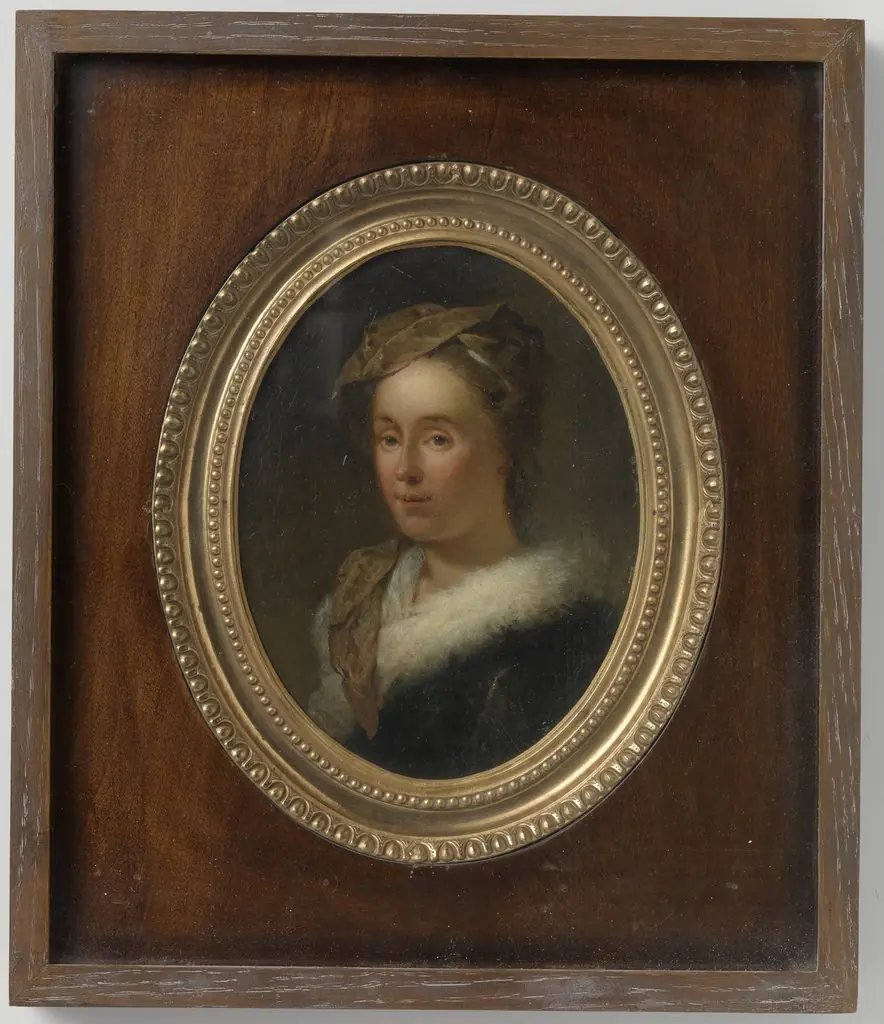 Portrait of Sara Stiermans, the Artist's Wife
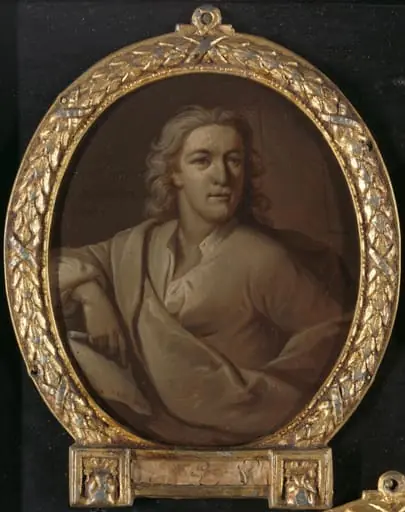 Portrait of Cornelis van der Pot (1707-1728). Merchant and Poet in Rotterdam