Artwork
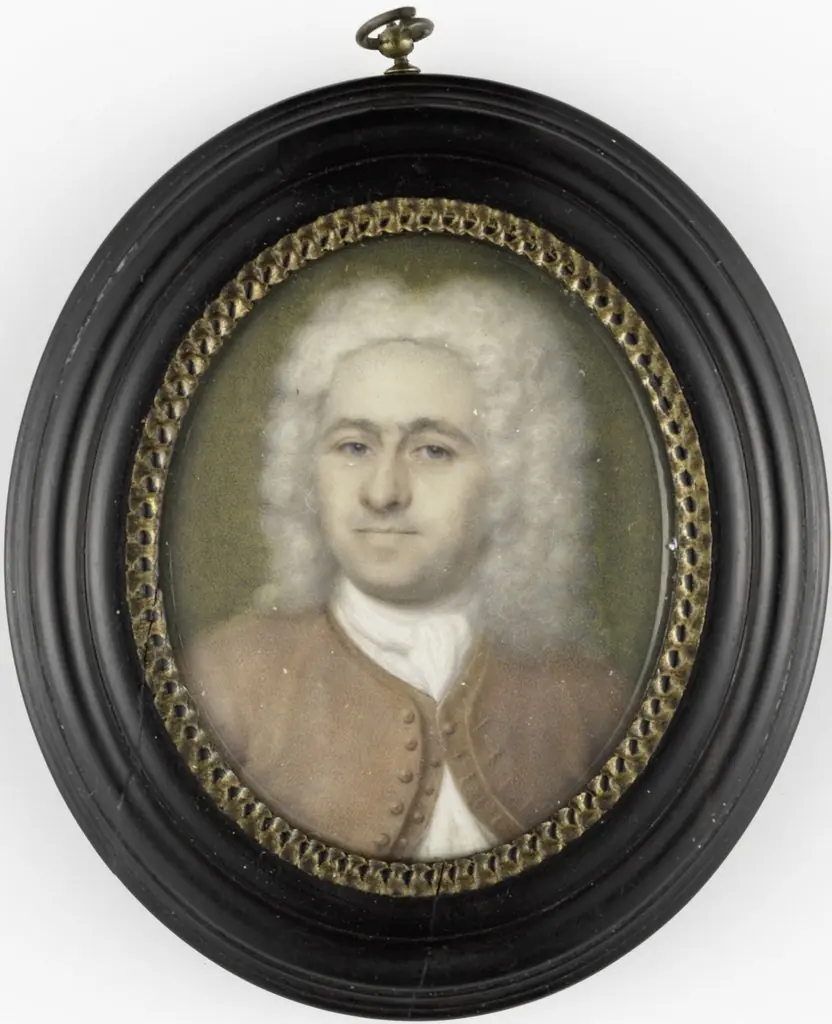
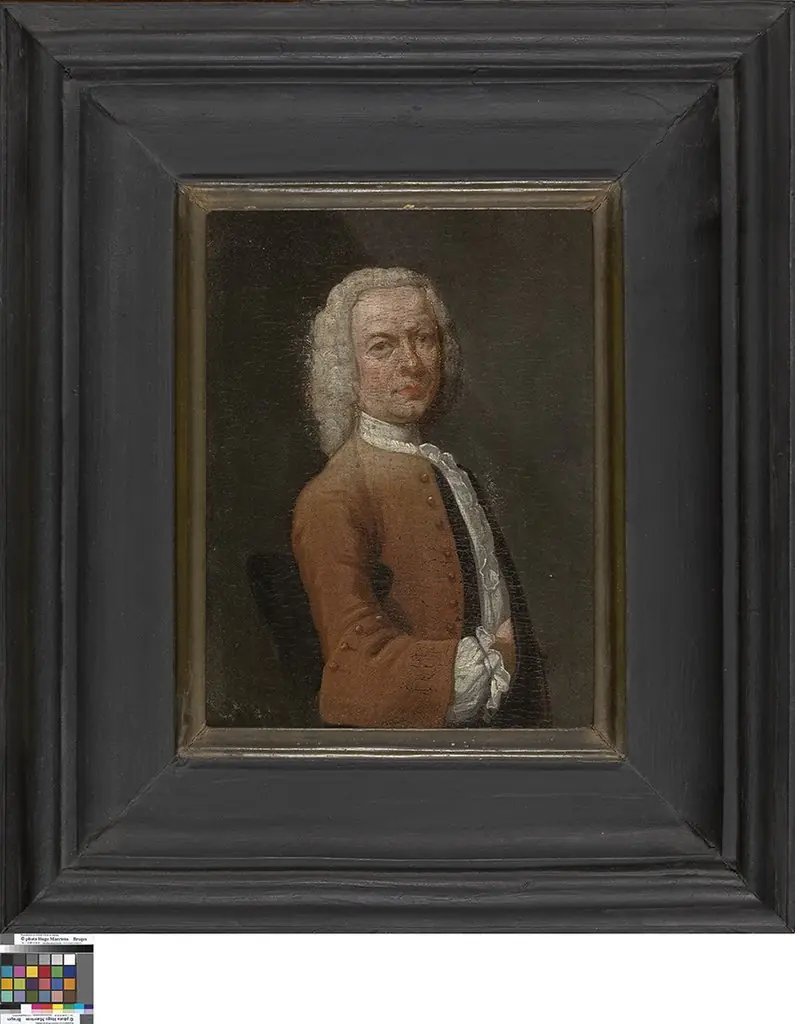
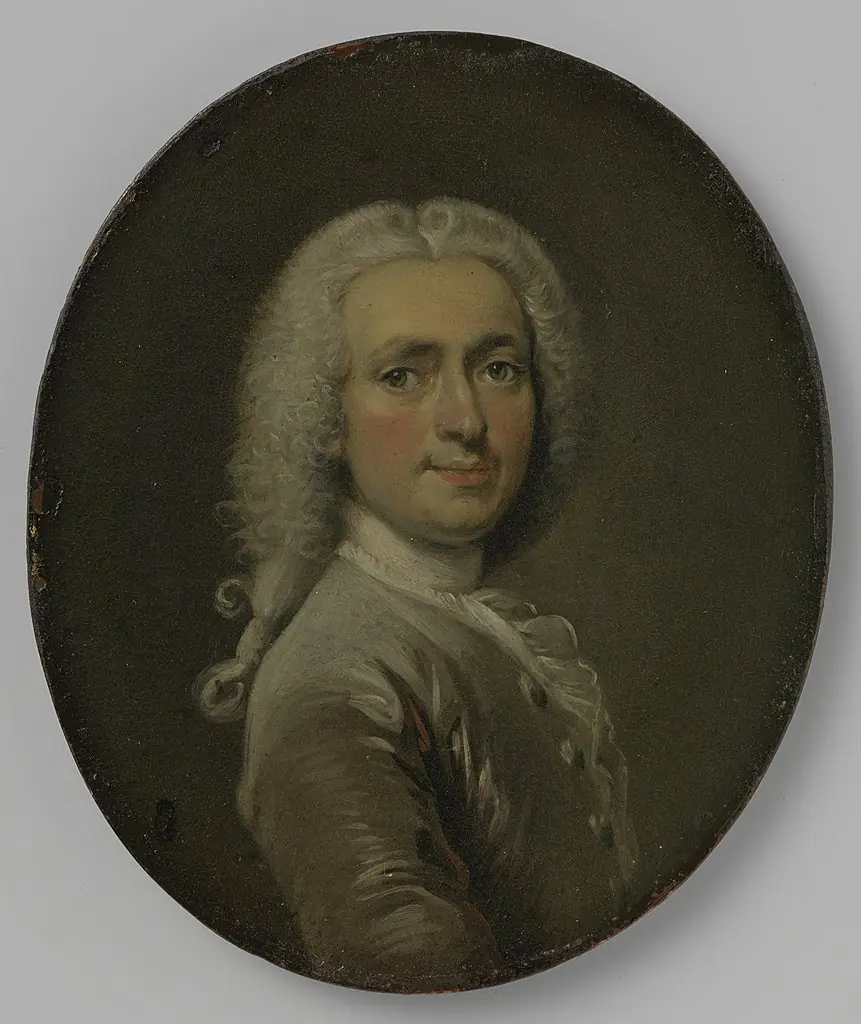
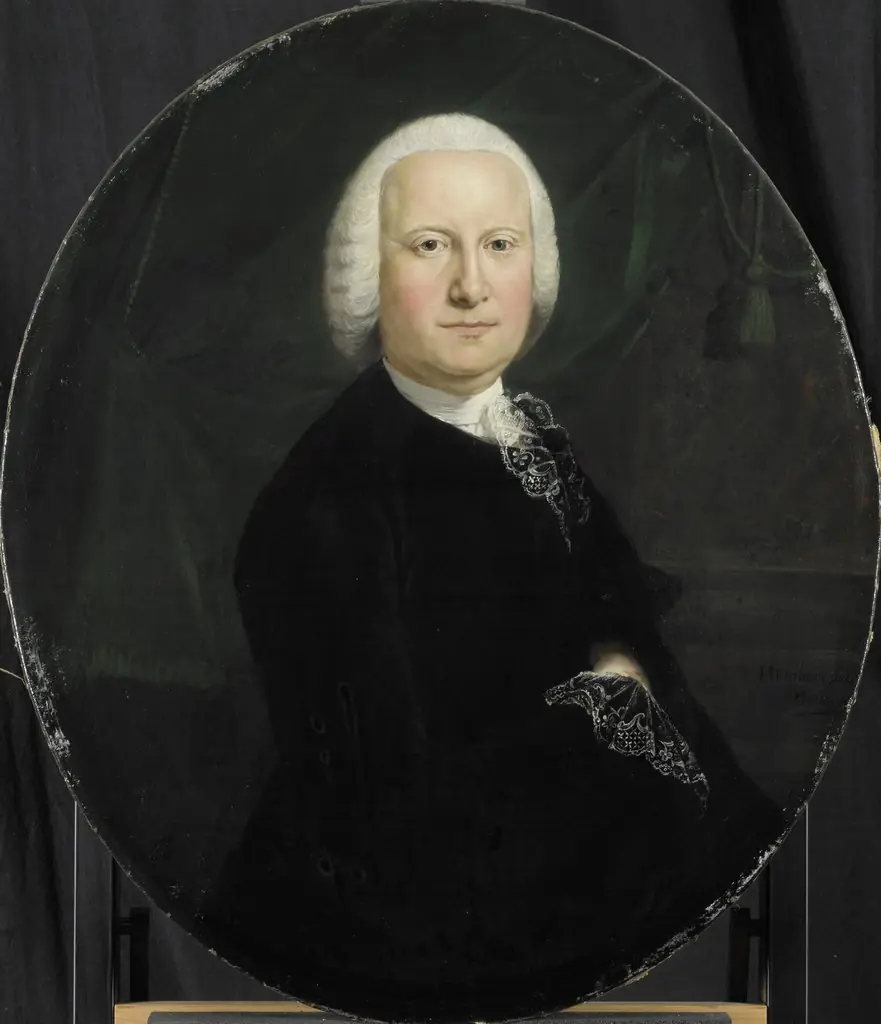
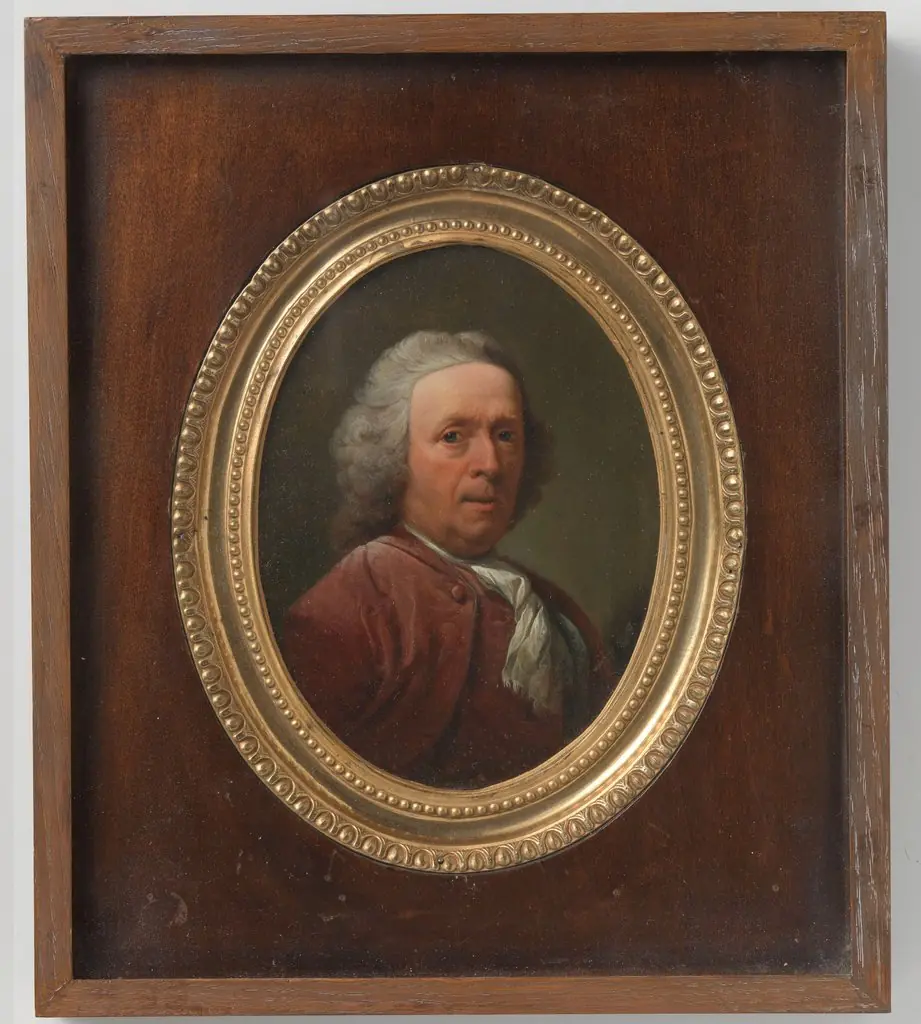
Portrait of Lucas Pater, Merchant and Poet in Amsterdam
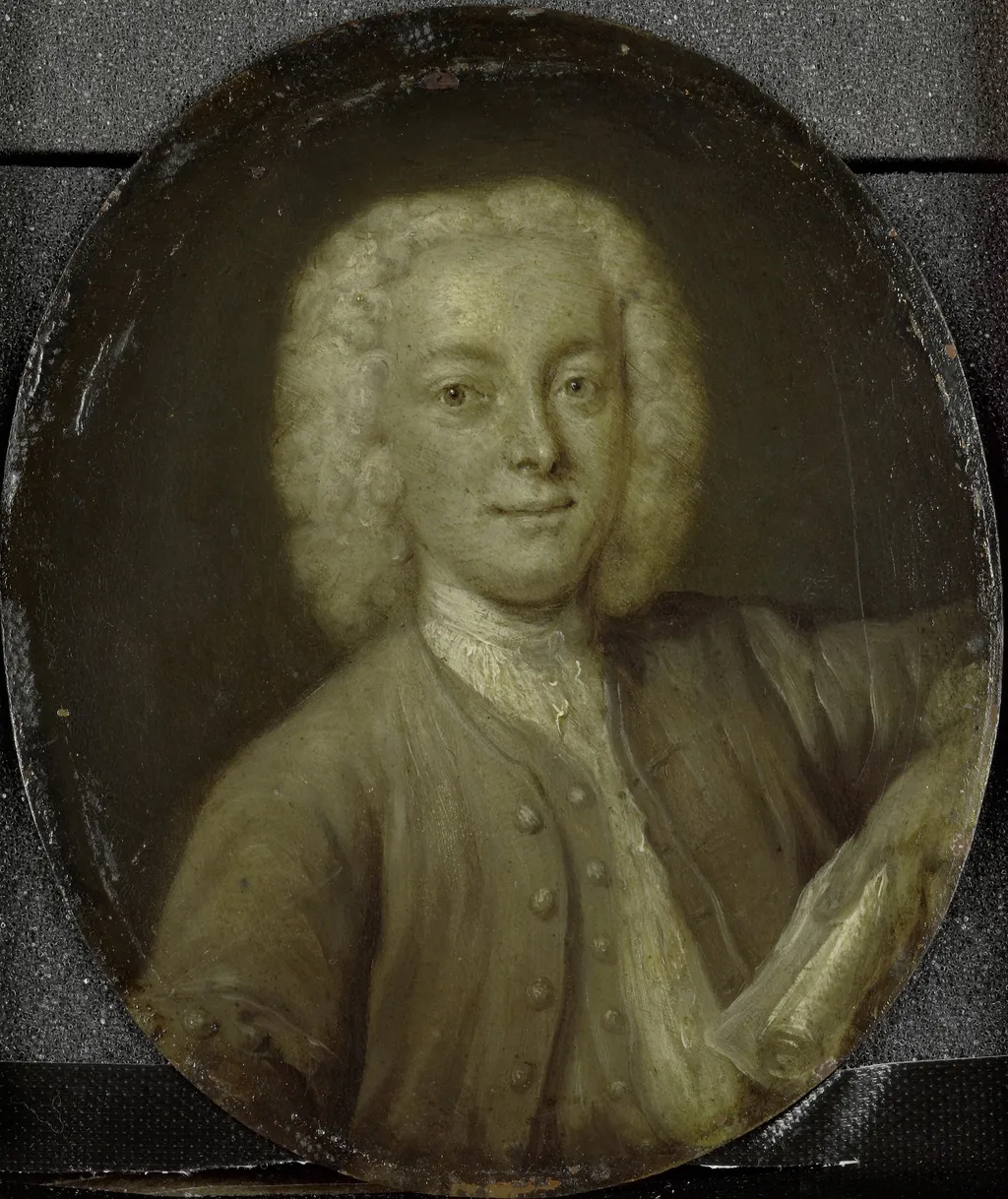
Portrait of Lucas Pater, Merchant and Poet in Amsterdam is an oil painting by the Rococo painting artist Jan Maurits Quinkhard. It dates from 1750 and is held in the collection of the Rijksmuseum.
About this work
Overview
Portrait of Lucas Pater, Merchant and Poet in Amsterdam is a copper panel painting created by Jan Maurits Quinkhard around 1750, exemplifying the rococo style in its refined portrayal of the subject.
Subject & Meaning
The painting depicts Lucas Pater, an Amsterdam-based merchant who also practiced poetry, capturing him in a moment of gentle, direct engagement with the viewer, his attire and hairstyle conveying elegance.
Technique & Style
Quinkhard employed chiaroscuro to create a stark contrast between light and dark, emphasizing Pater's face and hands, characteristic of the rococo's emphasis on subtle, nuanced lighting effects.
History & Provenance
The work is part of the Rijksmuseum's collection, with its creation date circa 1750 reflecting Quinkhard's active period as a Dutch painter and print designer in the 18th century.
Context
The use of copper as the painting's support was common for high-end portraiture during this period, underscoring the subject's status and the artist's attention to detail.
Legacy
While specific influences or direct artistic lineage are not detailed, the portrait contributes to the broader legacy of Dutch rococo portraiture, emphasizing subtlety and the capture of the subject's personality.
Artist & collection
Artist
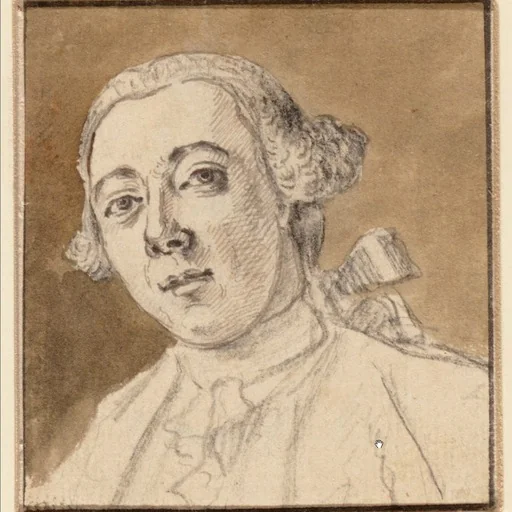
Jan Maurits Quinkhard (28 January 1688 – 11 November 1772) was an 18th-century painter and print designer from the Dutch Republic.

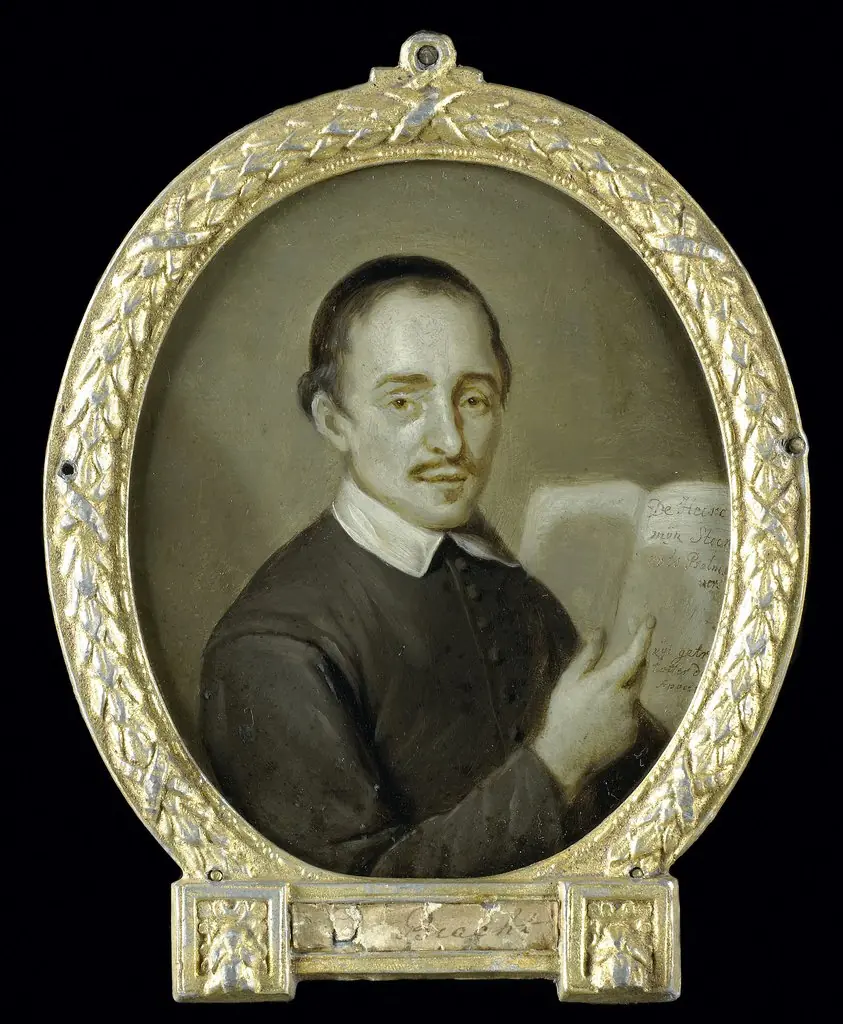 Portrait of Tieleman Jansz van Bracht, Clergyman and Poet in Dordrecht
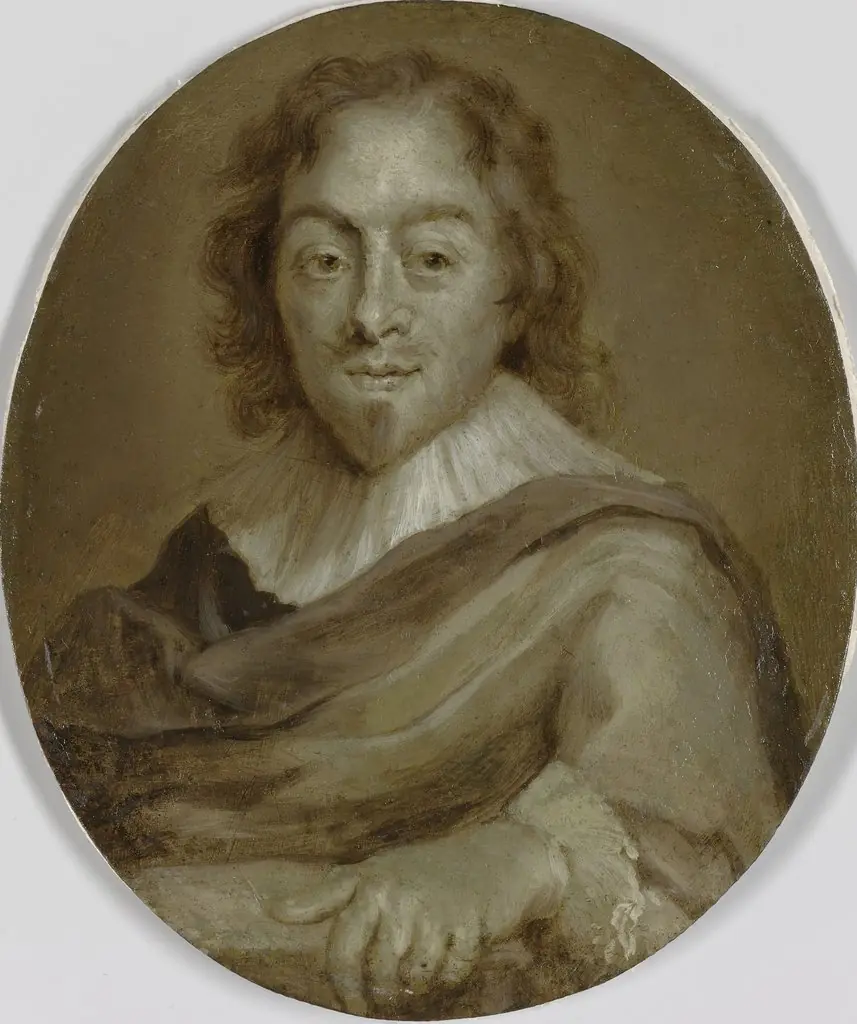 Portrait of Constantijn Huygens, Poet, Secretary to Prince Frederick Henry and Prince William II and First Councilor and Exchequer to William III
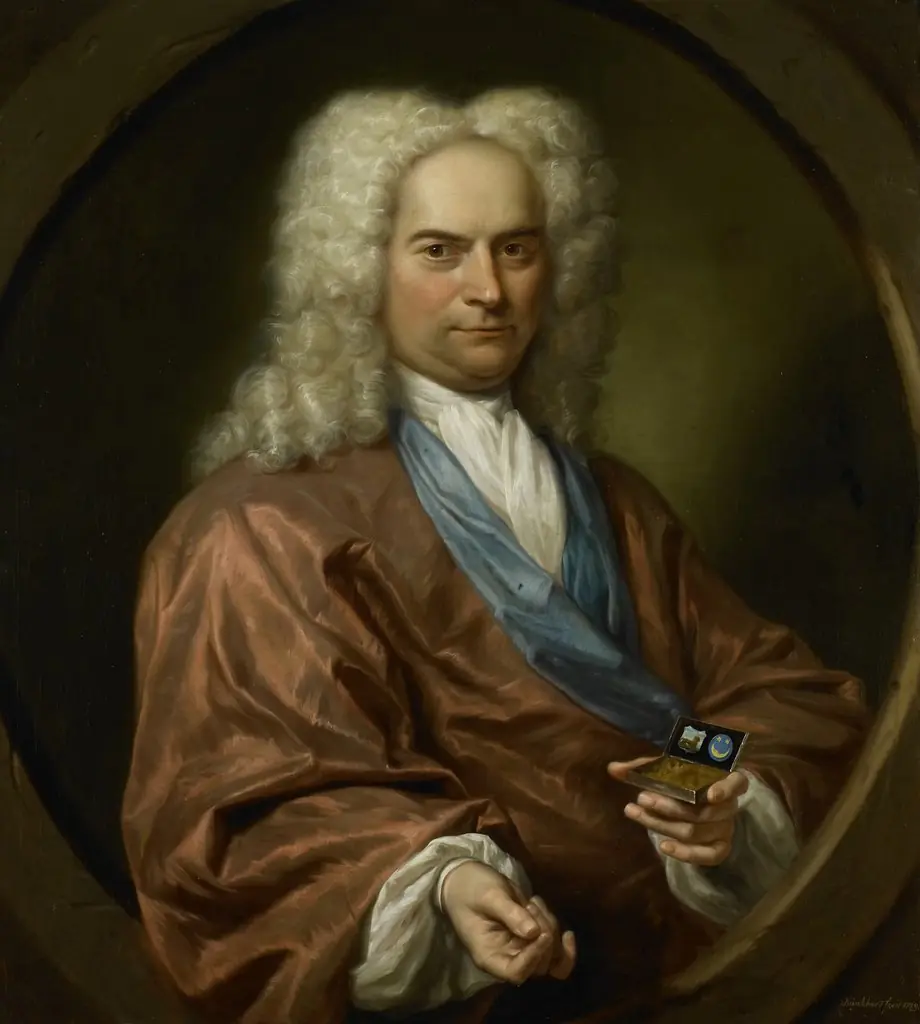 Portrait of David Leeuw, Mennonite Cloth and Dry Goods Merchant
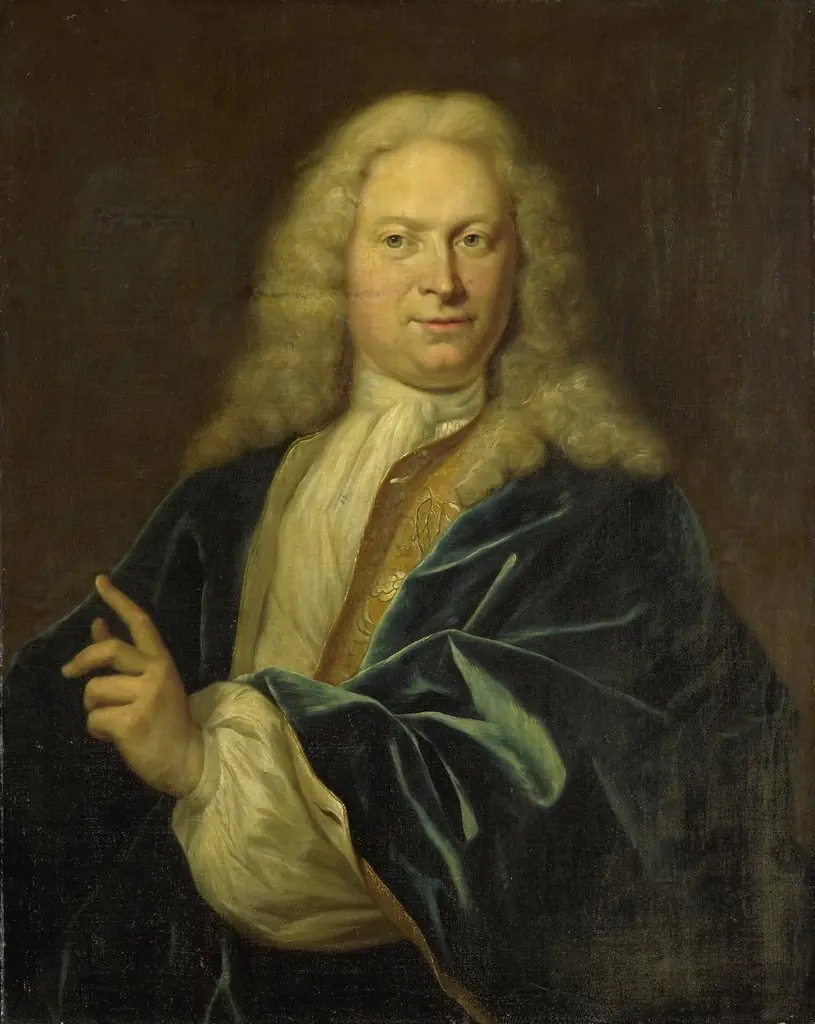 Portrait of Jan Hendrik van Heemskerck, Count of the Holy Roman Empire, Lord of Achttienhoven, Den Bosch and Eyndschoten, Captain of the Citizenry of Amsterdam (Johan Hendrik Graaf Van Heemskerk)
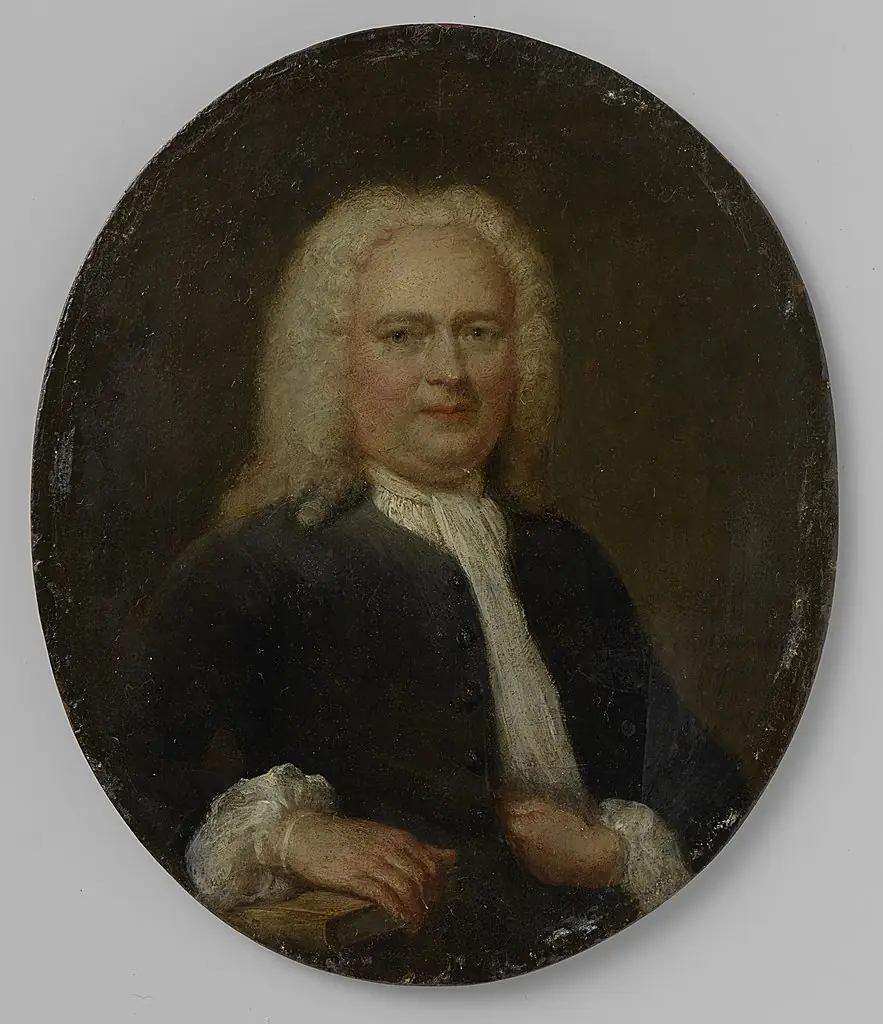 Portrait of a Man, perhaps a Member of the Klinkhamer Family
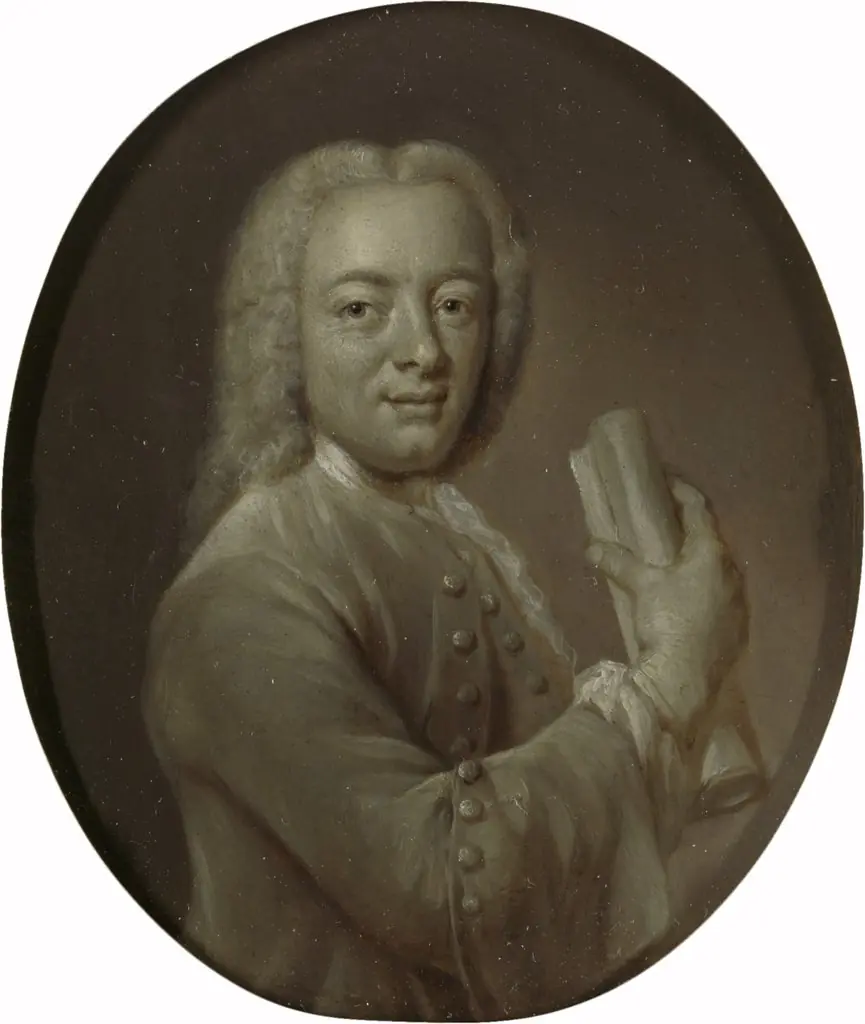 Portrait of Bernardus de Bosch I, Poet in Panpoeticon Batavum
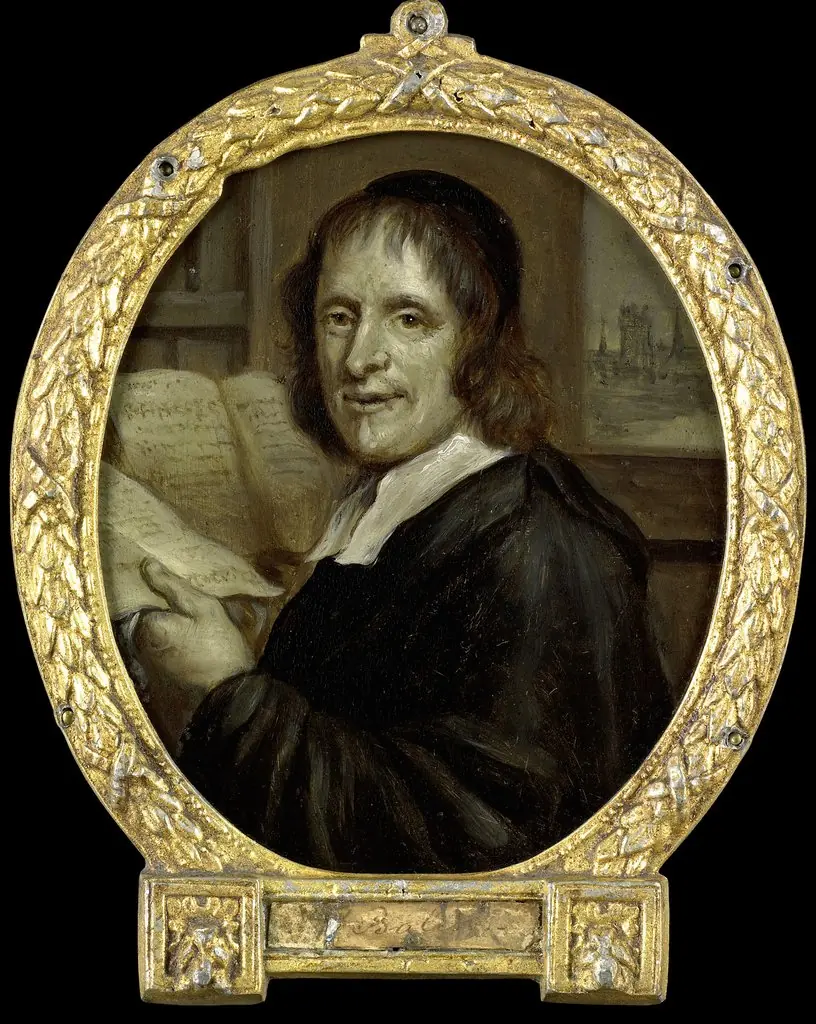 Matthijs Balen Jansz (1611-91), poet and chronicler of Dordrecht
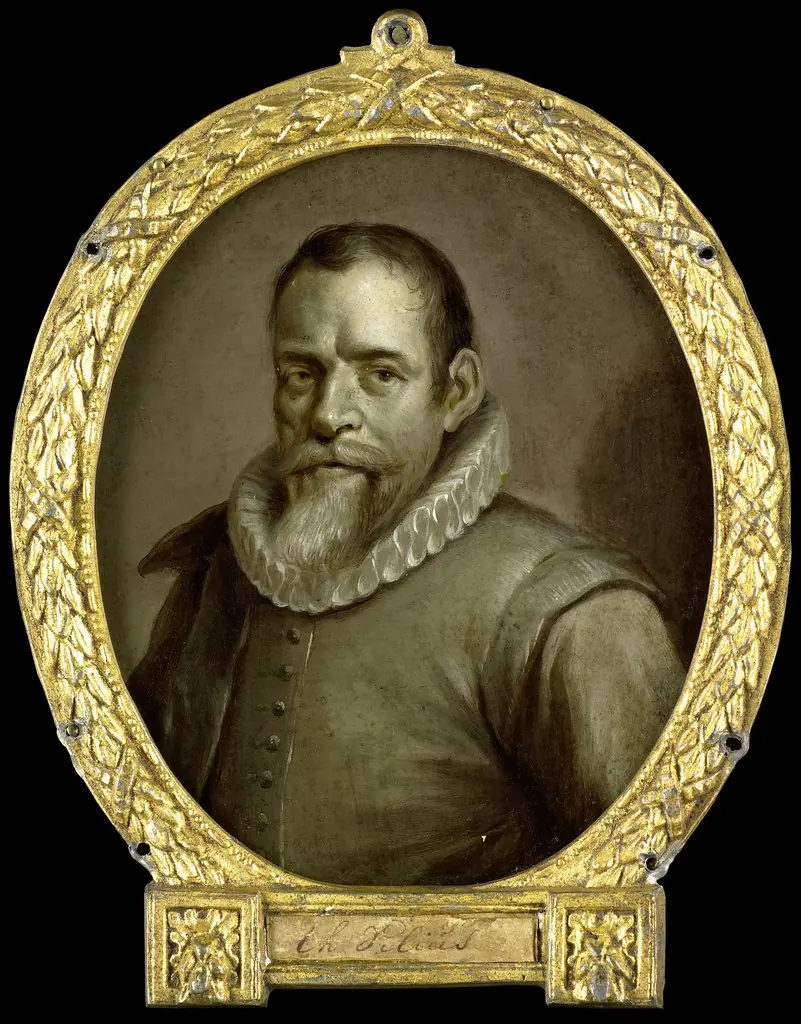 Portrait of Theodorus Velius, Writer of the Chronicle of Horn