Artwork
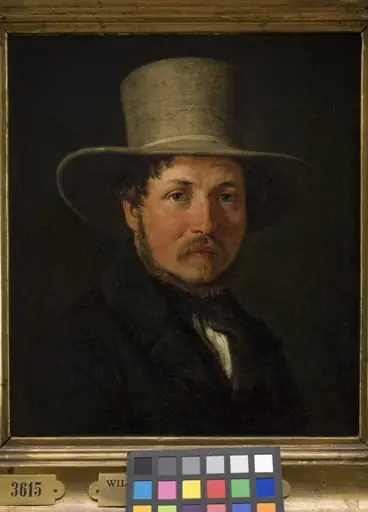
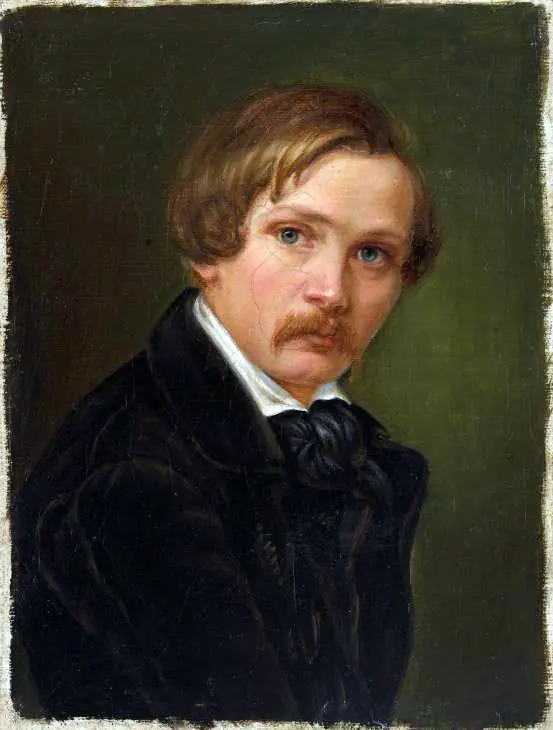
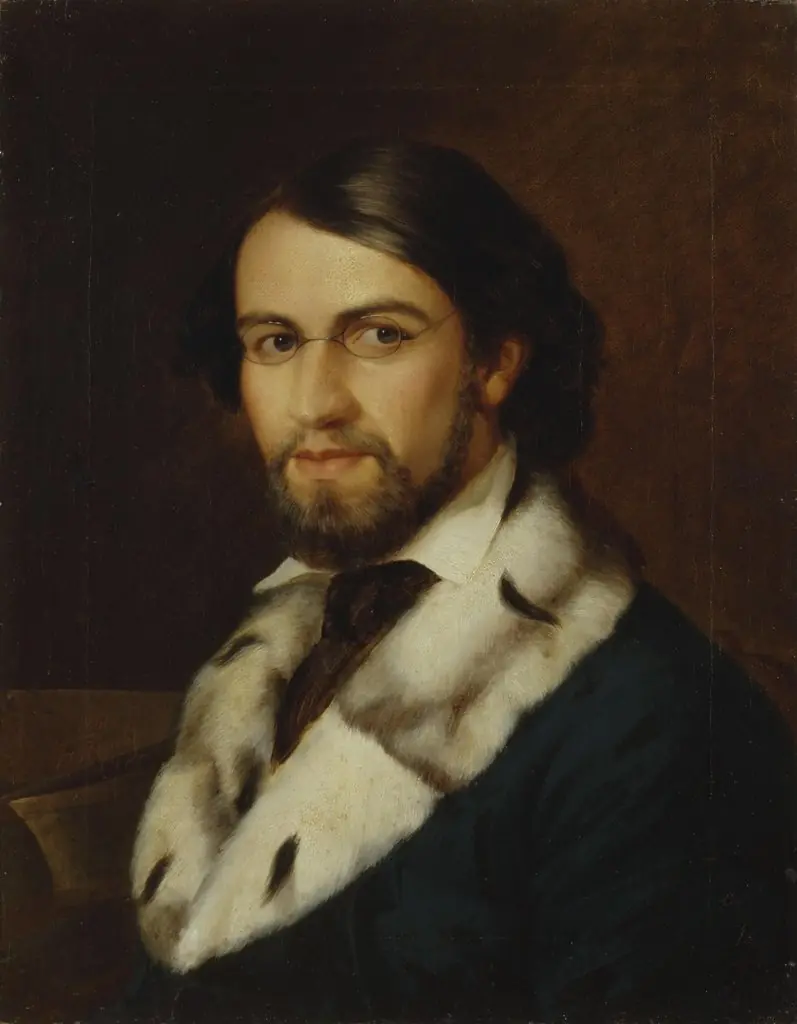
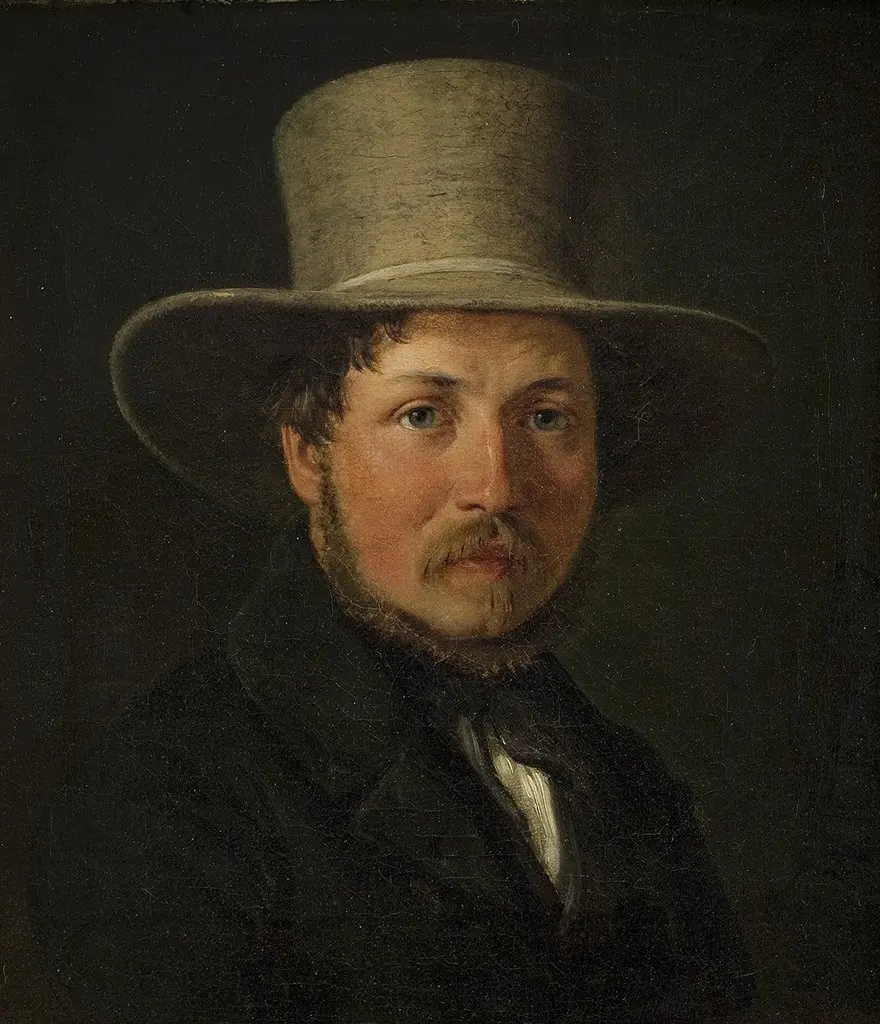
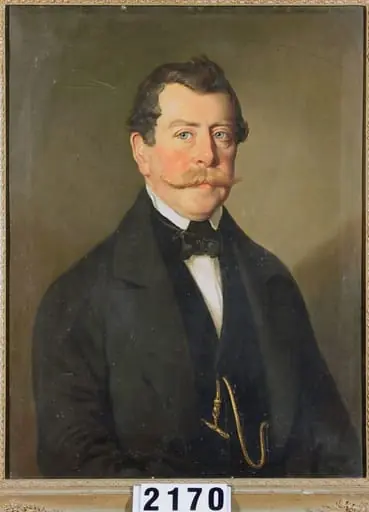
Portrait of a Man
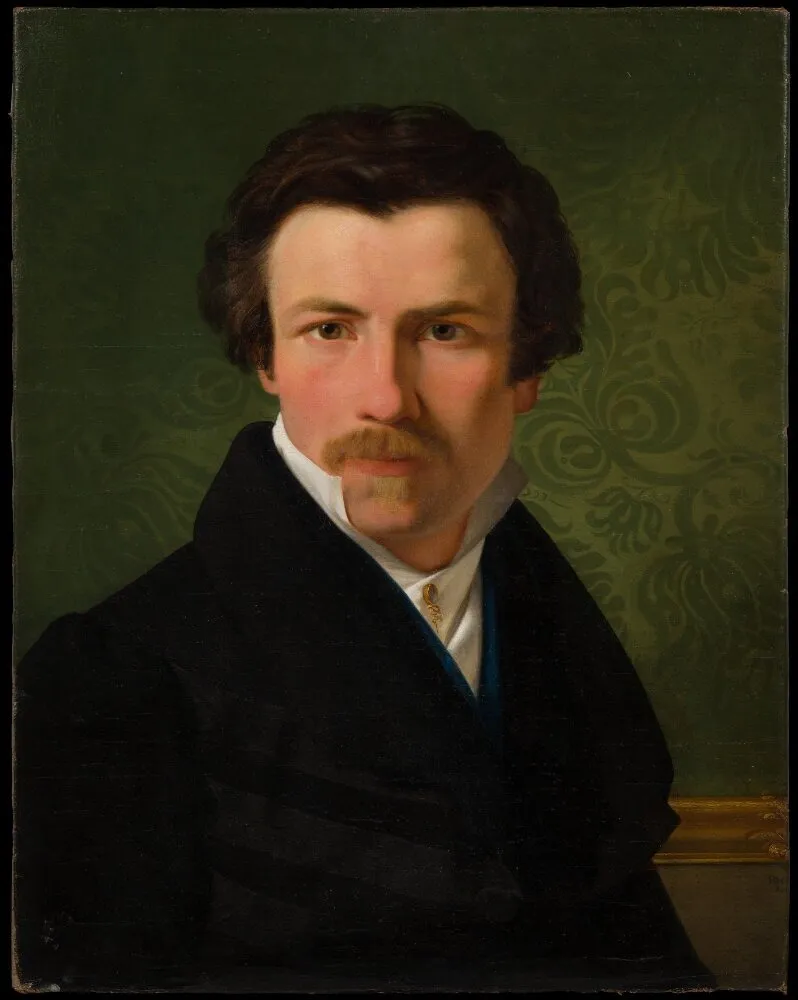
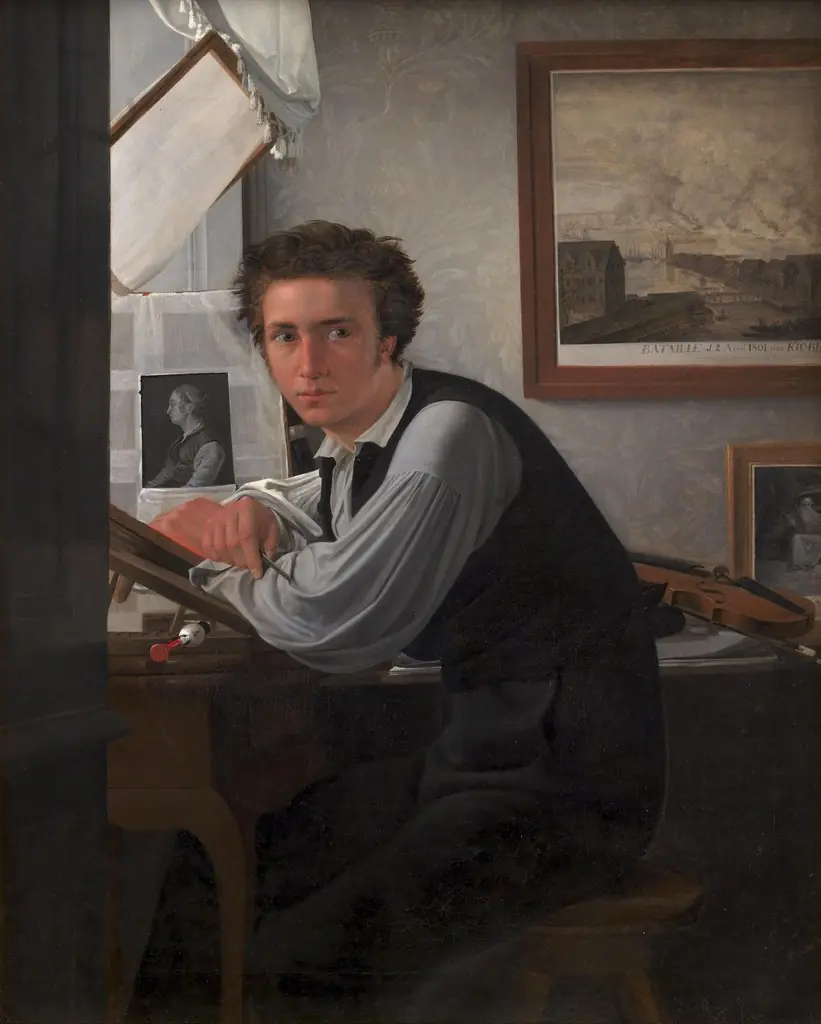
Portrait of a Man is an oil painting by the Biedermeier artist Ditlev Blunck. It dates from 1830 and is held in the collection of the Nationalmuseum.
About this work
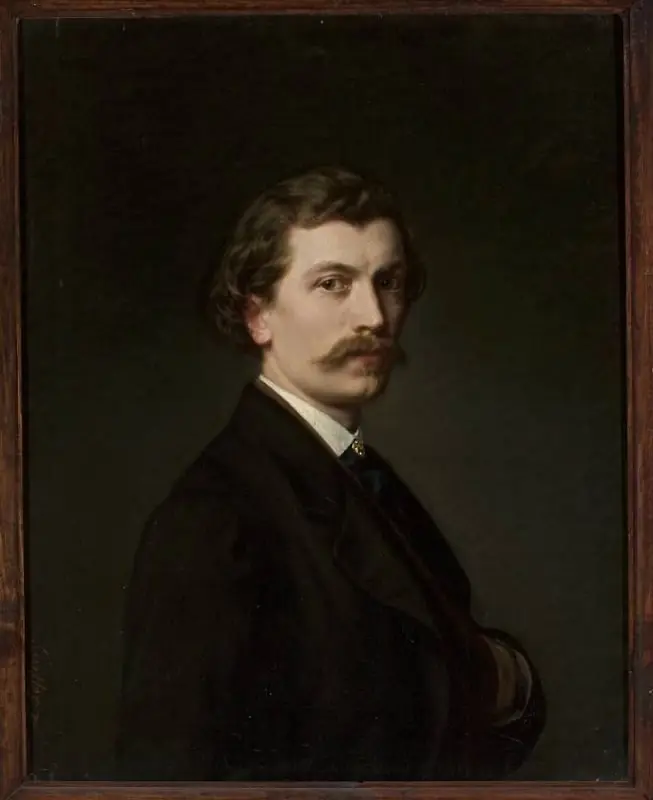
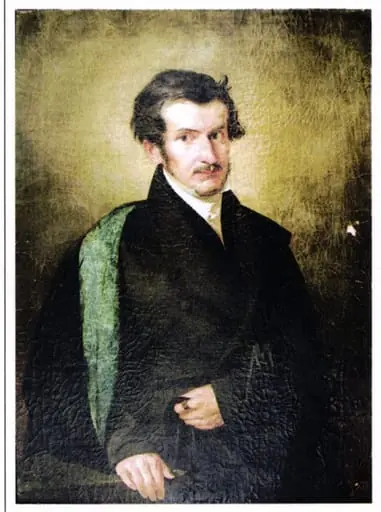
This portrait shows a man with dark, wavy hair and a mustache, wearing a black coat with a white shirt and a blue vest underneath.
This portrait shows a man with dark, wavy hair and a mustache, wearing a black coat with a white shirt and a blue vest underneath. He is looking directly at the viewer. The background is a green wall with a floral pattern.
The man's attire and hairstyle suggest a formal setting, possibly from the early 19th century. The artist's use of oil paint creates a sense of depth and texture in the image.
If you're interested in learning more about the artist behind this piece, you might want to look up Ditlev Blunck.
Overview
Painted in 1830 by Danish-German artist Ditlev Blunck, this oil portrait captures a man in formal attire against a patterned green backdrop. Executed during the Biedermeier era, the work reflects the period’s emphasis on quiet dignity and domestic realism. It is part of the Nationalmuseum’s collection in Sweden, where it stands as a representative example of early 19th-century Nordic portraiture.
Subject & Meaning
The sitter, a man with dark wavy hair and a neatly trimmed mustache, gazes directly at the viewer with composed stillness. His attire—black coat, white shirt, and blue vest—suggests urban middle-class respectability, typical of Biedermeier-era ideals. The direct gaze and unadorned setting convey an emphasis on individual presence rather than social status, aligning with the period’s preference for intimate, unembellished character studies.
Technique & Style
Blunck employed oil paint to achieve subtle tonal transitions and a tactile sense of fabric and skin. The rendering of the man’s clothing shows careful attention to texture, while the background’s faint floral motif adds quiet decoration without distraction. The palette is restrained, dominated by darks and muted hues, reinforcing the portrait’s sober, introspective mood characteristic of Biedermeier aesthetics.
History & Provenance
The painting entered the Nationalmuseum’s collection in Sweden, though its exact acquisition date is not documented. As a work by Blunck, who was active in both Denmark and Germany, it reflects the transnational artistic networks of the time. Its preservation in a national institution underscores its recognition as a representative example of regional portraiture from the early 1830s.
Context
Created during the Biedermeier period, the portrait aligns with a broader cultural shift toward domesticity and personal introspection in Central and Northern Europe. In contrast to grand historical or aristocratic themes, such works focused on ordinary individuals, reflecting rising middle-class values. Blunck’s approach mirrors this trend, favoring psychological presence over ceremonial display.
Legacy
Though not among Blunck’s most widely known works, this portrait contributes to the understanding of his role in bridging Danish and German artistic traditions. It exemplifies the quiet realism that defined Biedermeier portraiture and remains a modest but significant artifact of early 19th-century Nordic visual culture, preserved for its historical and stylistic coherence.
Artist & collection
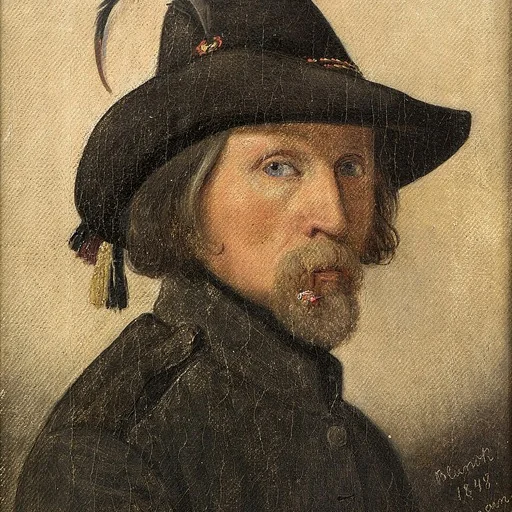
Artist
Ditlev Conrad Blunck (22 June 1798 – 7 January 1853) was a Danish-German painter associated with the Danish Golden Age during the first half of the 19th century.

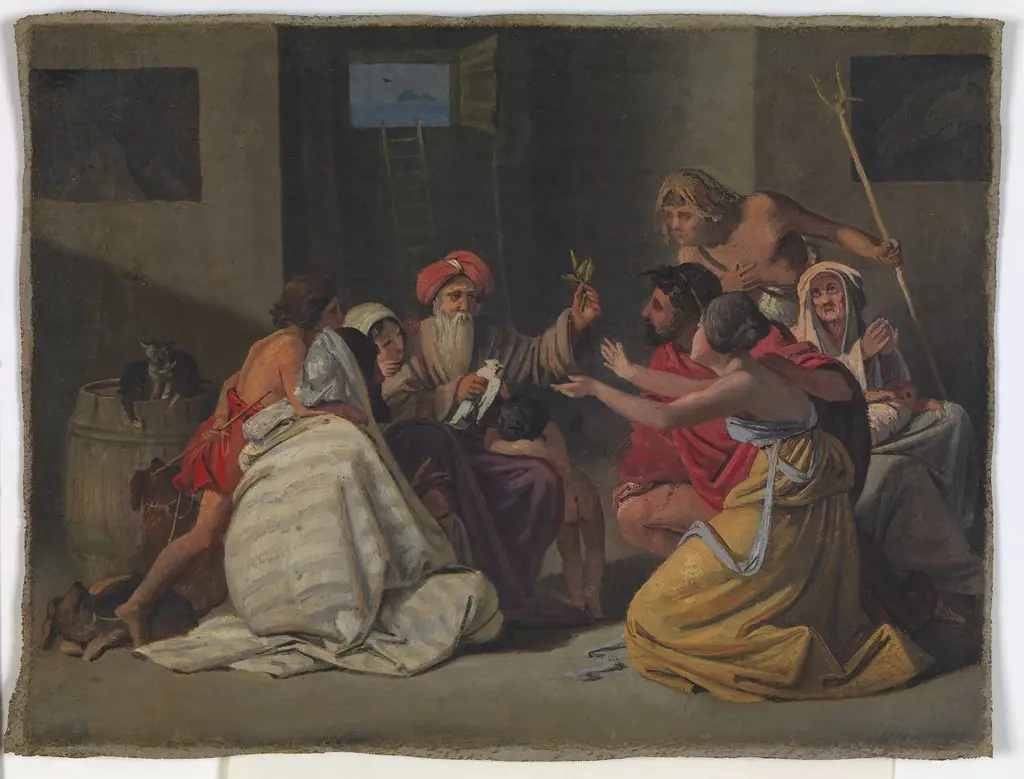 Study for the painting "Noah i arken"
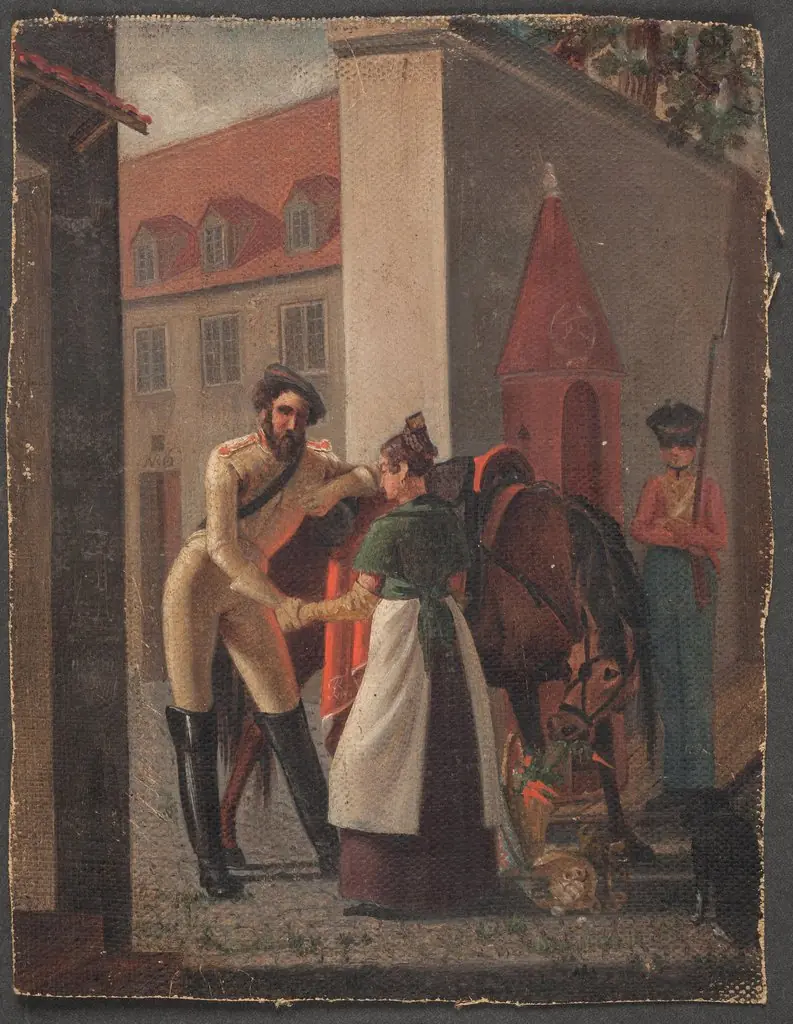 Gadescene. En kavalerist tager afsked med en pige
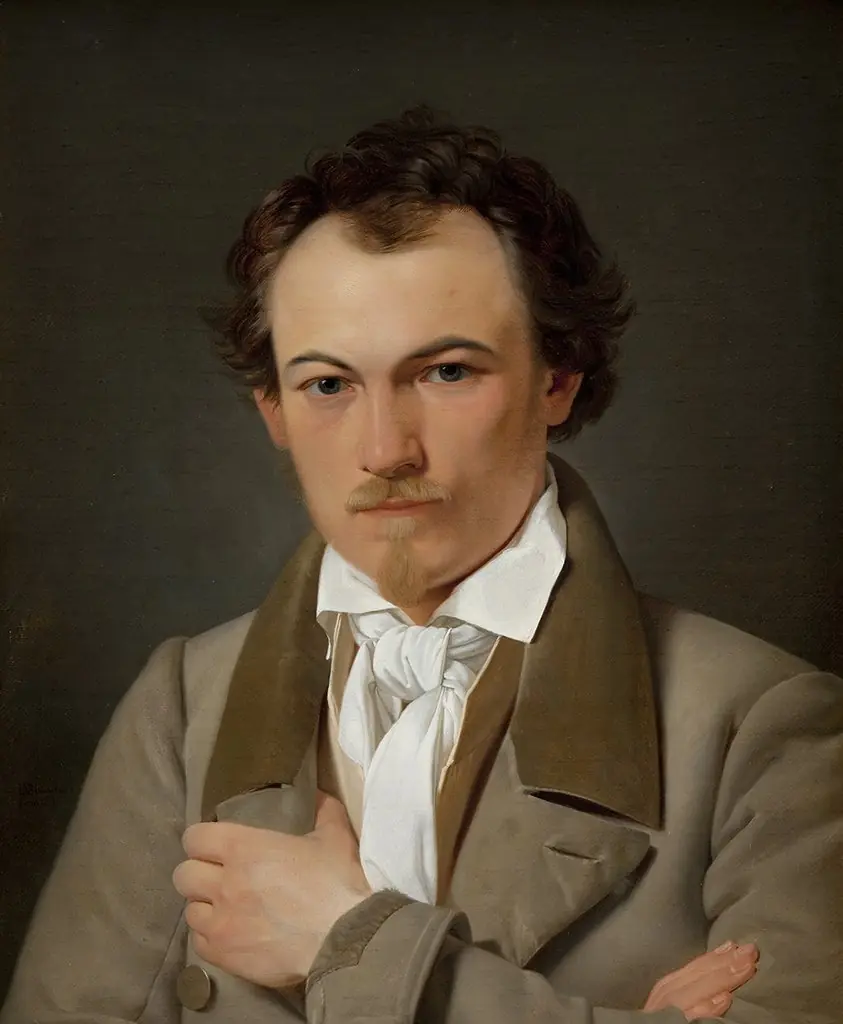 Portrait of the Scene Painter Troels Lund
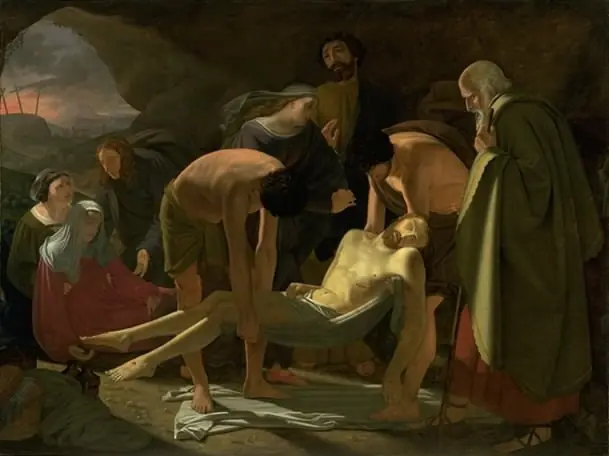 Kristi gravlæggelse
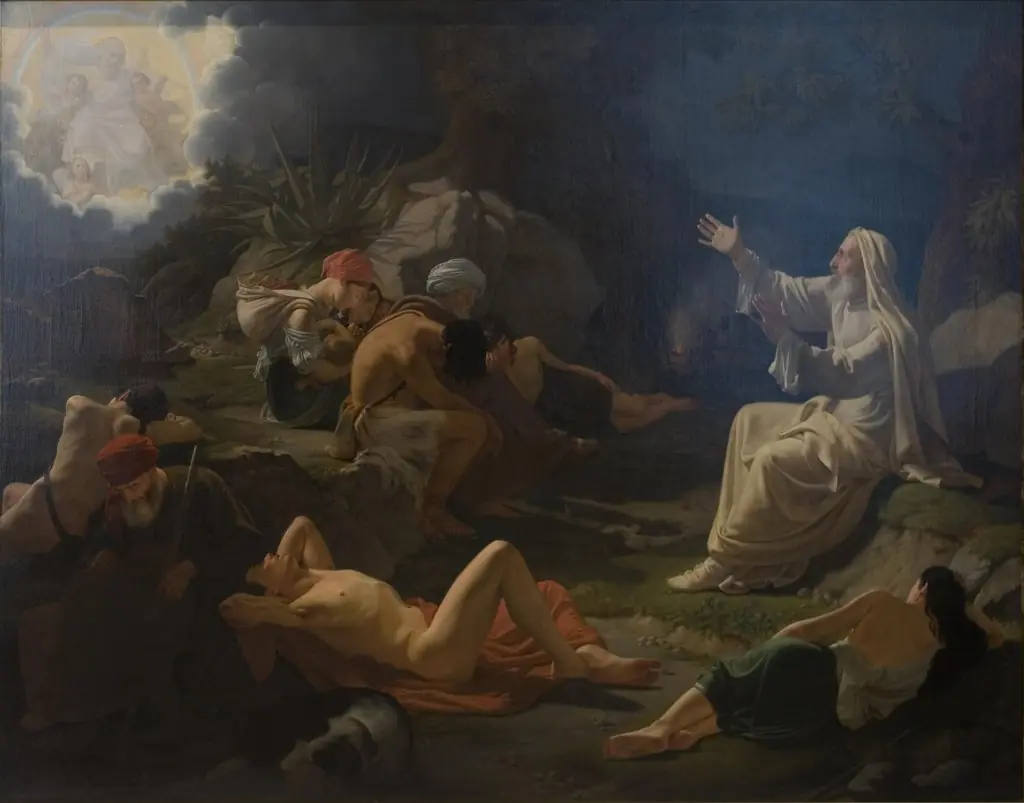 The Vision of the Prophet Ezekiel
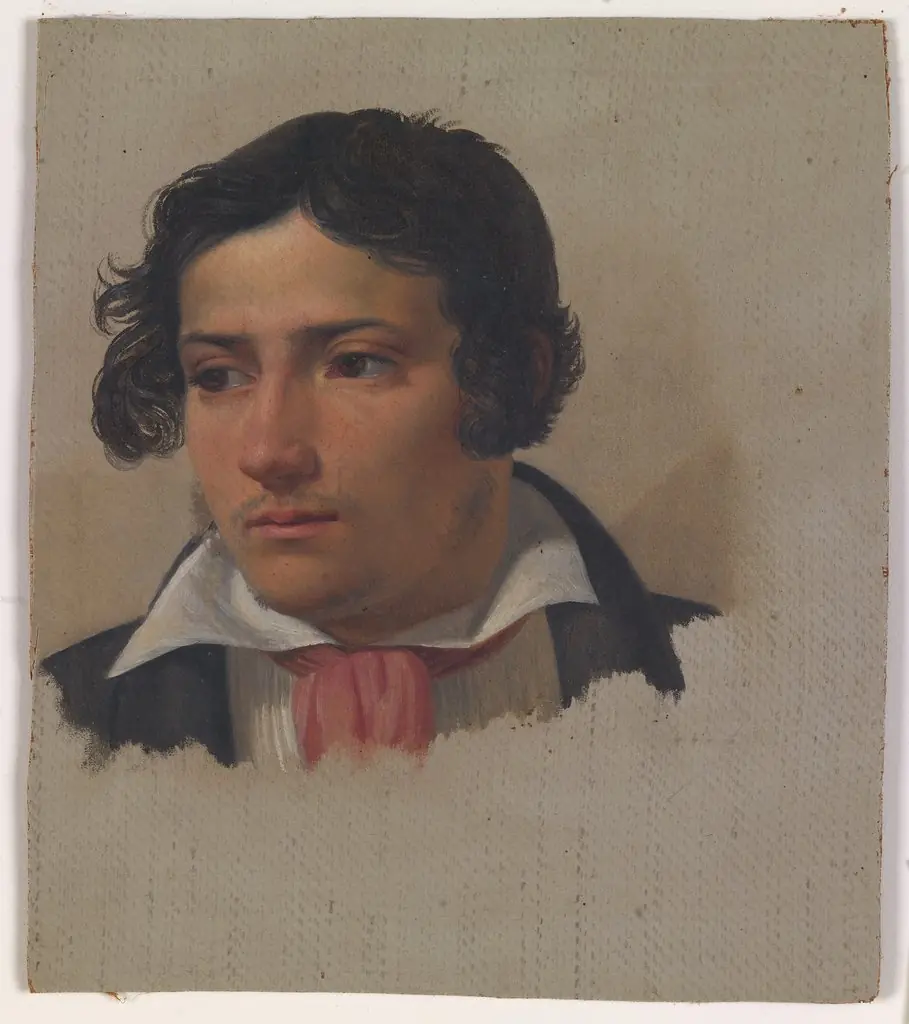 Portræt af en ung mand med rød halsklud
 Portrait of the Copperplate Engraver Carl Edvard Sonne
 Christian IV's Vision at Rothenburg Castle