Artwork
The parable of the wicked wine-growers
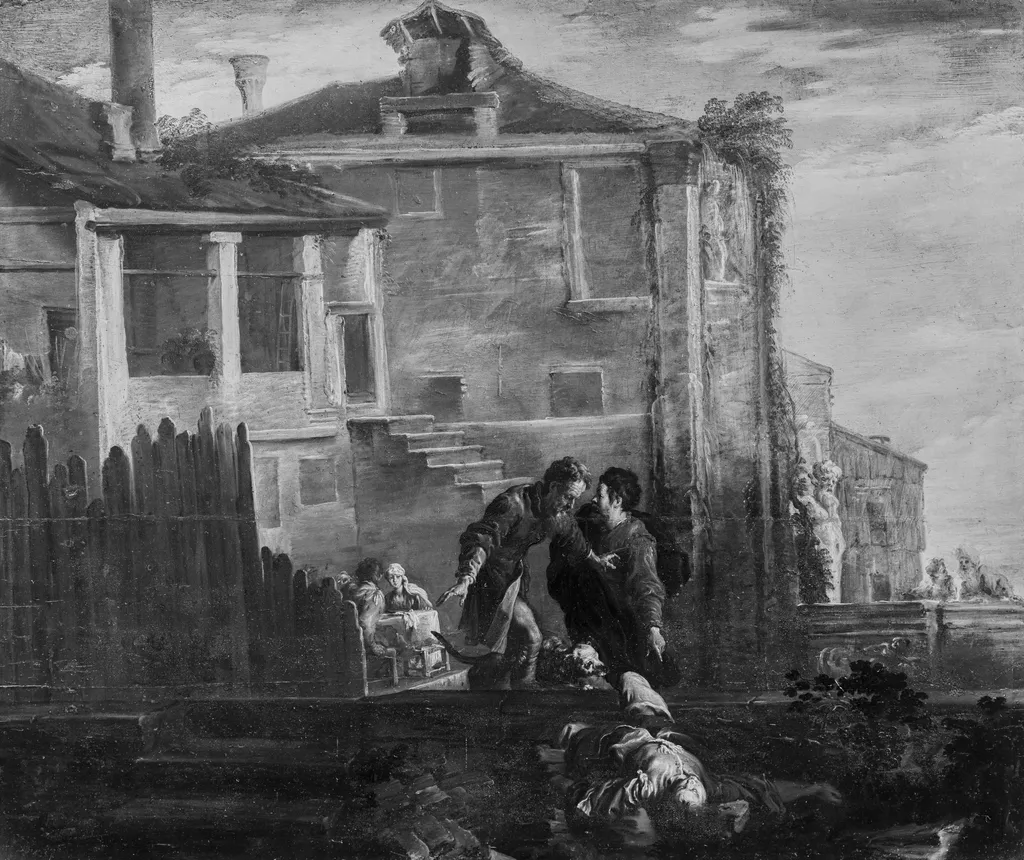
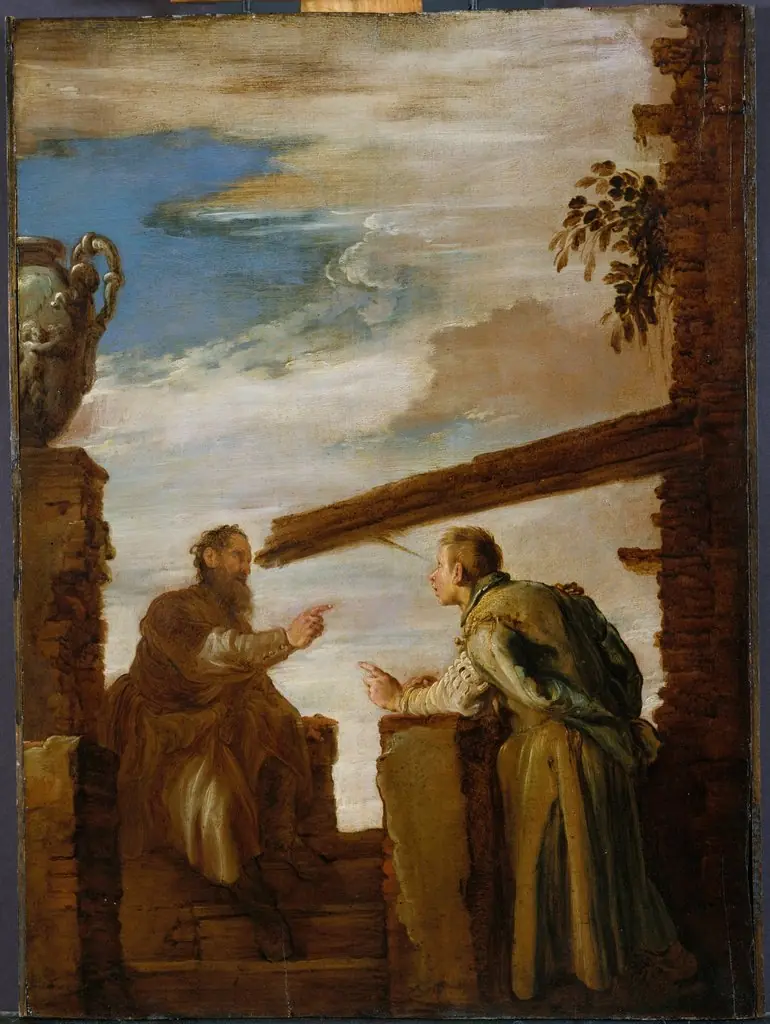
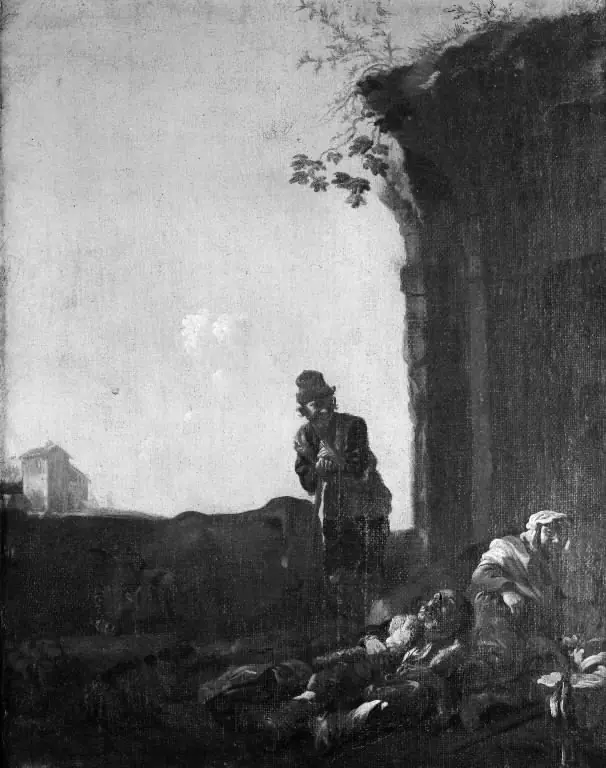
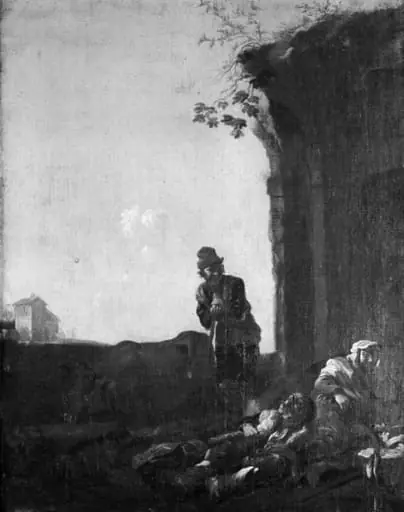
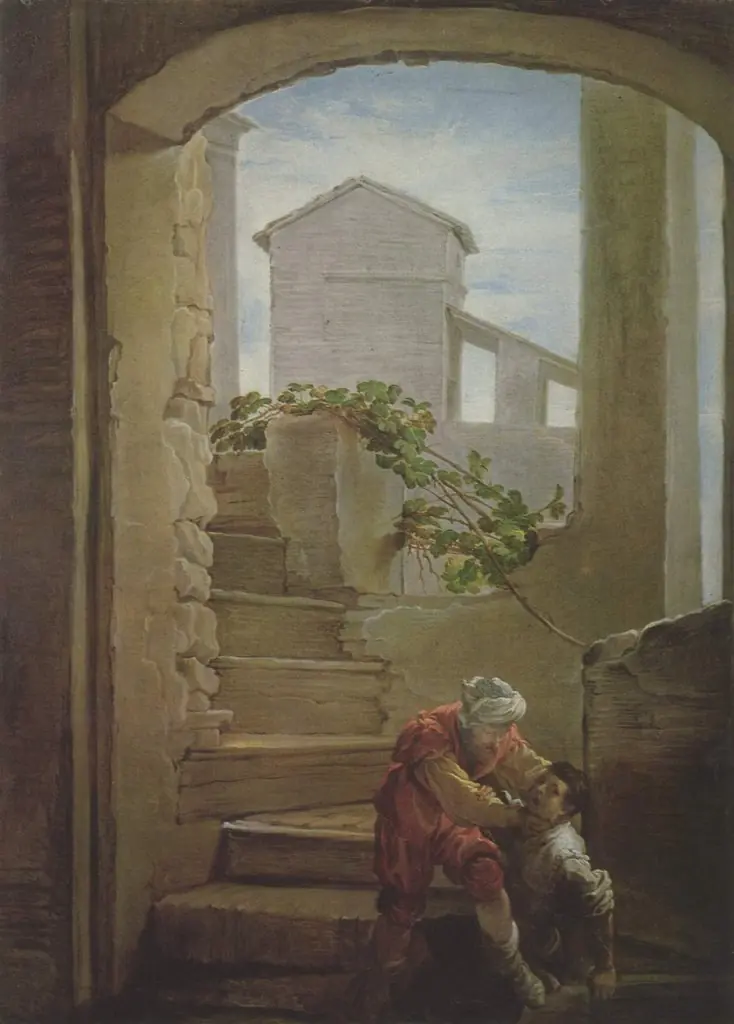
The parable of the wicked wine-growers is a paint painting by Domenico Fetti. It dates from 1616 and is held in the collection of the Gemäldegalerie Berlin.
About this work
Overview
Domenico Fetti painted this oil-on-canvas work circa 1616 during his time in Mantua, where he developed a distinctive approach to narrative painting. The scene illustrates a parable from the Gospels, rendered with psychological intensity and restrained theatricality. It resides today in the Gemäldegalerie, Berlin, as part of its early 17th-century Italian collection.
Subject & Meaning
The painting portrays the moment when tenants of a vineyard assault and kill the owner’s servants, culminating in the death of one envoy.
The painting portrays the moment when tenants of a vineyard assault and kill the owner’s servants, culminating in the death of one envoy. The building behind them symbolizes the vineyard entrusted to them, while the violent gesture toward it underscores their defiance. The parable, originally told by Jesus, warns of spiritual betrayal and impending judgment, a theme Fetti conveys through physical tension rather than overt symbolism.
Technique & Style
Fetti employs chiaroscuro to heighten the drama, with deep shadows anchoring the figures against a dimly lit architecture. The figures are rendered with naturalistic detail—wrinkled garments, tense postures, and restrained facial expressions—avoiding melodrama. The composition directs the eye diagonally from the fallen man to the looming structure, reinforcing the narrative’s moral weight through spatial tension.
History & Provenance
Commissioned likely for a private patron in Mantua, the painting entered the Berlin collection in the 19th century through the acquisition of Italian Baroque works. Its attribution to Fetti has remained consistent since its cataloging, supported by stylistic parallels with his other biblical scenes from the same period, including those in the Kunsthistorisches Museum.
Context
Painted during Fetti’s years under the patronage of the Gonzaga court, the work reflects a shift from Roman grandeur to more intimate, emotionally charged storytelling. While contemporaries like Caravaggio emphasized raw immediacy, Fetti favored psychological nuance, aligning with Mantuan tastes that valued subtlety over spectacle in religious subjects.
Legacy
Though less widely known than his Venetian peers, Fetti’s treatment of biblical narratives influenced regional painters in northern Italy. This painting exemplifies his ability to distill complex moral tales into quiet, human moments. Its preservation in Berlin ensures continued study of his role in bridging Caravaggism with the more restrained aesthetics of the early Baroque.
Own this work as a print
Artist & collection
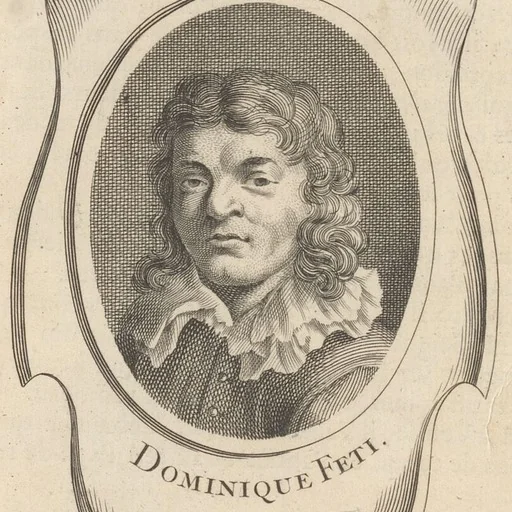
Artist
Domenico Fetti (also spelled Feti) (c. 1589 – 16 April 1623) was an Italian Baroque painter who was active mainly in Rome, Mantua and Venice.