Artwork
Parable of the Wicked Servant
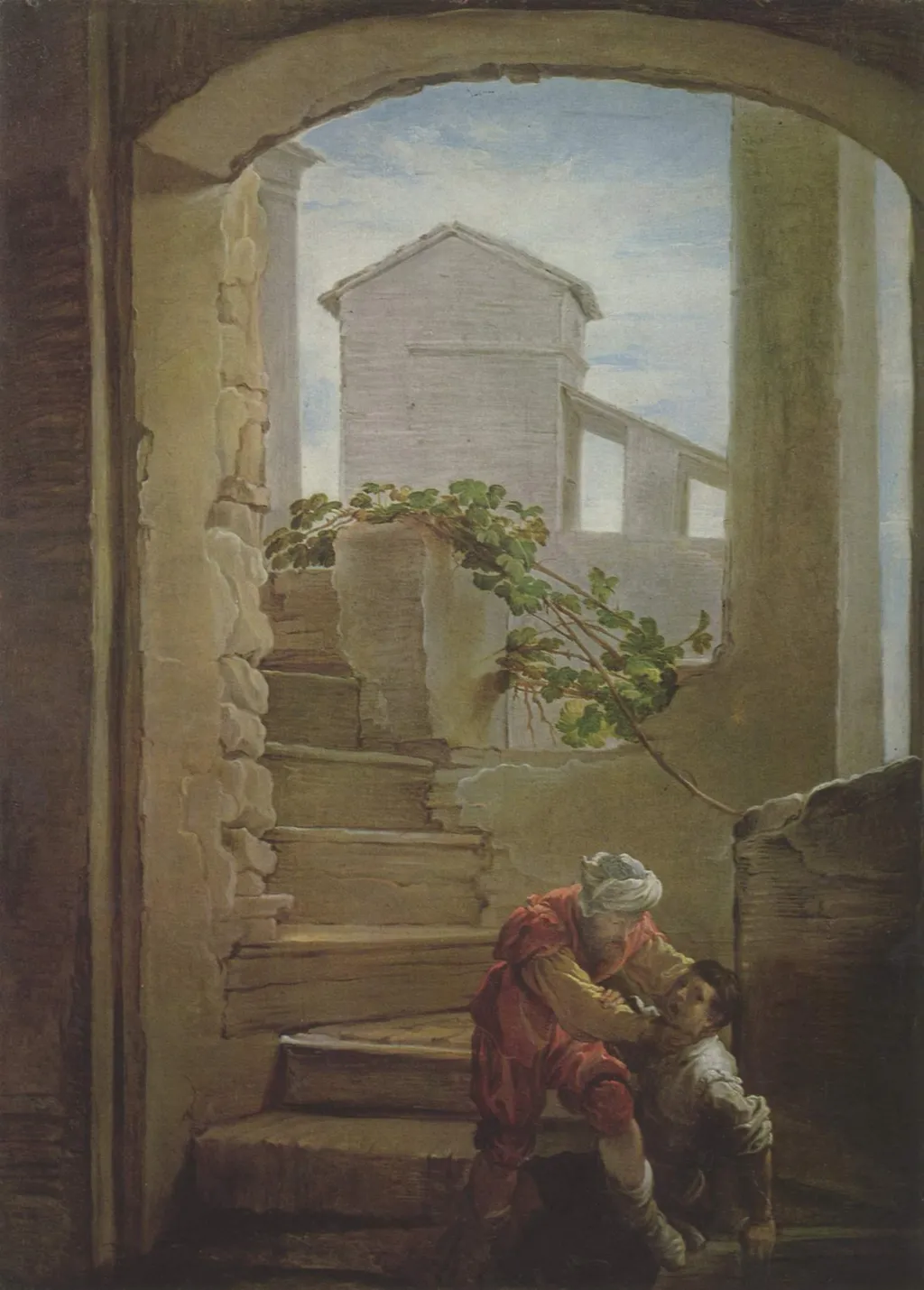
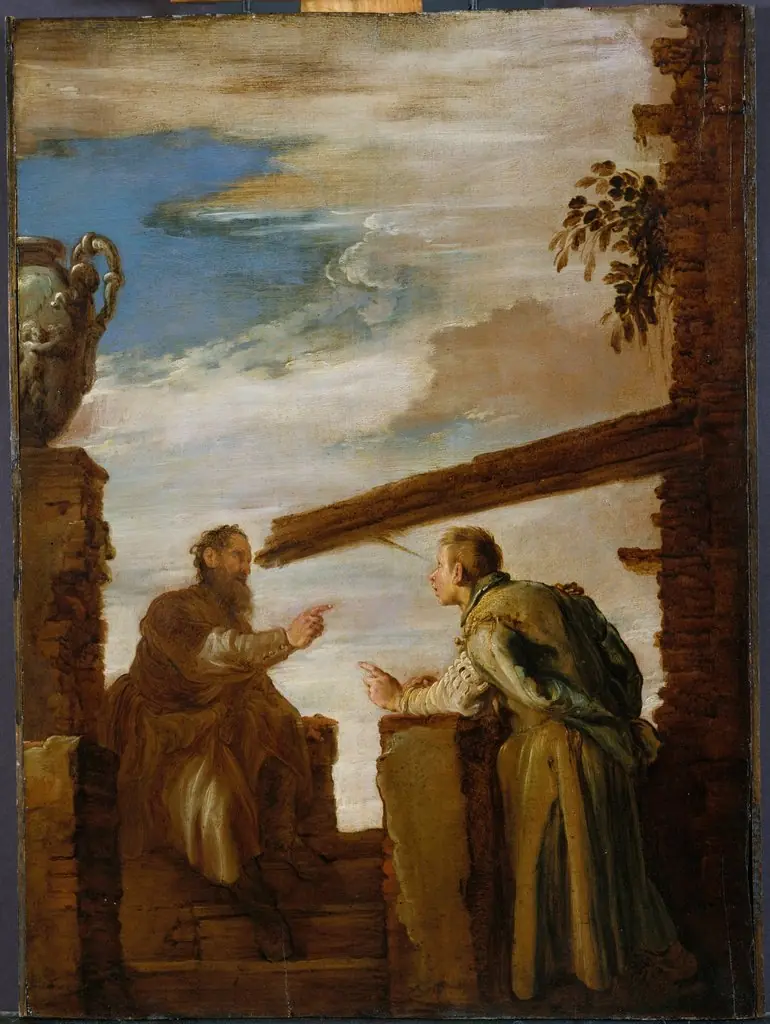
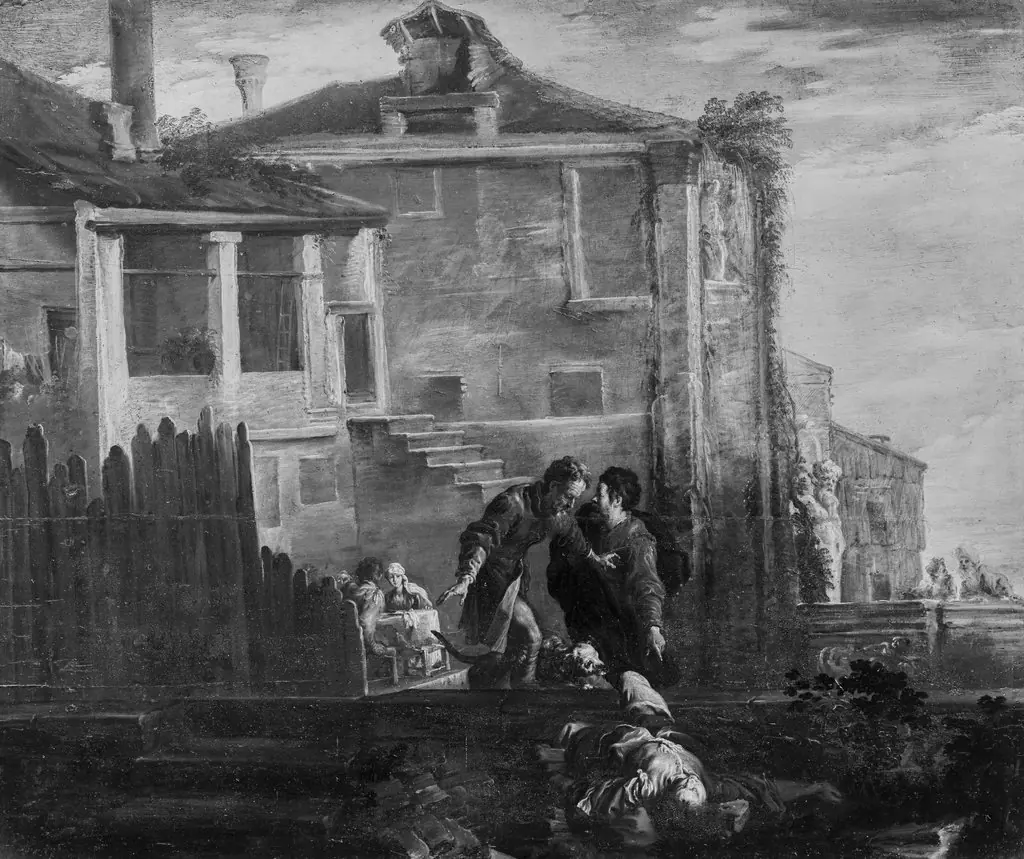
Parable of the Wicked Servant is an oil painting by the Early Baroque Italian artist Domenico Fetti. It dates from 1620 and is held in the collection of the Gemäldegalerie Alte Meister.
About this work
Overview
Its composition captures a moment of violent confrontation drawn from the Gospel of Matthew, rendered with close attention to texture and spatial depth.
Domenico Fetti painted *Parable of the Wicked Servant* in 1620 using oil on canvas. Active across northern Italian cities, Fetti brought a naturalistic intensity to religious narratives. The work is part of the Gemäldegalerie Alte Meister’s collection in Dresden. Its composition captures a moment of violent confrontation drawn from the Gospel of Matthew, rendered with close attention to texture and spatial depth.
Subject & Meaning
The scene illustrates a parable in which a servant, entrusted with authority, abuses his power and is punished. A figure in red, likely representing the master, seizes another by the throat against a stone wall. The gesture conveys retribution, while the setting—a threshold between interior and exterior—suggests moral transition. The plant growing from the wall hints at resilience or divine presence amid human cruelty.
Technique & Style
Fetti employed chiaroscuro to model forms with dramatic light and shadow, enhancing the emotional weight of the confrontation. Textures of fabric, stone, and skin are rendered with precise observation, reflecting his training in Venetian colorism and Roman naturalism. The arched doorway and receding steps create a shallow but convincing space, grounding the figures in a tangible environment.
History & Provenance
Painted during Fetti’s time in Mantua, the work entered the Saxon royal collection in the 18th century and remains in the Gemäldegalerie Alte Meister. Its early 17th-century origin places it among Fetti’s most psychologically charged religious works. No significant alterations or restorations are documented, preserving its original tonal balance and detail.
Context
In early 17th-century Italy, biblical narratives were frequently depicted to align with Counter-Reformation ideals of moral clarity and emotional engagement. Fetti’s approach, blending Caravaggisti lighting with Venetian sensitivity, offered a distinct regional variation. This painting reflects a broader trend toward intimate, humanized portrayals of sacred stories, moving away from idealized grandeur.
Legacy
Though less widely known than his contemporaries, Fetti’s treatment of psychological tension in religious subjects influenced later northern Italian painters. *Parable of the Wicked Servant* exemplifies his ability to fuse narrative immediacy with technical precision. The work remains a quiet but potent example of Baroque storytelling grounded in human behavior rather than spectacle.
Artist & collection
Artist
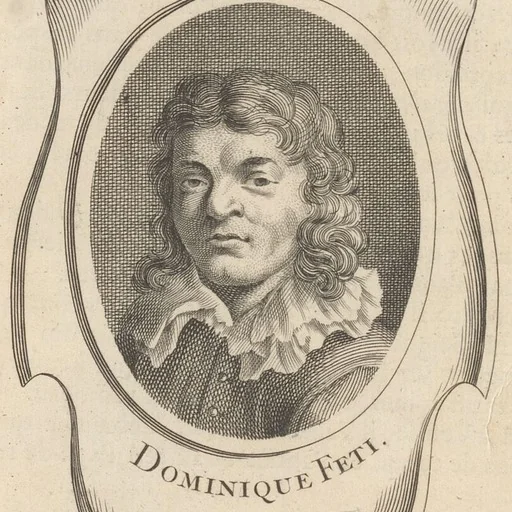
Domenico Fetti (also spelled Feti) (c. 1589 – 16 April 1623) was an Italian Baroque painter who was active mainly in Rome, Mantua and Venice.

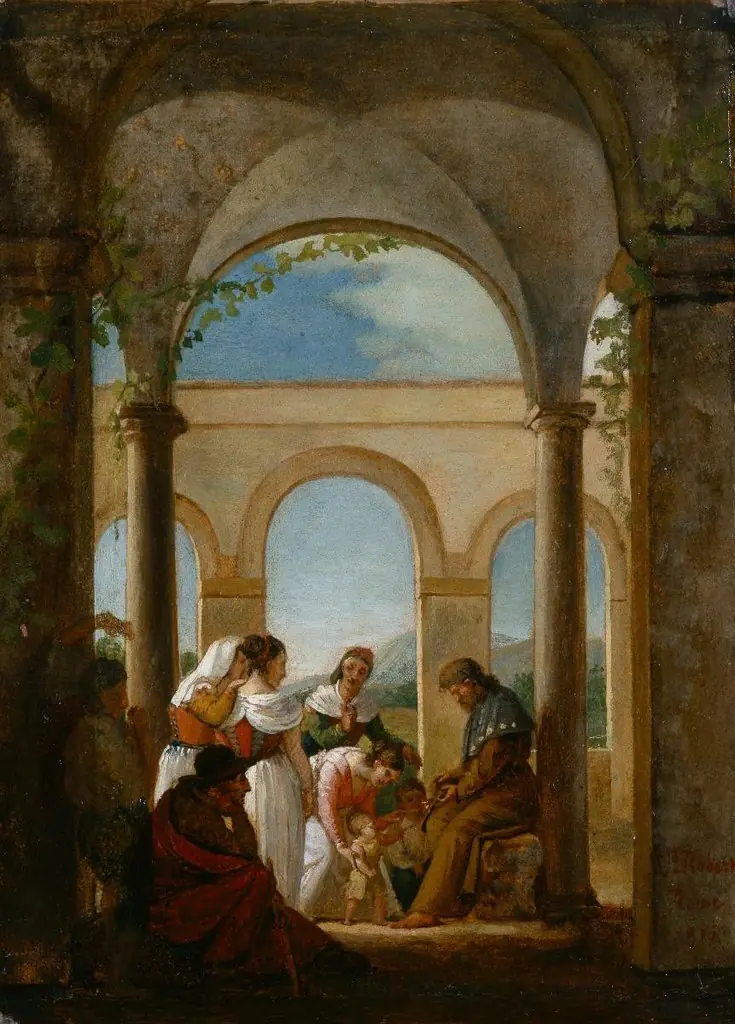 Frauen und Kinder vor einem Pilger in einem Portikus
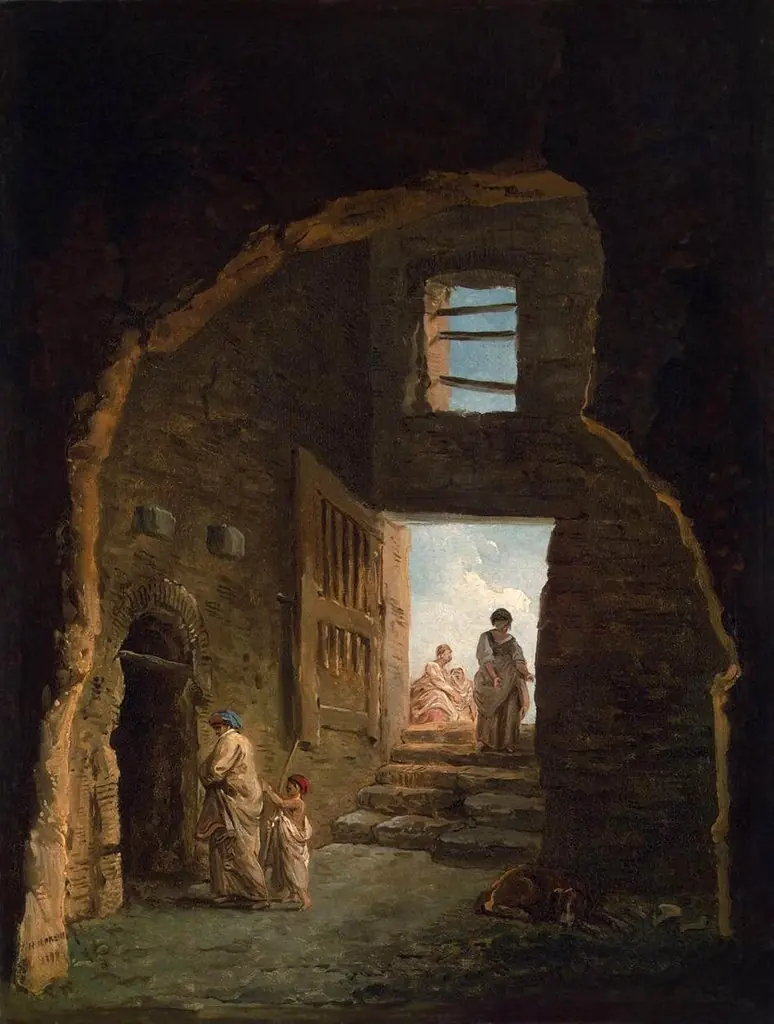 Inhabited Ruins
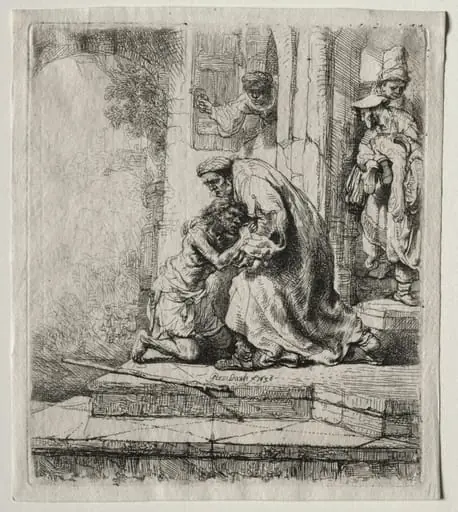 Return of the Prodigal Son
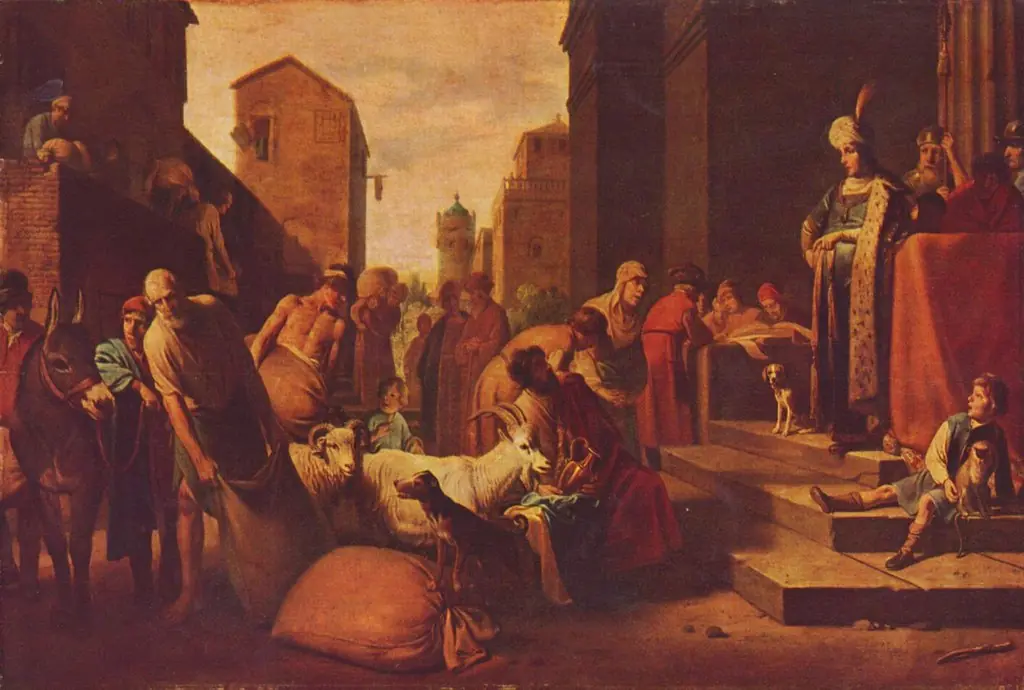 Joseph Selling Grain in Egypt
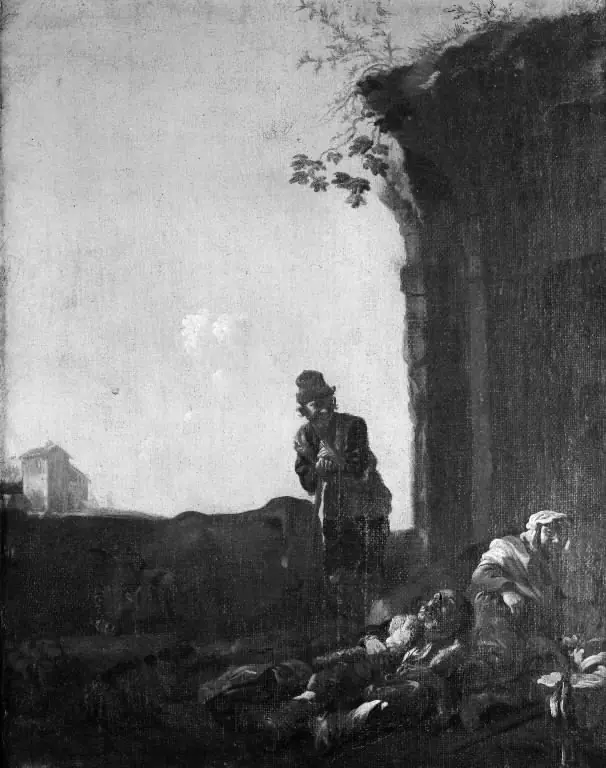 Italian Peasants
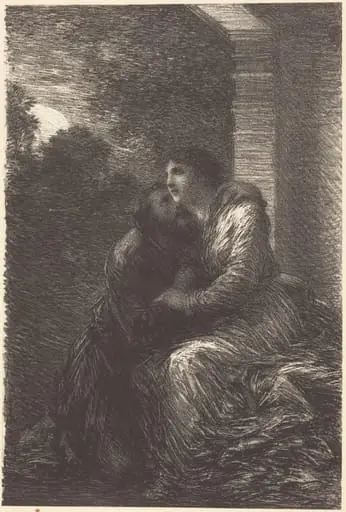 Love Scene from Act III of "Lohengrin"
 The Poor at the Fountain
 Istoria desenului
 The Blind Beggar
 My Models – Triptych (Right Part)
 Maternal Precaution
 The parable of the wicked wine-growers