Artwork
Wedding feast of Grand Duke Ferdinand I of Tuscany (1549-1609)
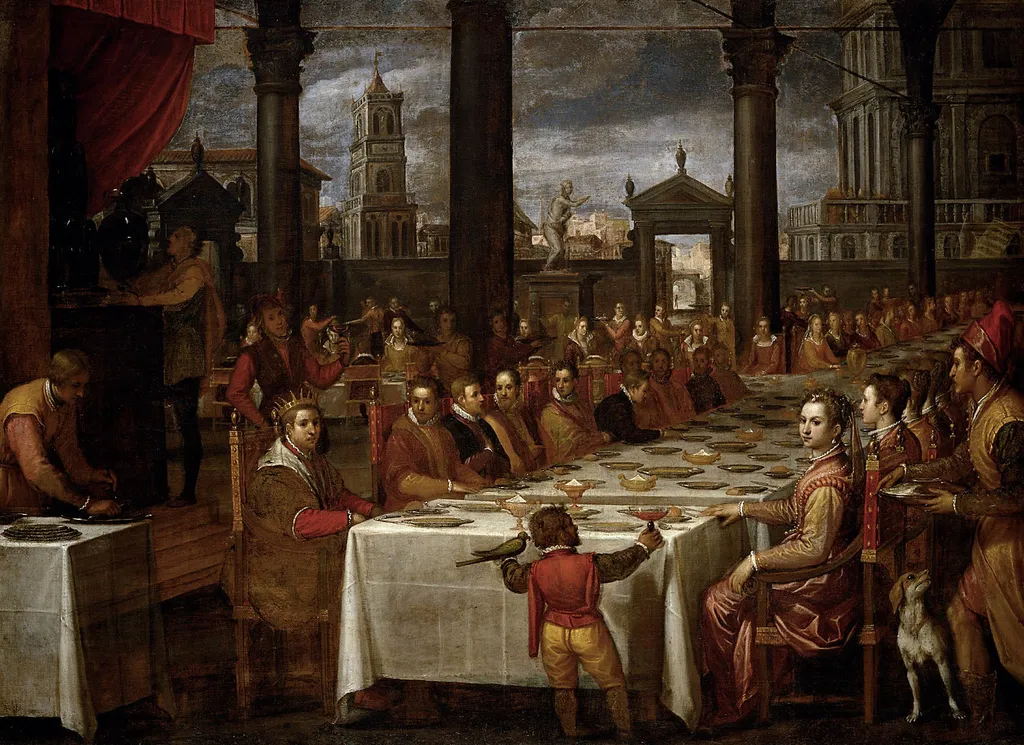
Wedding feast of Grand Duke Ferdinand I of Tuscany (1549-1609) is an unspecified painting by the Early Baroque Italian artist Domenico Passignano. It dates from 1596 and is held in the collection of the Kunsthistorisches Museum.
About this work
Overview
Domenico Passignano’s large oil on canvas, painted in 1596, records the wedding banquet of Grand Duke Ferdinand I of Tuscany and Christine of Lorraine. The composition centers on an elongated table brimming with food, set within an expansive hall framed by columns and a lofty ceiling. The work is part of the Kunsthistorisches Museum’s holdings in Vienna.
Subject & Meaning
The scene captures the celebratory atmosphere of the 1589 nuptials that united the Medici ruler with the French duchess. Attendees in formal dress—men in hats, women in richly detailed gowns—are shown conversing, laughing, and partaking in the feast, emphasizing the political and social significance of the alliance.
Technique & Style
Executed in the late‑Renaissance Counter‑Mannerist idiom, the painting employs a dynamic arrangement of figures and a heightened sense of realism characteristic of early Baroque Italy. Passignano’s handling of light on the sumptuous textiles and gleaming silverware enhances the three‑dimensionality of the interior space.
History & Provenance
Created shortly after the marriage, the work was likely intended as a commemorative record for the Medici court. It entered the Austrian imperial collection in the 18th century and has remained in the Kunsthistorisches Museum, where it is displayed among other European historical paintings.
Context
The banquet reflects the opulence of late‑16th‑century Tuscan court culture, where grand spectacles reinforced dynastic prestige. The marriage itself linked the Medici dynasty to French nobility, a political move that the painting visually celebrates through its lavish setting and abundant detail.
Artist & collection
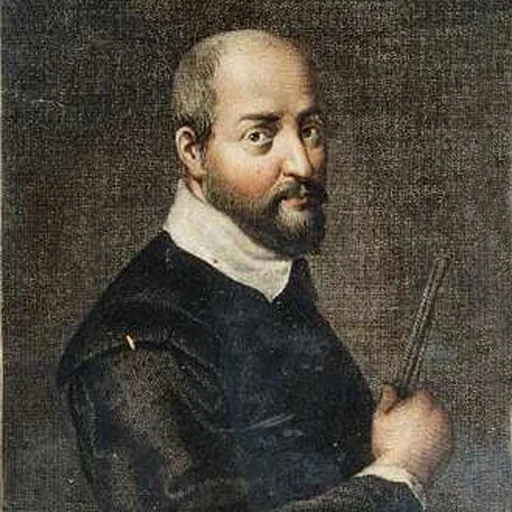
Artist
Domenico Passignano (1559 – 17 May 1638), born Domenico Cresti or Crespi, was an Italian painter of a late-Renaissance or Counter-Maniera (Counter-Mannerism) style that emerged in Florence towards the end of the 16th century.

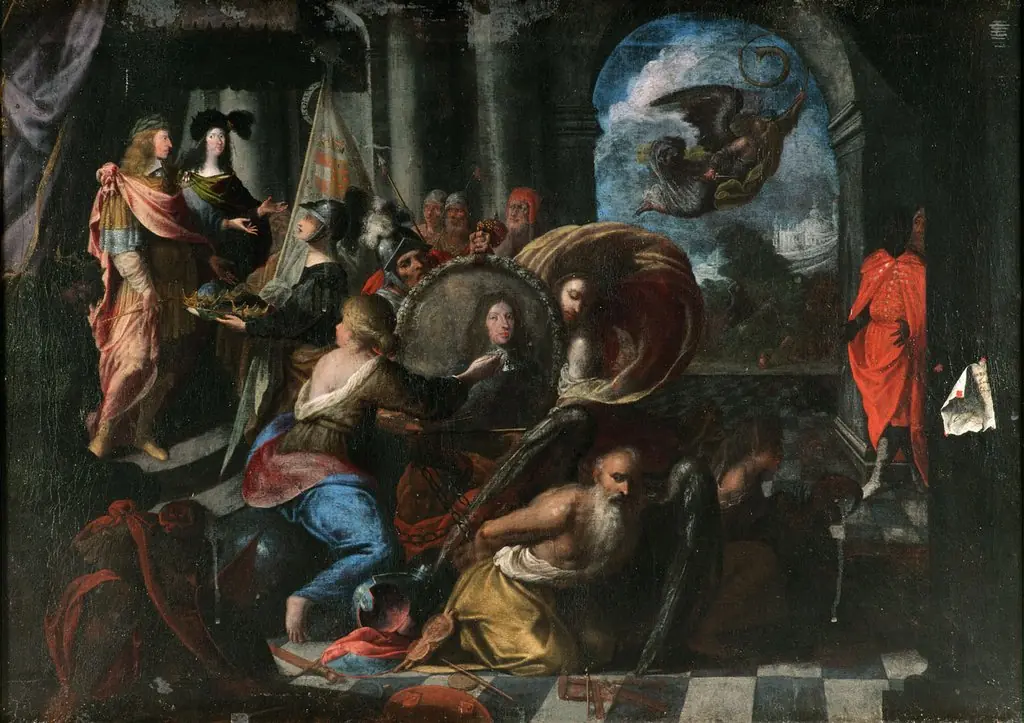 Allegory of the wedding of Archduke Ferdinand Karl and Anna de' Medici
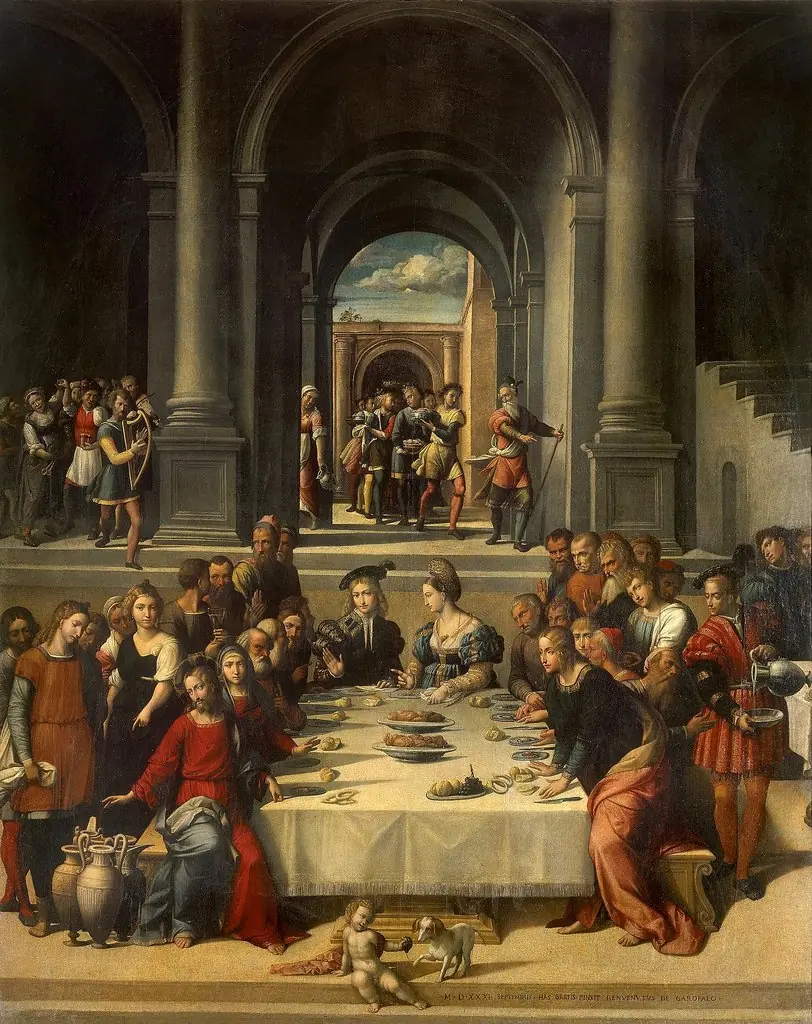 Marriage at Cana
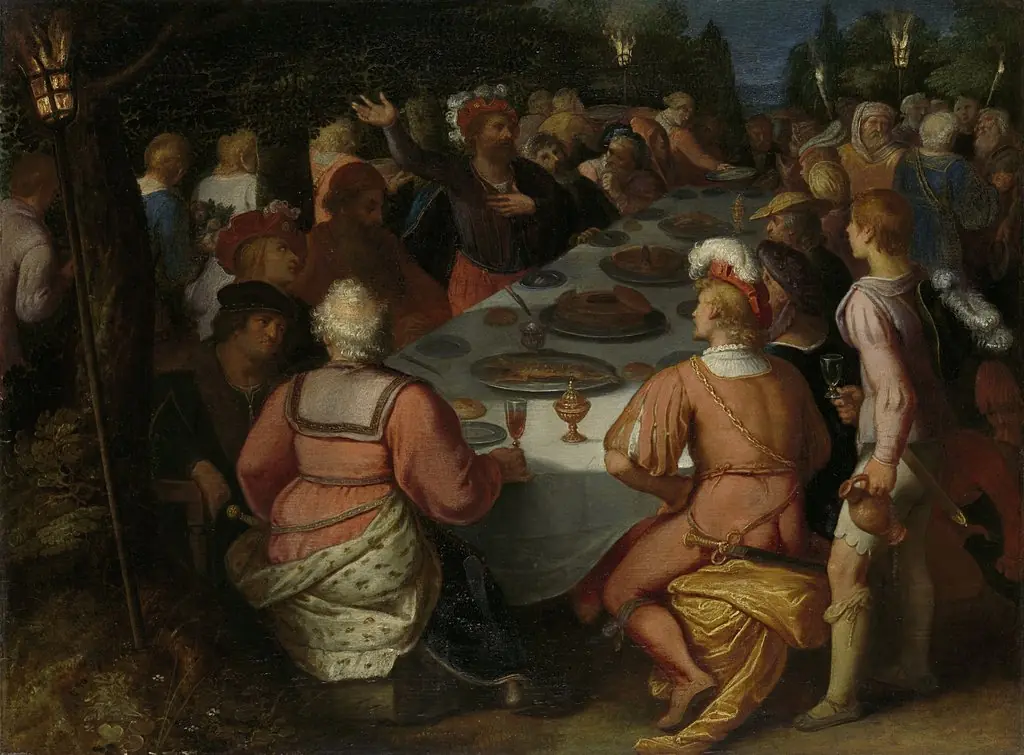 The Conspiracy of Claudius Civilis and the Batavians in the Schakerbos
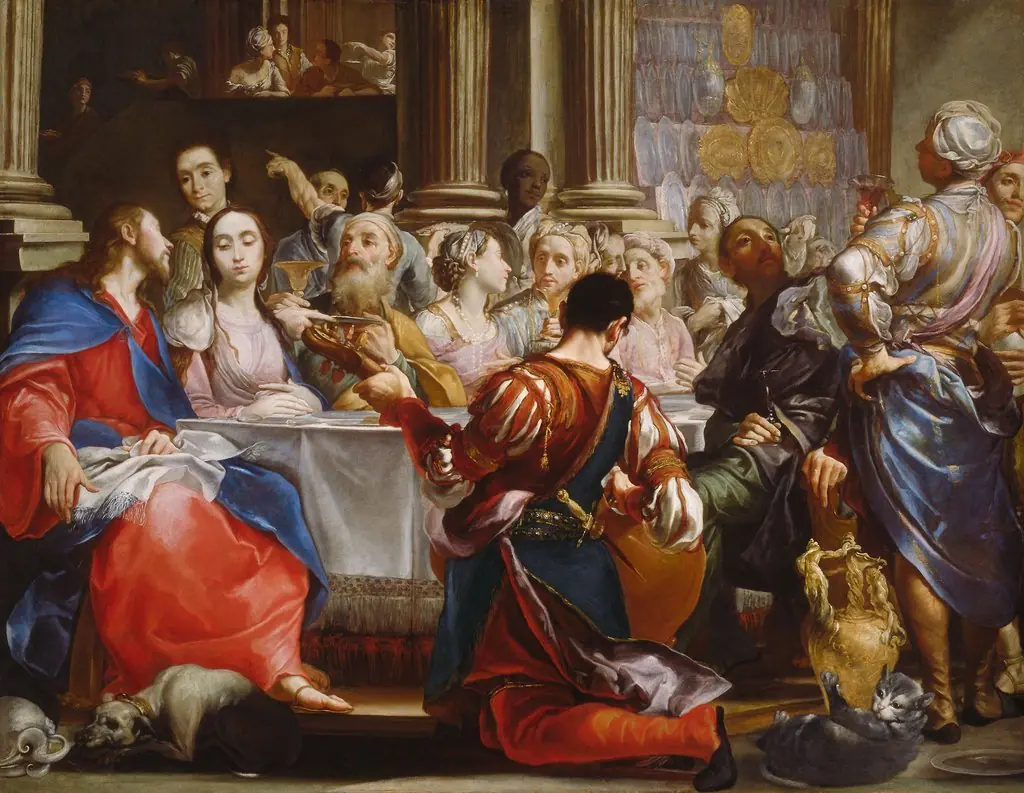 The Wedding at Cana
 The Wedding at Cana
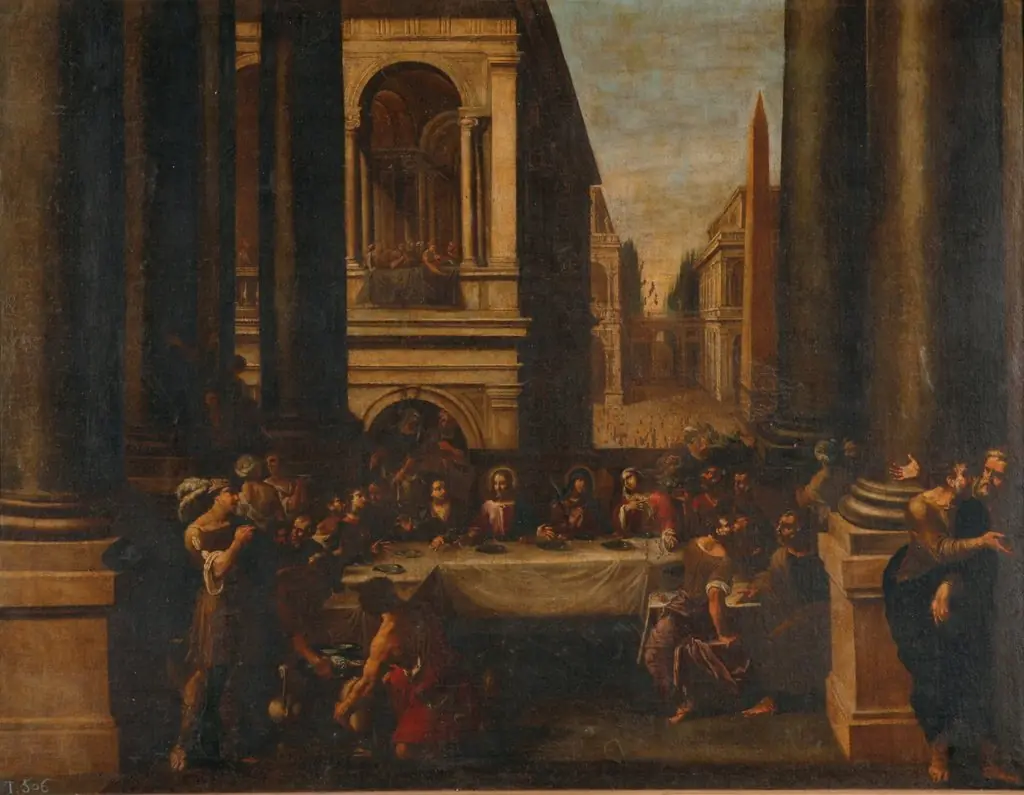 The marriage at Cana
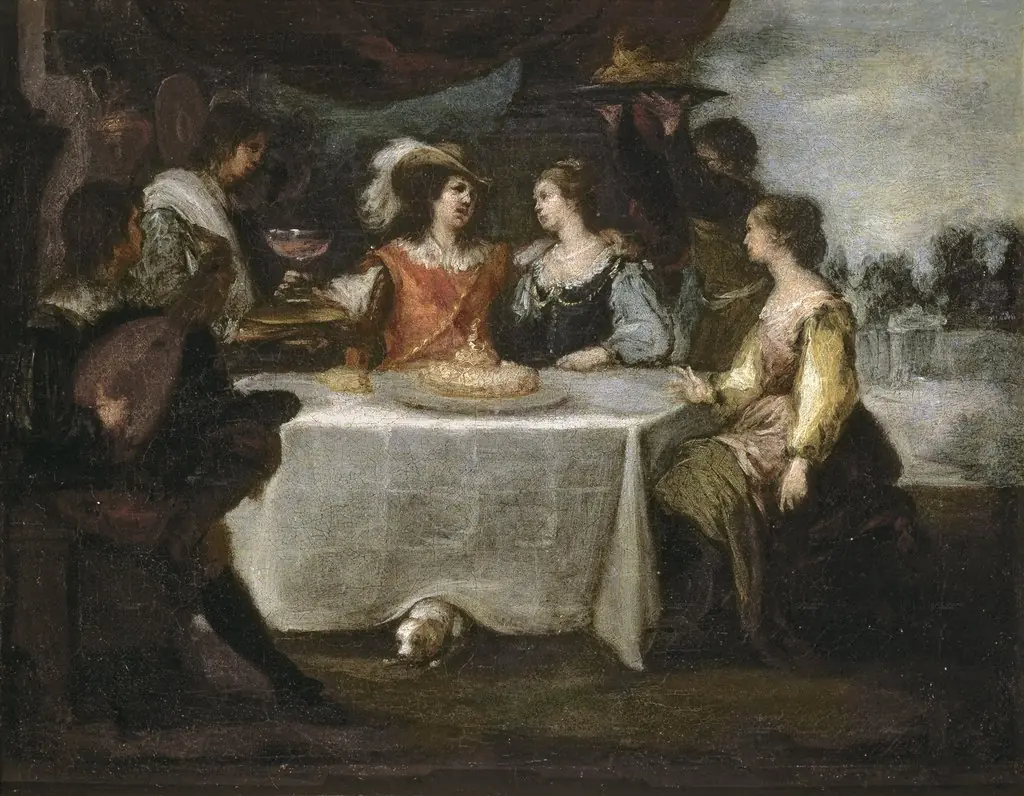 The Prodigal Son squandering his Inheritance
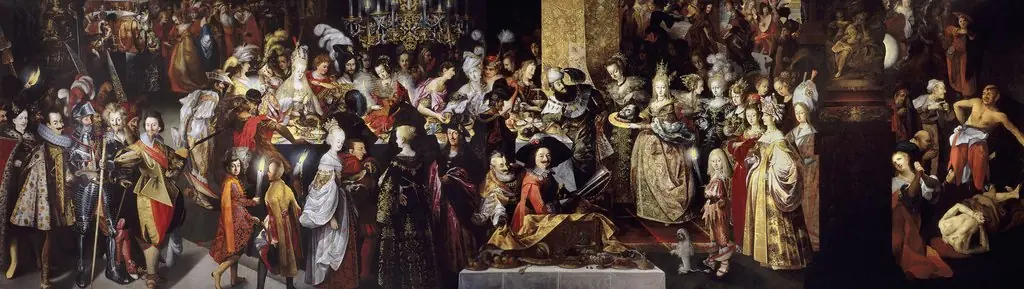 Feast of Herod with the Beheading of St John the Baptist
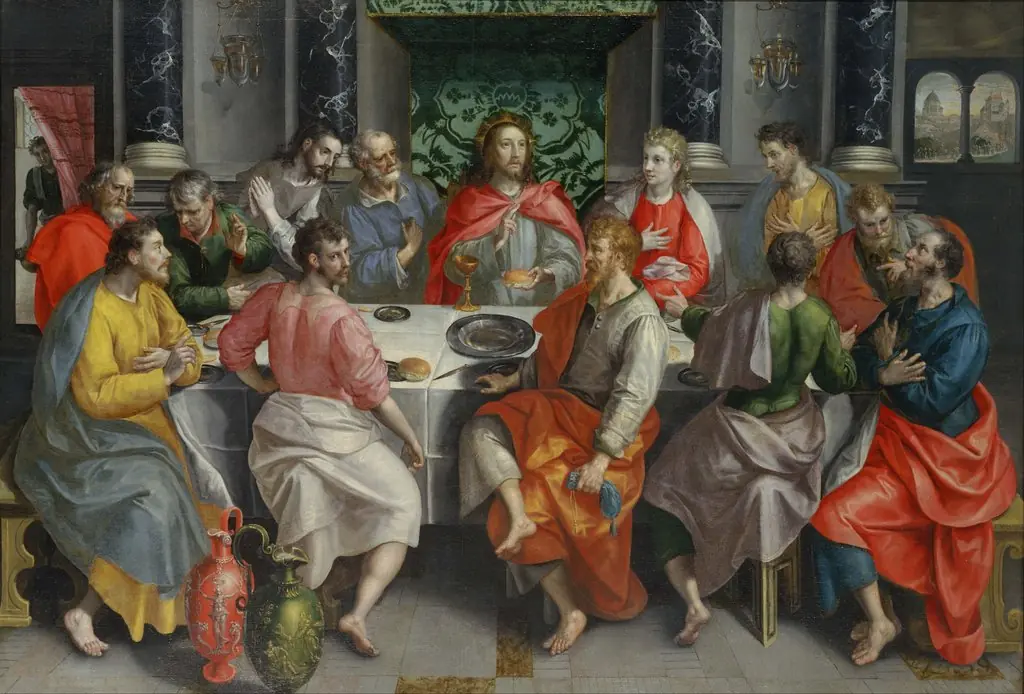 The Last Supper
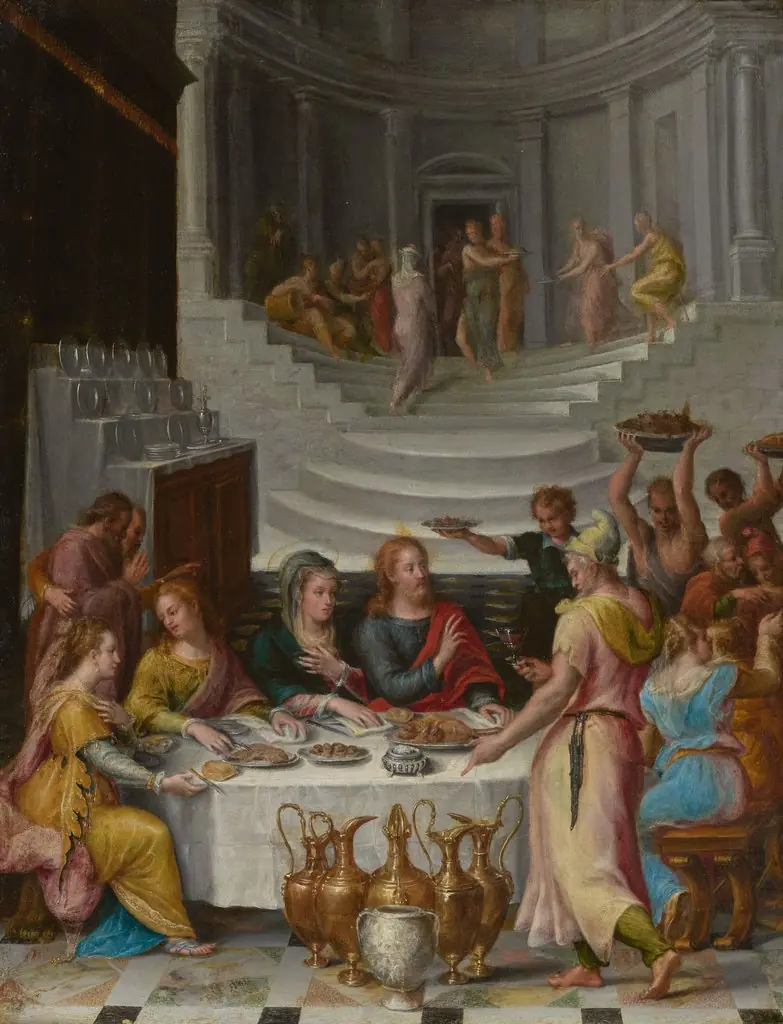 The Wedding Feast at Cana
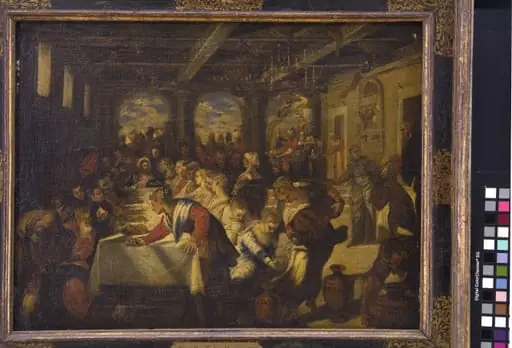 The Marriage at Cana
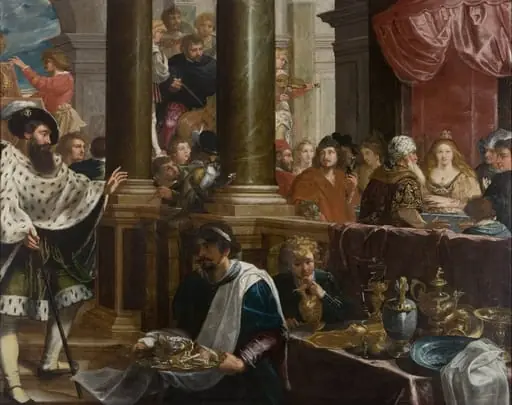 A Feast