Artwork
Portrait of a Man (Francesco Bassano?)
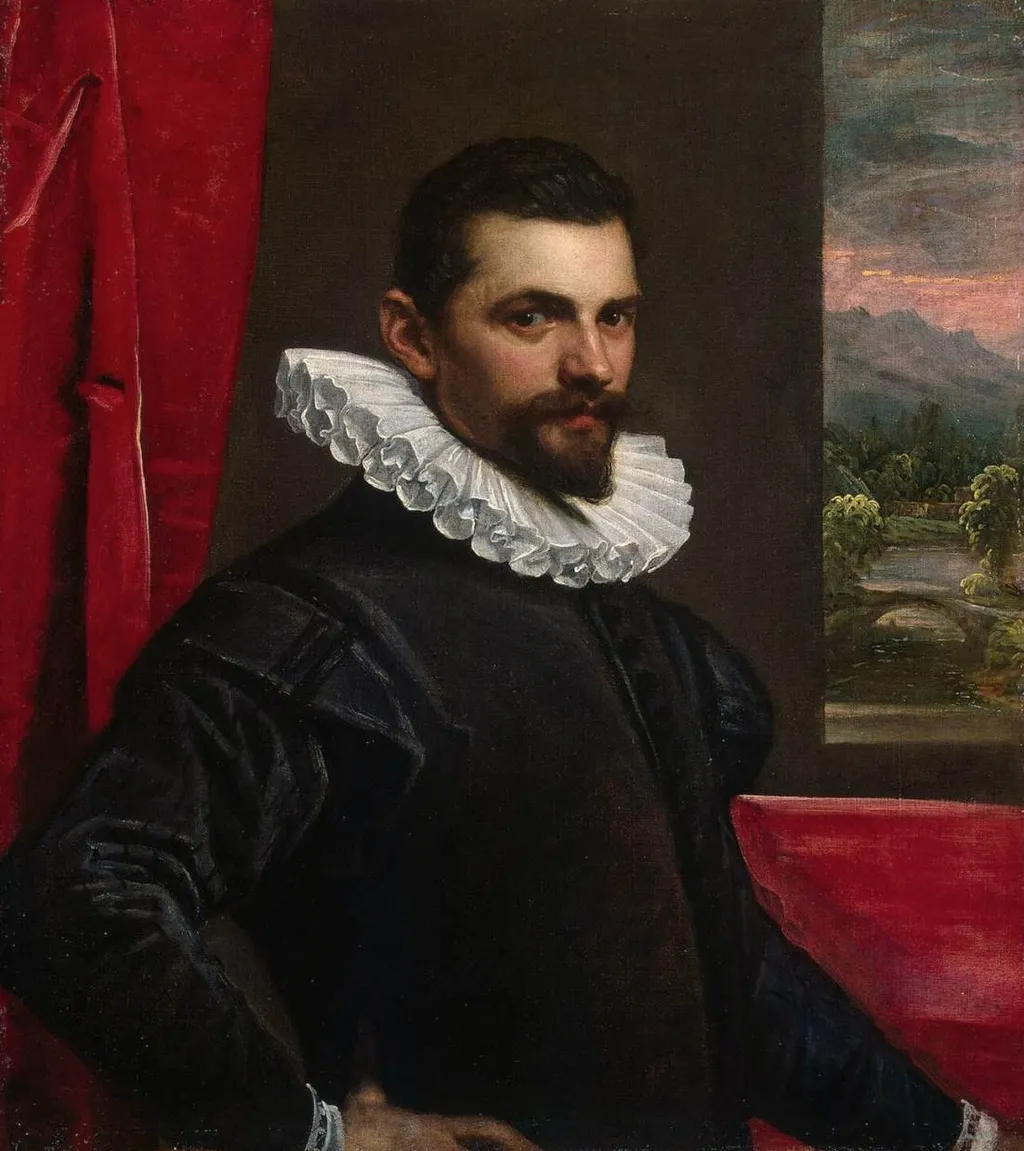
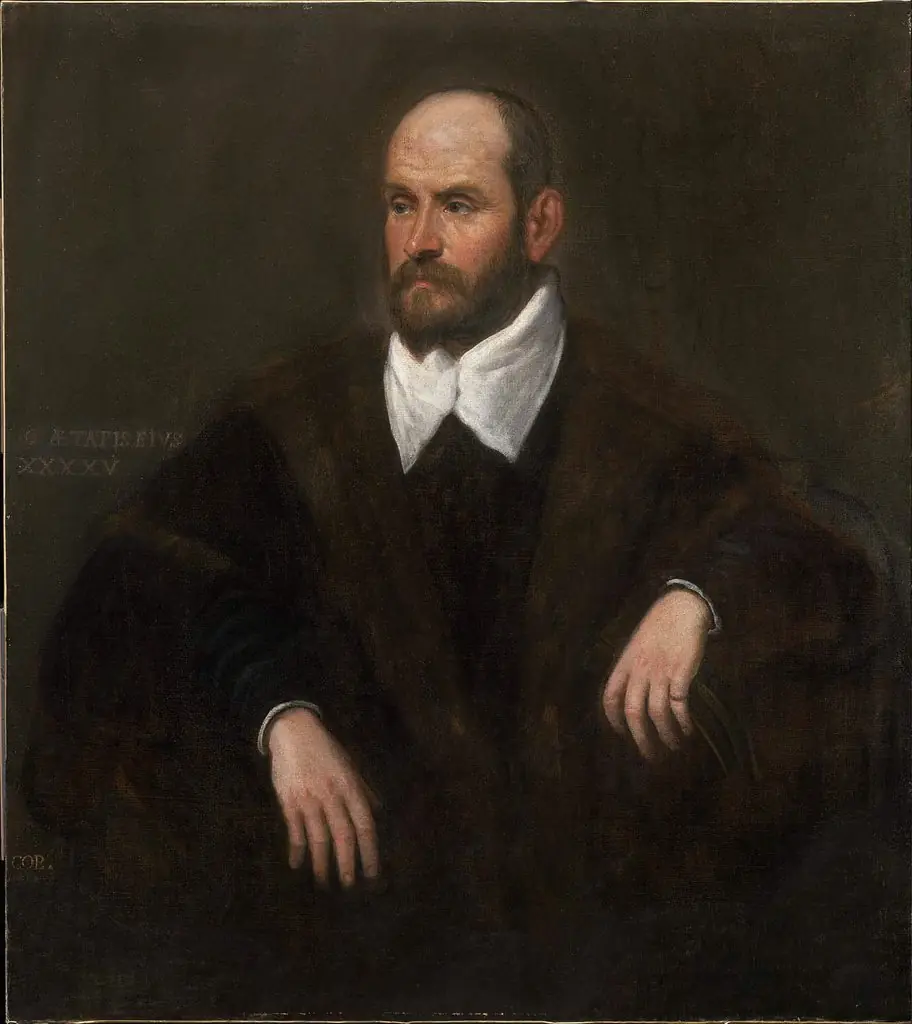
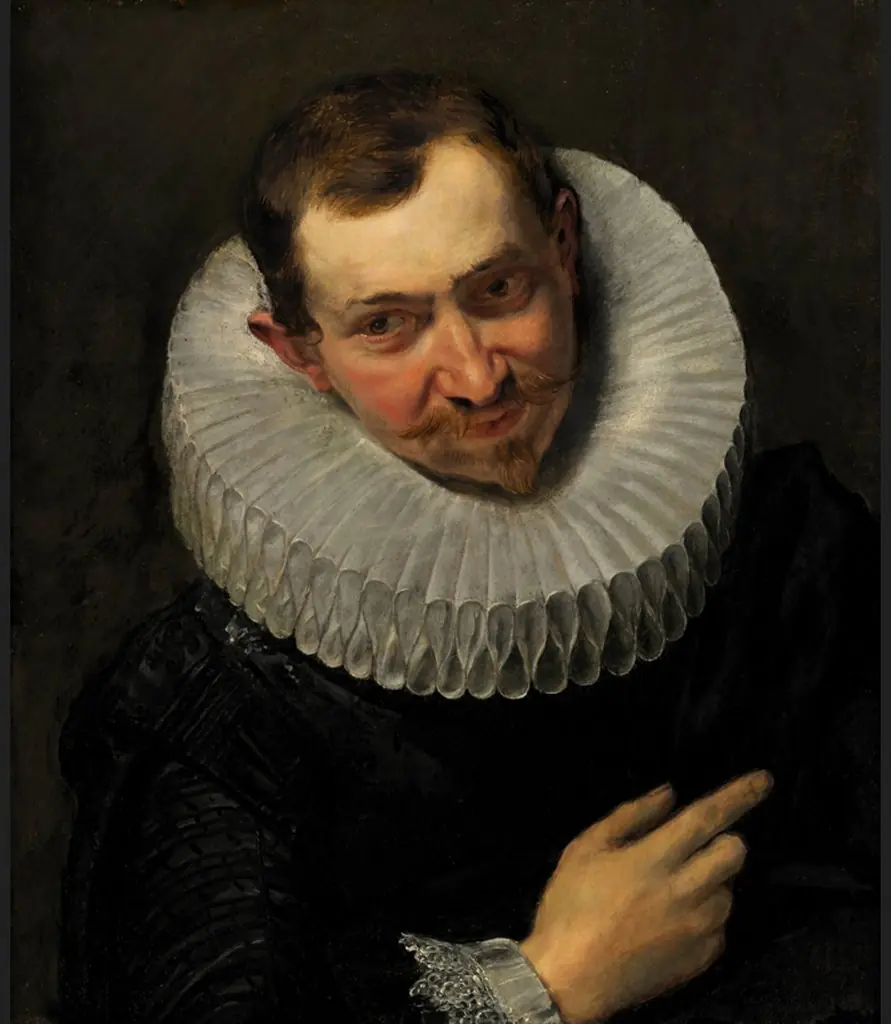
Portrait of a Man (Francesco Bassano?) is an oil painting by the Mannerist artist Domenico Tintoretto. It dates from 1594 and is held in the collection of the Hermitage Museum.
About this work
Overview
Domenico Tintoretto's Portrait of a Man, dated 1594, is a formal oil-on-canvas work that exemplifies the late Venetian Mannerist style.
Domenico Tintoretto's Portrait of a Man, dated 1594, is a formal oil-on-canvas work that exemplifies the late Venetian Mannerist style. The composition centers on a bearded male figure seated in a three-quarter view, dressed in a somber black doublet and hose, accented by a white, ruffled collar. The subject's posture is dignified; his left hand rests on the arm of a wooden chair, while his right hand is placed upon a red cushion, adding a focal point of color against the dark attire. Behind the sitter, a heavy red curtain is drawn aside to reveal a small landscape painting depicting trees and water, a motif often used in Venetian portraiture to suggest the sitter's worldly connections or refined taste. Tintoretto employs a dramatic interplay of light and shadow, illuminating the face and hands to convey psychological presence while allowing the background to recede into darkness. Created during the height of the artist's career, this work reflects the influence of his father, Jacopo Tintoretto, particularly in the dynamic handling of light and the integration of the figure with the surrounding space. The painting stands as a significant example of late 16th-century Venetian portraiture, balancing aristocratic formality with the expressive brushwork characteristic of the Tintoretto workshop.
Subject & Meaning
The sitter appears to be a member of the Venetian elite, suggested by his refined attire and the careful rendering of his features. The inclusion of a small landscape within the backdrop may allude to personal interests or status, offering a subtle narrative element that balances the portrait’s formal presentation with a hint of private contemplation.
Technique & Style
Tintoretto employs a pronounced chiaroscuro, allowing the illuminated plane of the man’s face to emerge from a deep, shadowed background. This contrast heightens the three‑dimensionality of the figure and underscores the tactile qualities of the fabrics. The brushwork combines smooth modeling of the skin with more expressive handling of the drapery, reflecting the artist’s synthesis of Venetian colorism and dramatic lighting.
History & Provenance
Created in the late sixteenth century, the painting entered the collection of the State Hermitage Museum, where it remains on display. Its attribution to Domenico Tintoretto, son of the renowned Jacopo Tintoretto, has been affirmed through stylistic analysis and archival records, situating the work within the artist’s mature period of portraiture.
Artist & collection

Artist
Domenico Robusti, also known as Domenico Tintoretto, was an Italian painter from Venice. He grew up under the tutelage of his father, the renowned painter Jacopo Tintoretto.

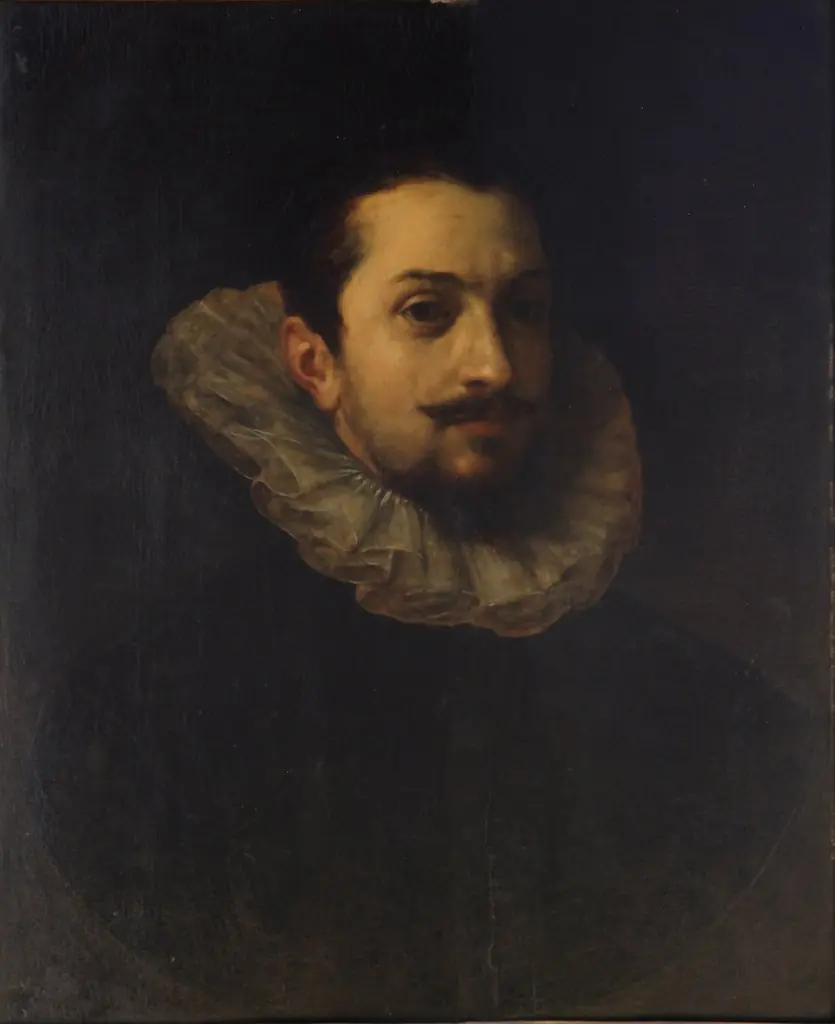 Portrait of a man
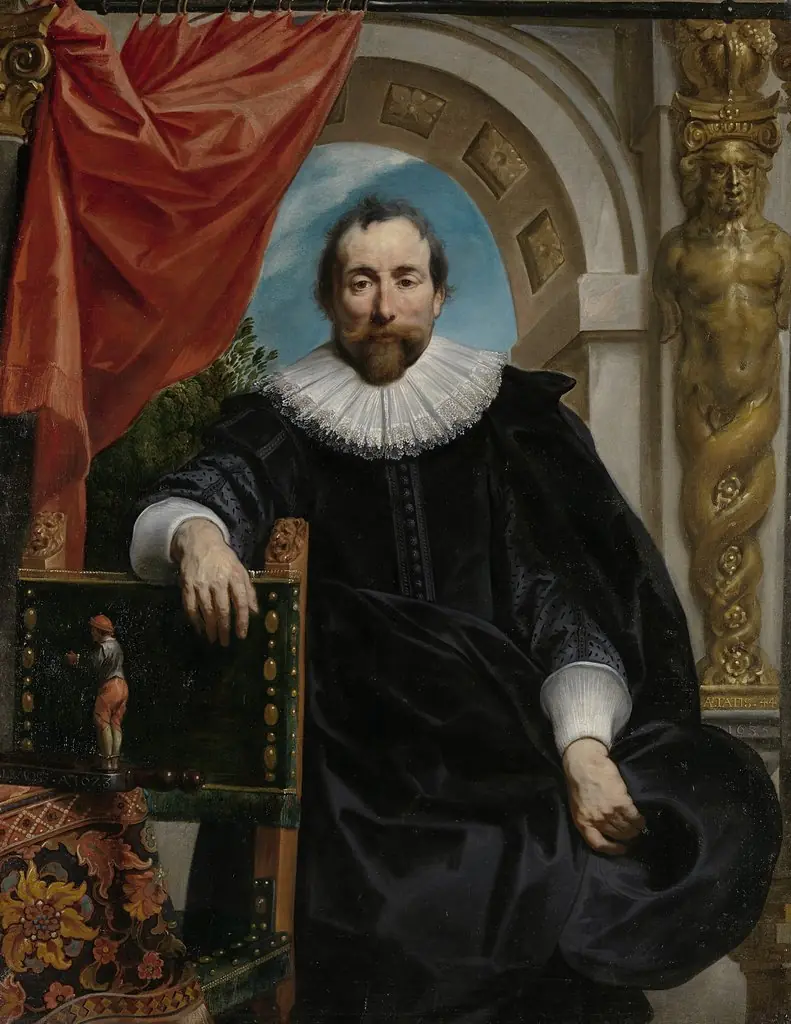 Portrait of Rogier Le Witer (1591-1678), Merchant in Antwerp
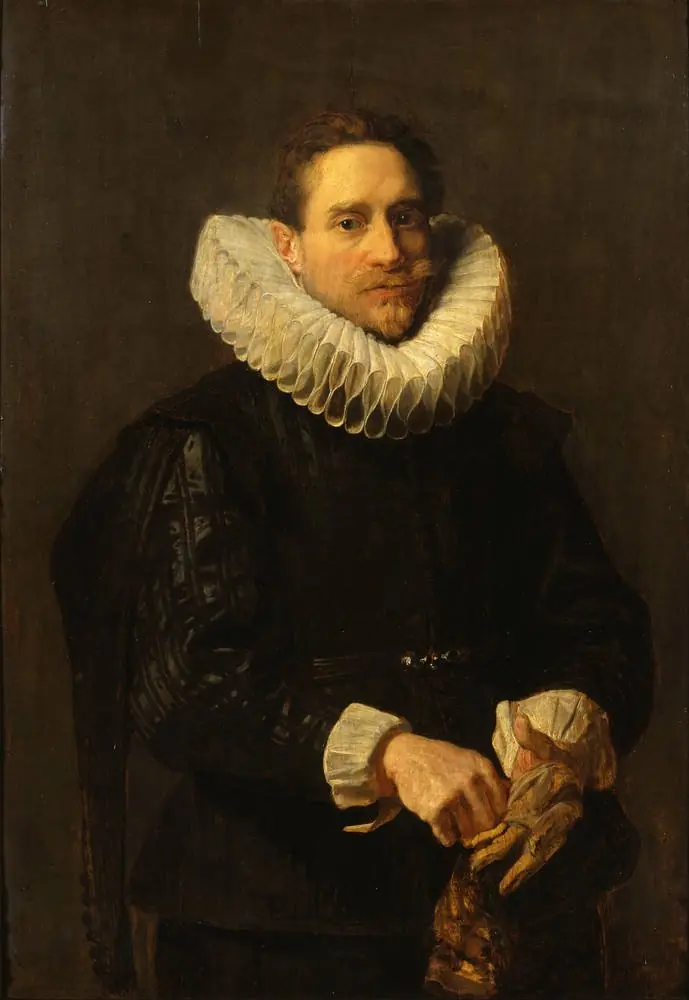 Portrait of a Man
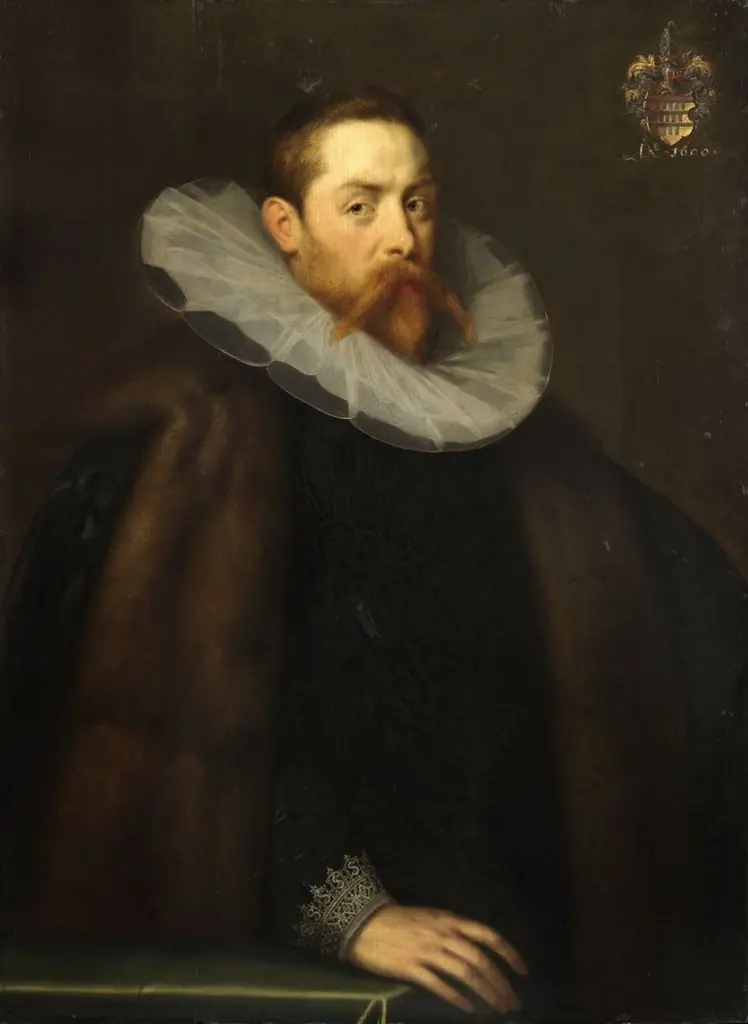 Portrait of a Member of the Lyskirchen Family
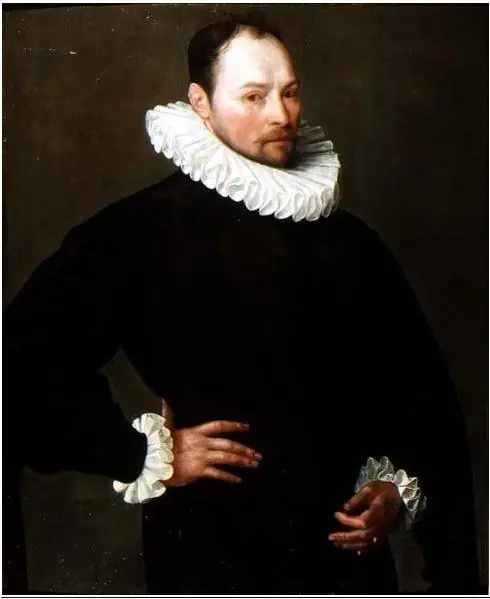 Portrait of a man aged 33
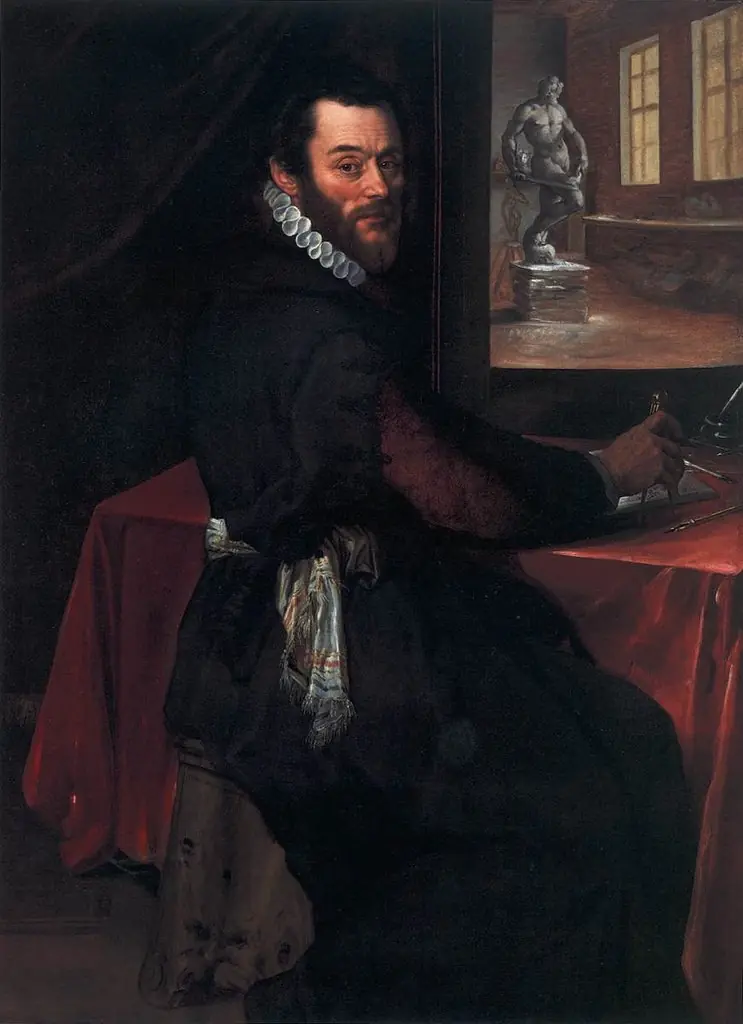 Portrait of Giambologna in his Studio
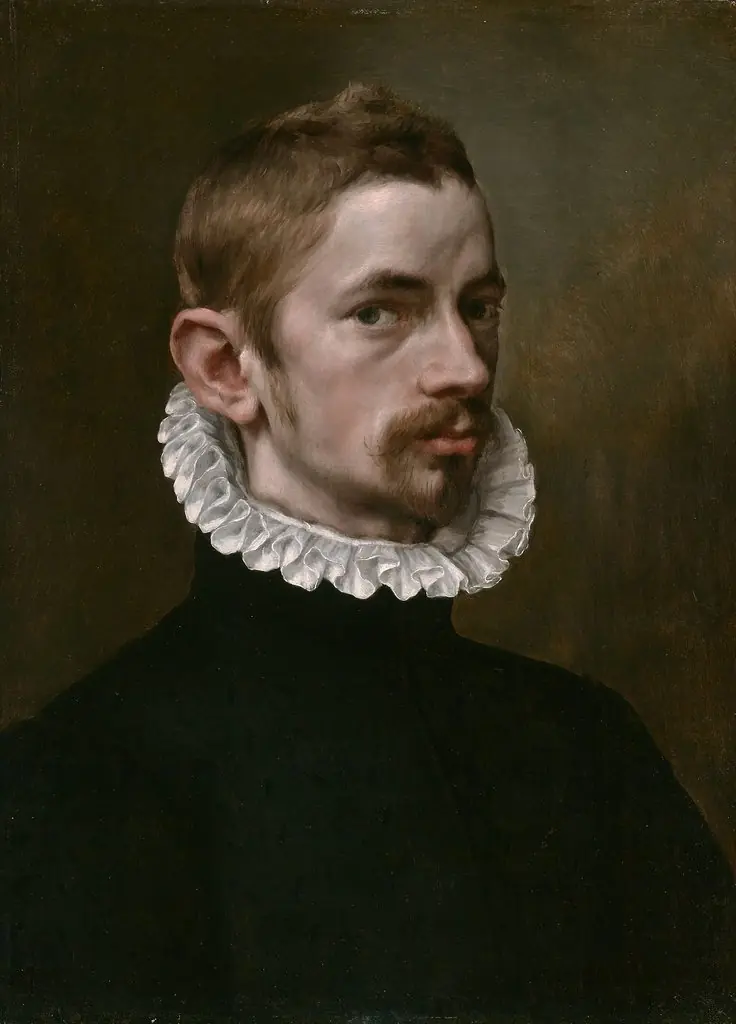 Portrait of a Man
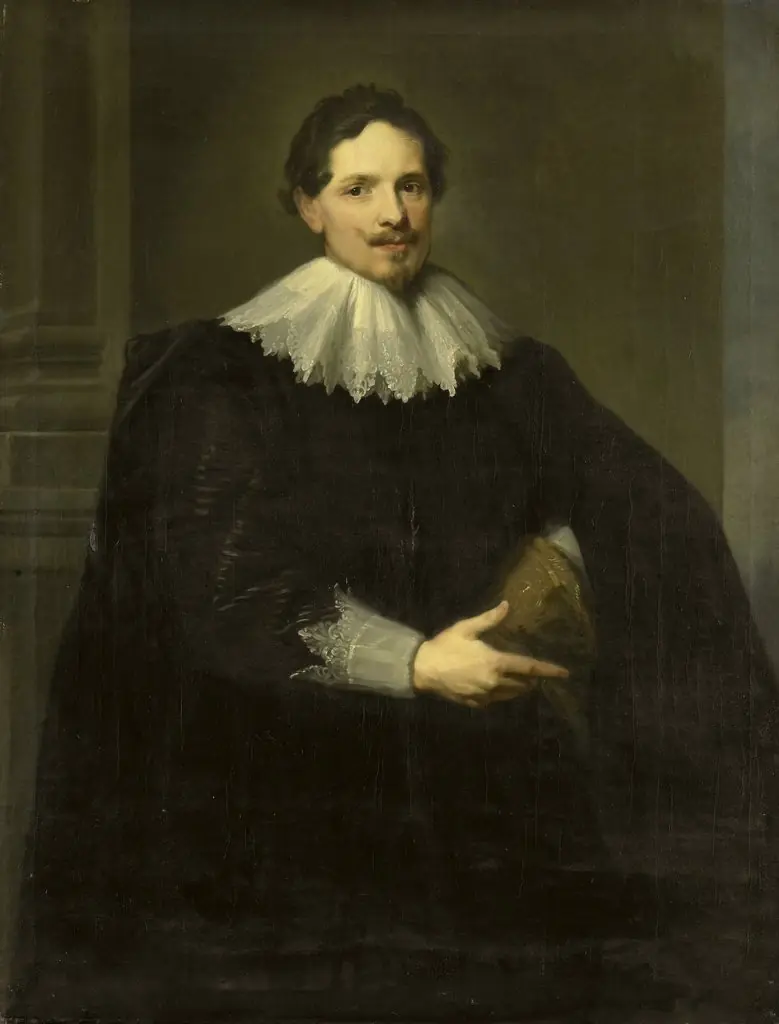 Sebastiaan Leerse, Antwerp Merchant
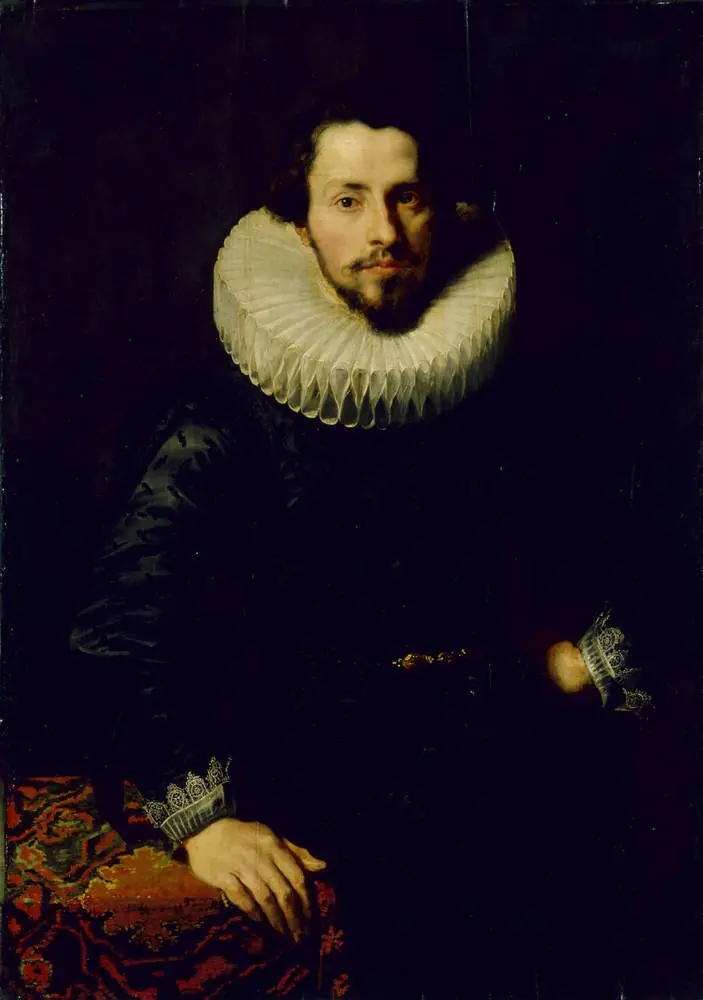 Portrait of a Man at a Table
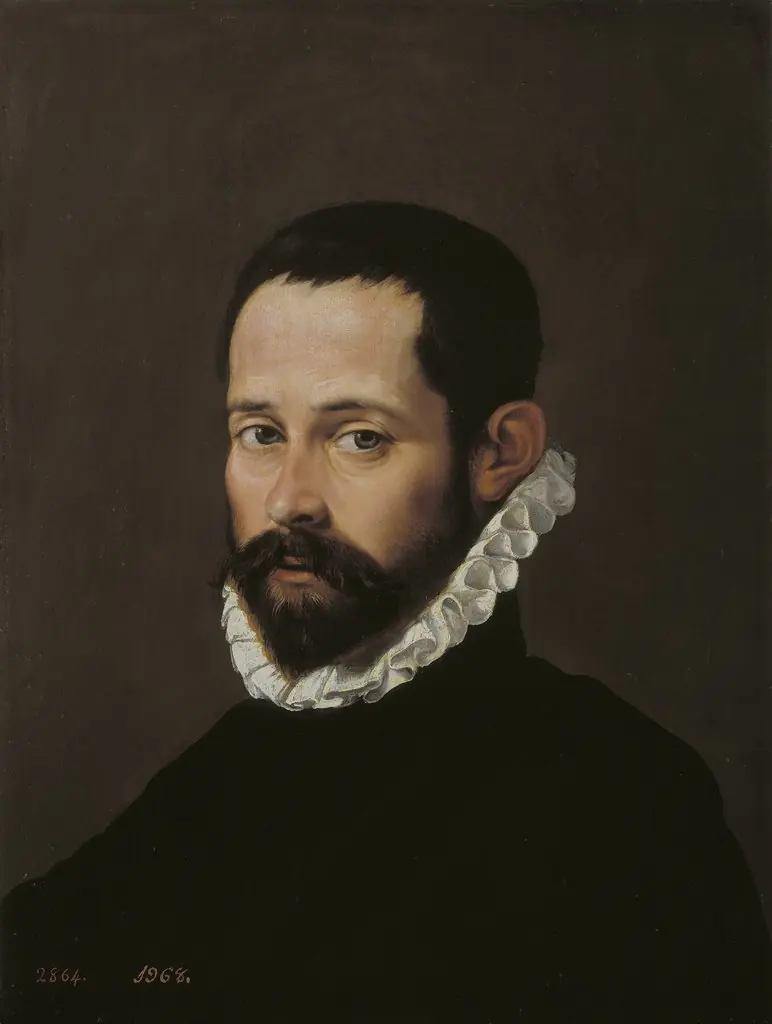 Portrait of Diego Hurtado de Mendoza
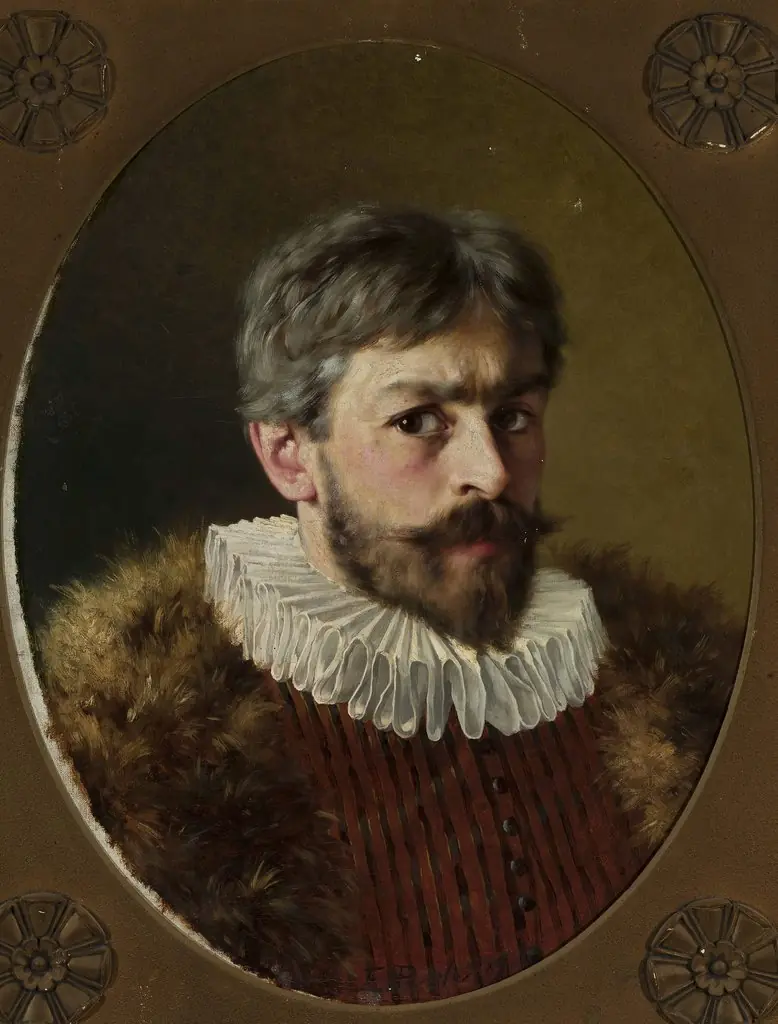 Self-portrait in the 17th-century costume
 Portrait of the landscape painter Jan Wildens