Artwork
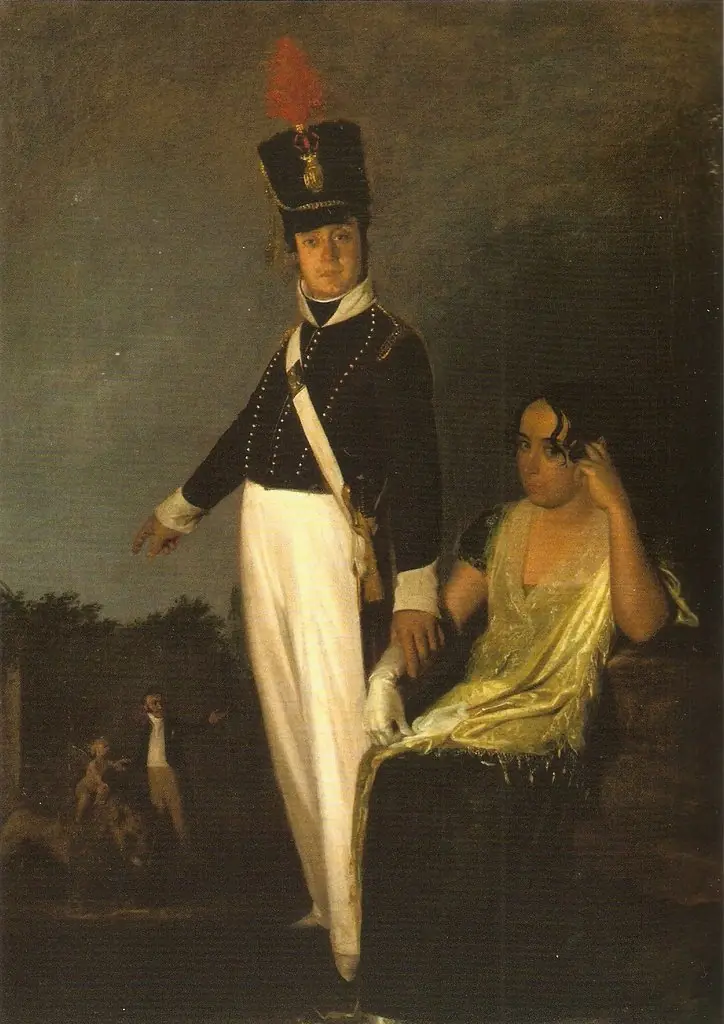
Portrait of Domingos and Mariana Benedita Vitória de Sequeira
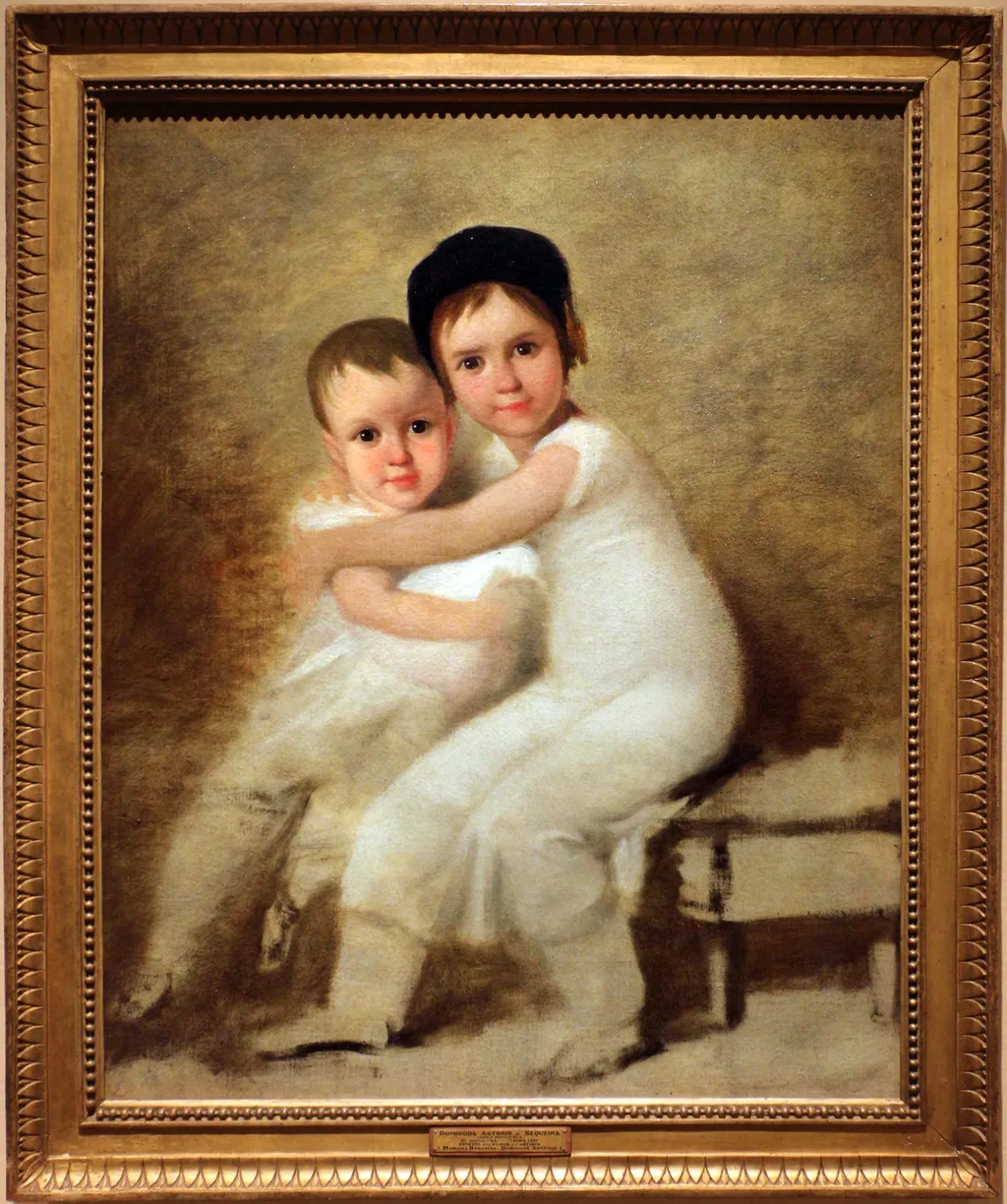
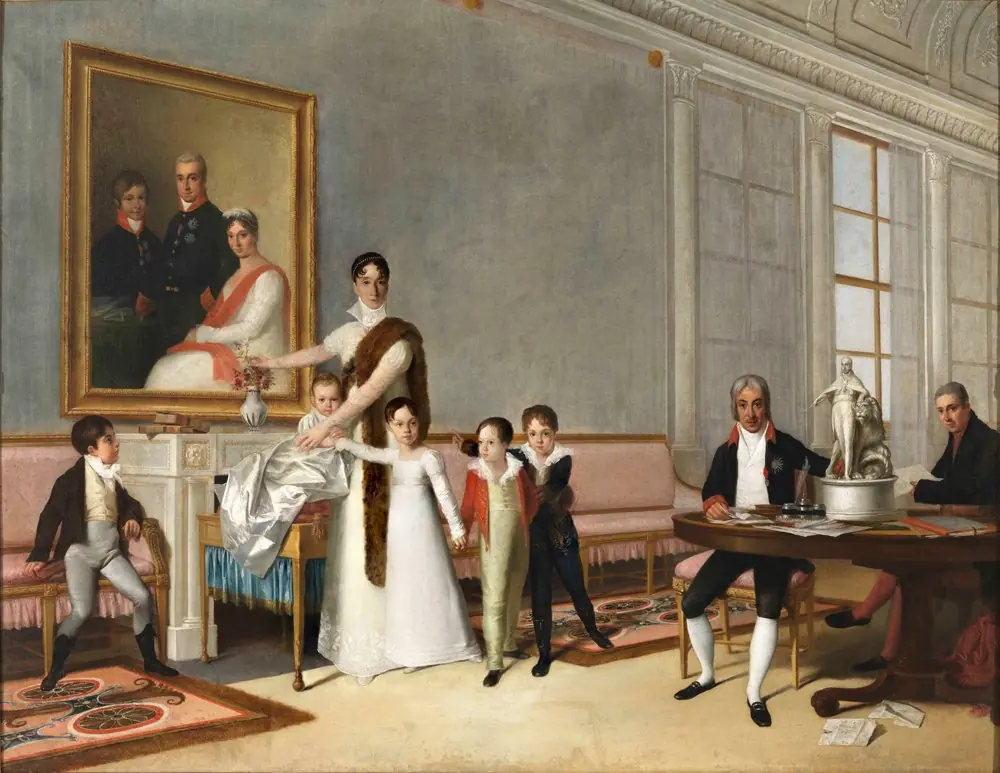
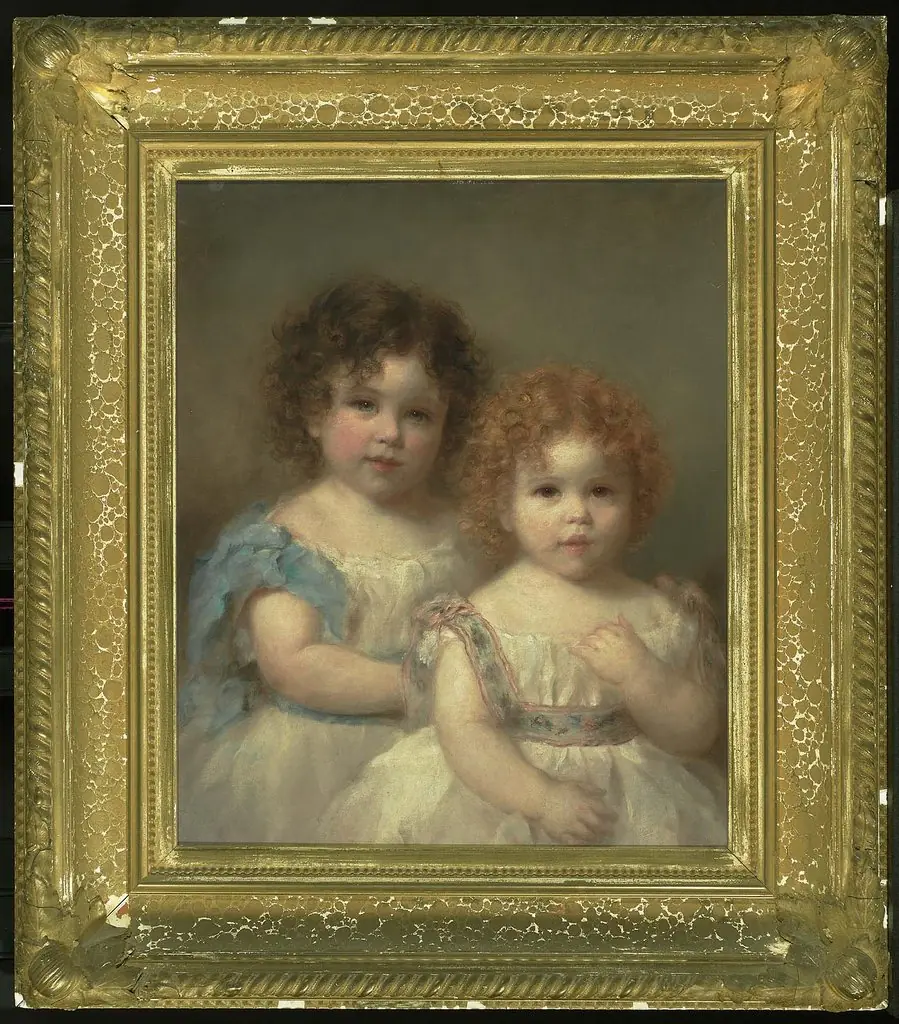
Portrait of Domingos and Mariana Benedita Vitória de Sequeira is an unspecified painting by the Neoclassicist artist Domingos Sequeira. It dates from 1816 and is held in the collection of the National Museum of Ancient Art. Painted in 1816 by Domingos António de Sequeira, this work portrays his two children, Domingos and Mariana Benedita Vitória de Sequeira.
About this work
Overview
Painted in 1816 by Domingos António de Sequeira, this work portrays his two children, Domingos and Mariana Benedita Vitória de Sequeira.
Painted in 1816 by Domingos António de Sequeira, this work portrays his two children, Domingos and Mariana Benedita Vitória de Sequeira. Executed in the neoclassical style, it departs from rigid formalism by emphasizing intimate familial bonds. The painting is part of the National Museum of Ancient Art’s collection in Lisbon, where it remains a quiet testament to personal rather than public portraiture.
Subject & Meaning
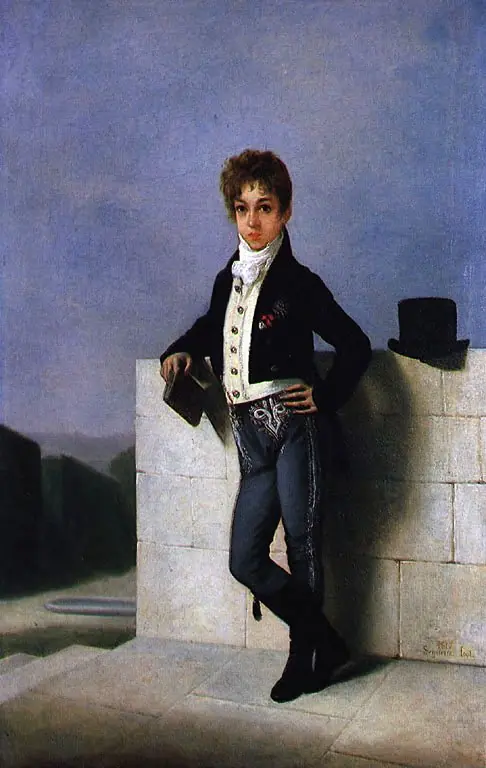
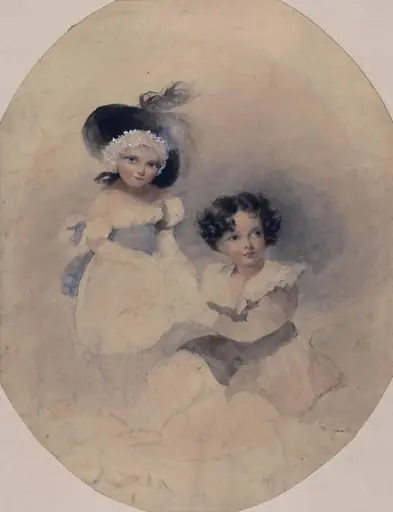
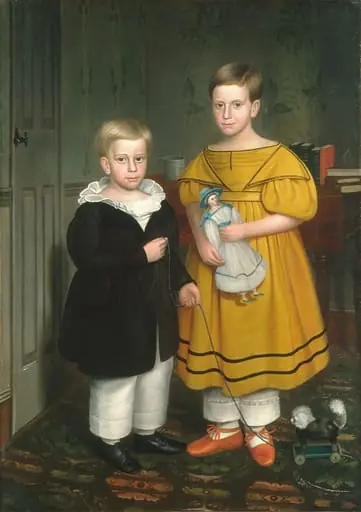
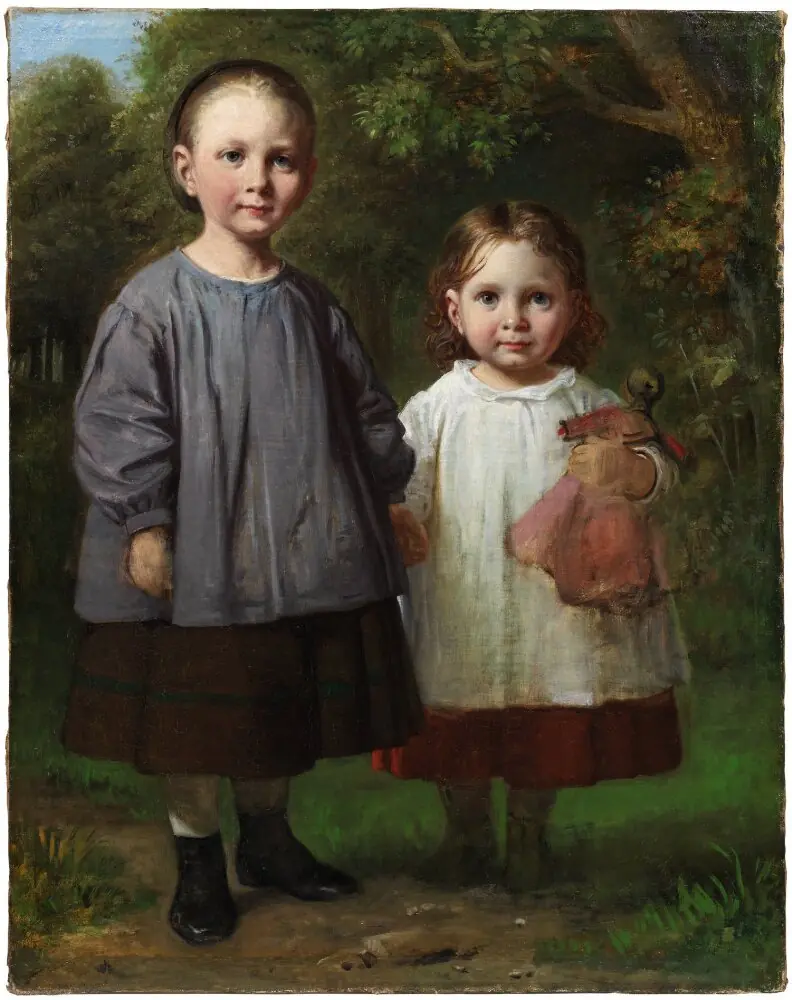
The portrait captures Sequeira’s son and daughter in a moment of quiet affection. The older child, seated, embraces the younger, who stands beside him, their physical closeness suggesting mutual trust. Dressed in simple white garments with a black hat, their attire reflects modest elegance rather than aristocratic display. The composition conveys tenderness, prioritizing emotional connection over social status.
Technique & Style
Sequeira employs soft modeling and restrained color to render the children’s forms with gentle realism. The background is muted, a brown wall that focuses attention on the figures. Brushwork is precise yet unobtrusive, avoiding theatricality. Light falls evenly, enhancing the naturalism of their skin and fabric, aligning with neoclassical ideals while subtly infusing the scene with warmth.
History & Provenance
Commissioned by the artist for his own household, the painting remained within the Sequeira family before entering the National Museum of Ancient Art’s collection. Its survival as a private portrait, rather than a state-commissioned work, is unusual for the period. It was likely preserved due to its sentimental value and the artist’s prominence in Portuguese art circles.
Context
Created during the Portuguese court’s exile in Brazil and return to Lisbon, the painting reflects a cultural moment when domestic life gained artistic legitimacy. While royal portraits dominated public spaces, Sequeira’s choice to depict his children reveals a shift toward intimate, personal subjects among elite artists. This work stands apart from the grandeur typical of courtly commissions.
Legacy
The portrait is recognized as an early example of emotional realism in Portuguese painting. It influenced later artists who sought to portray familial relationships with sincerity rather than ceremony. Though not widely exhibited, its quiet humanity has secured its place as a significant, understated work in the nation’s 19th-century art history.
Artist & collection
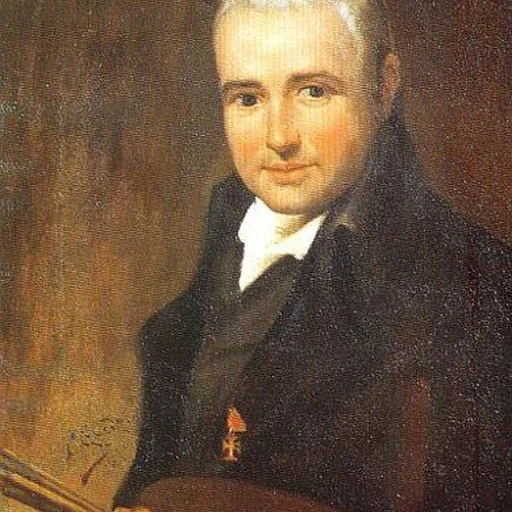
Artist
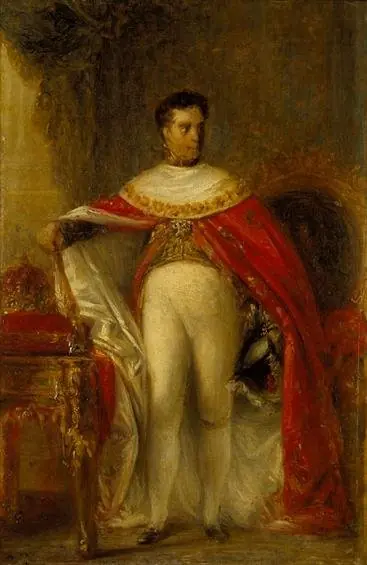
Domingos António de Sequeira (10 March 1768 – 8 March 1837) was a Portuguese painter at the Royal Court of King John VI of Portugal.