Artwork
Portrait of King John VI (1821)
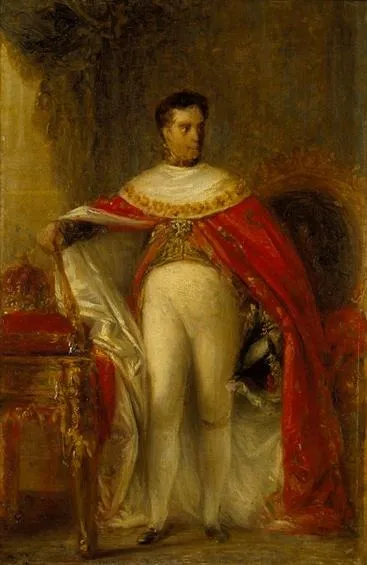
Portrait of King John VI (1821) is an oil painting by Domingos Sequeira. It dates from 1821 and is held in the collection of the National Museum of Ancient Art. Painted in 1821 by Domingos António de Sequeira, this oil portrait captures King John VI of Portugal during his reign.
About this work
Overview
Painted in 1821 by Domingos António de Sequeira, this oil portrait captures King John VI of Portugal during his reign. Commissioned as an official royal image, it reflects the king’s public persona through formal attire and composed posture. The work resides in the National Museum of Ancient Art in Lisbon, where it remains a key example of early 19th-century Portuguese court portraiture.
Subject & Meaning
King John VI is depicted in full regalia, wearing a white and red ceremonial cloak fastened with a gold belt. His right hand rests on the back of a red chair, suggesting authority without overt gesture. The restrained expression and upright stance convey solemnity rather than grandeur, aligning with the king’s reputation for cautious rule during a turbulent period in Portuguese history.
Technique & Style
Sequeira employed oil paint with subtle tonal gradations to render fabric textures and skin tones. Warm earth tones in the background frame the figure without distraction, emphasizing the king’s presence. The brushwork is precise yet unobtrusive, favoring clarity over dramatic flair. Lighting is even, avoiding theatrical shadows, reinforcing the portrait’s dignified, understated character.
History & Provenance
Commissioned during John VI’s rule, the painting likely served as a state portrait for official display. After the royal family’s return from Brazil and the political upheavals of the 1820s, such images reinforced monarchical legitimacy. It entered the National Museum of Ancient Art’s collection in the 19th century, where it has remained part of Portugal’s institutional heritage.
Context
Created amid rising liberal movements and the loss of Brazil’s colonial status, the portrait reflects an effort to stabilize royal imagery during political uncertainty. Sequeira, once aligned with Enlightenment ideals, adapted his style to serve the monarchy’s need for dignified representation. The work stands as a quiet counterpoint to the revolutionary fervor sweeping Europe at the time.
Legacy
The portrait endures as one of the most recognized images of King John VI, illustrating the transition from Baroque grandeur to restrained Neoclassical form in Portuguese art. Sequeira’s approach influenced later court painters by prioritizing psychological presence over symbolic excess. It remains a reference point for understanding how Portuguese royalty navigated identity in an age of change.
Artist & collection
Artist
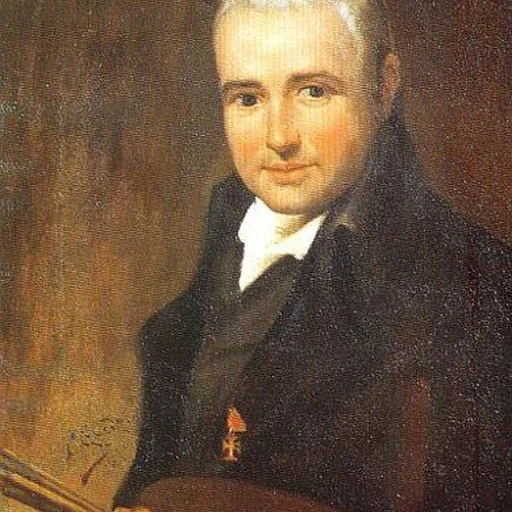
Domingos António de Sequeira (10 March 1768 – 8 March 1837) was a Portuguese painter at the Royal Court of King John VI of Portugal.

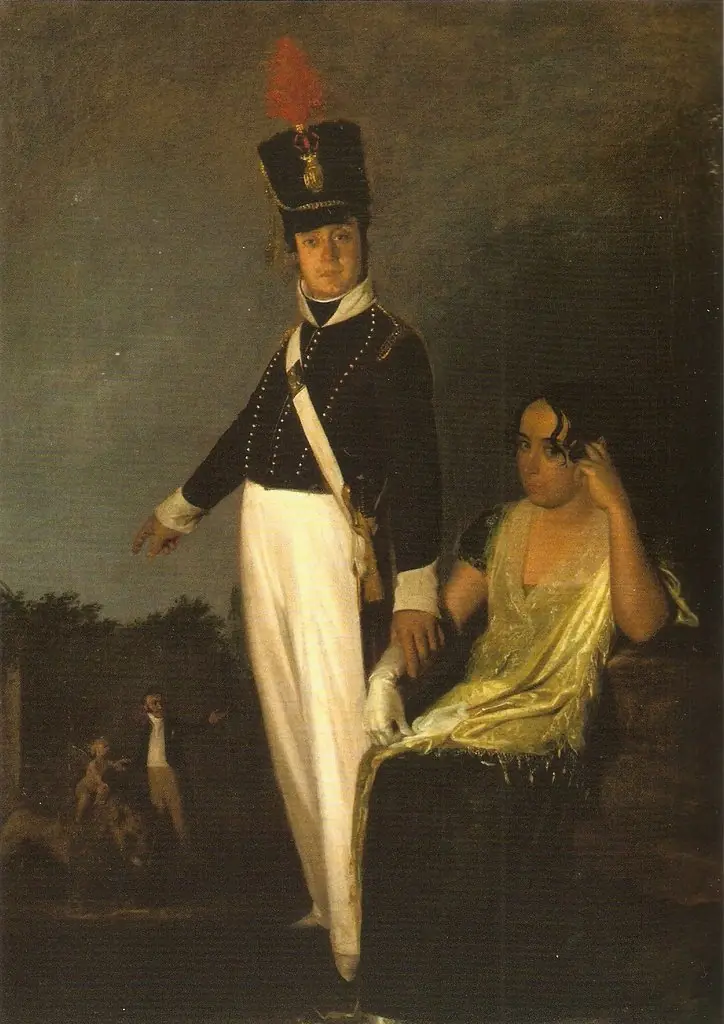 João Baptista Verde e Mariana Benedita
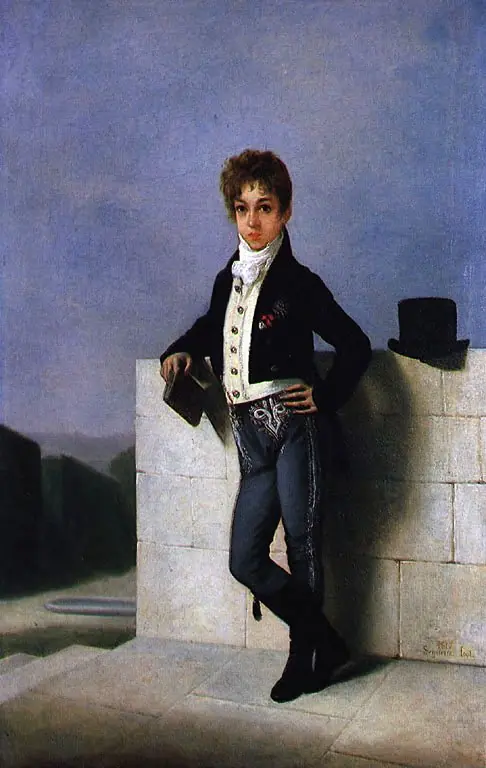 Portrait of Joaquim Pedro Quintela, 1st Count of Farrobo
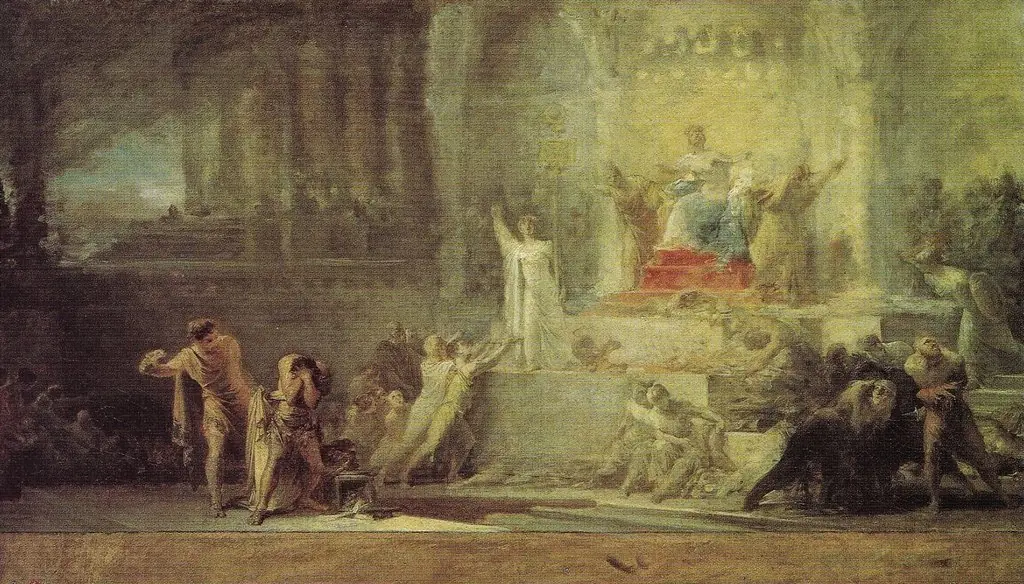 Alegoria à Constituição de 1822
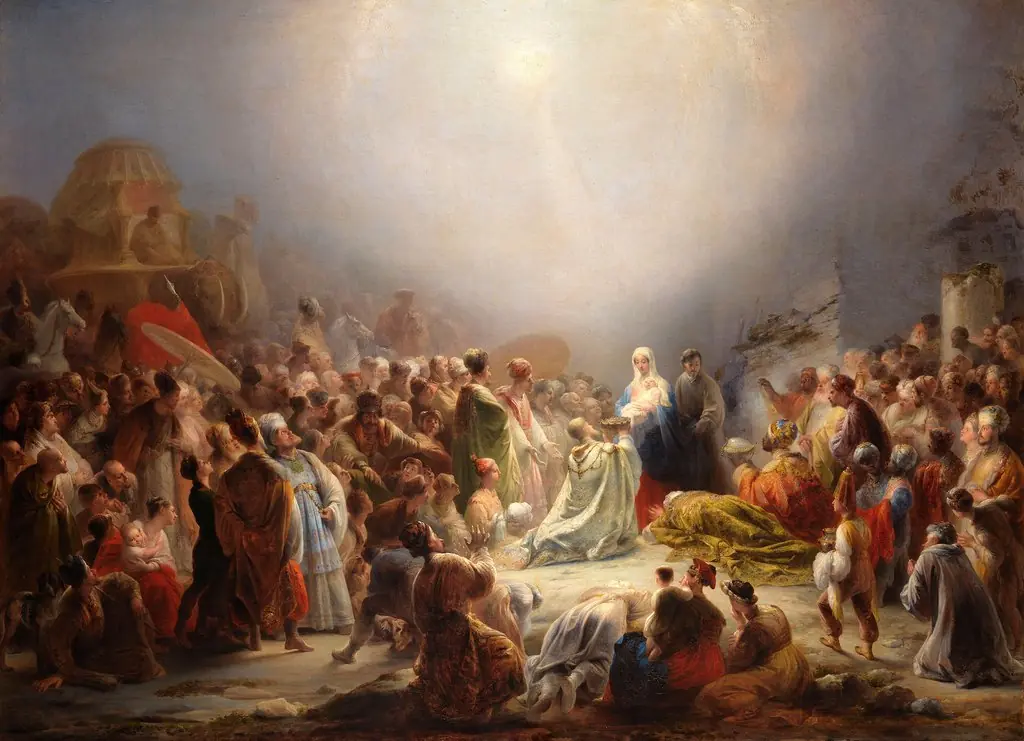 The Adoration of the Magi
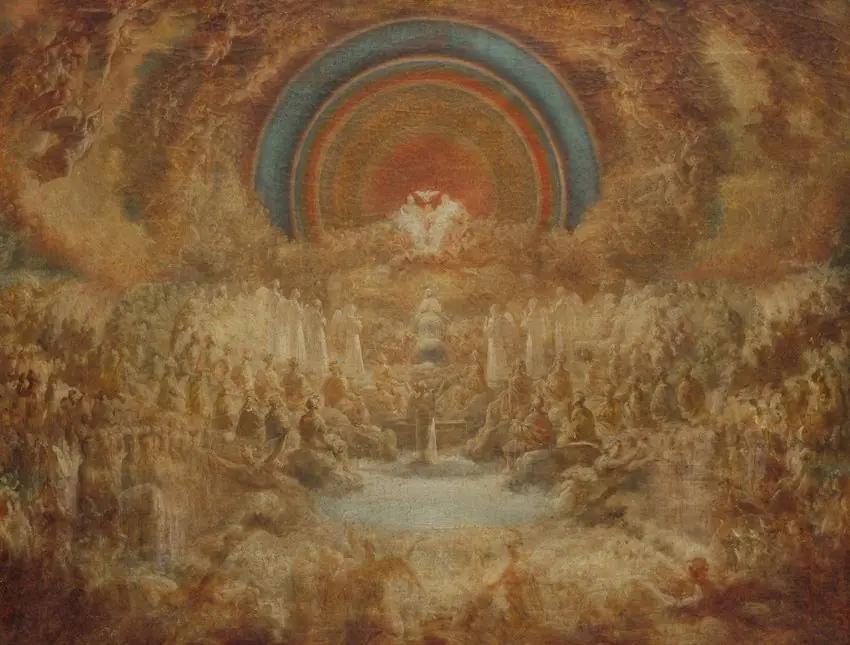 Coronation of the Virgin
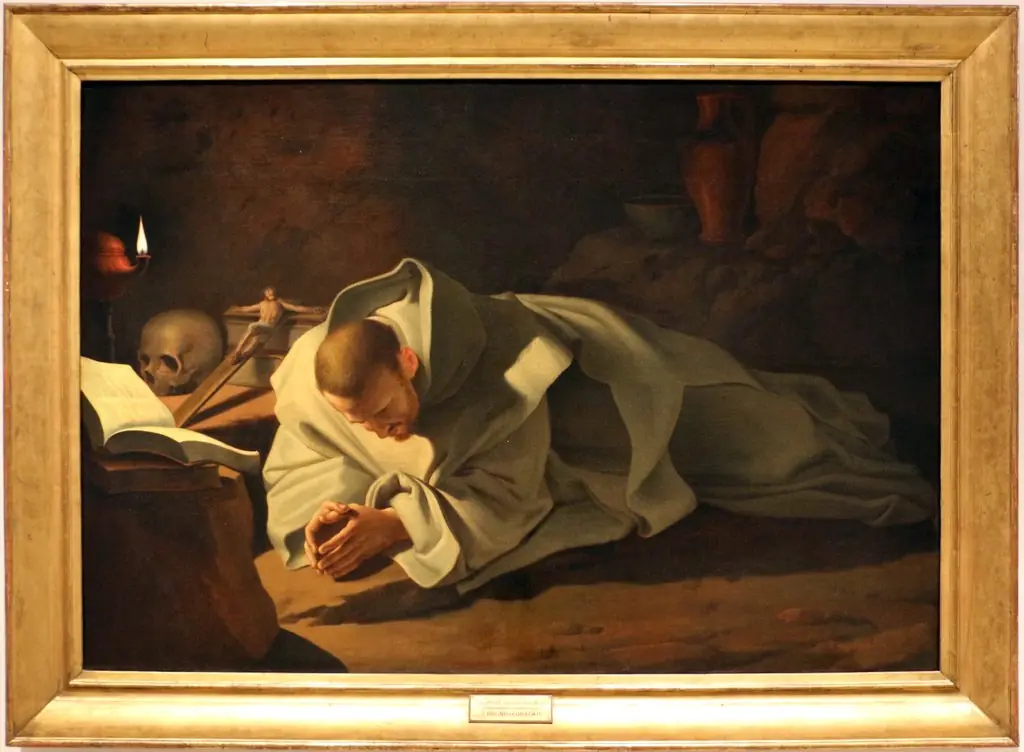 Saint Bruno in prayer
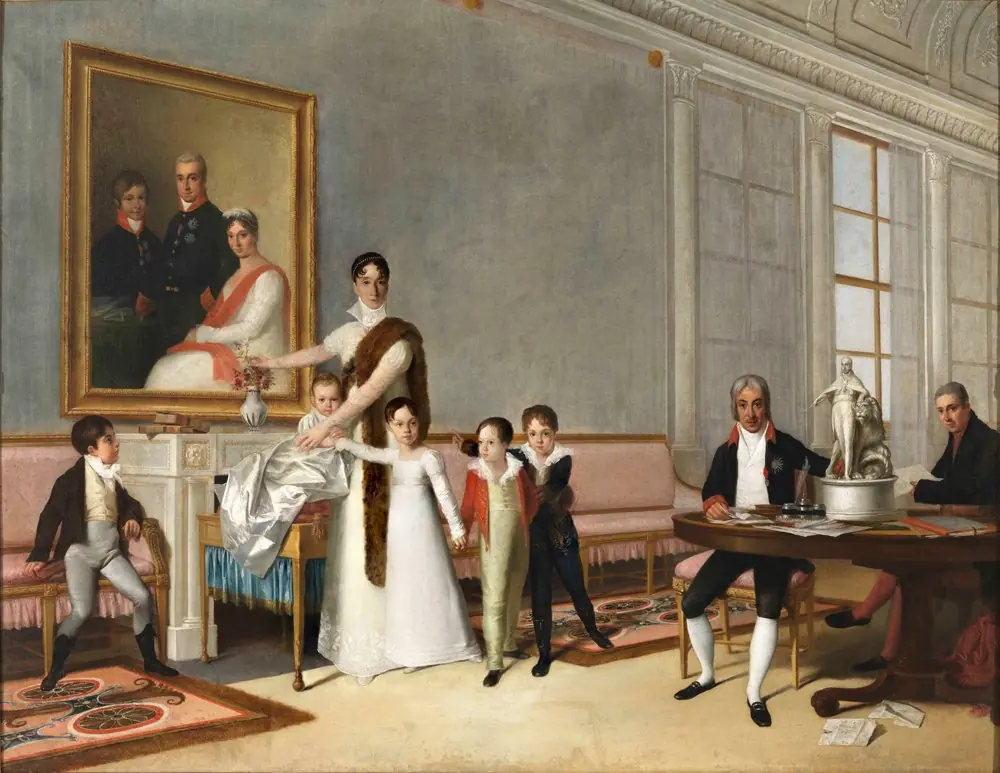 Portrait of the Family of the 1st Viscount of Santarém
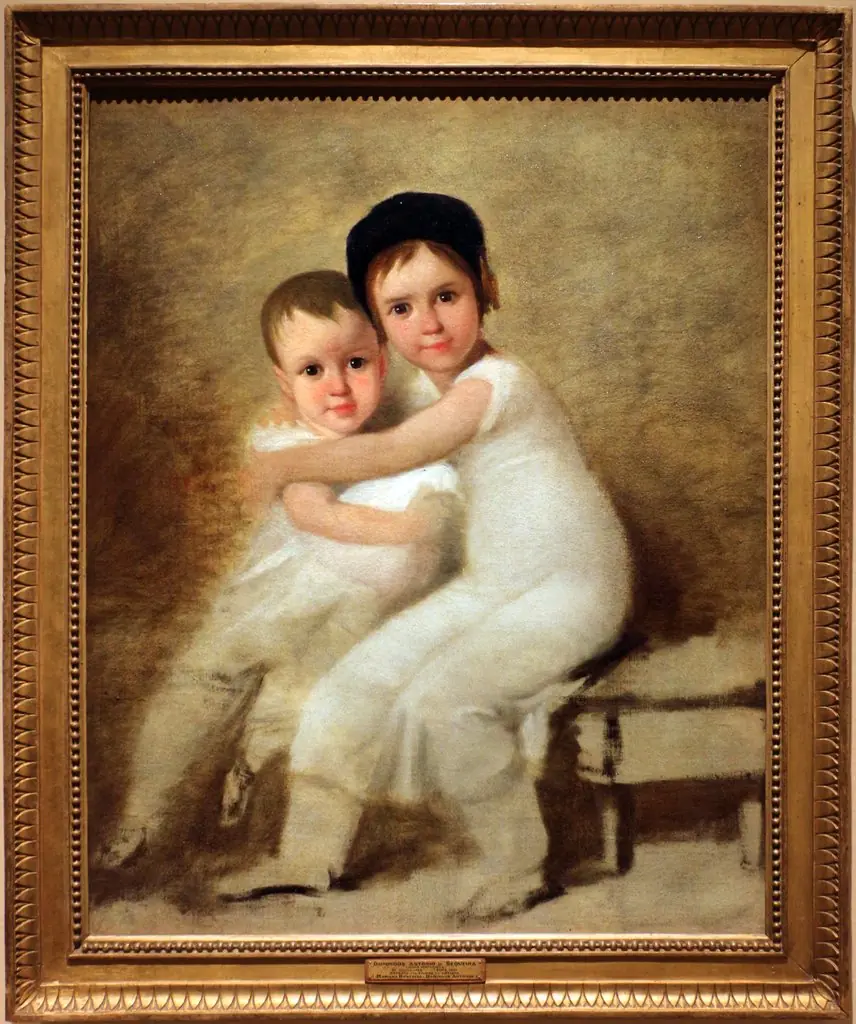 Portrait of Domingos and Mariana Benedita Vitória de Sequeira
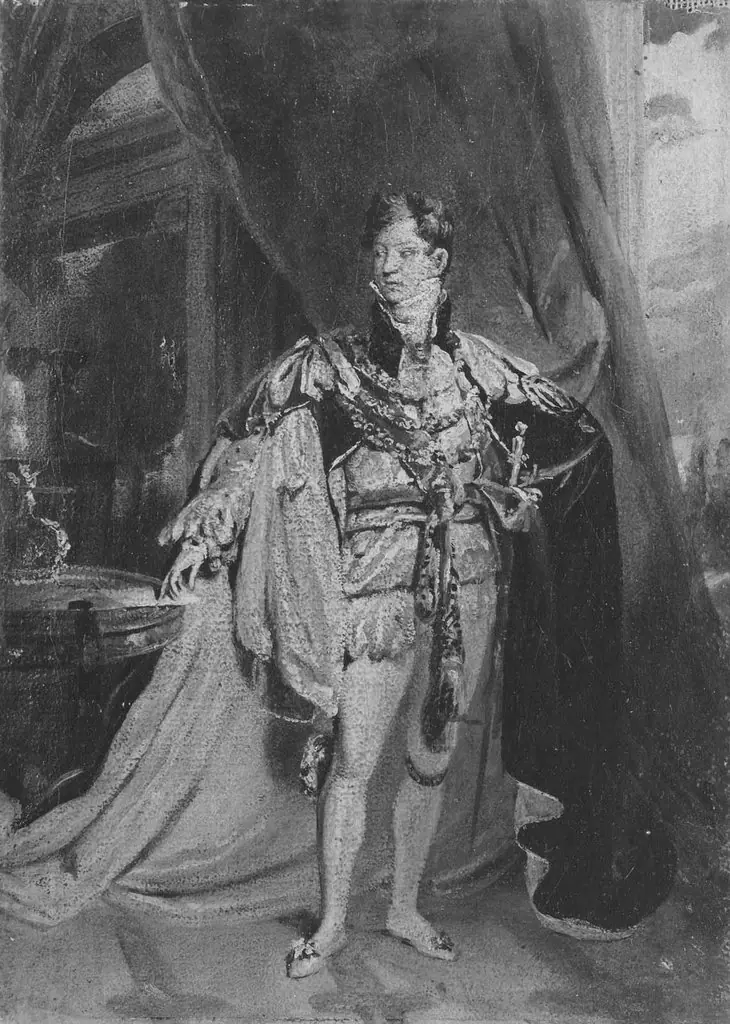 The Prince Regent, later George IV
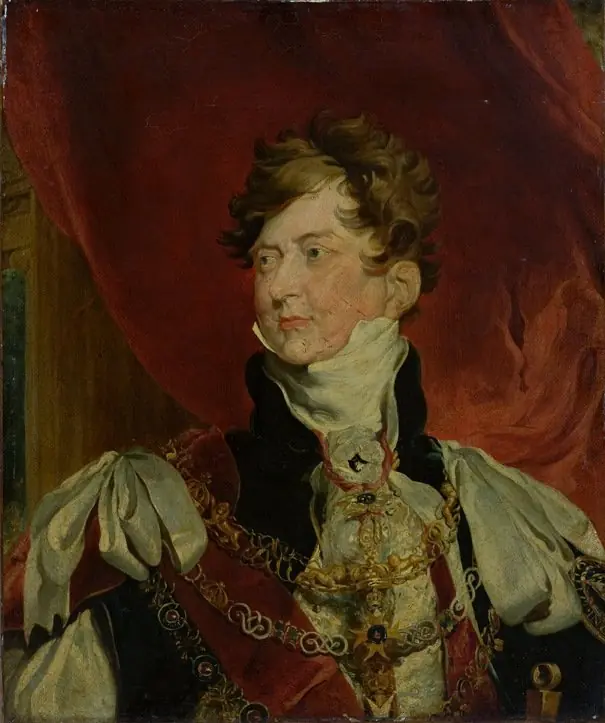 George IV as Prince-Regent with the insignia of the Order of the Garter
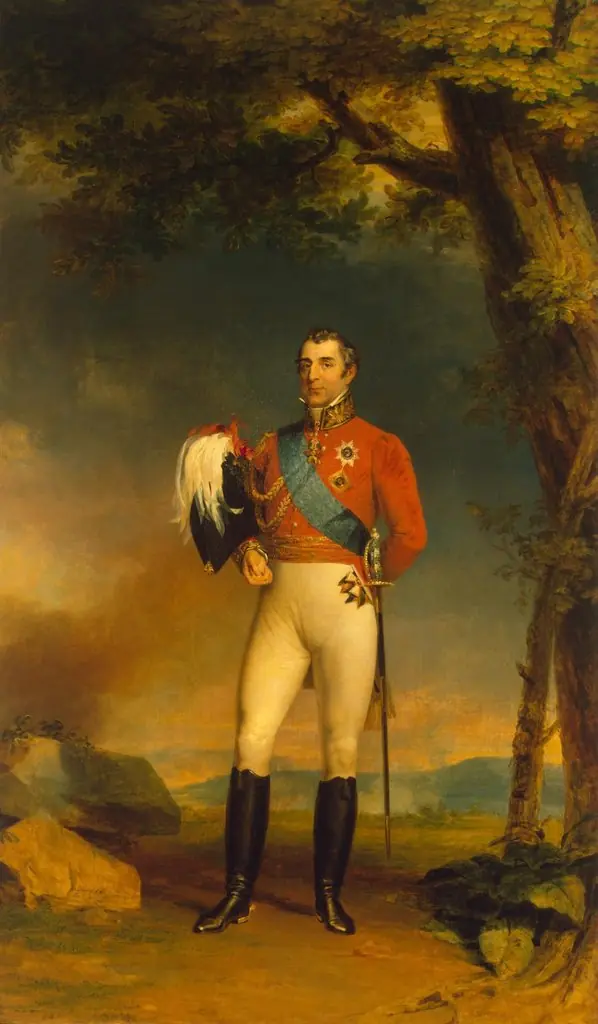 Portrait of Duke of Wellington (1769-1852)
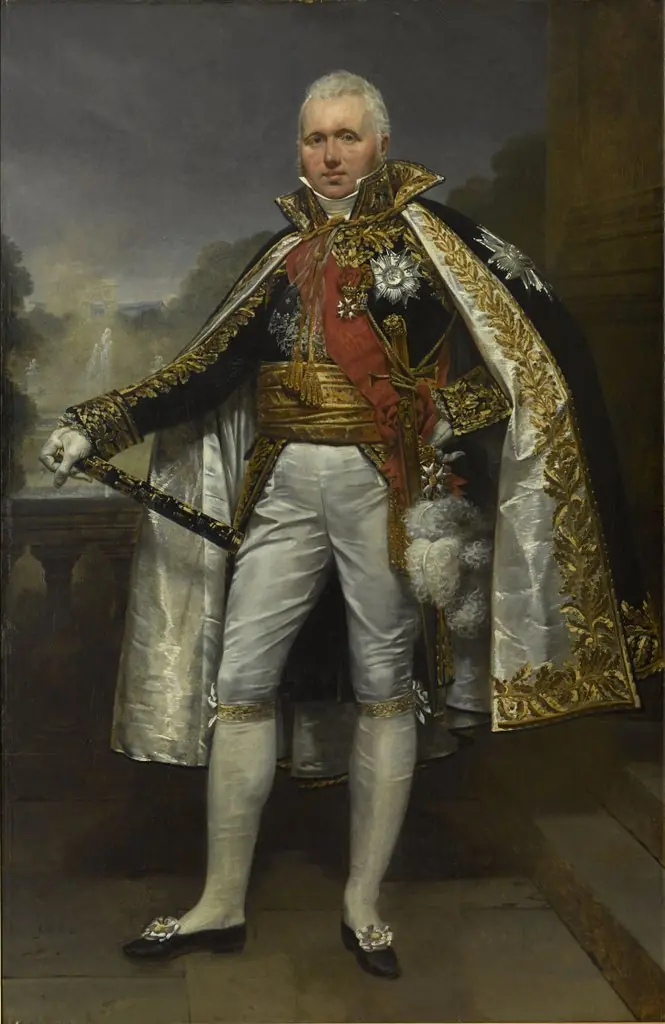 Claude-Victor Perrin, Duke of Bellune, Marshal of France
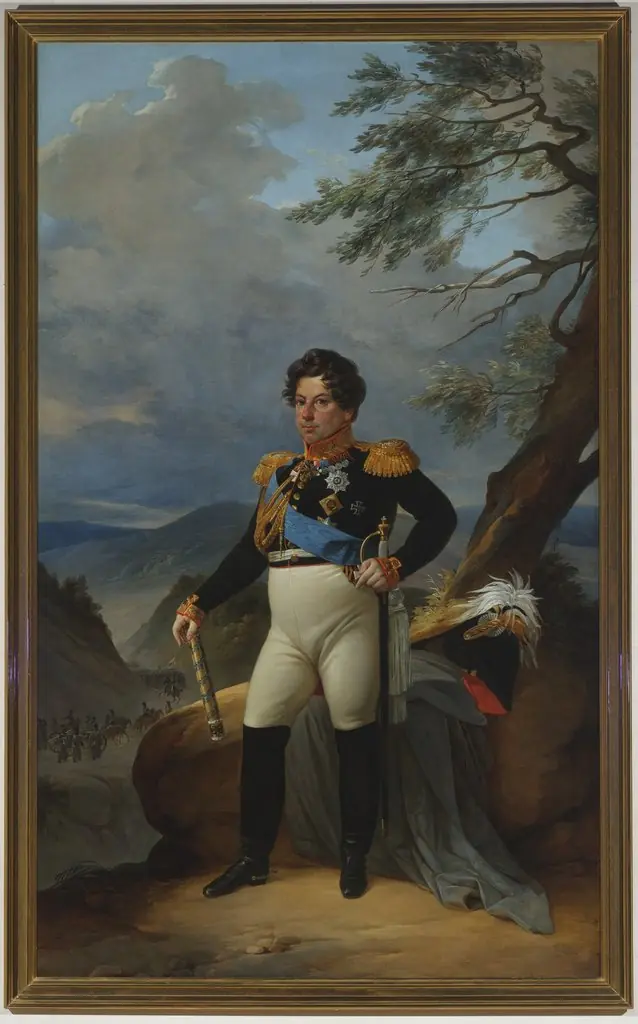 Portrait of Count I.I.Dibich-Zabalkansky
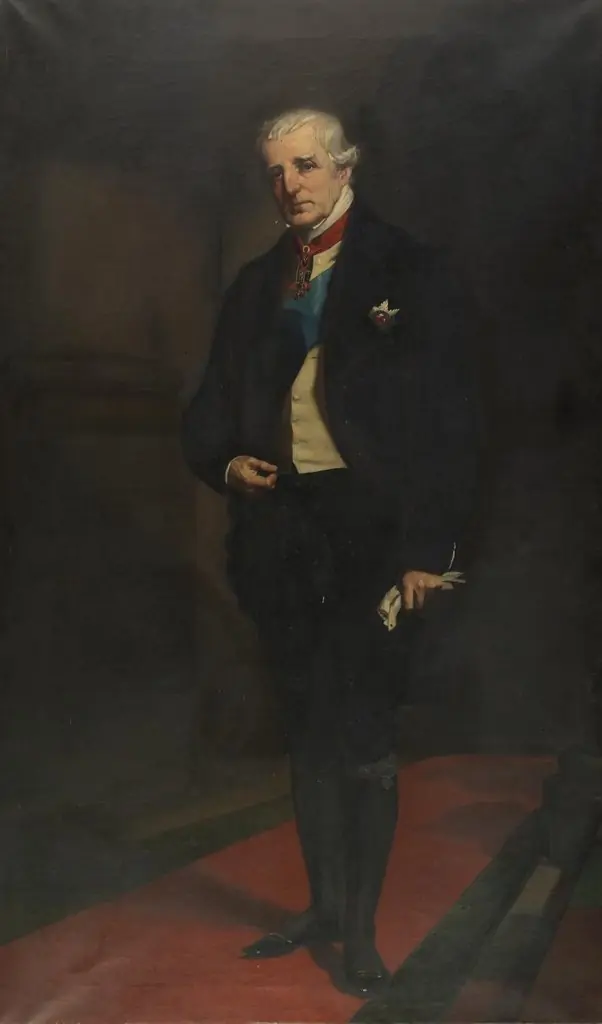 Arthur Wellesley (1769–1852), 1st Duke of Wellington
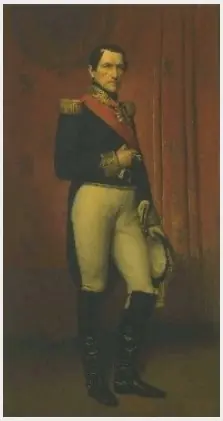 Portrait of H.M. Leopold I, king of the Belgians
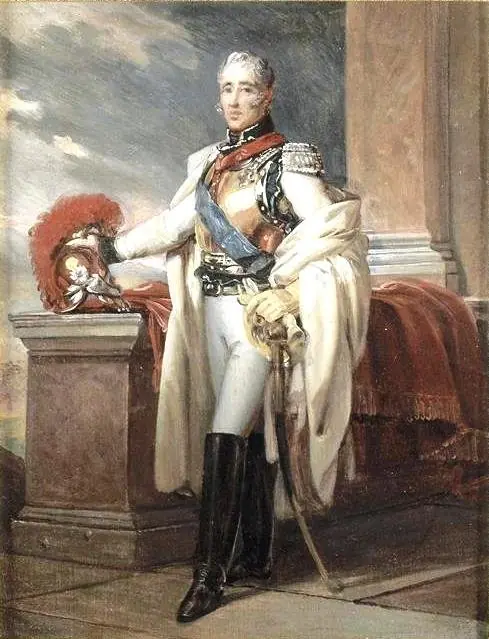 Charles-Philippe de France (1757-1836), comte d'Artois, en uniforme de colonel général des Carabiniers, vers 1815 (esquisse)
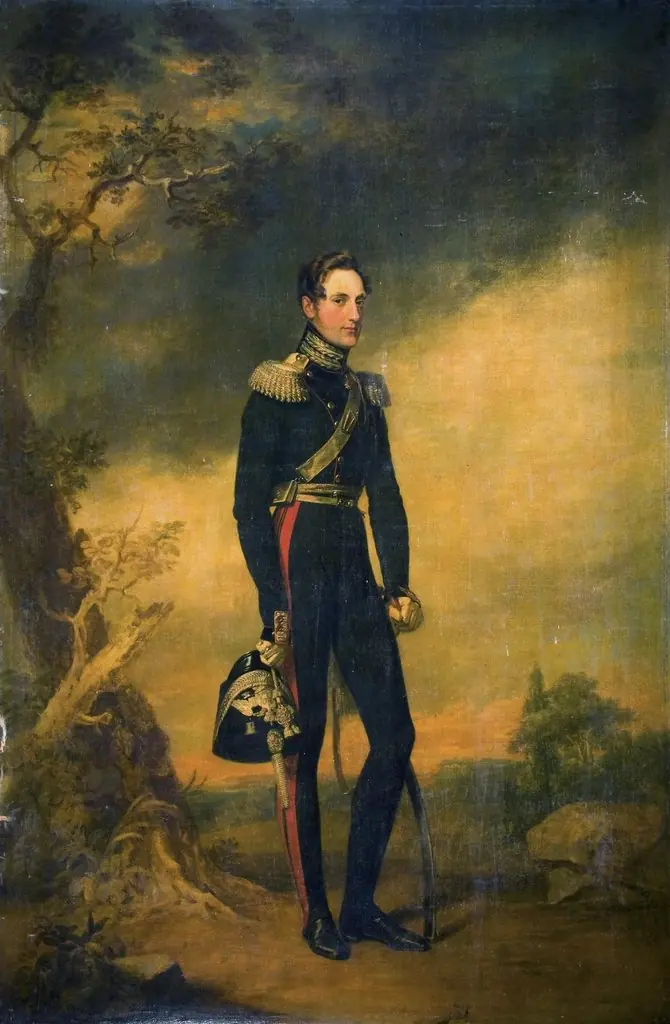 Portrait of Grand Duke Nikolai Pavlovich
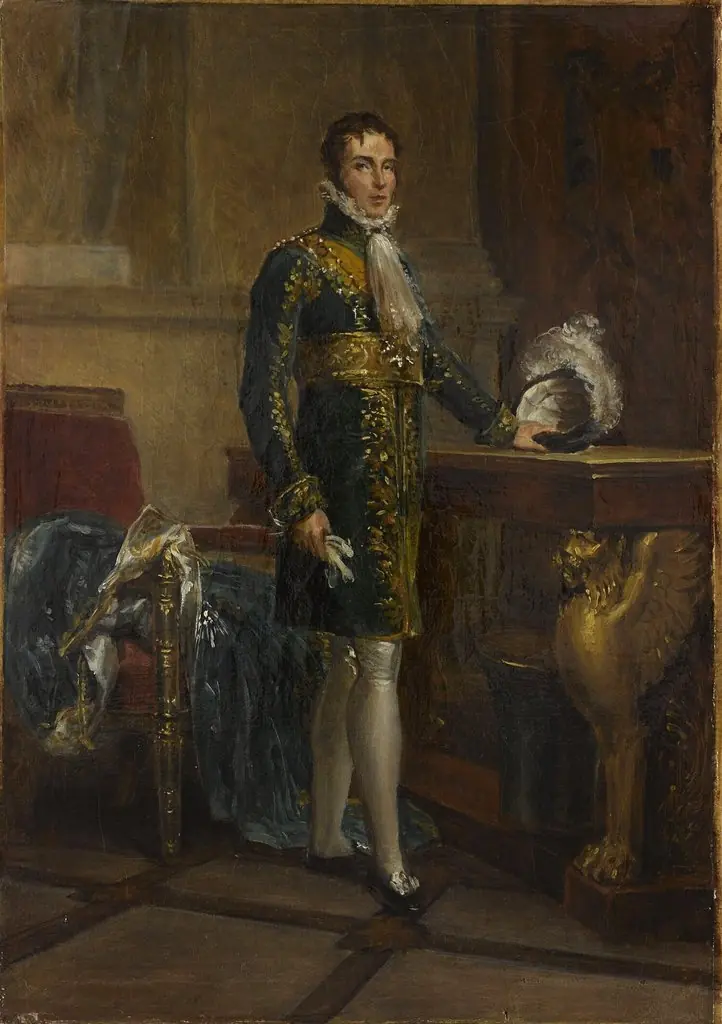 Eugène de Beauharnais (1781-1824), duc de Leuchtenberg, dit le prince Eugène, vice-roi d'Italie
 Charles IV in Court Dress
 El coracero Jean Baptiste Poret-Dulongval