Artwork
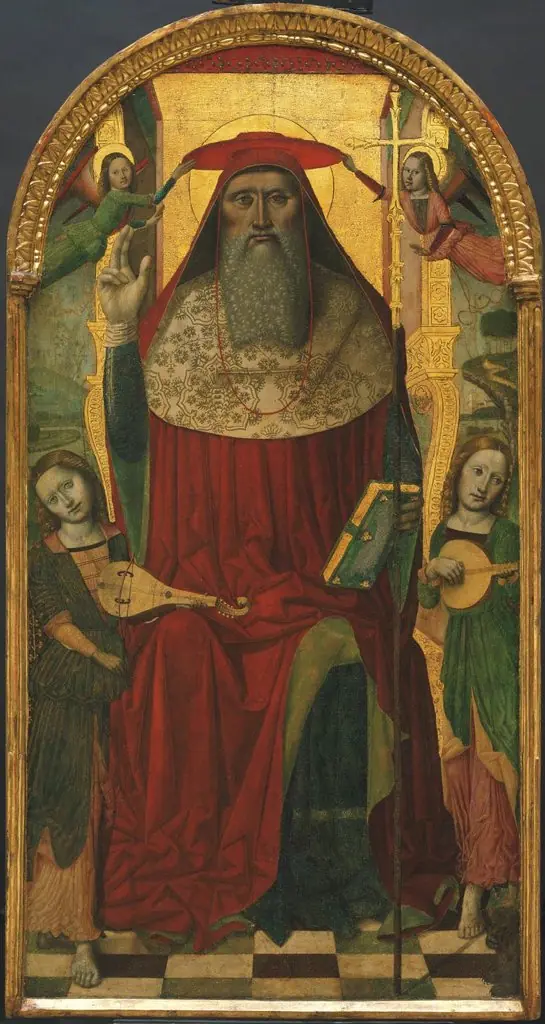
Saint Jerome, part of an altarpiece
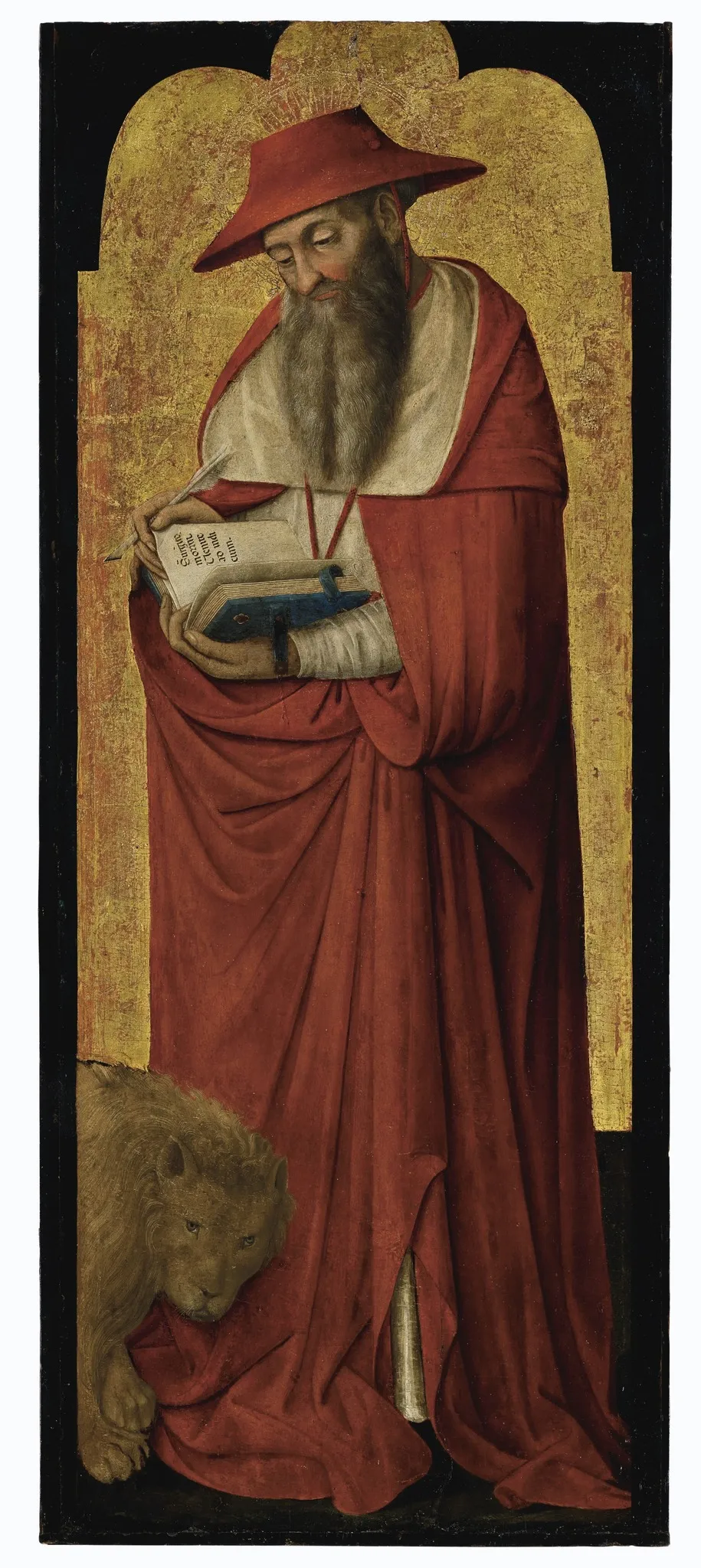
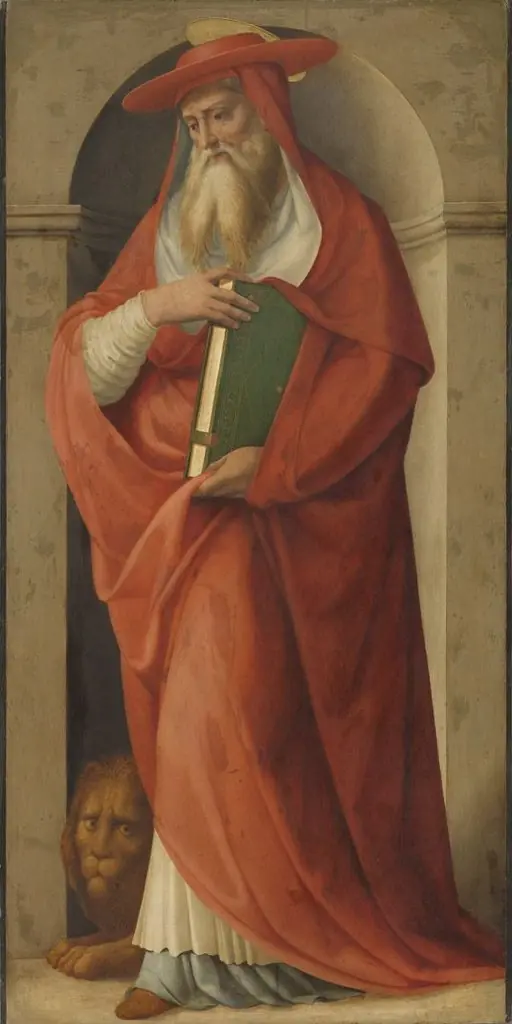
Saint Jerome, part of an altarpiece is an oil painting by the Early Renaissance artist Donato de' Bardi. It dates from 1450 and is held in the collection of the Brooklyn Museum.
About this work
Overview
The work reflects the transition from medieval iconography to more naturalistic religious representation, characteristic of mid-15th-century Italian painting.
This oil painting, created around 1450, is one panel from a larger altarpiece attributed to Donato de' Bardi, an artist active in early Renaissance Tuscany. It portrays Saint Jerome in a contemplative pose, set against a gold-leaf background shaped as an arch. The work reflects the transition from medieval iconography to more naturalistic religious representation, characteristic of mid-15th-century Italian painting.
Subject & Meaning
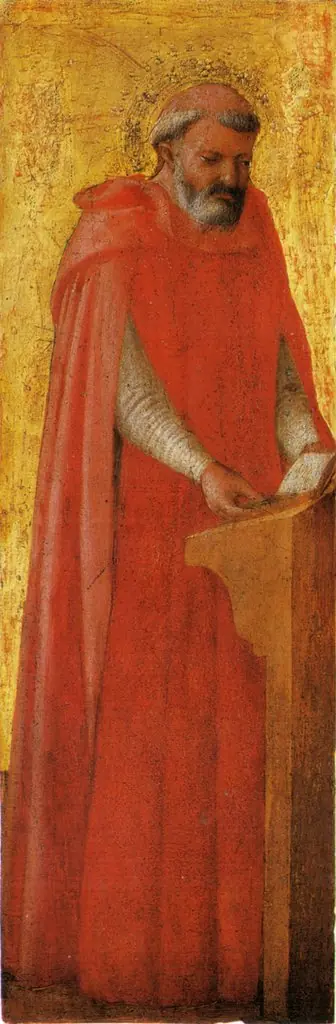
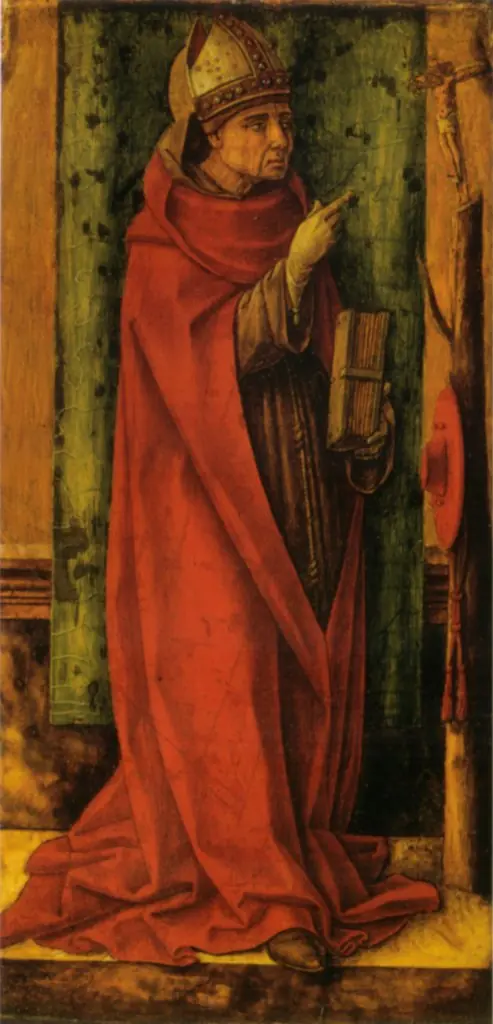
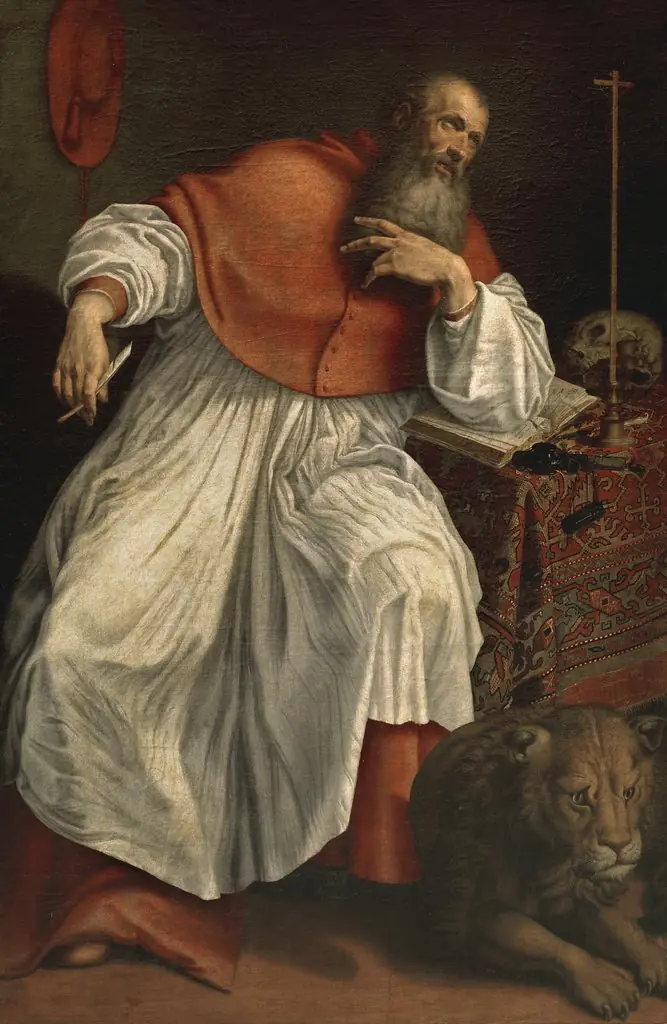
Saint Jerome, one of the Church Fathers, is depicted as a scholar engaged in translating the Bible into Latin. His red hat and robe signify his ecclesiastical rank, while the book and quill emphasize his intellectual labor. The lion at his side alludes to the legend in which he removed a thorn from the beast’s paw, symbolizing compassion and divine harmony. The scene invites quiet reverence, focusing on devotion through study.
Technique & Style
The painting employs oil paint to achieve subtle gradations of light and texture, particularly in the folds of the robe and the rendering of the lion’s fur. The gold background, though traditional, is framed by a structured arch that suggests architectural depth. Facial features and gestures are rendered with restrained naturalism, avoiding theatricality in favor of solemn introspection, typical of early Renaissance devotional art.
History & Provenance
The painting was likely produced for a religious setting in Tuscany during the 1450s, as part of a multi-panel altarpiece. It entered the Brooklyn Museum’s collection in the 20th century, though its earlier ownership history remains partially undocumented. Its attribution to Donato de' Bardi is based on stylistic comparisons with other works from his circle, as few signed pieces survive.
Context
In mid-15th-century Italy, religious imagery increasingly emphasized individual piety and human emotion. While sculpture dominated Donatello’s legacy, painters like de' Bardi adapted similar ideals of dignity and spatial clarity to panel painting. This work aligns with contemporaneous devotional images from Florence and Siena, where scholarly saints were popular subjects in both public and private worship.
Legacy
Though less known than his sculptor contemporaries, Donato de' Bardi contributed to the evolution of narrative clarity and emotional restraint in early Renaissance painting. This panel exemplifies how religious figures were reimagined as introspective individuals, influencing later devotional art. Its preservation in a major museum allows continued study of regional painting practices beyond the most celebrated names of the period.
Artist & collection
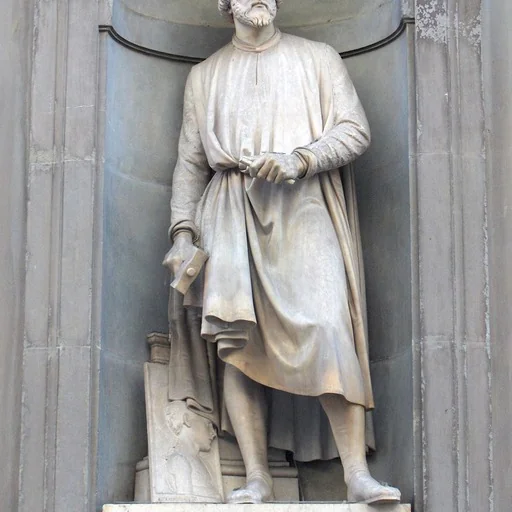
Artist
Donato di Niccolò di Betto Bardi (c. 1386 – 13 December 1466), known mononymously as Donatello (English: ; Italian: ), was an Italian sculptor of the Renaissance period. Born in Florence, he studied classical sculpture…