Artwork
Saint Jerome
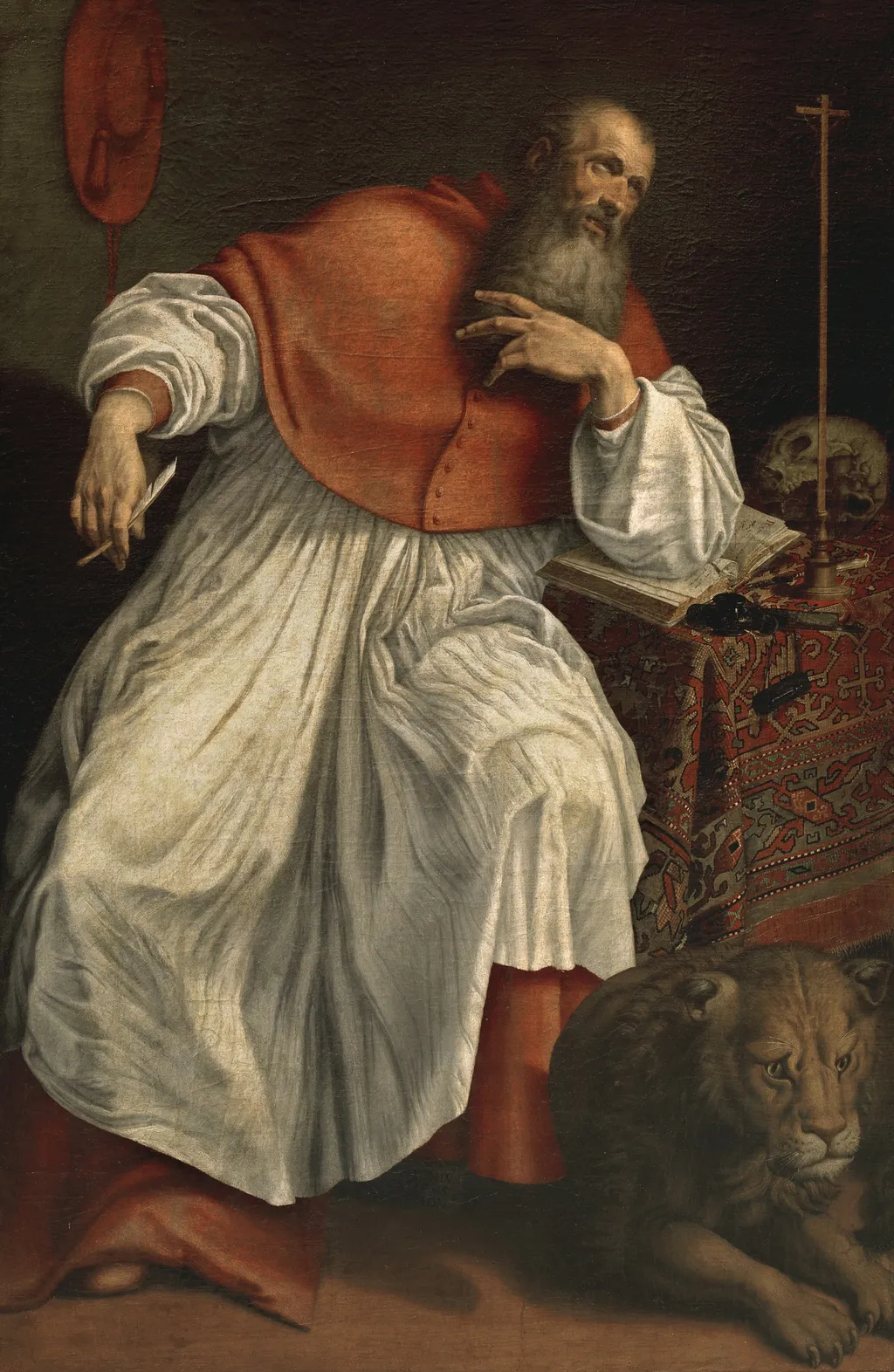
Saint Jerome is an unspecified painting by the Early Baroque Italian artist Antonio Campi. It dates from 1566 and is held in the collection of the Museo del Prado.
About this work
Overview
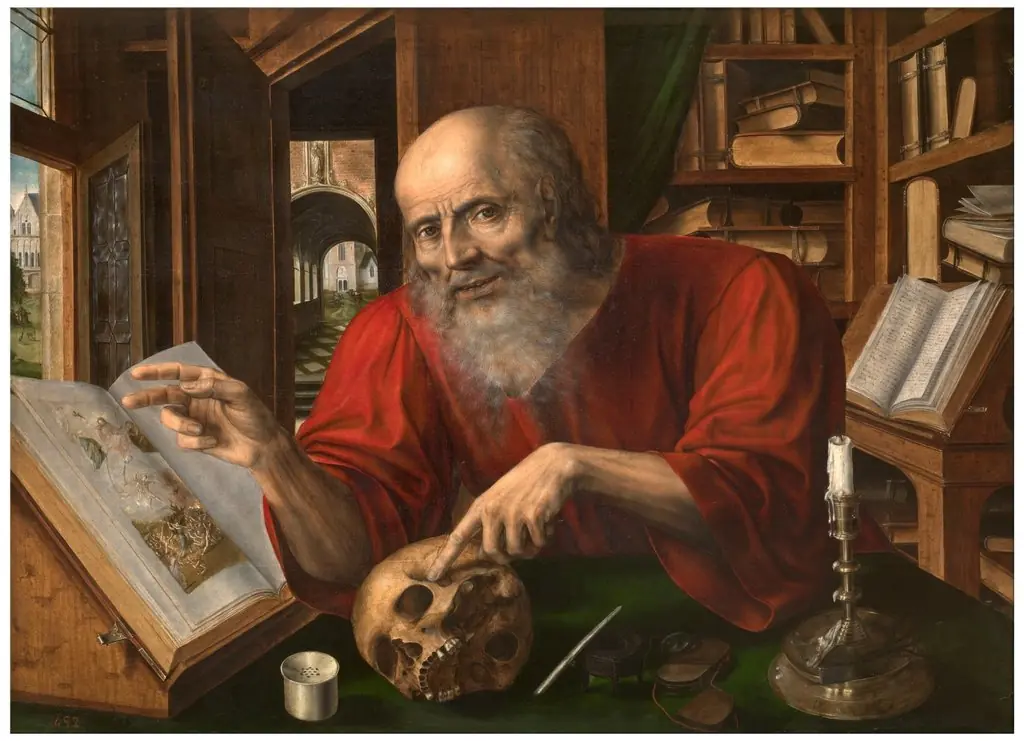
Antonio Campi’s 1566 canvas, titled Saint Jerome, is part of the Prado Museum’s collection. The composition brings together a youthful female figure in a flowing white garment, an elderly bearded man, a lion, a skull, an open book and a cross. The arrangement creates a contemplative scene that merges elements of ascetic symbolism with a striking human interaction.
Subject & Meaning
The central figure is traditionally identified as Saint Jerome, the biblical scholar famed for translating the Bible into Latin.
The central figure is traditionally identified as Saint Jerome, the biblical scholar famed for translating the Bible into Latin. The presence of the skull and the open book underscores themes of mortality and scholarship, while the lion alludes to the legend of Jerome’s taming of a wild beast. The juxtaposition of the woman’s exposed shoulders with the saint’s solemn demeanor invites reflection on the tension between earthly beauty and spiritual devotion.
Technique & Style
Campi employs a balanced chiaroscuro, allowing the luminous white dress to contrast with the darker tones of the background and the furred lion. The brushwork is precise in the rendering of textures—fur, flesh, and stone—while the overall composition follows the Mannerist tendency toward elongated forms and complex spatial relationships, characteristic of the Lombard school in the mid‑sixteenth century.
History & Provenance
Completed in 1566, the work remained in private collections before entering the Museo del Prado’s holdings in the early twentieth century. Documentation traces its ownership through several Italian noble families, reflecting the painting’s appeal among connoisseurs of religious art during the Counter‑Reformation period.
Context
Antonio Campi, a member of the prominent Campi family of Cremona, was active during a time when religious imagery served both devotional and didactic purposes. Saint Jerome’s portrayal aligns with contemporary efforts to present saints as accessible yet austere models, integrating human emotion with emblematic iconography to reinforce Catholic orthodoxy.
Own this work as a print
Artist & collection

 Saint Jerome
 Hl. Augustinus
 Saint Jerome, part of an altarpiece
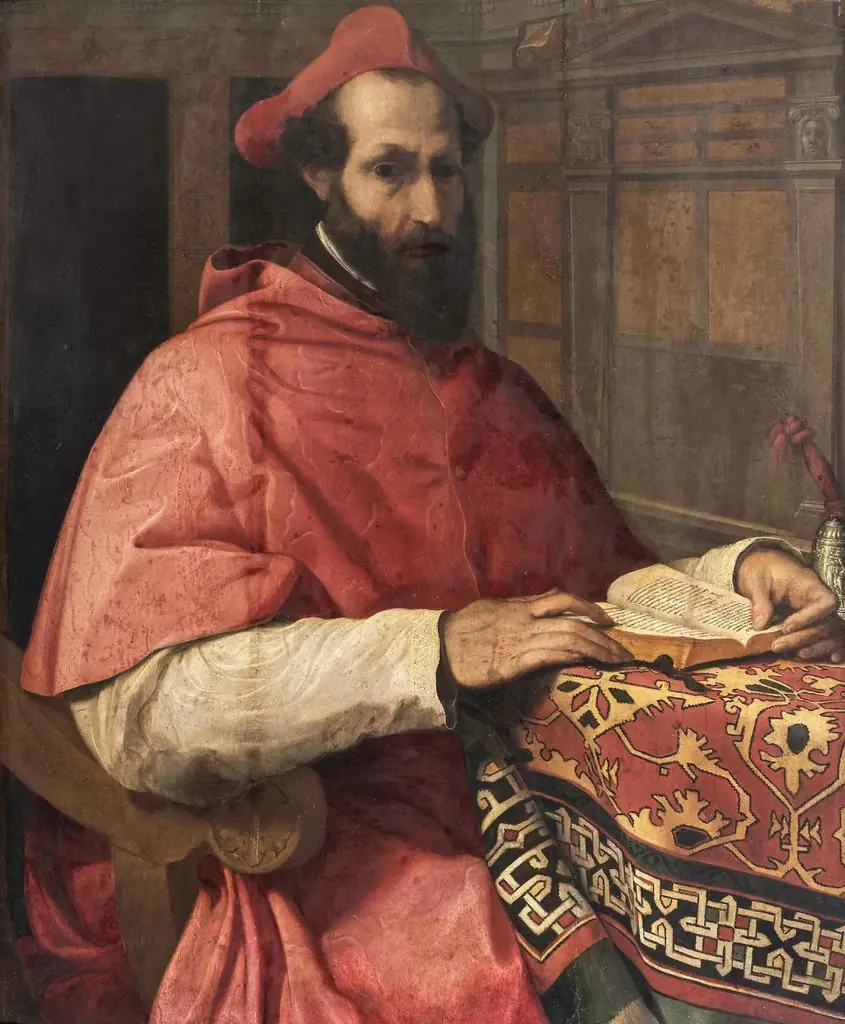 Portrait of Cardinal Marcello Cervini degli Spannocchi
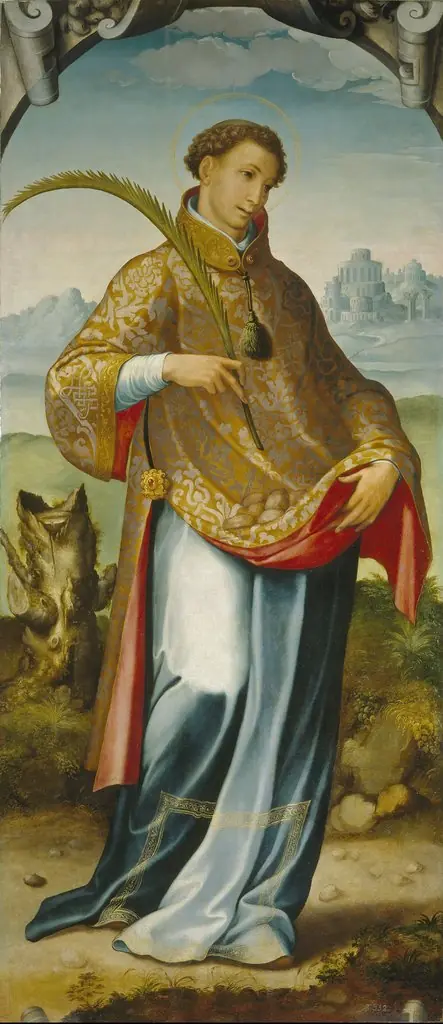 Saint Stephen
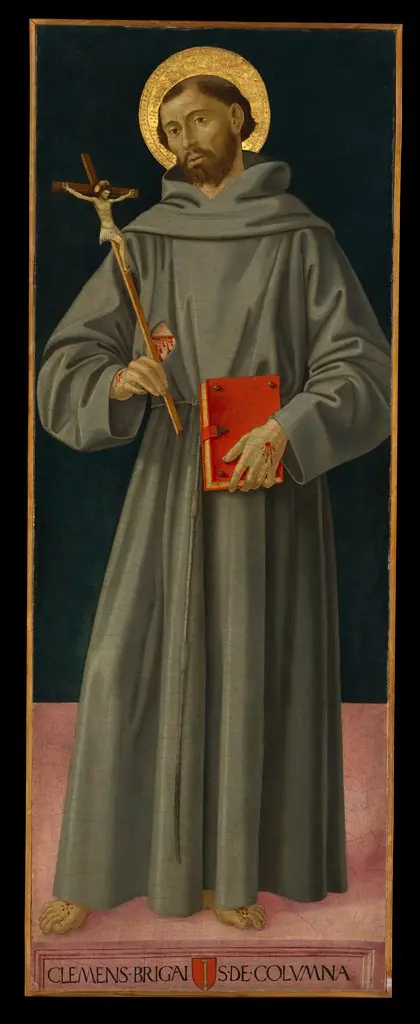 Saint Francis of Assisi
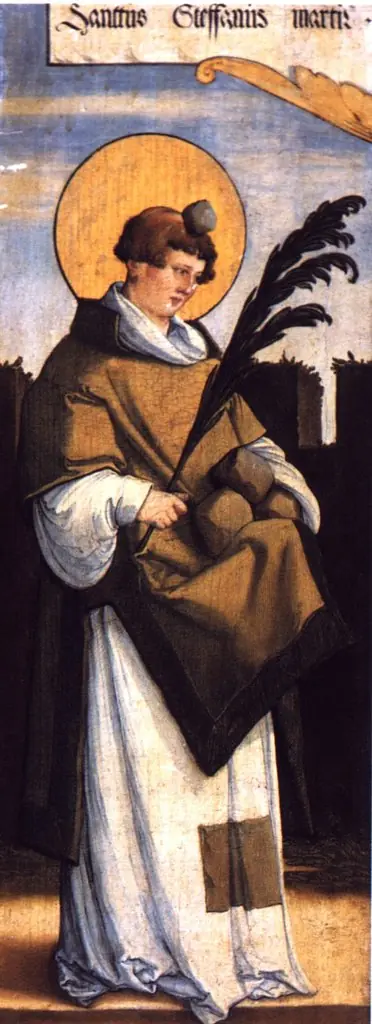 Saint Stephen
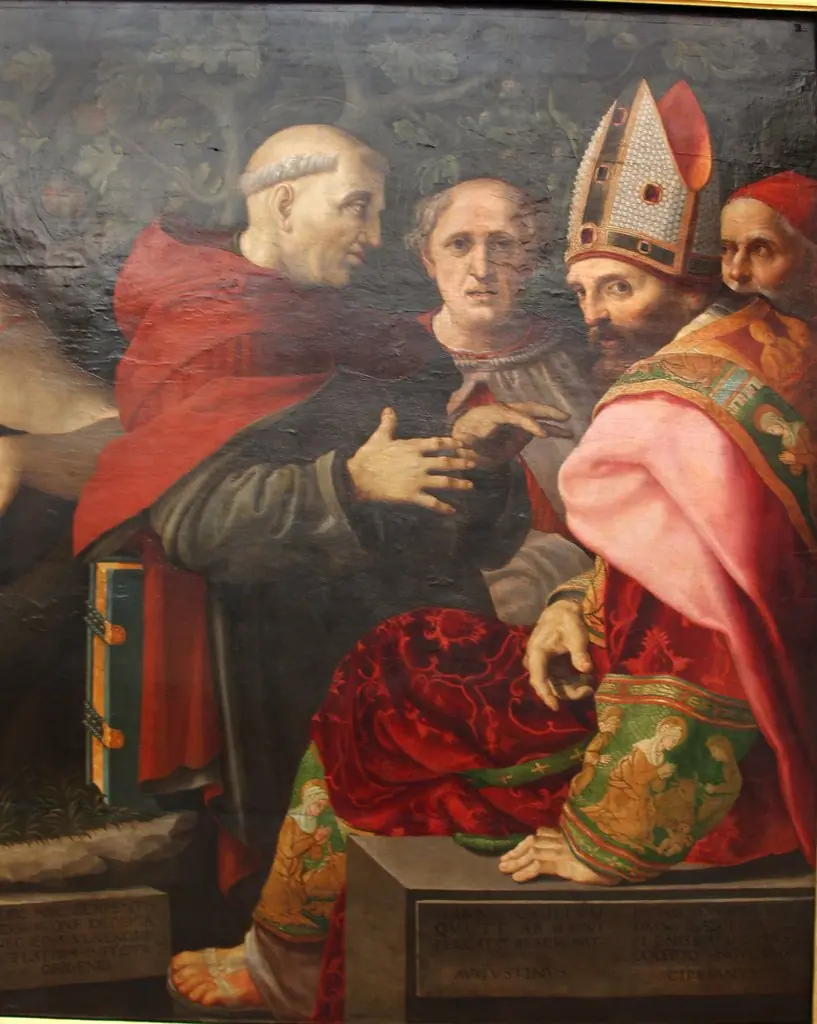 Der Disput von Kirchenlehrern über das Mysterium der unbefleckten Empfängnis
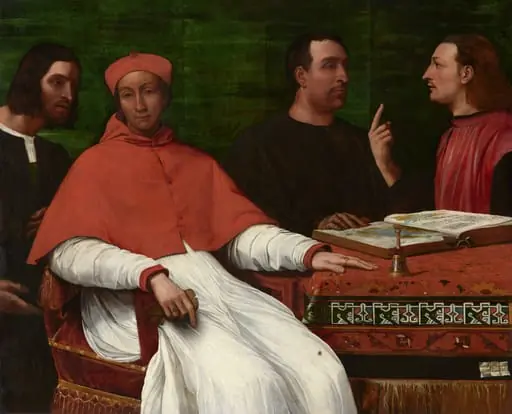 Cardinal Bandinello Sauli, His Secretary, and Two Geographers
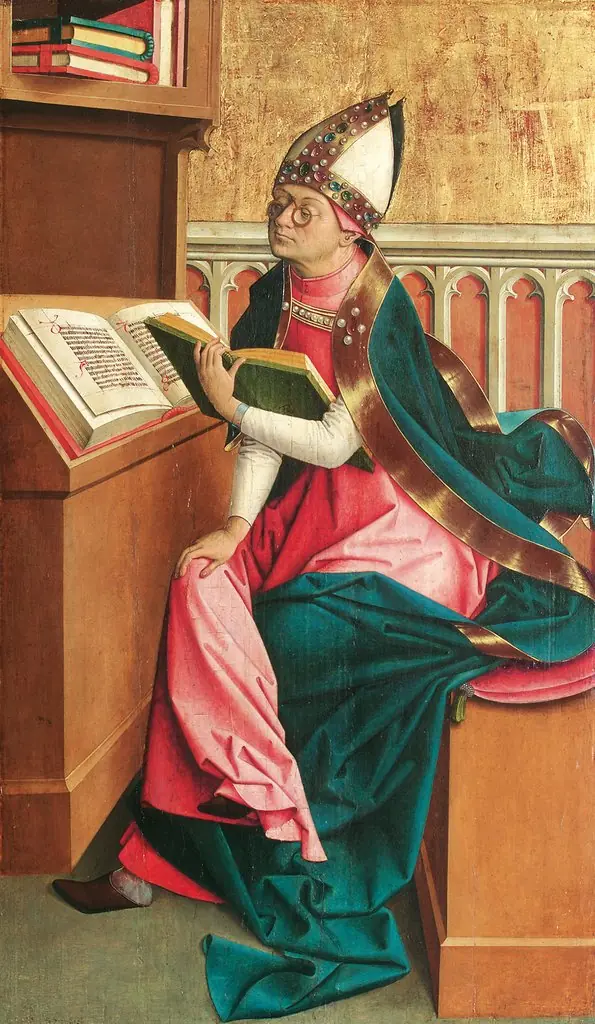 Hl. Augustinus
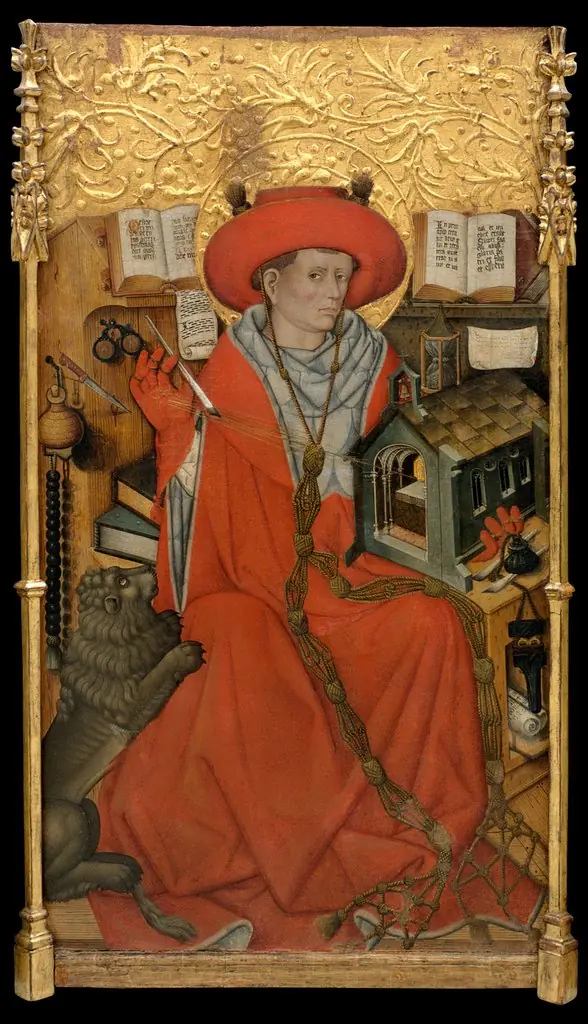 Saint Jerome in his Study
 Saint John the Baptist (after The Ghent Altarpiece)