Artwork
Saint Jerome

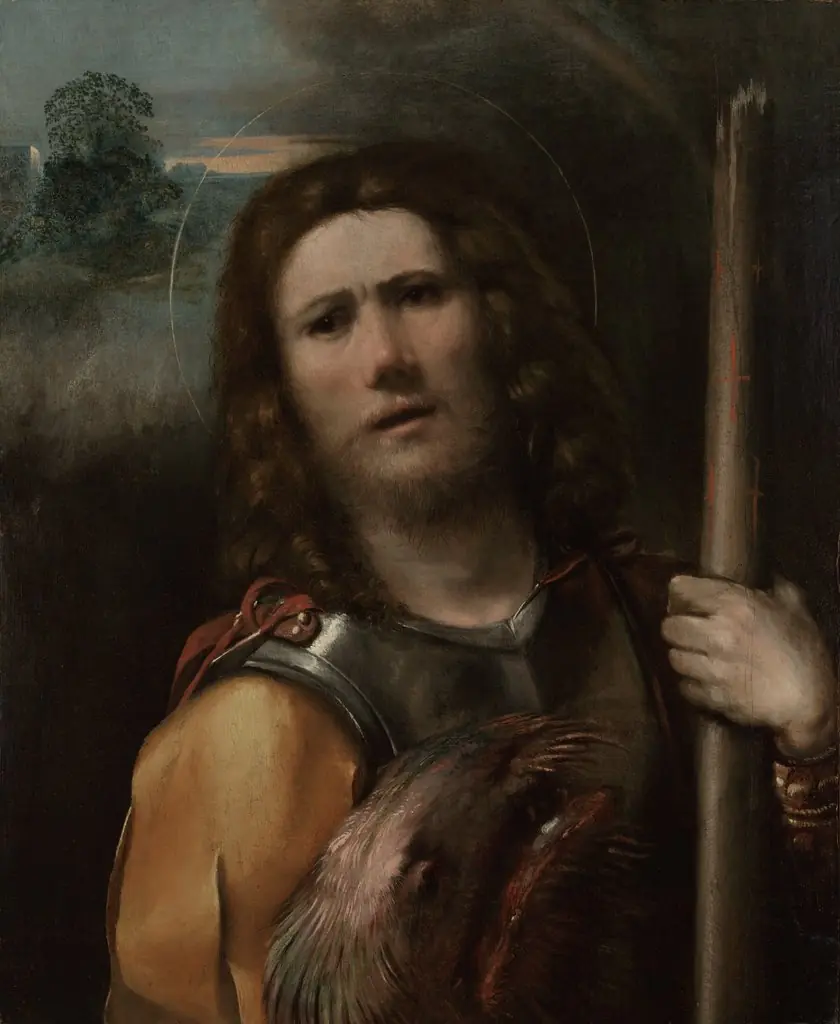
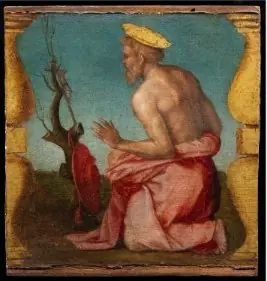
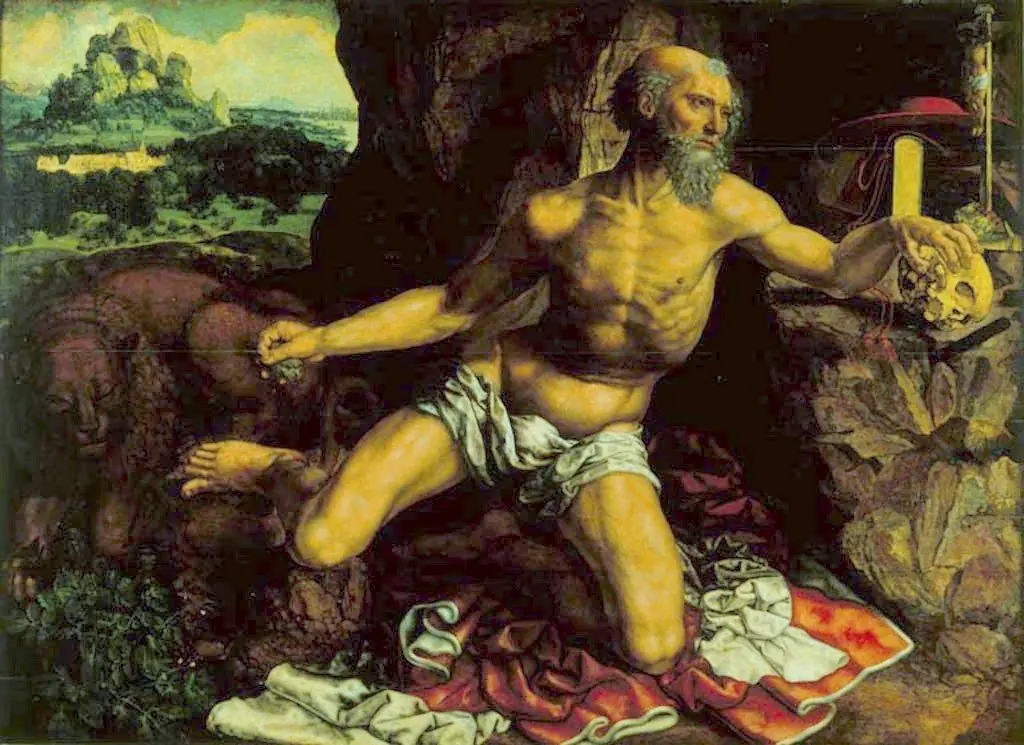
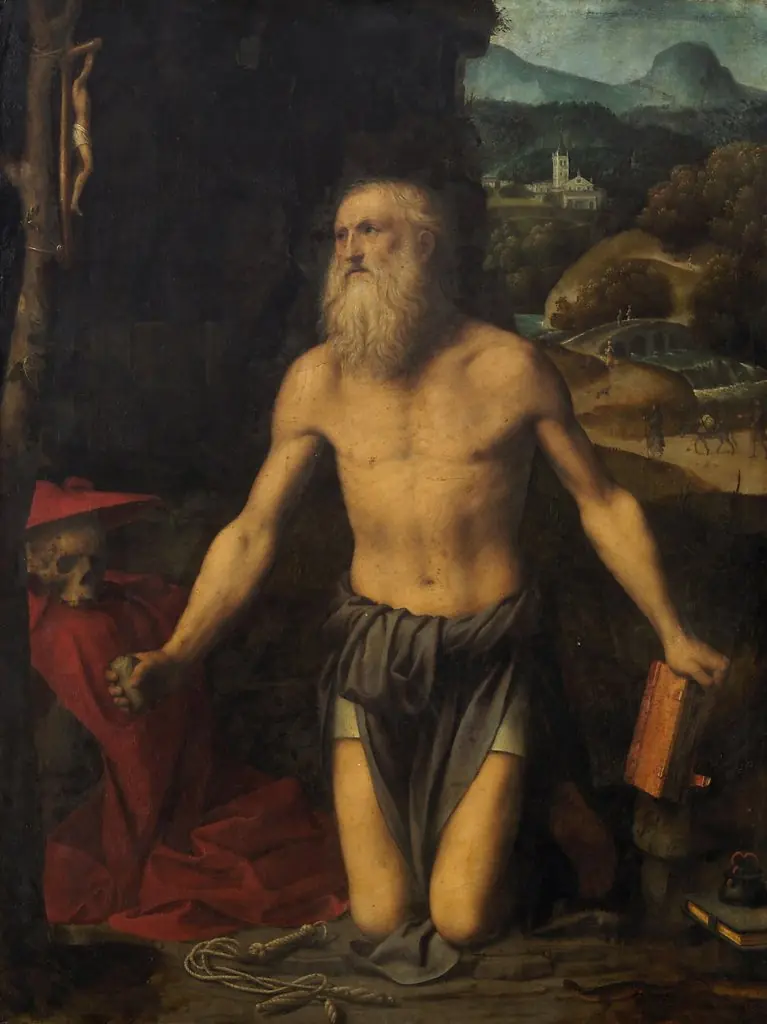
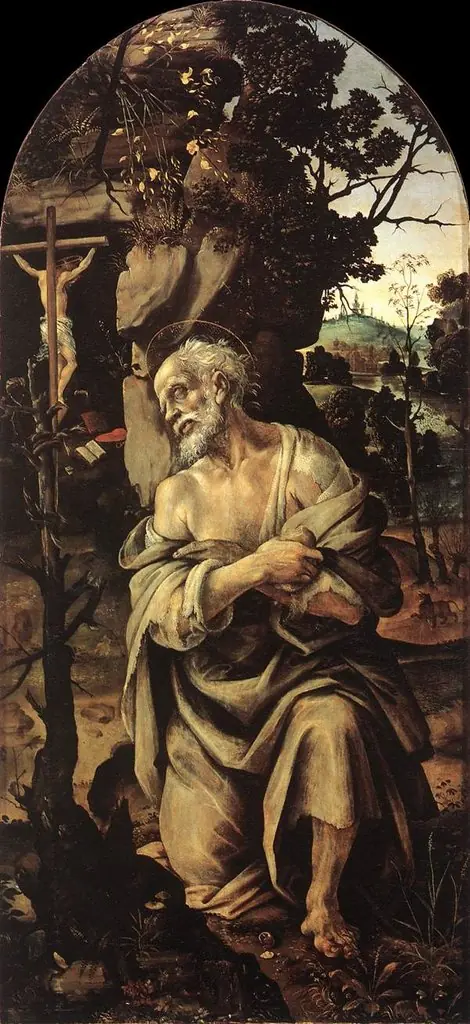
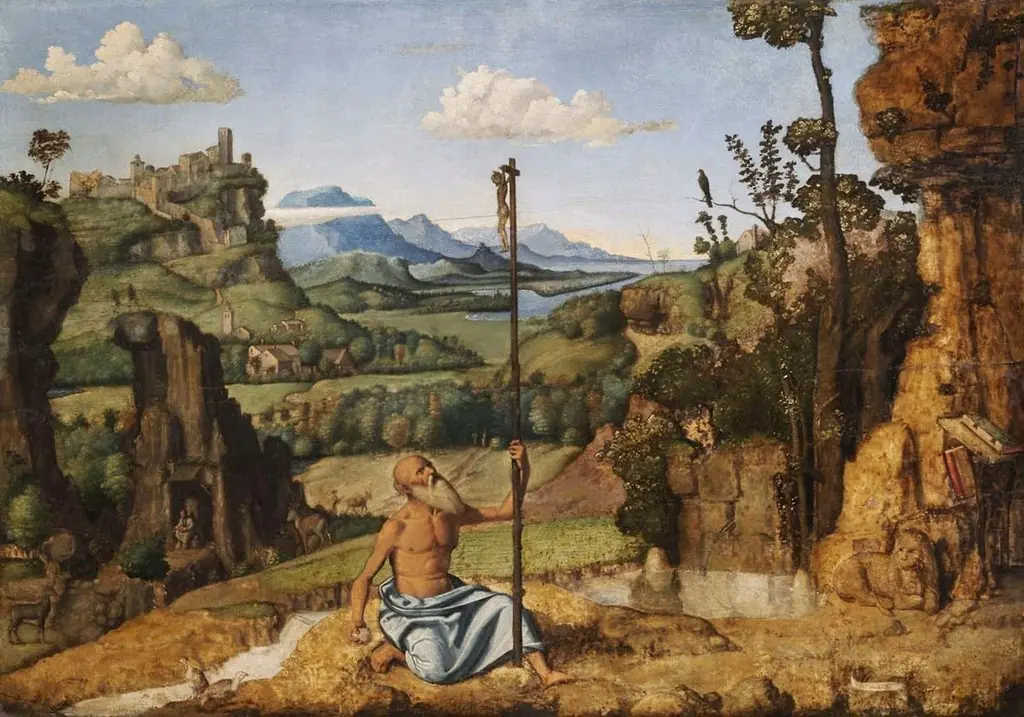
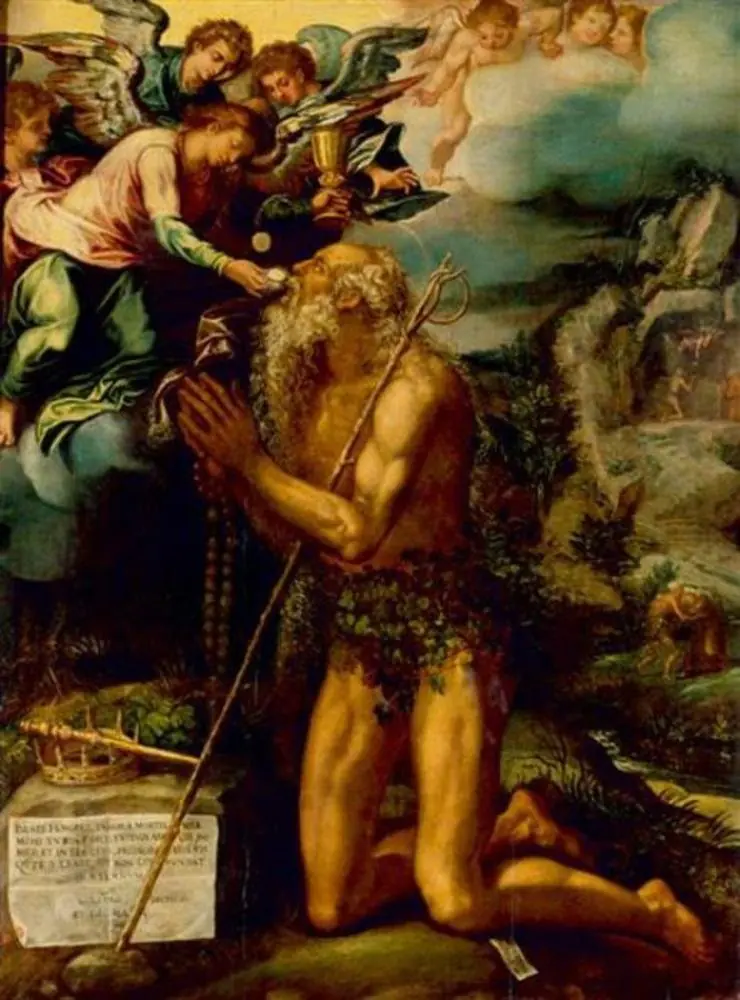
Saint Jerome is an oil painting by the Mannerist artist Dosso Dossi. It dates from 1519 and is held in the collection of the Kunsthistorisches Museum.
About this work
Overview
Dosso Dossi's *Saint Jerome* (1519) is a Mannerist-style religious painting. As a court artist to the Este Dukes from 1514 until his death in 1542, Dosso Dossi was central to Ferrara's flourishing artistic scene during the Italian Renaissance.
Subject & Meaning
The painting portrays Saint Jerome, a common subject in contemporary religious art, emphasizing themes of contemplation and devotion. The saint's pose, with outstretched arm and staff, conveys a sense of introspective engagement.
Technique & Style
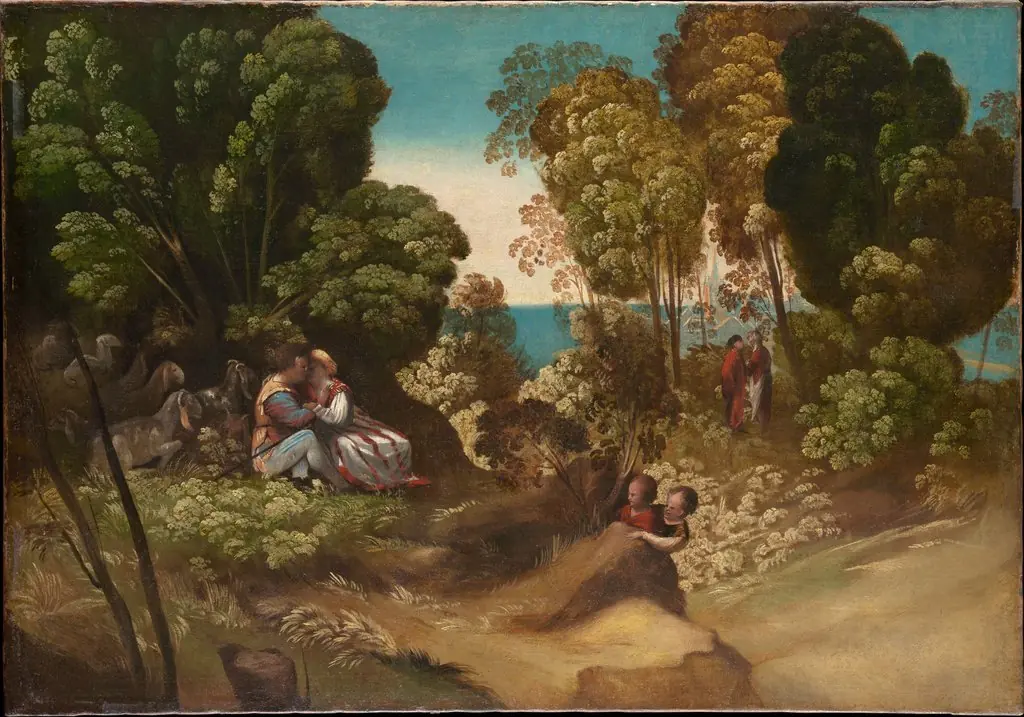
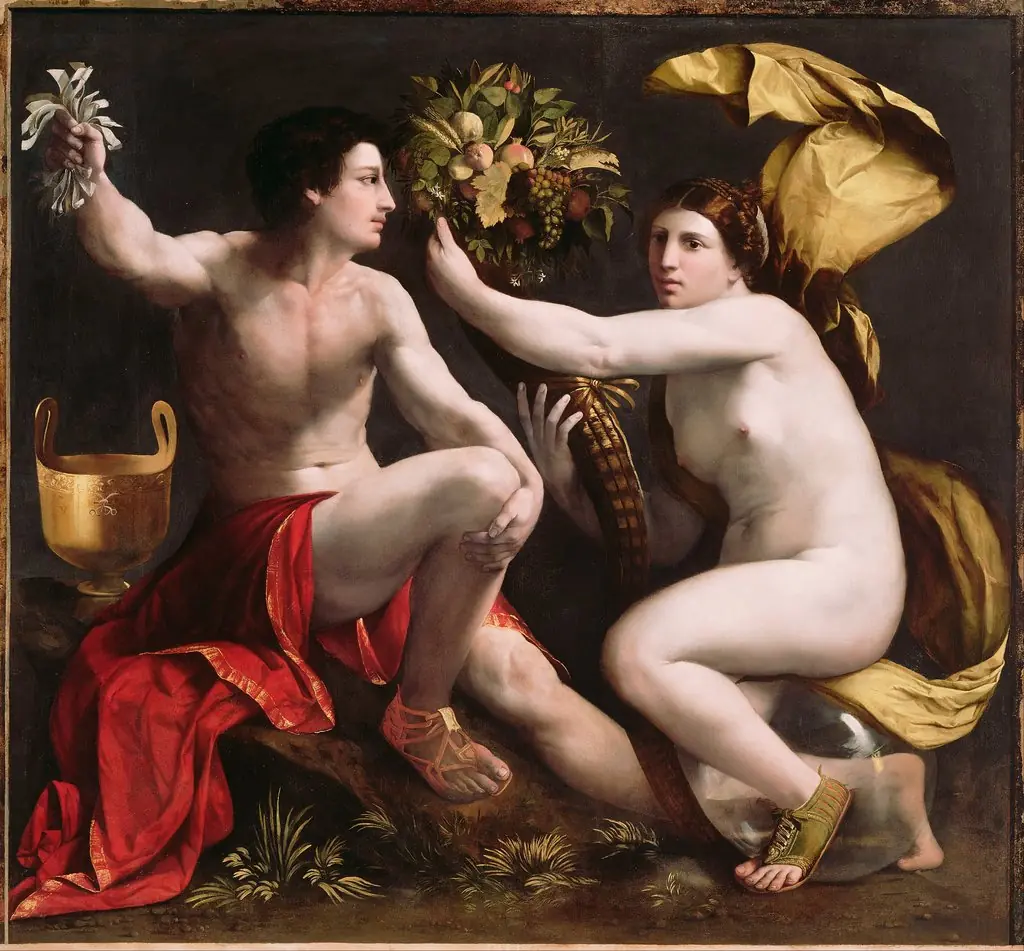
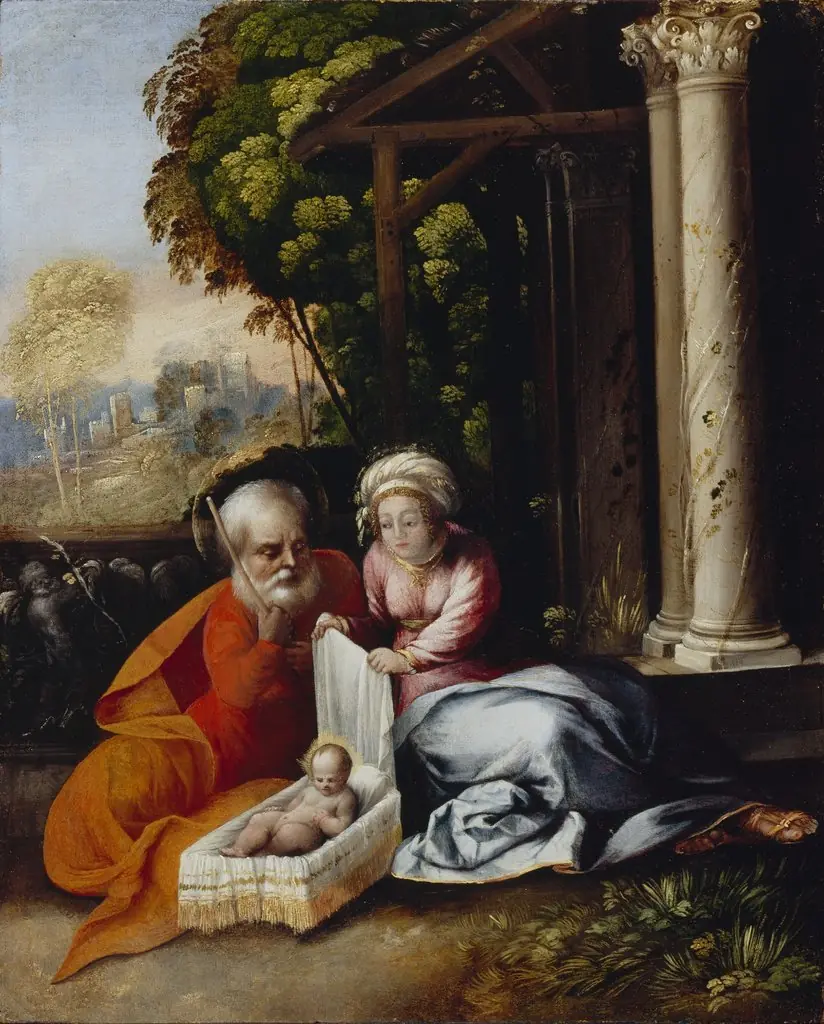
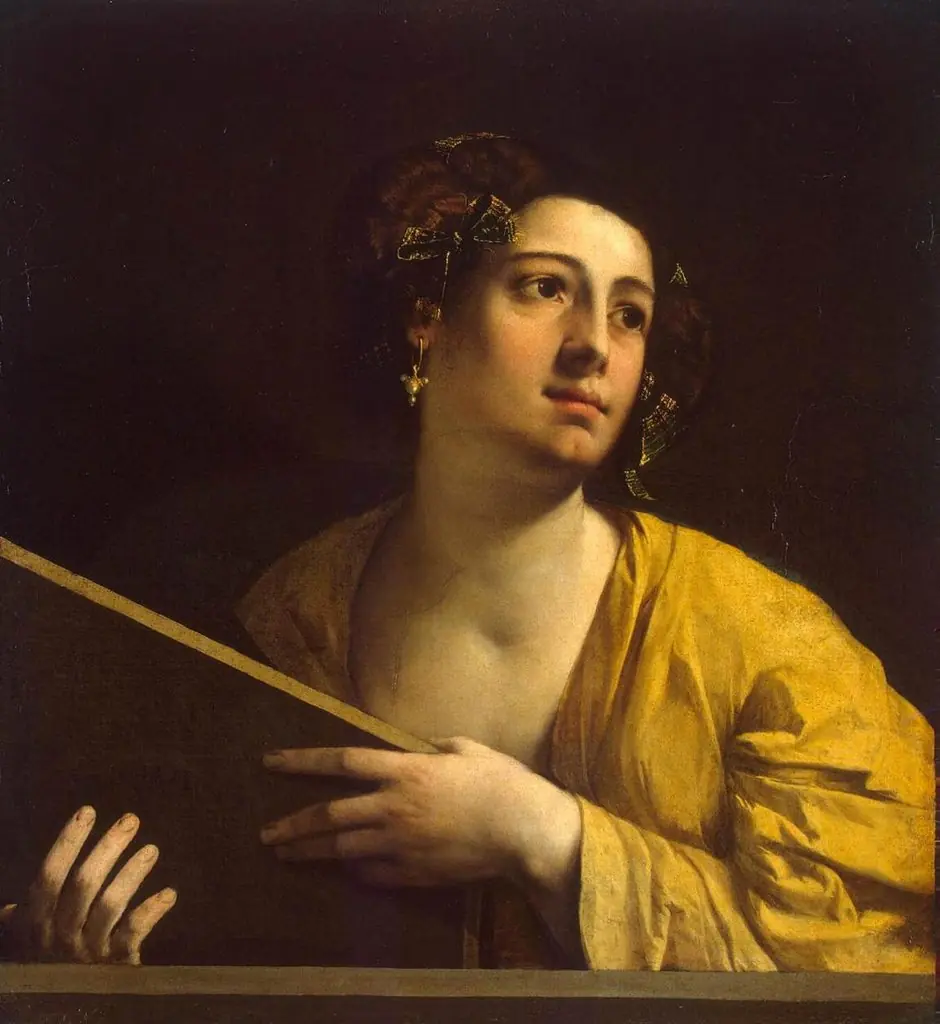
Dosso Dossi's style in *Saint Jerome* reflects Venetian influences (notably Giorgione and early Titian) alongside potential collaborative nuances from his brother Battista, trained under Raphael. The work features muted earth tones, with chiaroscuro creating depth and emphasizing the subject.
History & Provenance
Created in 1519, the painting's early history is tied to the Este court in Ferrara. Specific details of its provenance (ownership history) after the Renaissance period are not provided in available sources.
Context
Produced during Ferrara's peak as an artistic hub, *Saint Jerome* embodies the transitional aesthetic from Renaissance to Mannerist styles, characteristic of the region's artistic output in the early 16th century.
Legacy
While *Saint Jerome* contributes to the broader understanding of Mannerist development in Italy, its specific impact on subsequent artistic movements or notable mentions in art historical discourse are not highlighted in the provided sources.
Artist & collection

Artist
Giovanni di Niccolò de Luteri, better known as Dosso Dossi (c. 1489–1542) was an Italian Renaissance painter who belonged to the School of Ferrara, painting in a style mainly influenced by Venetian painting, in…