Artwork
Susannah and the Elders
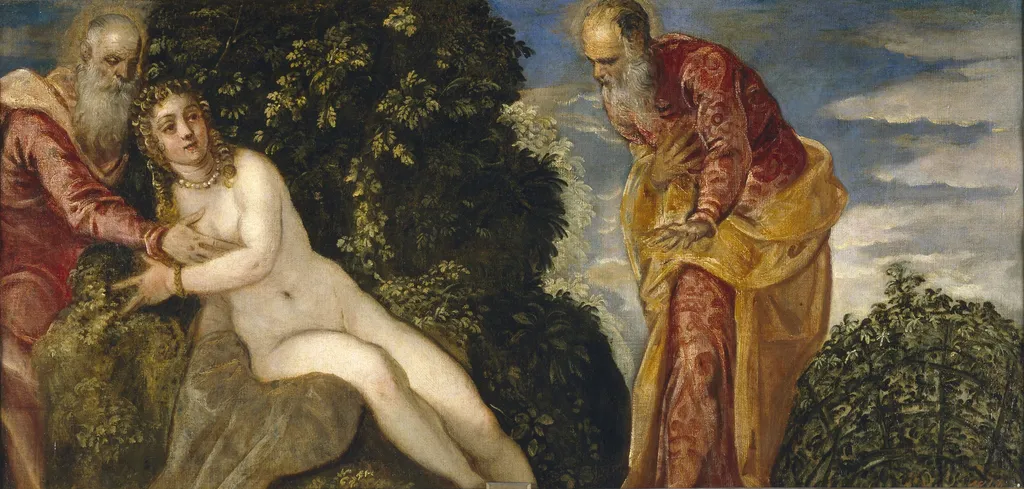
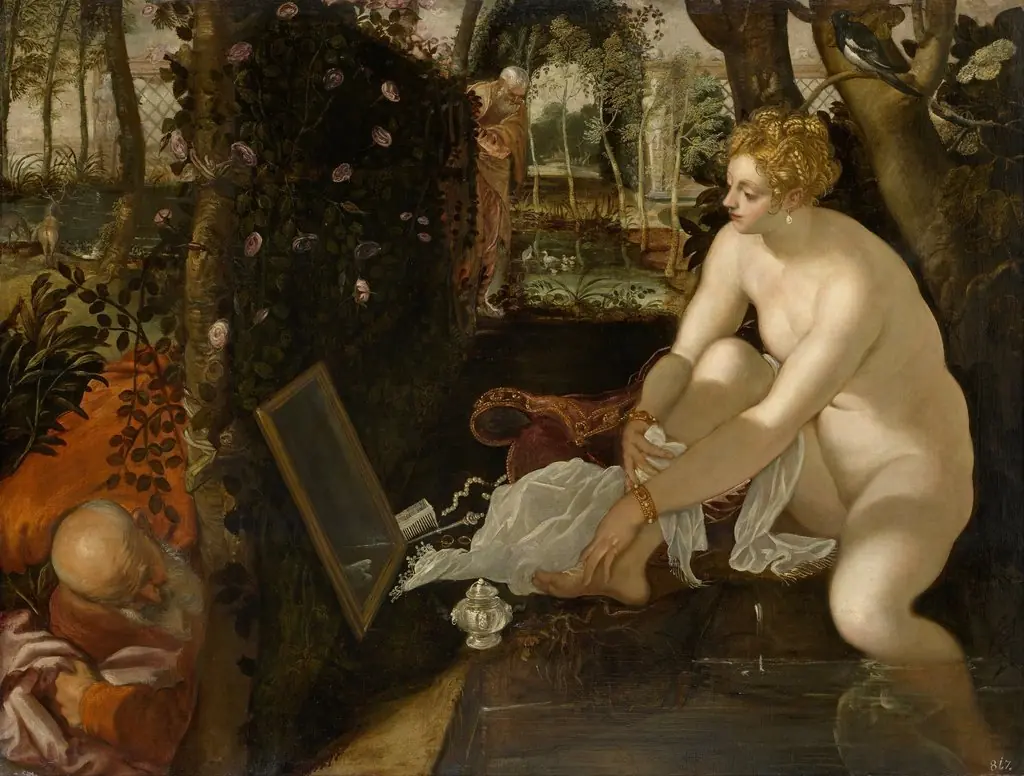
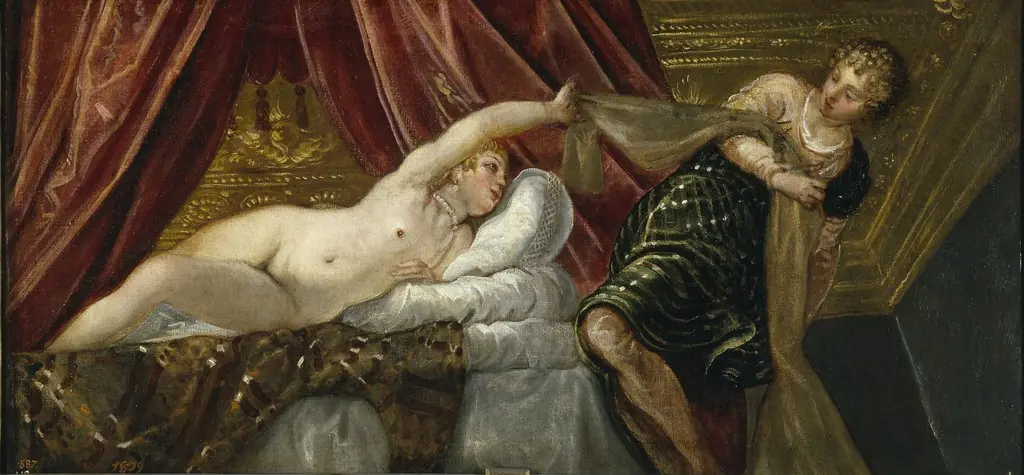
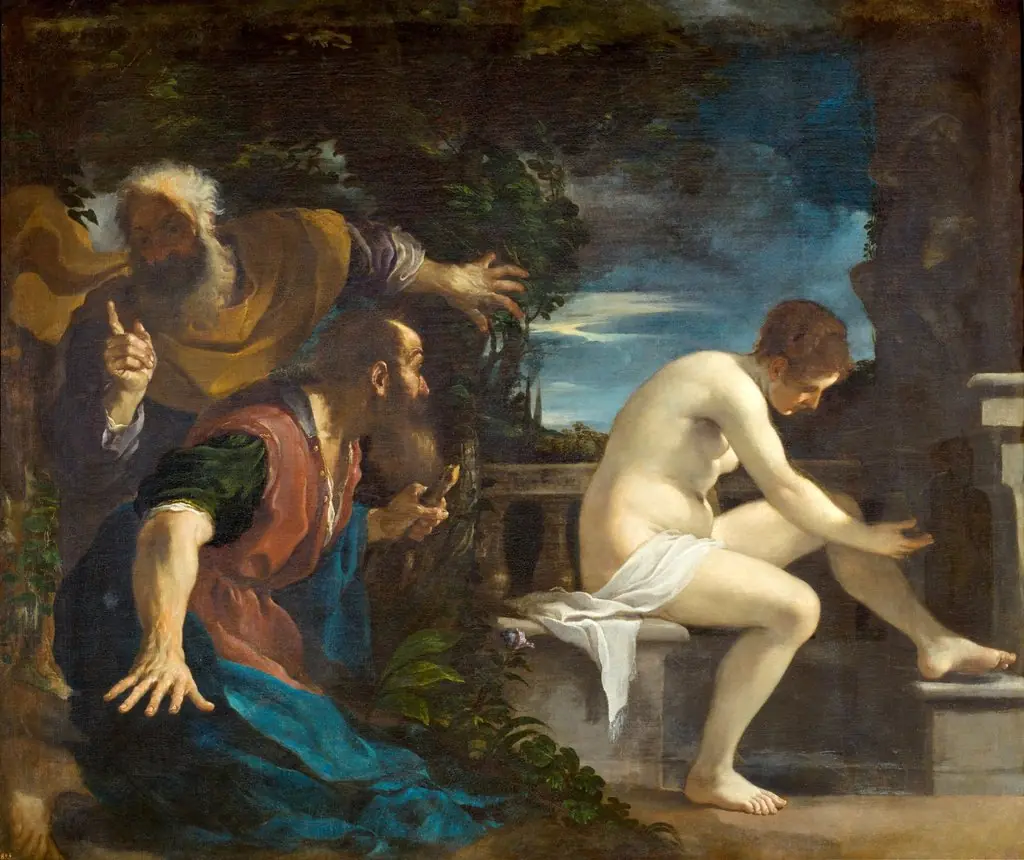
Susannah and the Elders is an oil painting by the Mannerist artist Jacopo Tintoretto. It dates from 1552 and is held in the collection of the Museo del Prado.
About this work
Overview
Tintoretto's *Susannah and the Elders* (1552) is a Mannerist-style oil painting depicting a dramatic biblical scene. Characterized by intense gestures and innovative perspective, it showcases the artist's distinctive approach.
Subject & Meaning
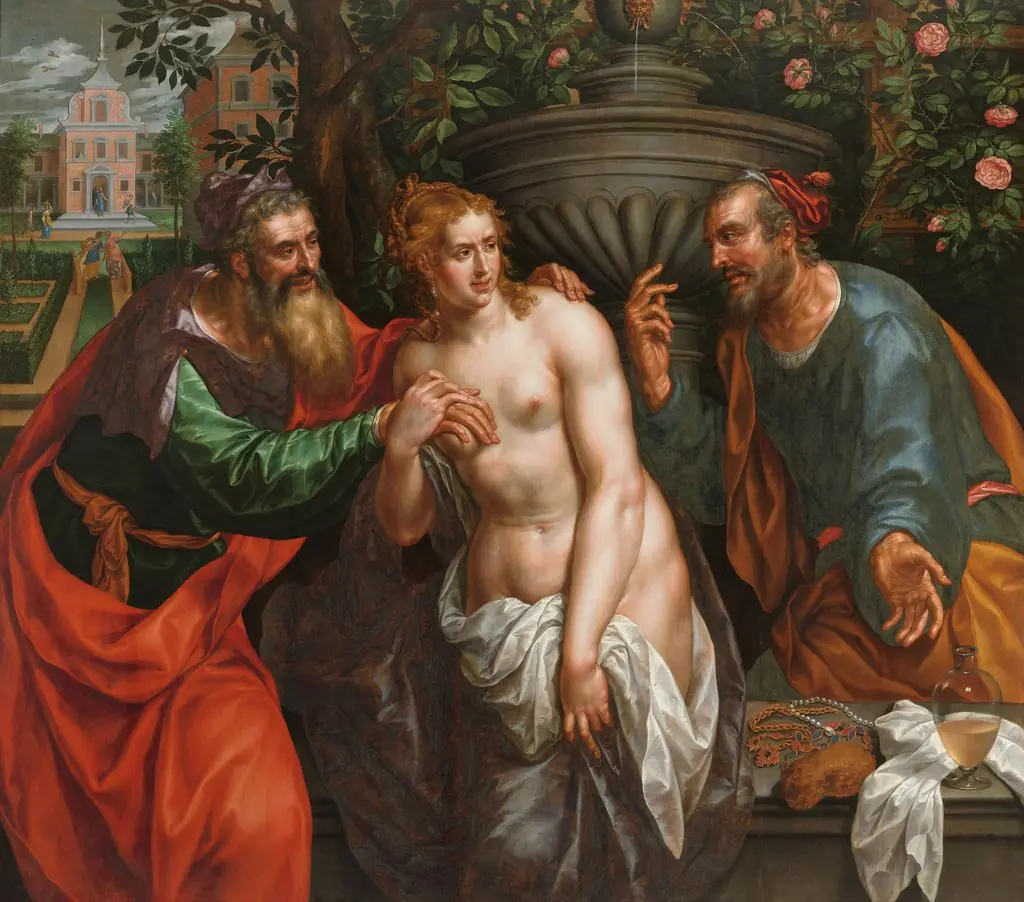
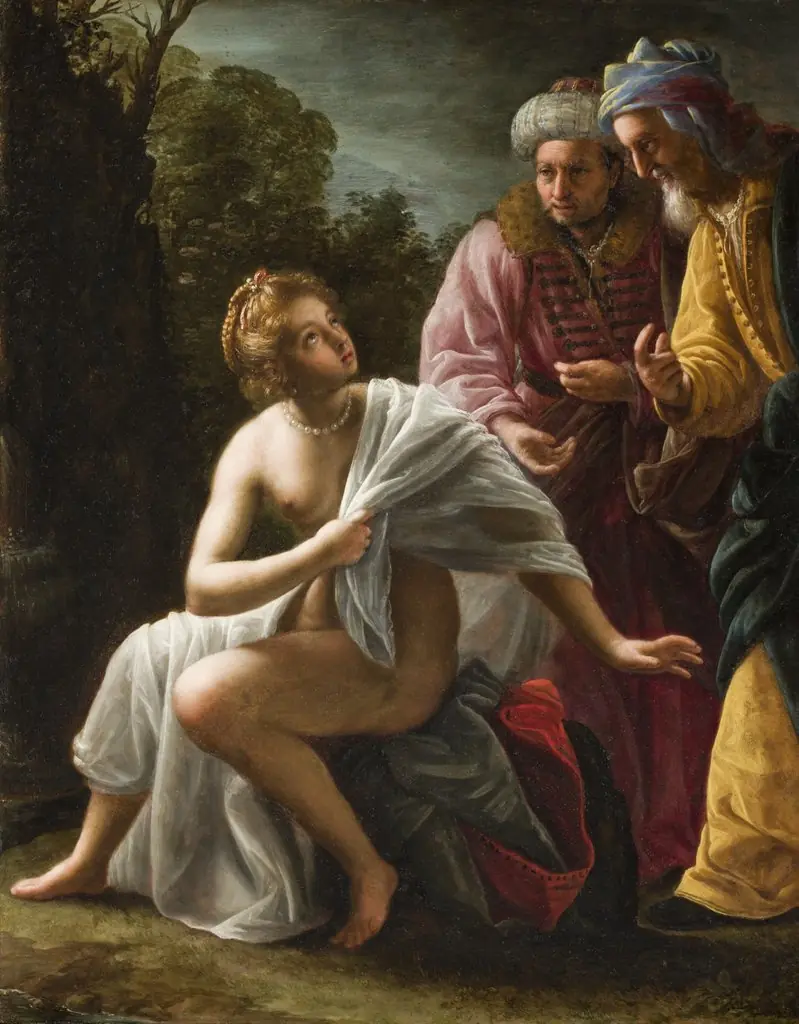
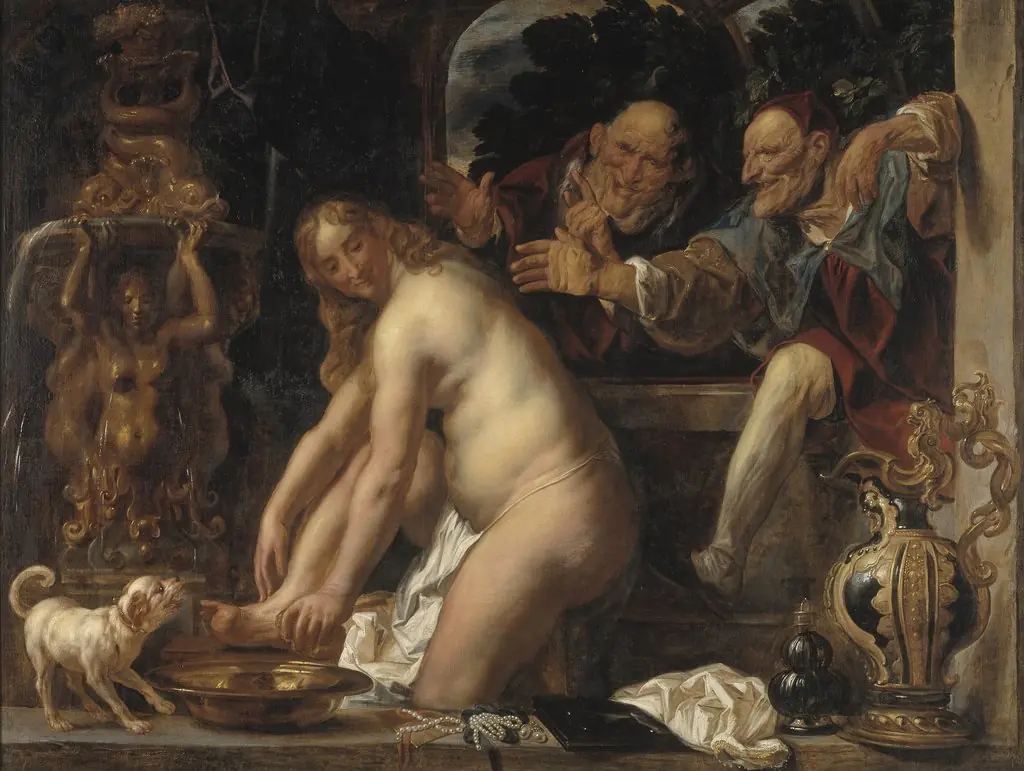
The painting illustrates a moment from the apocryphal story of Susannah, where she is harassed by two elders. Susannah's calm expression contrasts with her tense body language, while the elders' aggressive gestures and expressions convey menace.
Technique & Style
Tintoretto employs chiaroscuro to heighten drama, with bold, energetic brushwork and muscular figures typical of his Mannerist style. The composition features a striking spatial arrangement, emphasizing the confrontation between the figures.
History & Provenance
Created in 1552, the painting is part of the Museo del Prado's collection. Tintoretto was renowned in his lifetime for swift execution and unconventional techniques.
Context
As a Mannerist work, *Susannah and the Elders* reflects the movement's emphasis on emotional intensity and unconventional spatiality, distinguishing it from the harmony of the High Renaissance.
Legacy
This work contributes to Tintoretto's reputation as a leading Venetian Mannerist, influencing subsequent generations with its dynamic and emotionally charged depiction of biblical themes.
Artist & collection
Artist
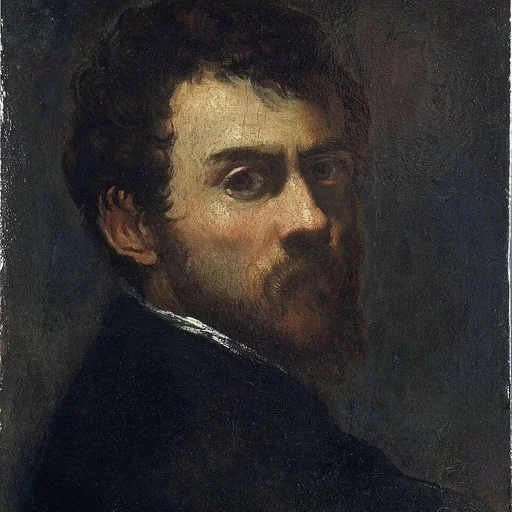
Jacopo Robusti (late September or early October 1518 – 31 May 1594), best known as Tintoretto ( TIN-tə-RET-oh; Italian: ; Venetian: ), was an Italian Renaissance painter of the Venetian school.