Artwork
Saint Jerome
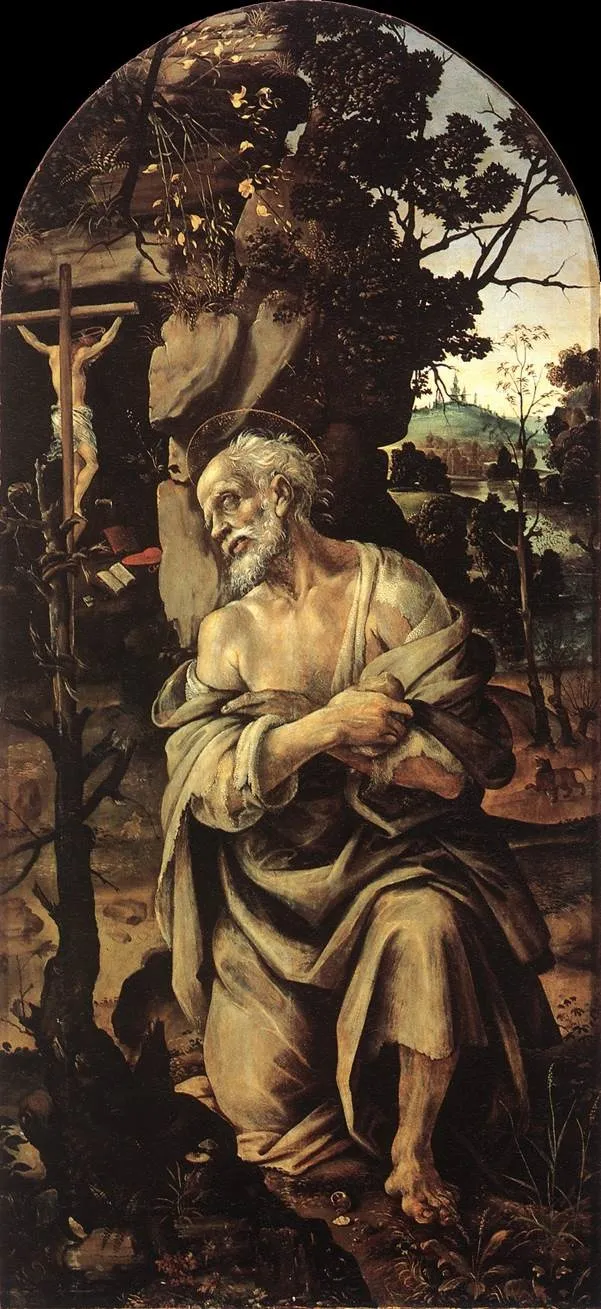
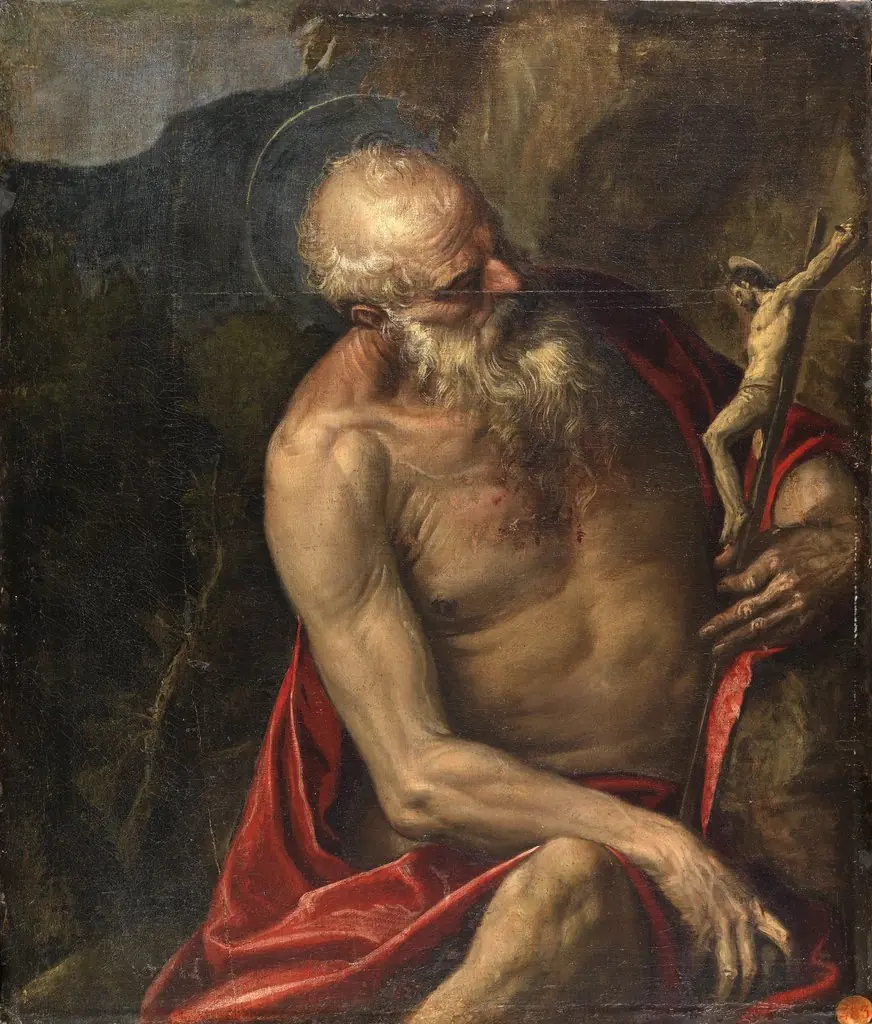
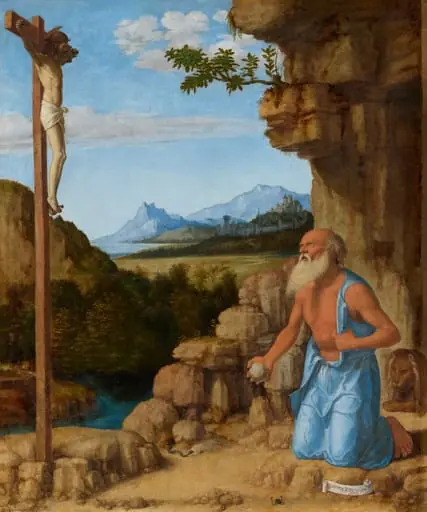
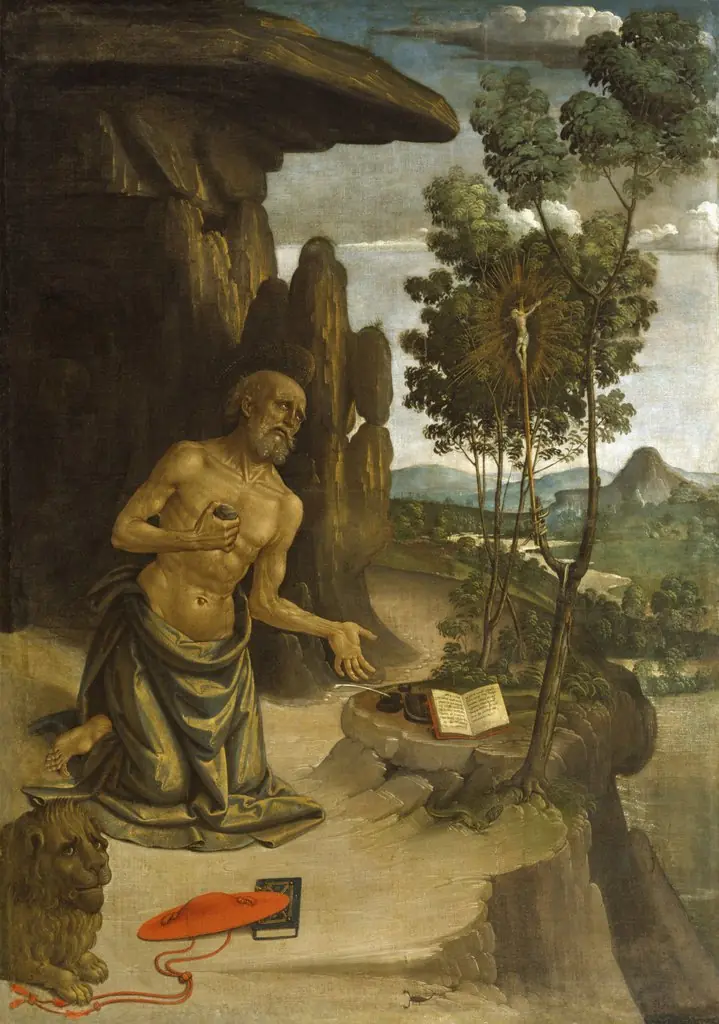
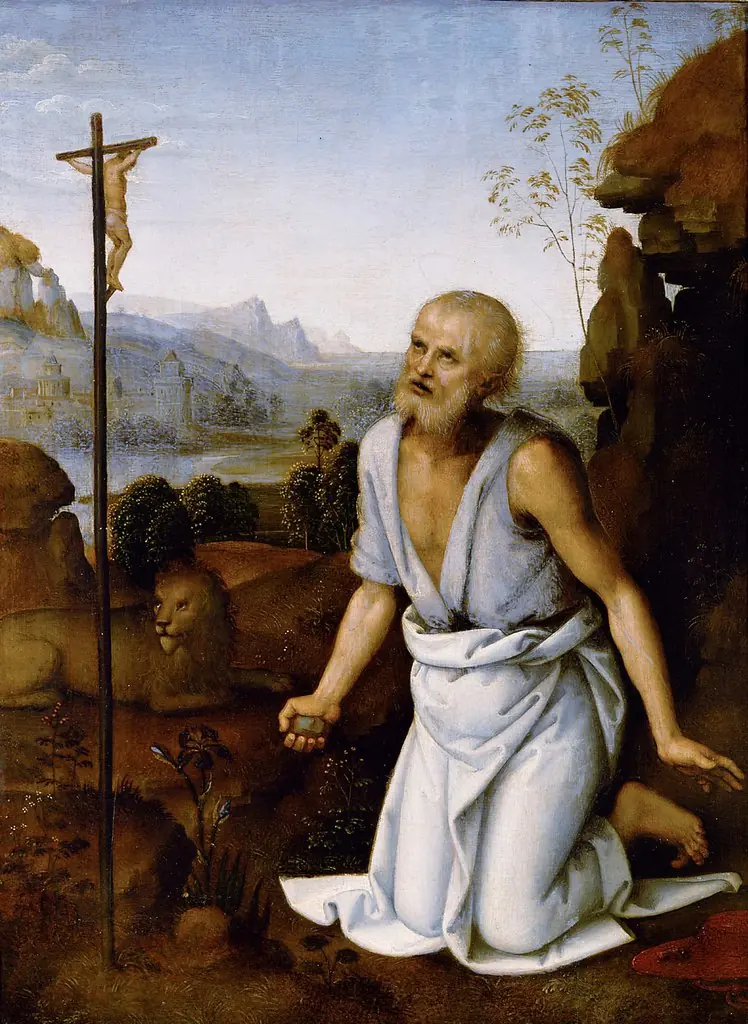
Saint Jerome is an oil painting by the Early Renaissance artist Filippino Lippi. It dates from 1497 and is held in the collection of the Uffizi Gallery.
About this work
Overview
Saint Jerome is a 1497 oil painting by Filippino Lippi, housed in the Uffizi Gallery. It depicts the saint in a contemplative setting, characterized by warm, golden tones and a serene atmosphere.
Subject & Meaning
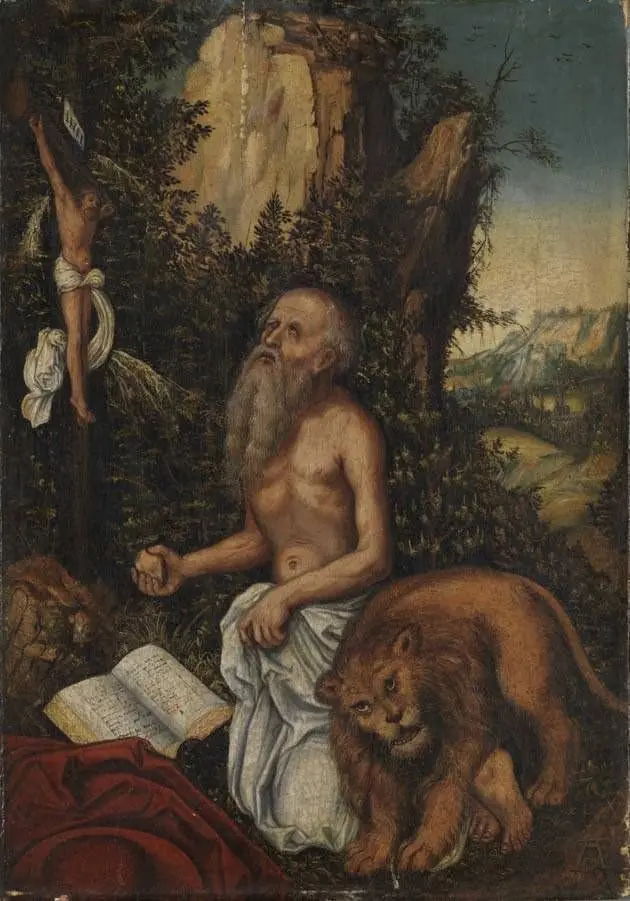
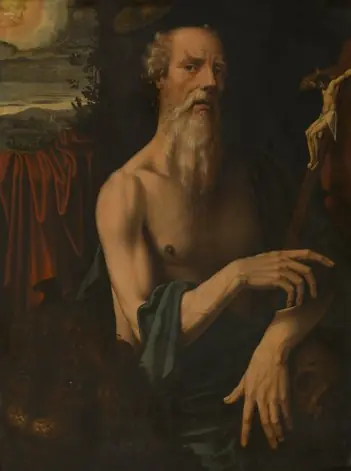
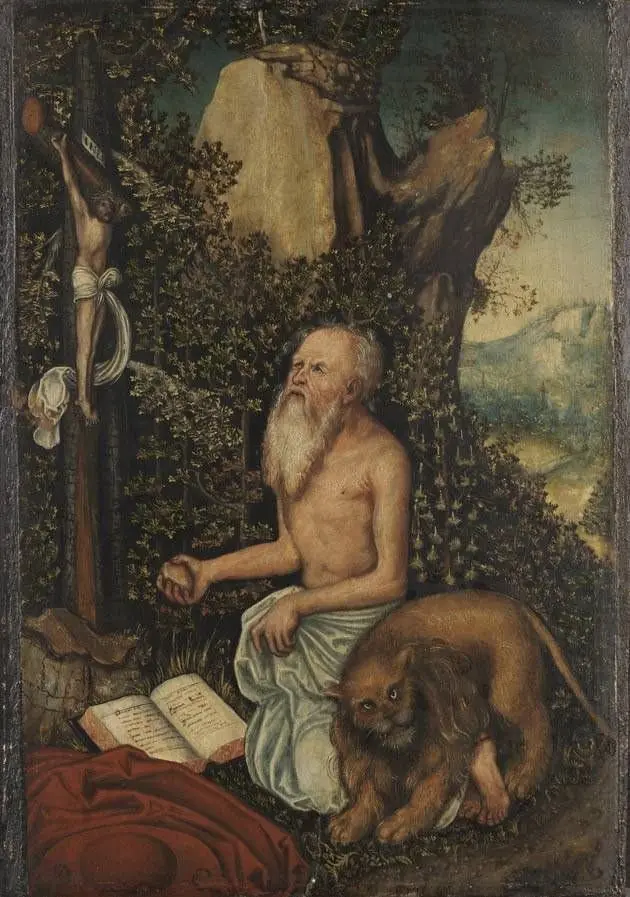
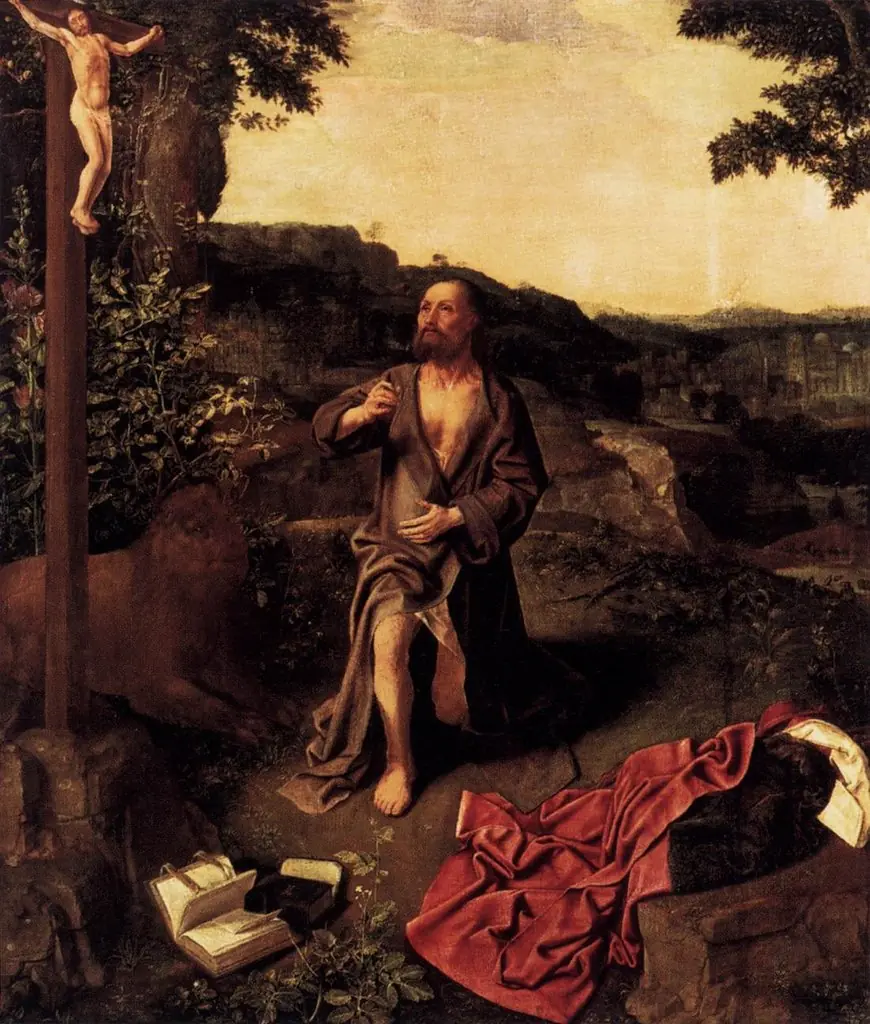
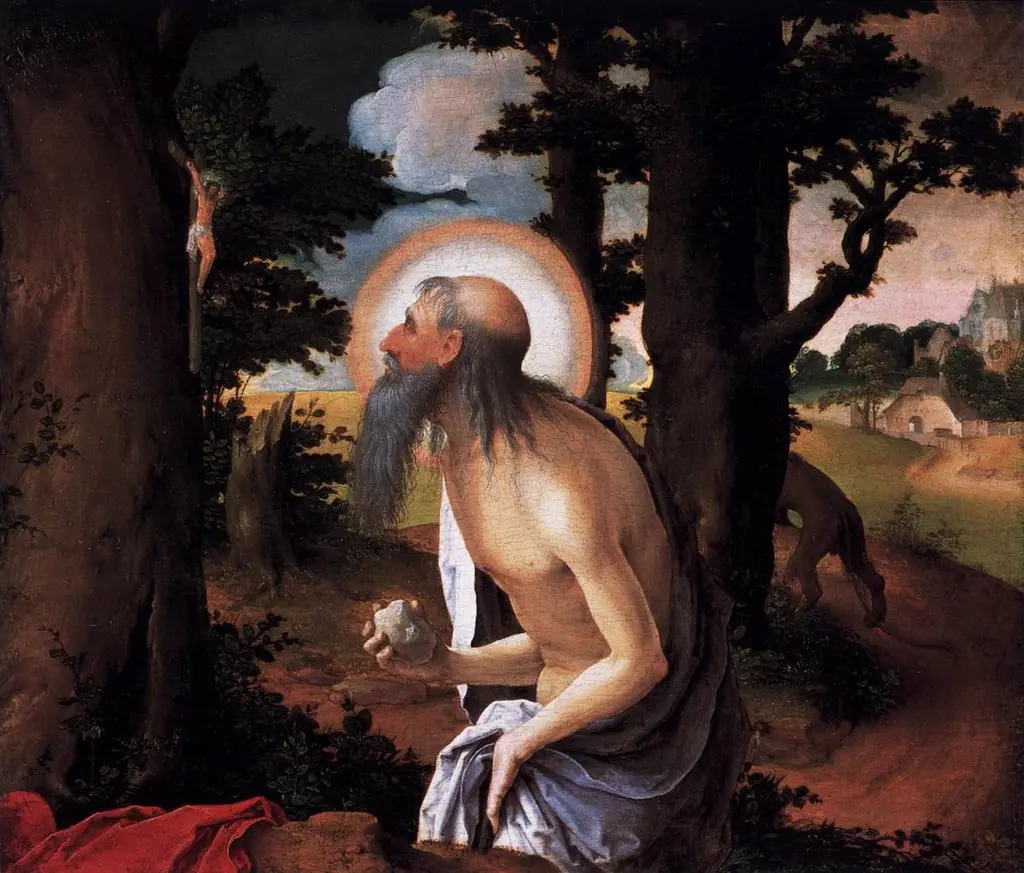
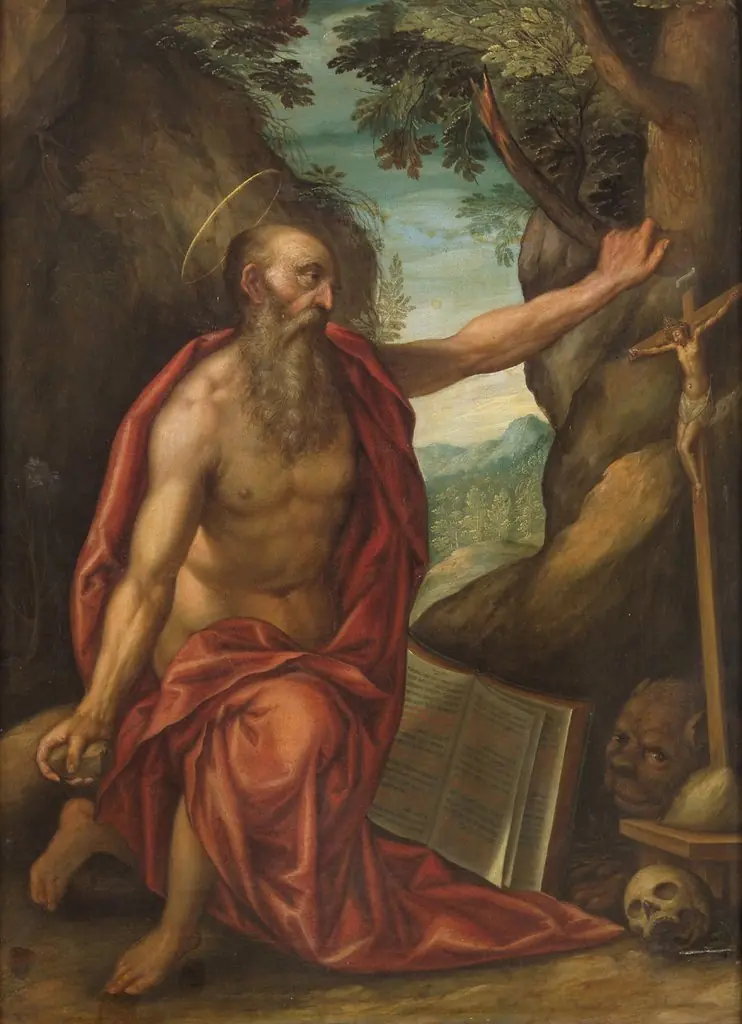
The painting portrays an aged Saint Jerome in deep thought, clad in a white robe, with symbols of his devotion (cross and crown of thorns on a rock) and nature (trees, water) in the background, conveying a sense of spiritual introspection.
Technique & Style
Lippi employed chiaroscuro to create depth and volume, evident in the interplay of light and shadow across the figure and landscape, enhancing the overall sense of tranquility and three-dimensionality.
History & Provenance
Created in 1497, the work is part of Filippino Lippi's oeuvre from his time in Florence, reflecting his focus on religious subjects during the Early to High Renaissance transition.
Context
Saint Jerome reflects the Renaissance interest in religious figures and contemplative themes, set against the backdrop of Lippi's work across Italy (Florence, Rome, Milan, Bologna), blending spiritual depth with emerging artistic techniques.
Legacy
The painting stands as an example of Lippi's contribution to the development of Renaissance art, particularly in the effective use of chiaroscuro to evoke emotional and spatial depth in religious themes.
Artist & collection
Artist
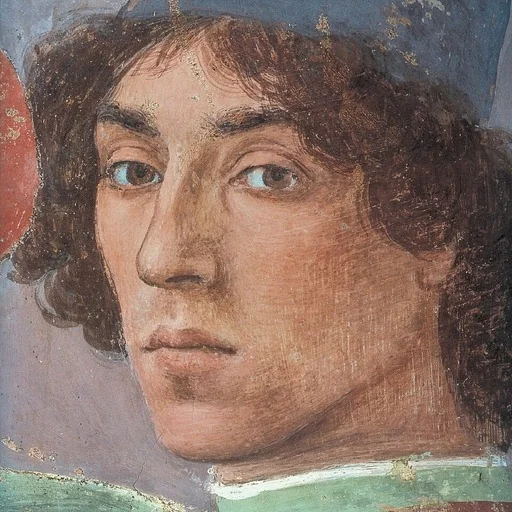
Filippino Lippi (probably 1457 – 18 April 1504) was an Italian Renaissance painter mostly working in Florence, Italy during the later years of the Early Renaissance and first few years of the High Renaissance.

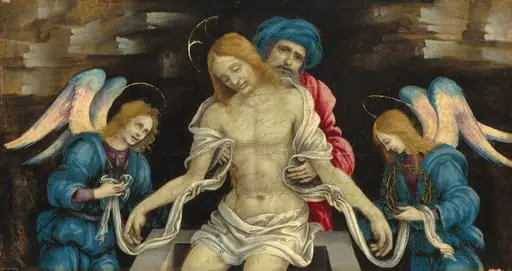 Pietà (The Dead Christ Mourned by Nicodemus and Two Angels)
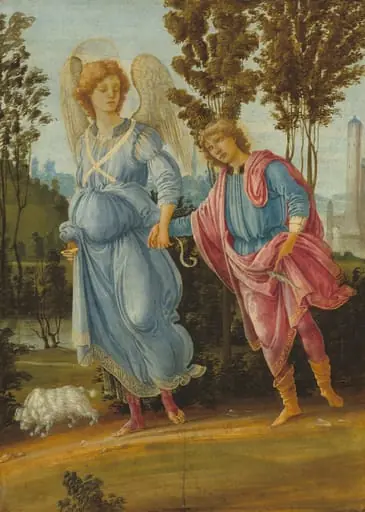 Tobias and the Angel
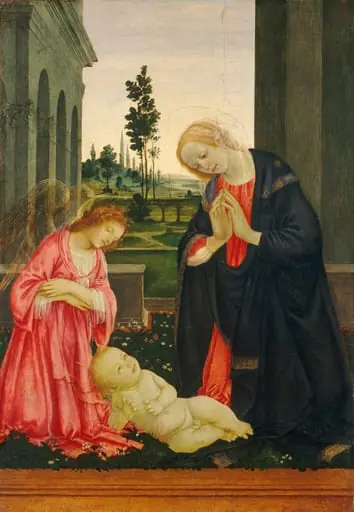 The Adoration of the Child
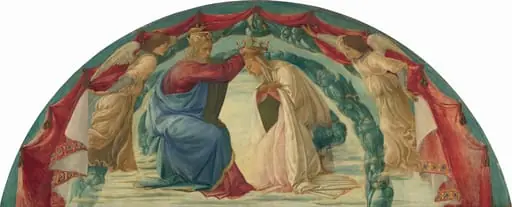 The Coronation of the Virgin
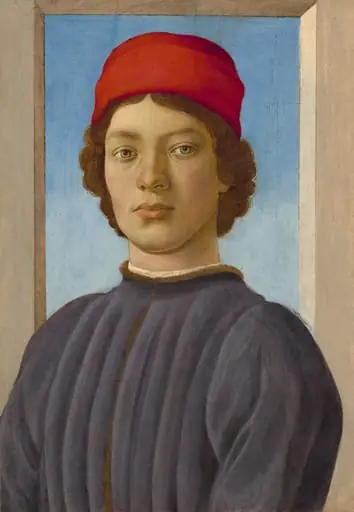 Portrait of a Youth
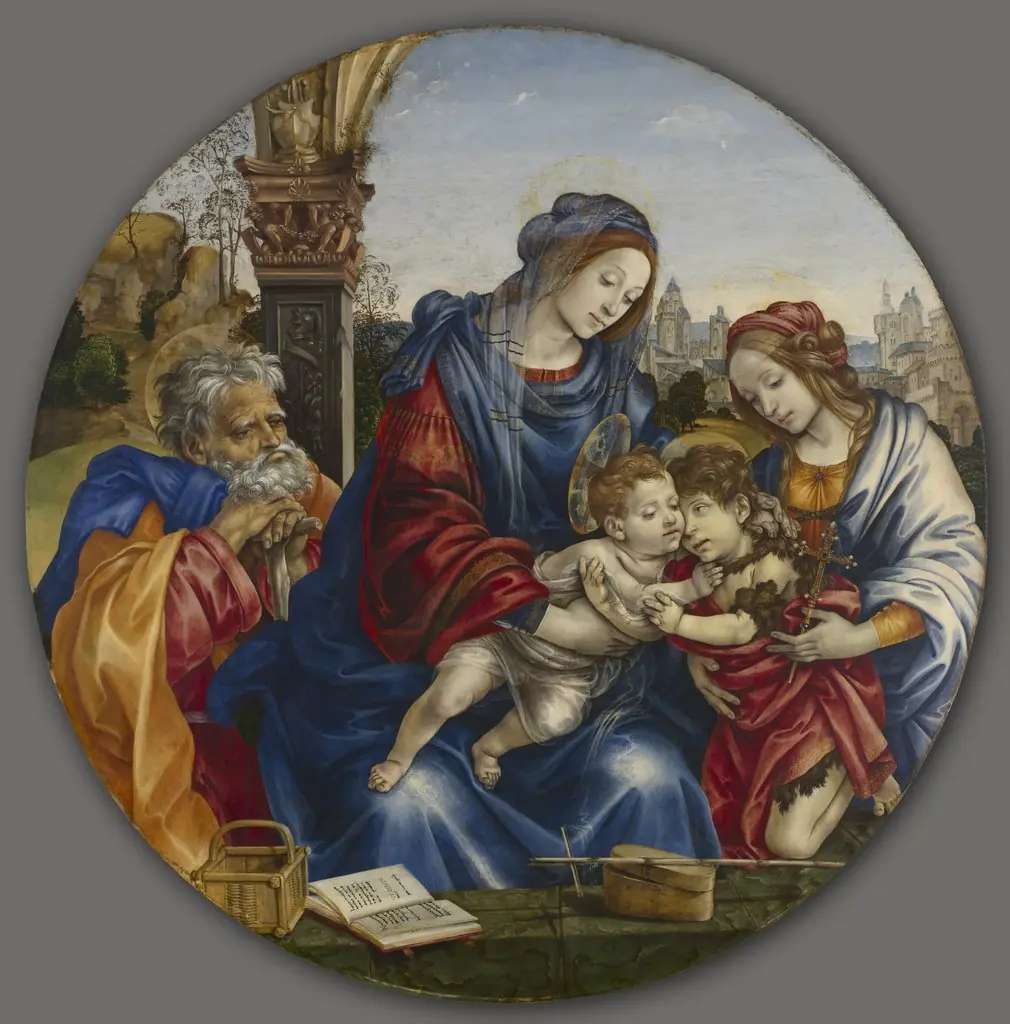 The Holy Family with Saint John the Baptist and Saint Margaret
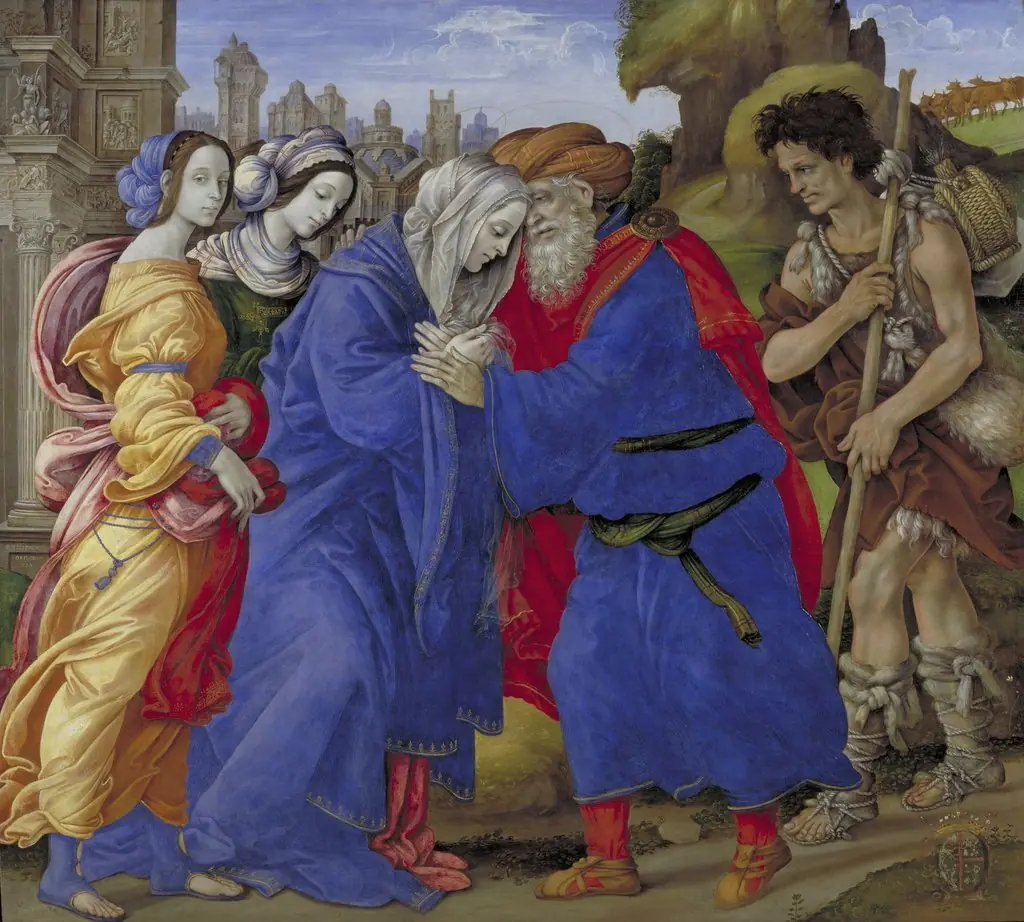 The Meeting of Joachim and Anne outside the Golden Gate of Jerusalem
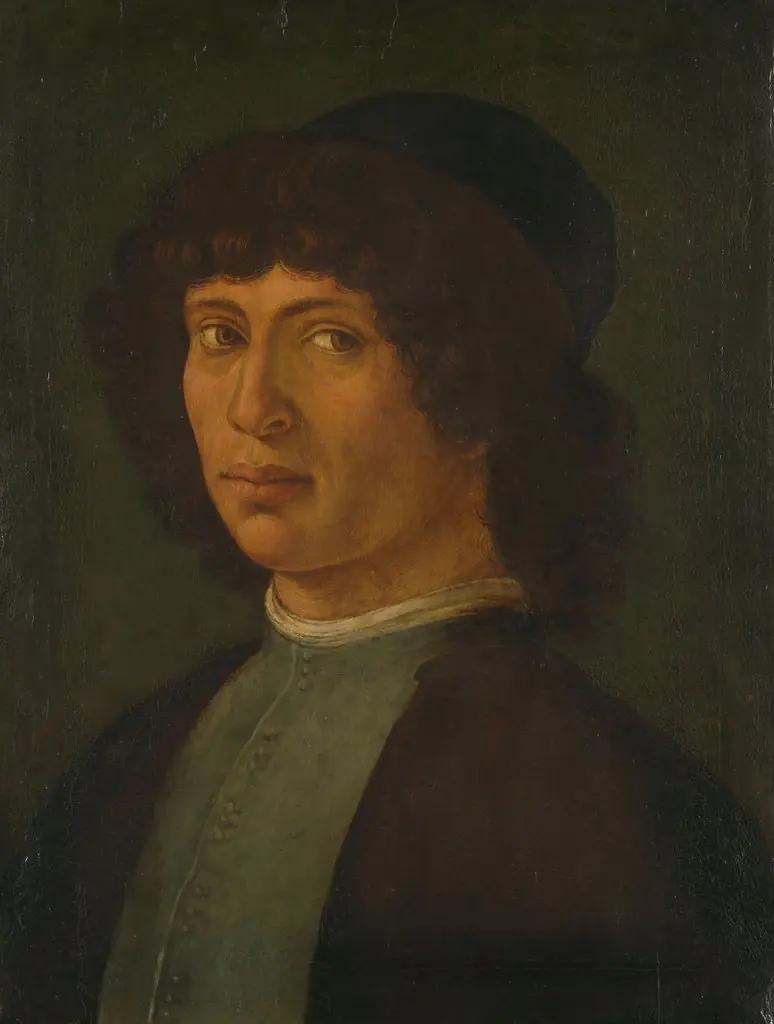 Portrait of a young man