Artwork
Torero mort
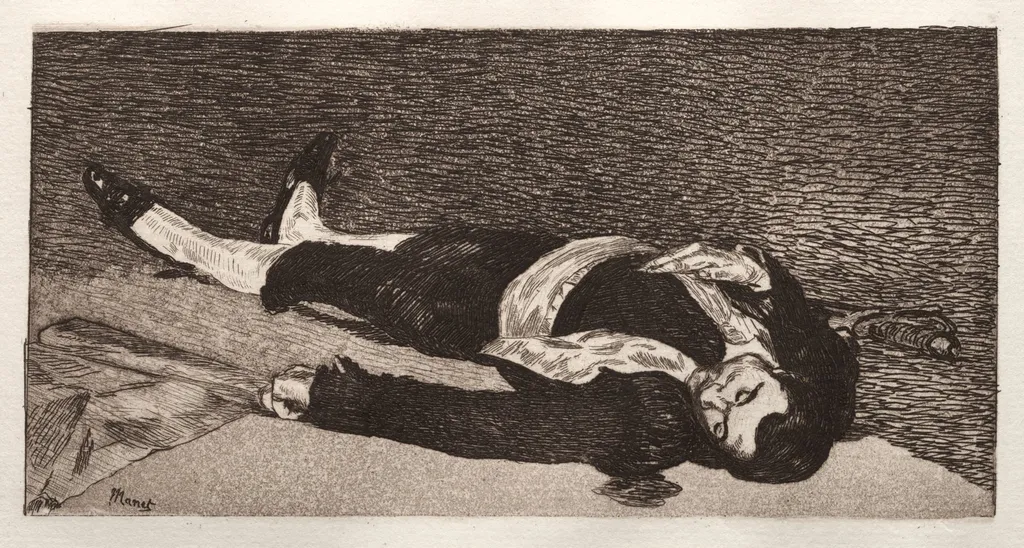
Torero mort is a print by the Impressionist artist Edouard Manet. It dates from 1868 and is held in the collection of the Cleveland Museum of Art.
About this work
Overview
Created in 1868, Torero mort is an early print by Édouard Manet, executed in a rapid, expressive style. It depicts a fallen bullfighter lying motionless on the ground, limbs extended in a posture of abrupt stillness. The work is held in the collection of The Cleveland Museum of Art and reflects Manet’s interest in capturing fleeting, visceral moments rather than idealized forms.
Subject & Meaning
Manet’s choice to obscure the face shifts focus from the person to the moment of collapse, treating the torero as a symbol of vulnerability rather than heroism.
The figure is not identified by facial features, emphasizing the physicality of death over individual identity. The sprawled posture and rigid limbs suggest a sudden collapse, evoking the brutality of the bullring without narrative detail. Manet’s choice to obscure the face shifts focus from the person to the moment of collapse, treating the torero as a symbol of vulnerability rather than heroism.
Technique & Style
Manet employed loose, energetic lines to convey motion and weight, avoiding polished finish in favor of immediacy. The background consists of dark, swirling strokes that suggest either shadow or turbulent earth, while the ground beneath the figure appears coarse and uneven. The lack of detail in the face and the unfinished quality of the edges reinforce a sense of spontaneity and raw observation.
History & Provenance
The print was made in 1868 during a period when Manet was exploring themes of modern life and violence. It entered the Cleveland Museum of Art’s collection in the 20th century, where it remains as part of their holdings of 19th-century European prints. Its provenance reflects Manet’s growing reputation among collectors interested in his unconventional approach to traditional subjects.
Context
Manet created this work amid a broader fascination with Spanish culture and bullfighting in mid-19th-century France. Unlike romanticized depictions by contemporaries, he avoided glorification, instead focusing on the physical aftermath of violence. The print aligns with his broader project of challenging academic conventions through direct, unembellished observation.
Legacy
Torero mort exemplifies Manet’s early experimentation with subject and form, influencing later artists who prioritized emotional immediacy over narrative clarity. Its raw technique and refusal to sentimentalize death contributed to a shift in how modern artists approached themes of mortality and spectacle, paving the way for more psychologically grounded representations in 20th-century art.
Artist & collection

Artist
Édouard Manet didn’t have much time to make his mark—he died at 51—but he used every year.

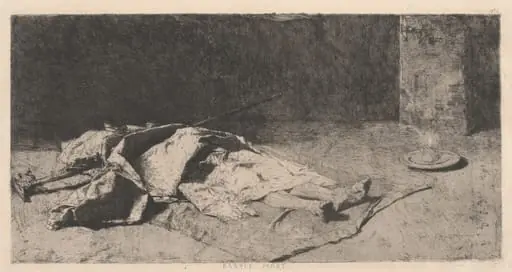 Dead Kabyle (Kabyle mort)
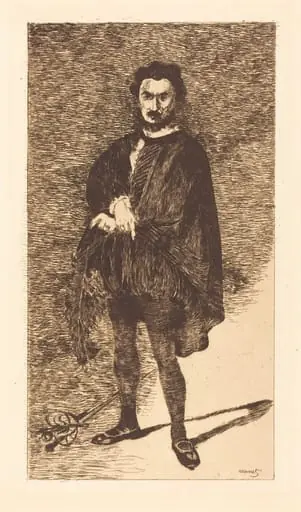 The Tragic Actor (L'acteur tragique)
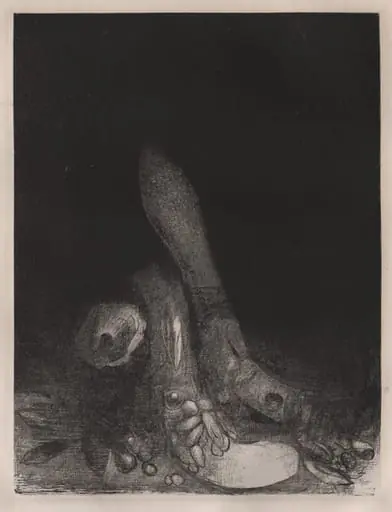 Flowers Fall and the Head of a Python Appears
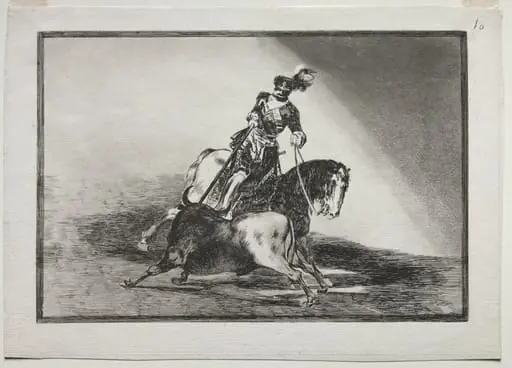 Charles V Spearing a Bull in the Ring at Valladolid
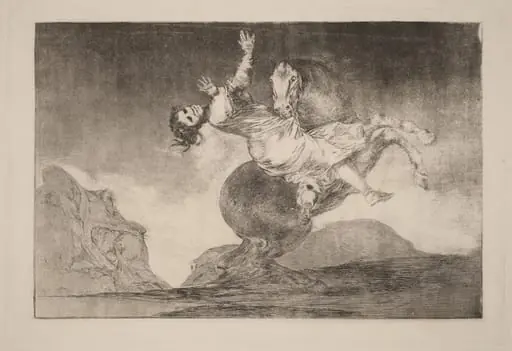 El caballo raptor (The Horse-Abductor)
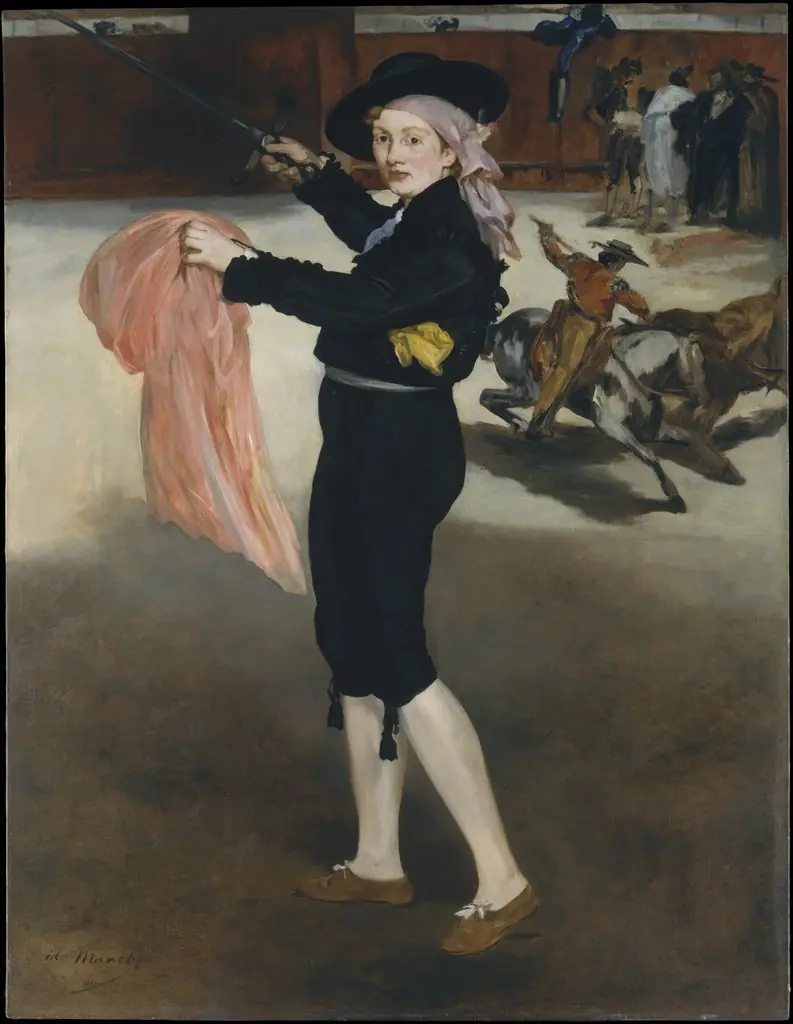
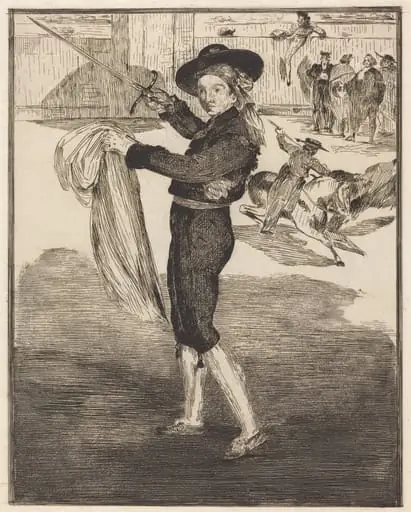 Mlle. Victorine in the Costume of an "Espada"(L'espada)
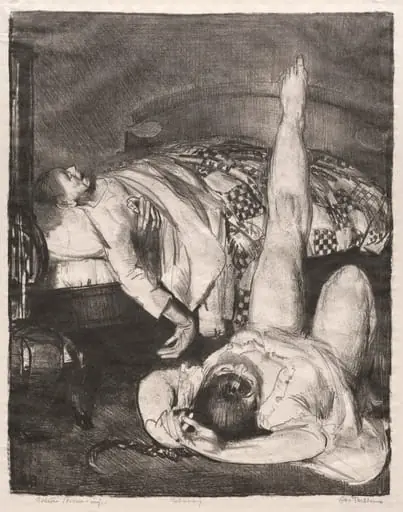 Reducing, Small, Third Stone
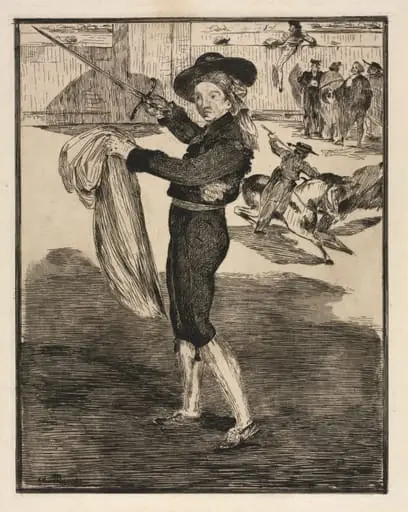 Mlle. Victorine in the Costume of an Espada
 Man Resting
 Fiero monstruo! (Fierce Monster!)