Artwork
Mlle. Victorine in the Costume of an "Espada"(L'espada)
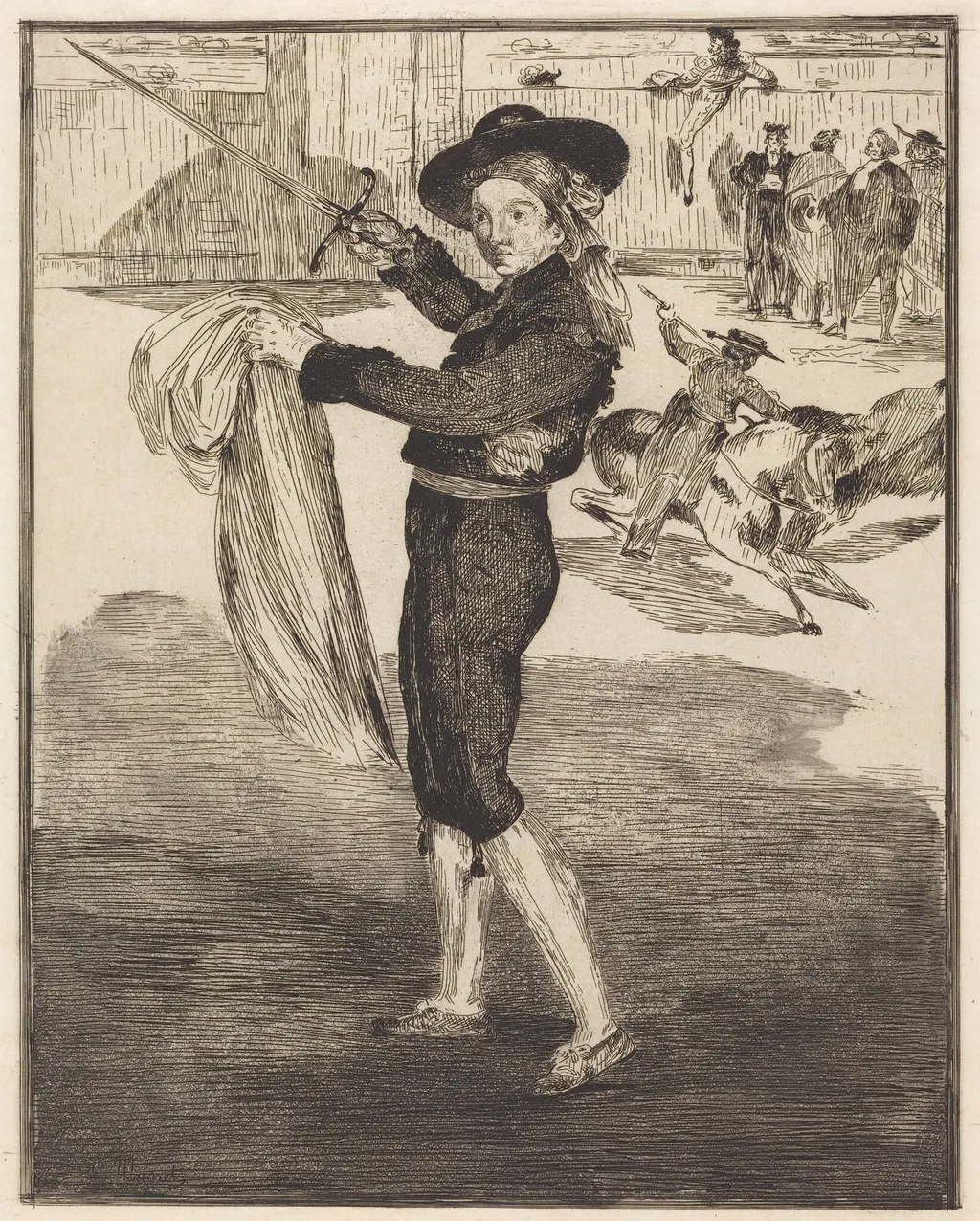
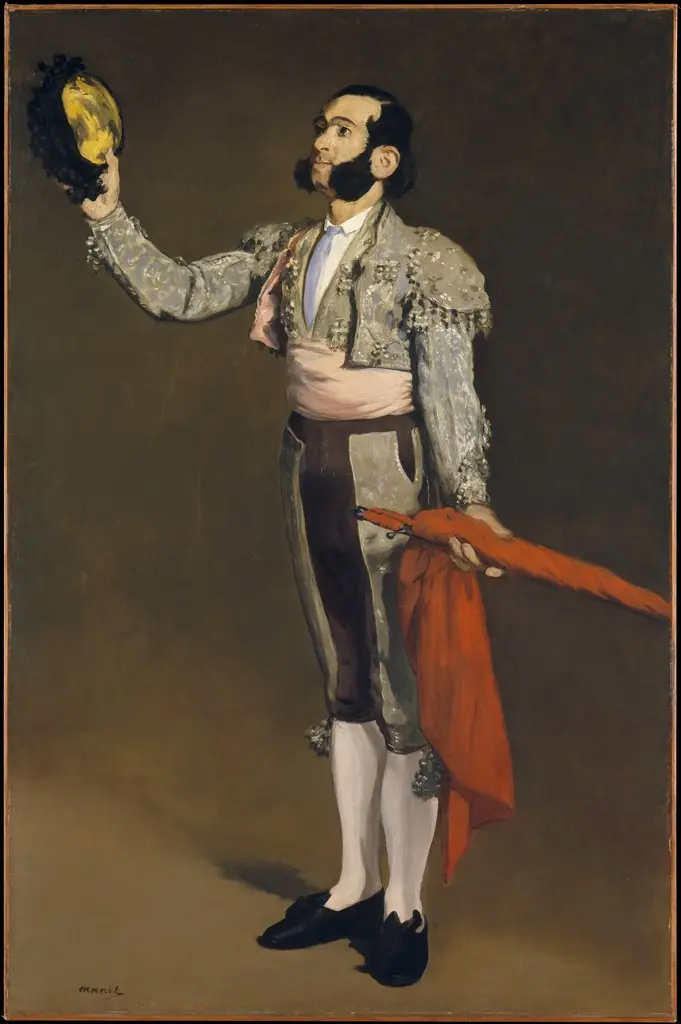
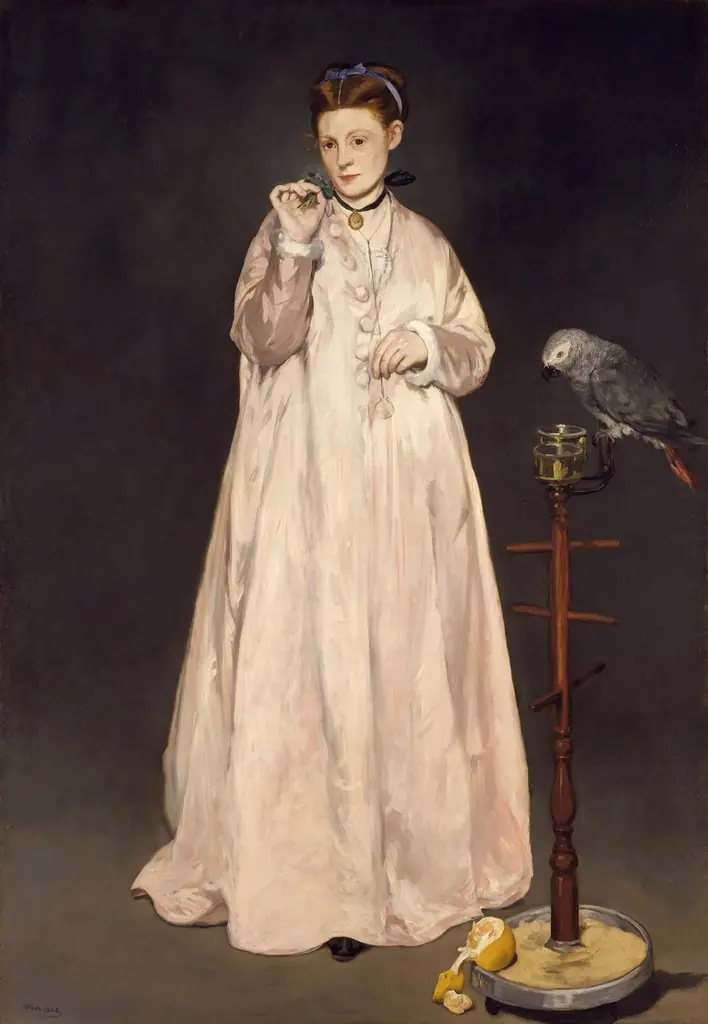
Mlle. Victorine in the Costume of an "Espada"(L'espada) is an ink print by the Impressionist artist Edouard Manet. It dates from 1862 and is held in the collection of the National Gallery of Art.
About this work
Overview
Edouard Manet’s 1862 print titled *Mlle. Victorine in the Costume of an “Espada”* is executed as an etching combined with aquatint. The image presents a solitary female figure centrally placed, barefoot and attired in a fencing costume, clutching a sword and a flowing cloak. Behind her, indistinct figures also bear swords, suggesting a broader scene of martial activity.
Subject & Meaning
The work depicts a young woman, identified as Victorine, assuming the role of an “espada,” the term for a sword‑bearing fencer. By placing a female subject in a traditionally male arena, Manet hints at themes of gender play and the performative aspects of sport, while the lively pose conveys a sense of immediacy and spirited engagement with the act of fencing.
Technique & Style
Manet employs a hybrid printmaking process: etched lines define the figure’s outline and details, while aquatint creates tonal washes that model volume and atmosphere. The contrast between crisp linear marks and softer, grainy shading produces a dynamic sense of movement, especially evident in the swirling cloak and the implied motion of the sword.
History & Provenance
Created in the early 1860s, the print reflects Manet’s interest in contemporary leisure activities and his experimentation with print media. It was likely produced in limited numbers, as was customary for etchings of the period, and has since entered museum collections that focus on 19th‑century French art, though specific ownership records remain sparse.
Context
The image emerges from a Parisian milieu where fencing was both a sport and a social spectacle. Manet’s choice to portray a woman in this setting aligns with his broader engagement with modern life, echoing the urban leisure scenes found in his paintings and the broader Realist movement’s focus on everyday subjects.
Own this work as a print
Artist & collection

Artist
Édouard Manet didn’t have much time to make his mark—he died at 51—but he used every year.

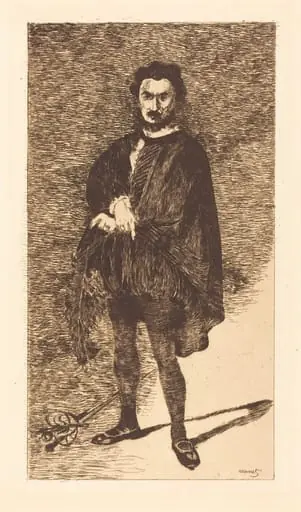 The Tragic Actor (L'acteur tragique)
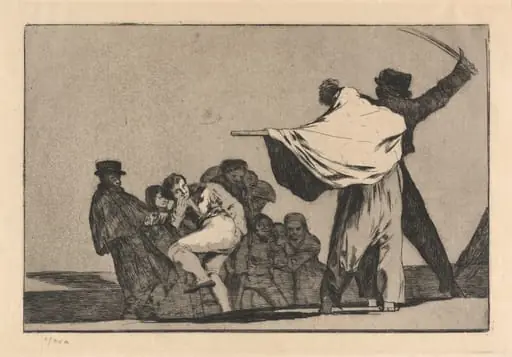 Disparate conocido (Well-Known Folly)
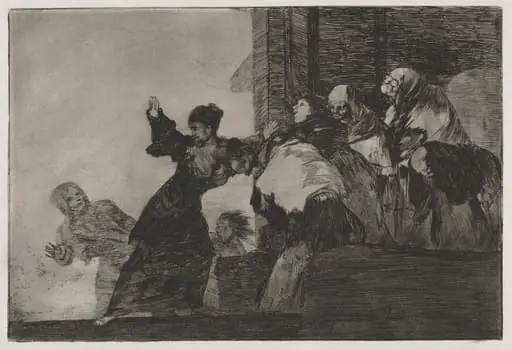 The Proverbs: Poor Folly
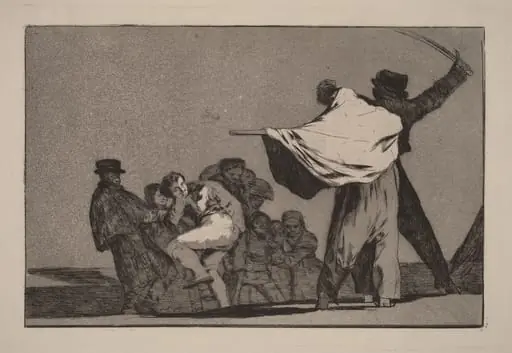 Disparate conocido (Well-Known Folly)
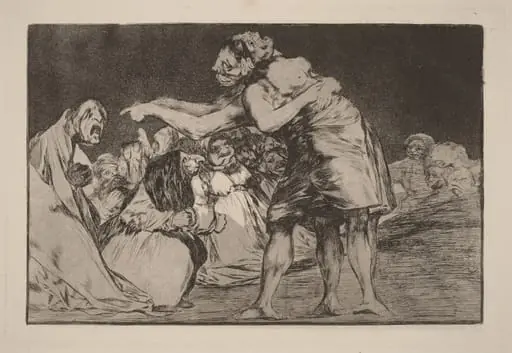 Disparate desordenado (Disorderly Folly)
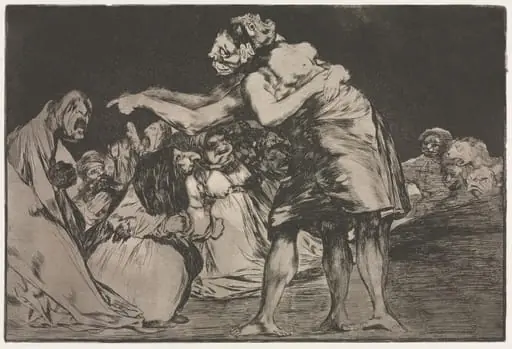 The Proverbs: Matrimonial Folly
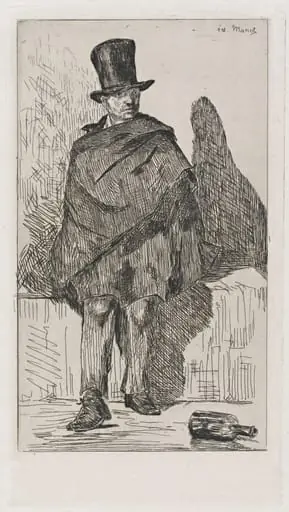 The Absinthe Drinker (Le buveur d'absinthe)
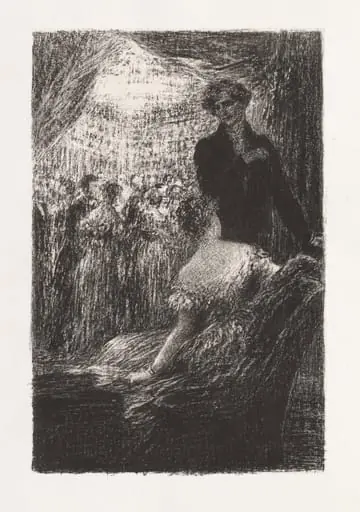 Fantastic Symphony: A Ball
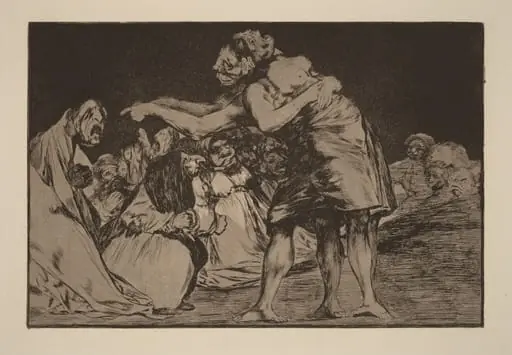 Disparate desordenado (Disorderly Folly)
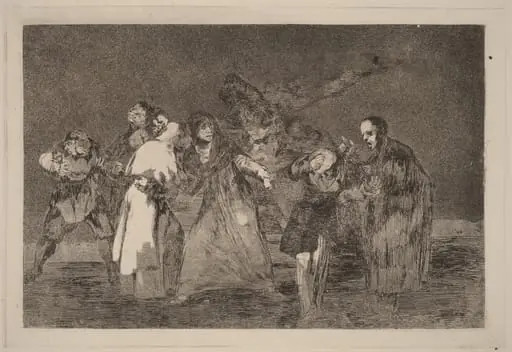 Sanan cuchilladas mas no malas palabras (Wounds Heal Quicker than Hasty Words)