Artwork
The Poet Lin Bu Wandering in the Moonlight
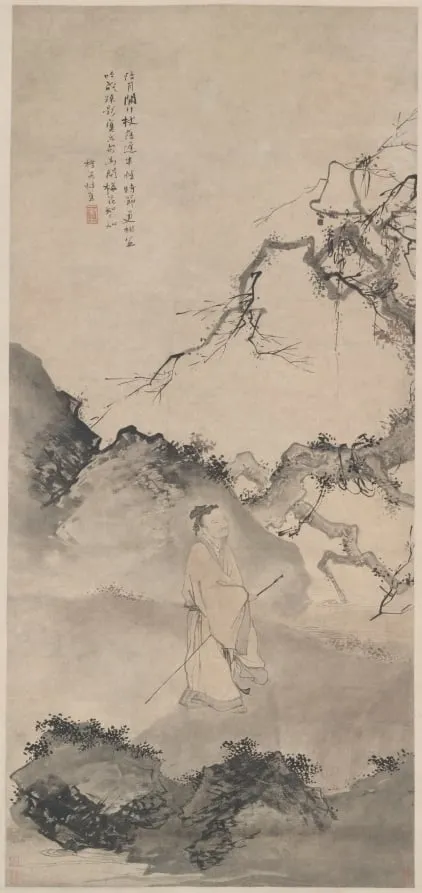
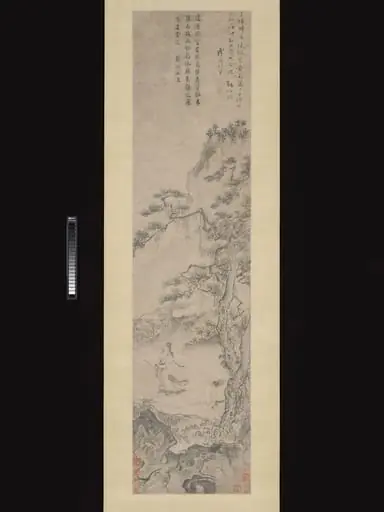
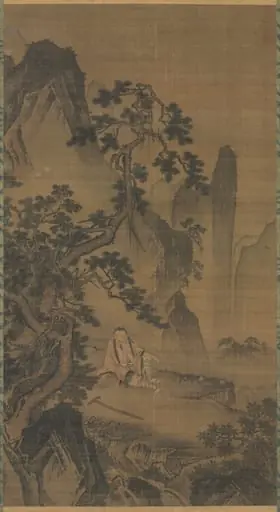
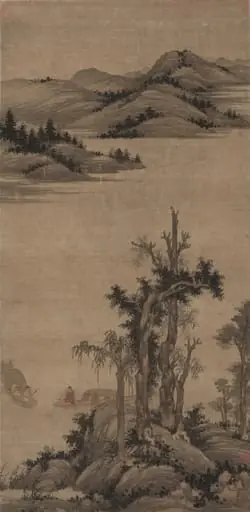
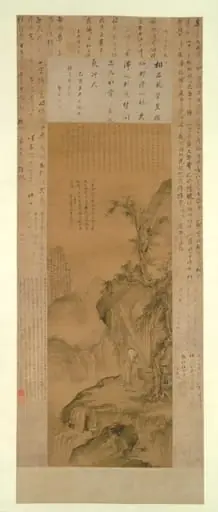
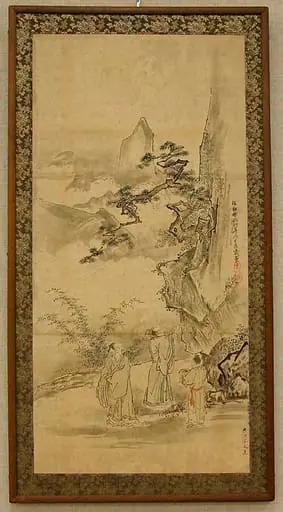
The Poet Lin Bu Wandering in the Moonlight is an unspecified painting by the Ming dynasty painting artist Du Jin. It dates from 1404 and is held in the collection of the Cleveland Museum of Art. This hanging scroll portrays the Northern Song poet Lin Bu in a nocturnal moment by West Lake, capturing his solitary communion with nature.
About this work
Overview
This hanging scroll portrays the Northern Song poet Lin Bu in a nocturnal moment by West Lake, capturing his solitary communion with nature.
This hanging scroll portrays the Northern Song poet Lin Bu in a nocturnal moment by West Lake, capturing his solitary communion with nature. Attributed to Du Jin, a painter of rare surviving works, the scene reflects literary and aesthetic ideals of the era, where poetry and painting converged to express quiet contemplation. The moonlit setting and sparse elements evoke stillness, aligning with Lin Bu’s reclusive reputation.
Subject & Meaning
Lin Bu, who chose isolation over official life, was famed for his devotion to plum trees and cranes, symbolizing purity and resilience. The painting illustrates his poetic meditation on winter blossoms, where the gnarled plum becomes a silent companion. His gaze, illuminated by moonlight, suggests introspection rather than action, embodying the Confucian and Daoist reverence for nature as moral and spiritual refuge.
Technique & Style
Du Jin employed dynamic ink brushwork to animate the plum tree and rocky terrain—varying strokes, dotted textures, and graded washes convey texture and movement. The moon’s glow is implied through subtle tonal shifts, not direct rendering, enhancing the scene’s atmospheric depth. Delicate blossoms and thin cloud forms contrast with the bold, energetic lines of the branches, balancing spontaneity with restraint.
History & Provenance
Few authenticated works by Du Jin remain, making this painting a significant example of his style. Its survival through centuries suggests it was valued within scholarly or imperial collections, likely preserved for its literary association and technical finesse. The attribution to Du Jin, while not universally documented, is supported by stylistic parallels in known Song-era ink traditions.
Context
During the Northern Song, literati painters increasingly merged poetry with visual art, favoring landscapes that evoked personal reflection over grand narratives. Lin Bu’s legend—his withdrawal from court life, his poetic odes to plum blossoms—made him a model of the ideal scholar-recluse. This painting participates in that tradition, transforming a literary figure into a visual archetype of quiet virtue.
Legacy
The painting endures as a quiet testament to the fusion of poetry, nature, and brushwork in Song-era aesthetics. It influenced later artists who sought to capture solitude and seasonal change through minimal means. While not widely exhibited, its presence in collections like The Cleveland Museum of Art ensures its continued role in understanding how Chinese literati visualized inner peace through external stillness.
Artist & collection