Artwork
Pijany Zhong Kui - Władca demonów
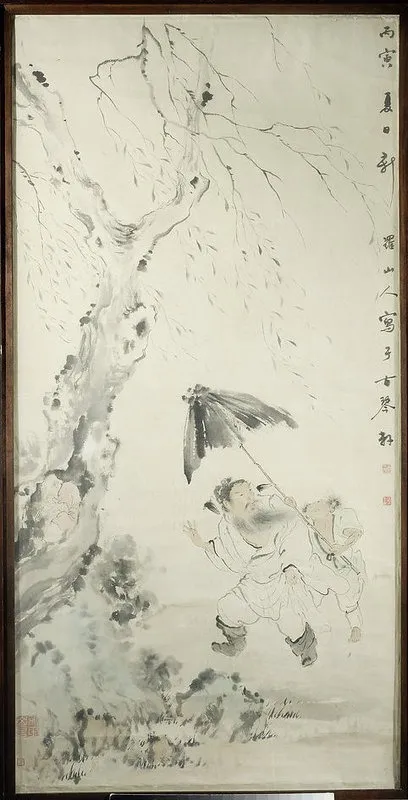
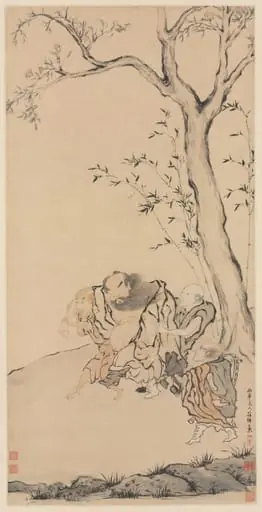
Pijany Zhong Kui - Władca demonów is an unspecified painting by Hua Yan. It dates from 1729 and is held in the collection of the National Museum in Warsaw.
About this work
If you're interested in learning more about the artist behind this painting, you might want to look up Hua Yan, a Chinese painter from the 17th century.
This painting shows a man in traditional Chinese clothing, holding a fan and standing in front of a large tree. The man is depicted in a dynamic pose, with his arms and legs outstretched. The tree dominates the left side of the painting, its branches stretching up towards the top of the canvas. The background is a soft, muted color, with subtle brushstrokes suggesting a sense of movement and energy.
The painting's use of bold lines and expressive brushstrokes creates a sense of tension and drama. The man's pose and facial expression suggest a sense of intensity or passion, while the tree's branches seem to be reaching out to him. The overall effect is one of dynamic energy and movement.
If you're interested in learning more about the artist behind this painting, you might want to look up Hua Yan, a Chinese painter from the 17th century.
Overview
Created around 1729 by the Qing‑dynasty painter Hua Yan, the work titled Pijany Zhong Kui – Władca demonów is a Chinese ink painting now in the collection of the National Museum in Warsaw. The composition centers on a solitary figure in traditional dress, poised before a towering tree, rendered with vigorous brushwork that conveys a palpable sense of motion.
Subject & Meaning
The central figure, identified as Zhong Kui, a mythic demon‑subduer, is shown holding a fan and assuming an expansive stance, arms and legs outstretched. His intense expression and dynamic pose suggest a moment of confrontation or triumph, while the encroaching branches of the tree may symbolize the forces he is mastering or the chaotic realm he controls.
Technique & Style
Hua Yan employs bold, sinuous lines and expressive strokes characteristic of late‑Qing literati painting. The tree dominates the left side, its branches rendered with fluid, sweeping brush marks that rise toward the canvas top. A muted, softly blended background provides subtle contrast, allowing the figure’s vivid gesture and the tree’s kinetic energy to dominate the visual field.
History & Provenance
The painting entered the National Museum in Warsaw as part of its Asian art collection, though the precise acquisition details remain undocumented in public records. Its presence in a European institution reflects the broader 20th‑century interest in Chinese court and scholar paintings, offering scholars a rare example of Hua Yan’s late period work outside China.
Artist & collection

Artist
Hua Yan simplified Chinese: 华嵒; traditional Chinese: 華嵒; pinyin: Huà Yán; Wade–Giles: Hua Yen; courtesy name Qiu Yue (秋岳), sobriquets Xinluo Shanren (新罗山人), Dong Yuan Sheng (东园生), Buyi Sheng (布衣生), Ligou Jushi (离垢居士)and…

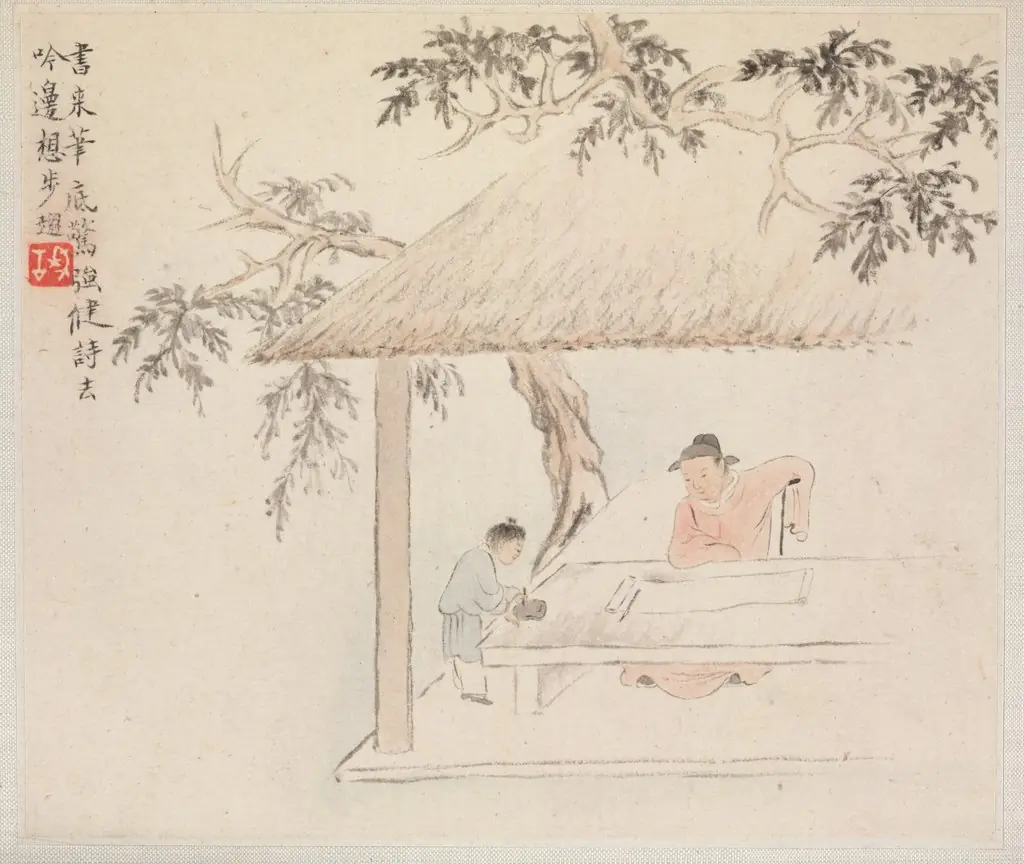 Album of Landscape Paintings Illustrating Old Poems: A Scholar at a Table with a Servant aside Preparing the Ink
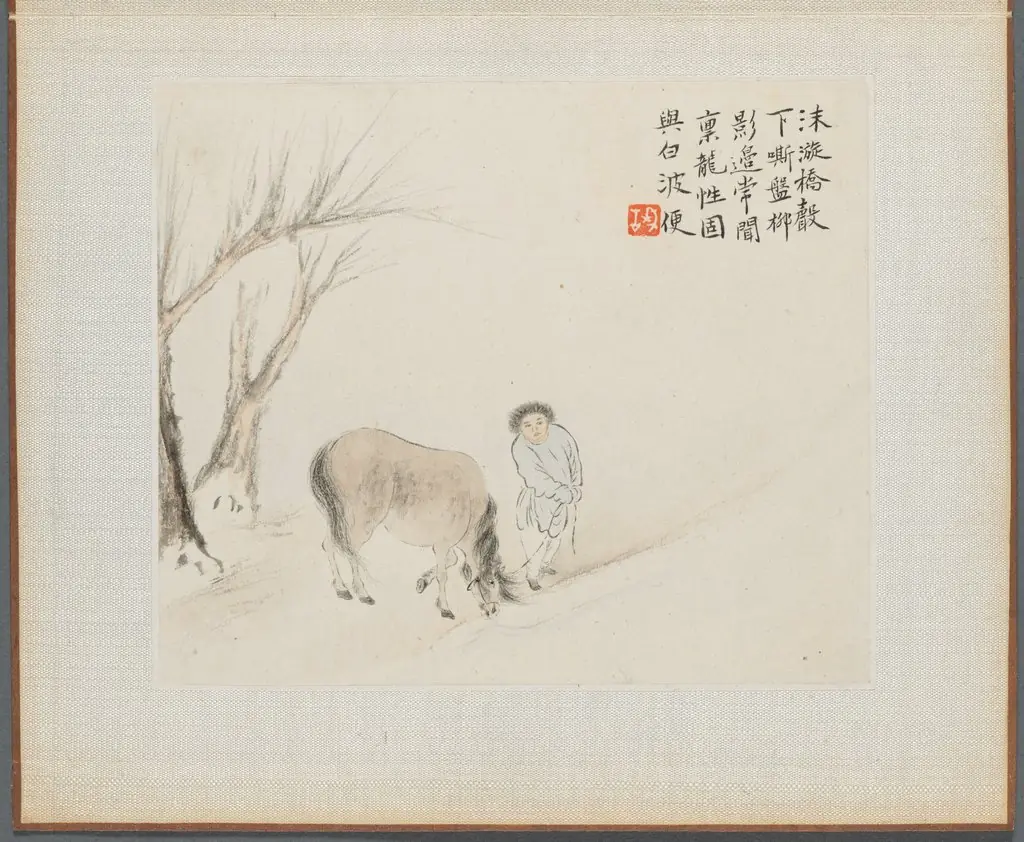 Album of Landscape Paintings Illustrating Old Poems: Boy Holding a Horse
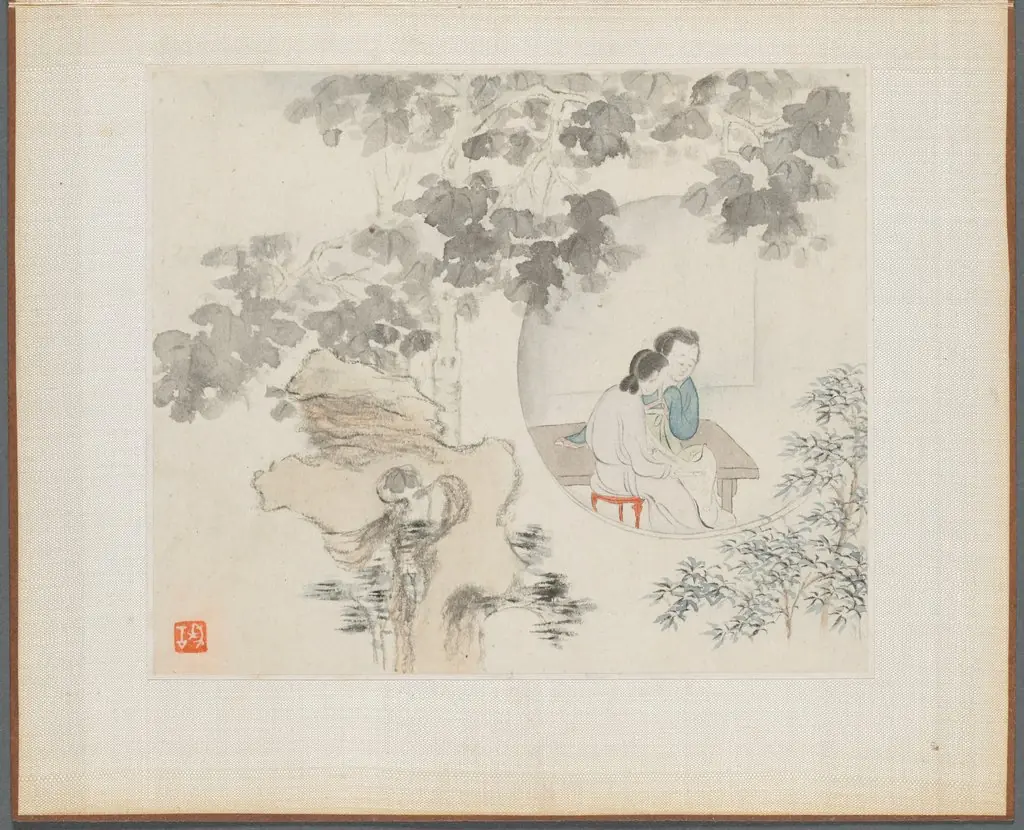 Album of Landscape Paintings Illustrating Old Poems: Two Women with Needlework in a Garden
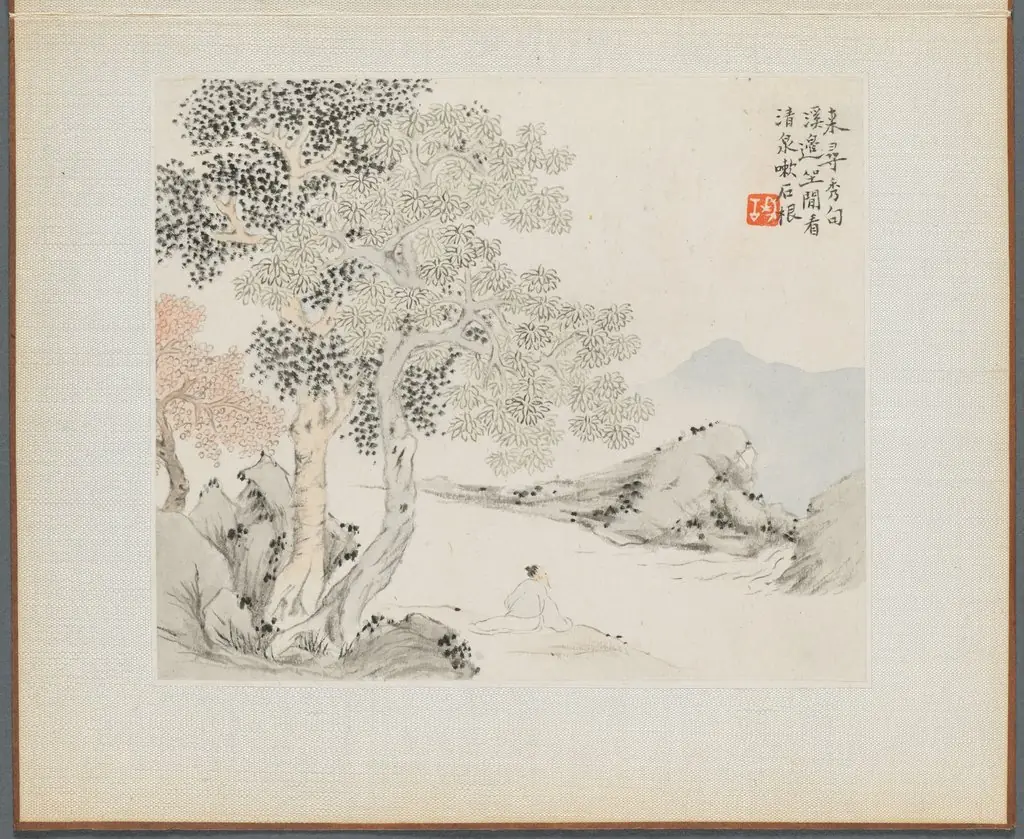 Album of Landscape Paintings Illustrating Old Poems: Three Big Trees, a Stream with an Old Man Sitting on the Bank
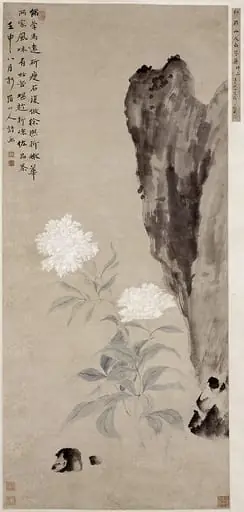 清 華喦 白芍藥圖 軸|White Peony and Rocks
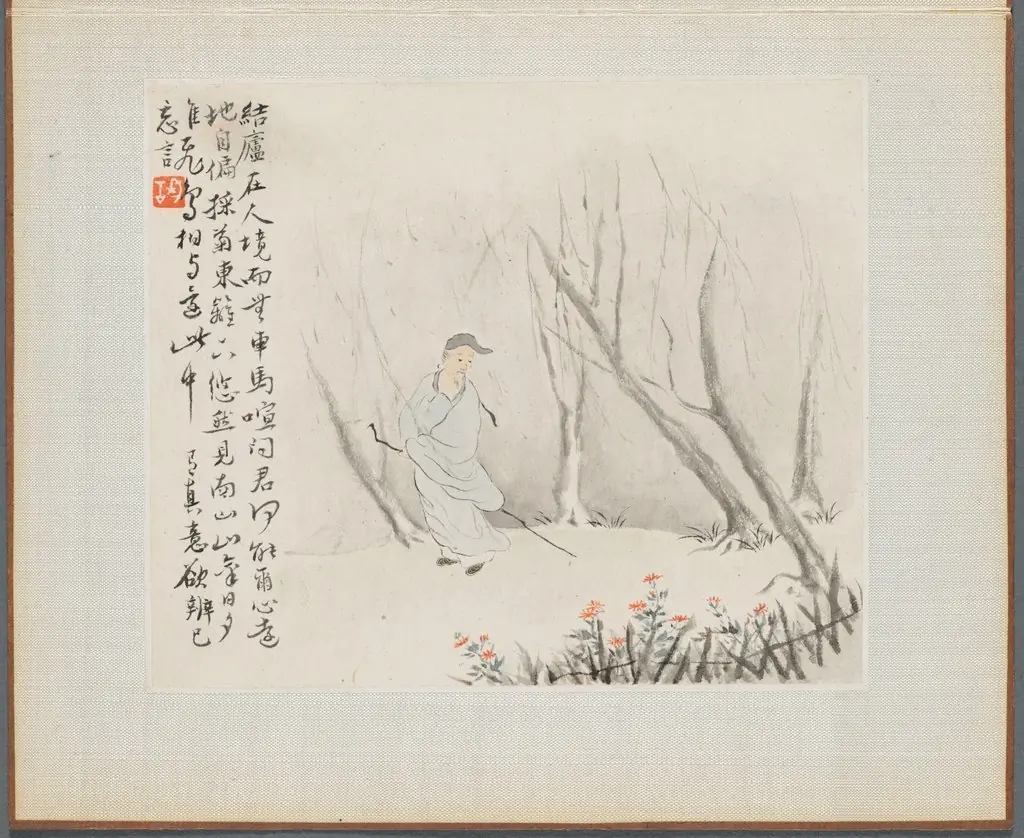 Album of Landscape Paintings Illustrating Old Poems: Man with a Staff Admires Chrysanthemums at a Fence
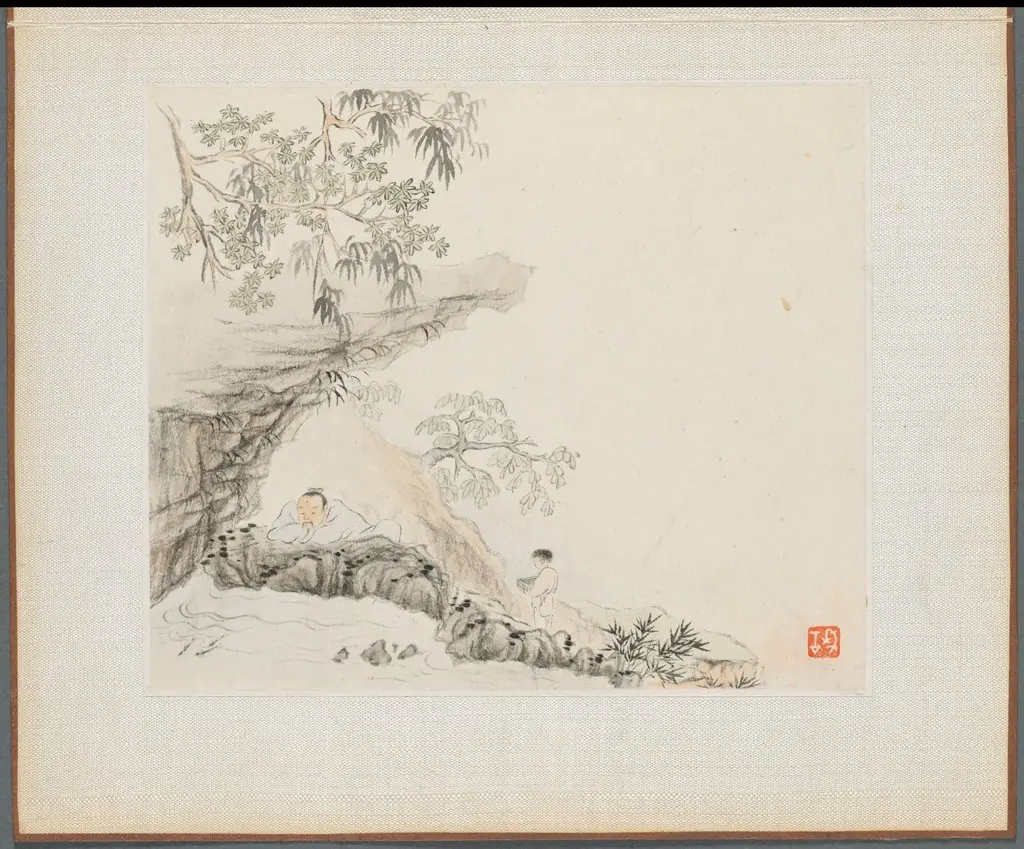 Album of Landscape Paintings Illustrating Old Poems: Scholar watching Fish
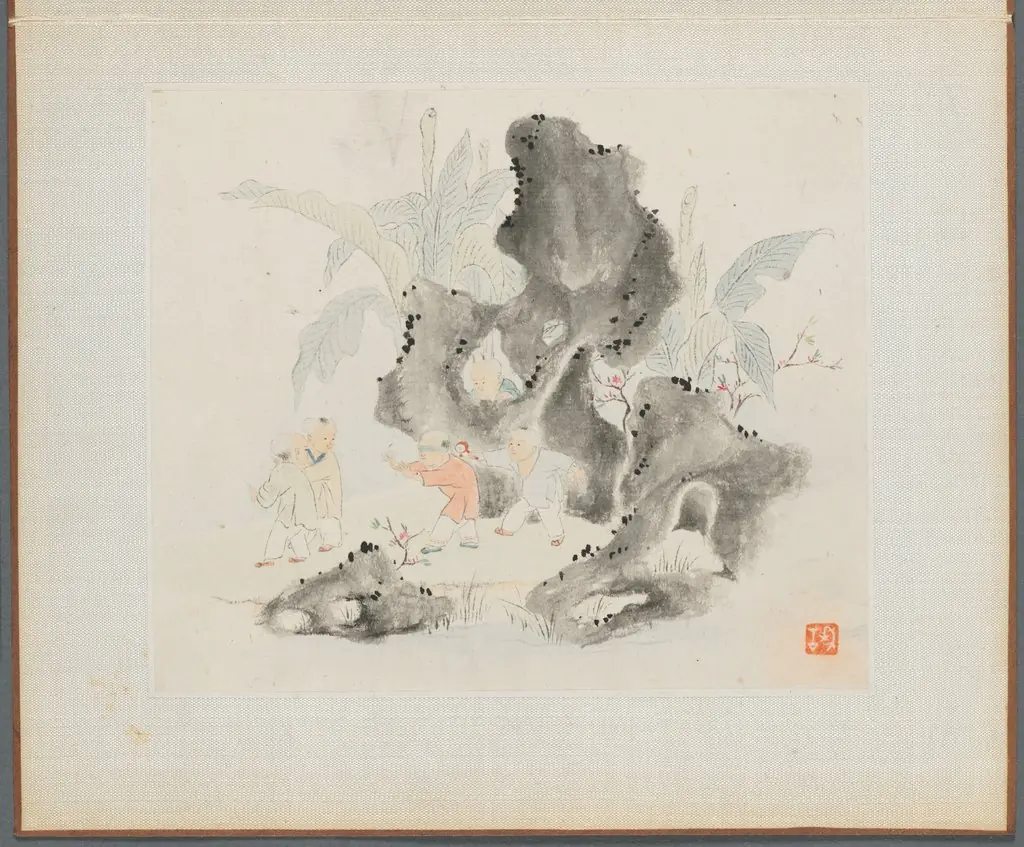 Album of Landscape Paintings Illustrating Old Poems: Children Playing Blindman's Buff in a Garden
 Conversation in Autumn
 元 吳鎮 高節凌雲圖 軸|Bamboo, old tree, and rock
 Farmer Returning Home in Autumn
 Untitled
 Autumn Landscape 秋景山水 図 (Shūkei sansui zu)
 Untitled
 The Poet Lin Bu Wandering in the Moonlight
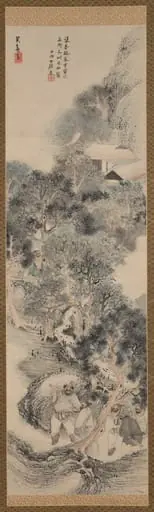 Happy Forest, from Water Margin
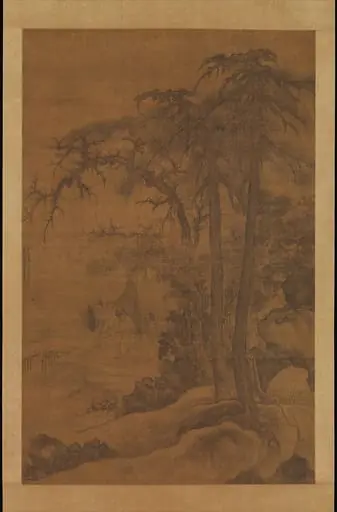 元 唐棣 松溪歸漁圖 軸|Returning Fishermen
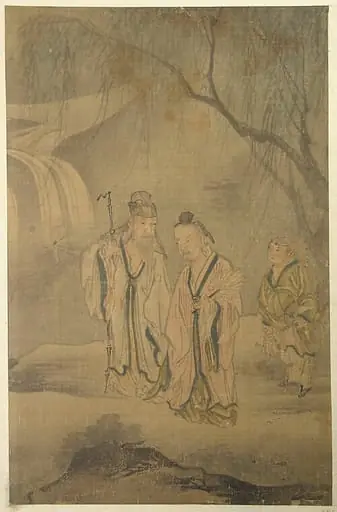 Untitled
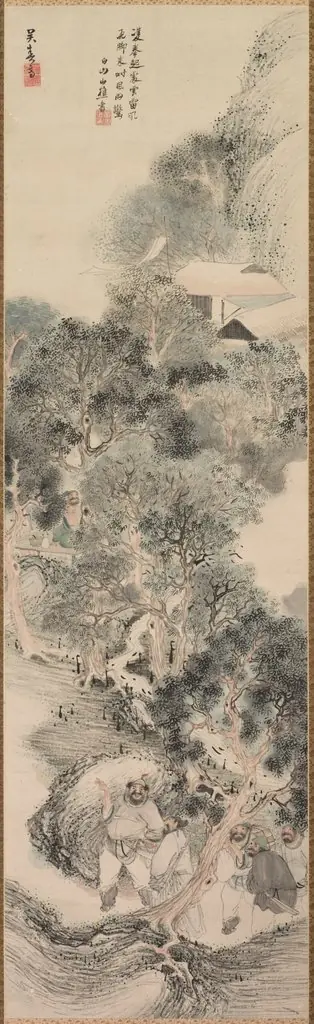 Water Margin Bandits
 Zhong Kui Supported by Ghosts