Artwork
Carting seaweed on the coast of Guernsey
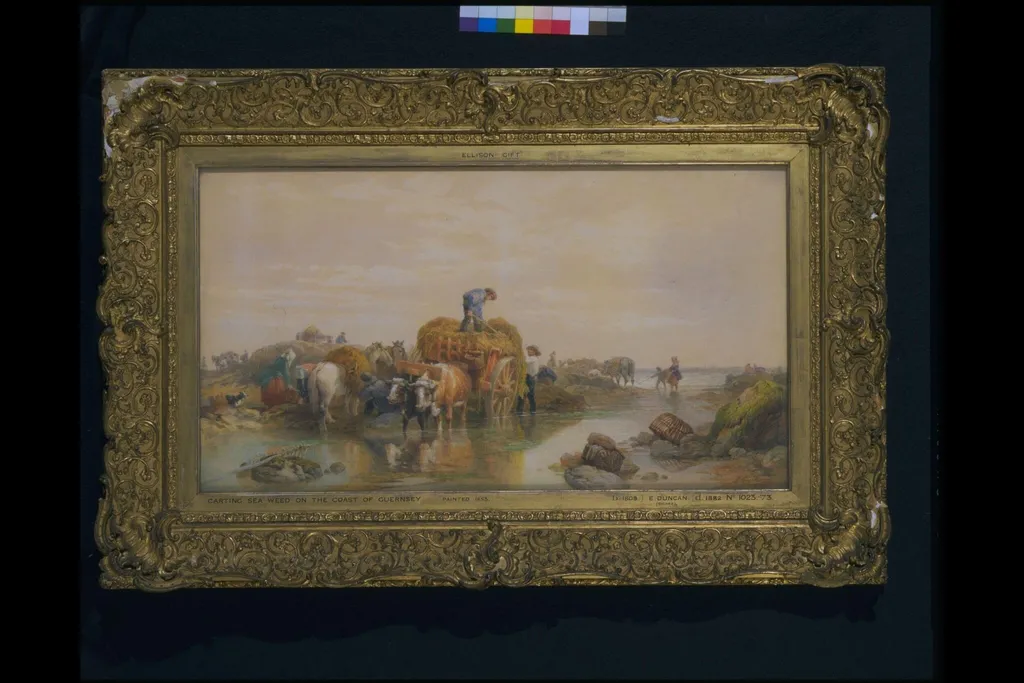
Carting seaweed on the coast of Guernsey is a watercolor work on paper by the British Romanticist artist Edward RWS Duncan. It dates from 1853 and is held in the collection of the Victoria and Albert Museum.
About this work
Overview
Edward RWS Duncan’s watercolour portrays a quiet coastal labor scene on Guernsey, where workers and horses gather around a cart filled with harvested seaweed.
Edward RWS Duncan’s watercolour portrays a quiet coastal labor scene on Guernsey, where workers and horses gather around a cart filled with harvested seaweed. Rendered in soft, muted tones, the painting captures a routine yet vital activity of the island’s economy. The composition avoids dramatic action, instead emphasizing the rhythm of daily life against a calm seascape. Duncan’s focus lies in the interplay of figures, animals, and environment, not in technical precision of maritime elements.
Subject & Meaning
The painting documents the collection of seaweed, a traditional practice used for fertilizer and fuel in the Channel Islands. Workers, horses, and the heavy cart suggest collective effort and physical labor, yet the scene is rendered without hardship or urgency. The absence of overt narrative invites contemplation of subsistence economies tied to the sea. Duncan frames this work not as spectacle but as an unremarkable, enduring part of coastal existence.
Technique & Style
Duncan employs transparent watercolour washes to suggest atmosphere and texture, with delicate brushwork defining the figures and the wet, rocky shore. The sky and sea blend in soft gradients, enhancing the scene’s stillness. Light is diffused, casting no sharp shadows, and the palette remains restrained—ochres, greys, and pale blues dominate. The foreground’s scattered seaweed and stones add tactile detail without overwhelming the composition’s serenity.
History & Provenance
Created in the mid-to-late 19th century, the work reflects Duncan’s sustained interest in maritime life across the British Isles. Though little is documented about its early ownership, it aligns with his broader body of coastal studies, many of which were exhibited locally in Guernsey and southern England. The painting’s survival suggests it was valued within regional circles, though it never entered major national collections during the artist’s lifetime.
Context
Seaweed gathering was a seasonal necessity for island communities, linking coastal labor to inland agriculture. Duncan’s depiction echoes rural scenes by contemporaries like John Constable or Andrew Gilbert, who elevated ordinary work into quiet visual poetry. Unlike industrializing mainland Britain, the Channel Islands retained such practices longer, making Duncan’s work a record of a fading way of life tied to ecological rhythms rather than mechanized progress.
Legacy
Duncan’s watercolour remains a modest but significant example of regional British art that prioritized observation over sentiment. It contributes to a lesser-known strand of 19th-century marine painting focused on human interaction with the coast rather than naval power or dramatic seascapes. Today, it serves as a visual archive of pre-industrial coastal labor, valued for its quiet authenticity rather than artistic innovation.
Artist & collection
Artist
Edward Duncan painted quiet coastal scenes and river views in Britain during the 1840s–1860s.

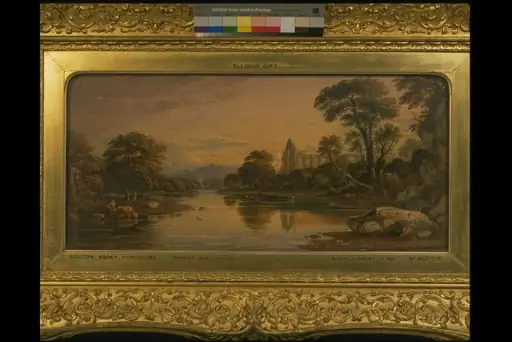 Bolton Abbey, Yorkshire
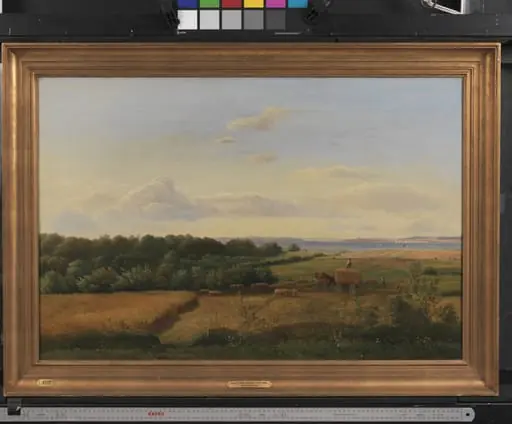 A Funen Landscape at Harvest Time with Wedellsborghoved in the Background
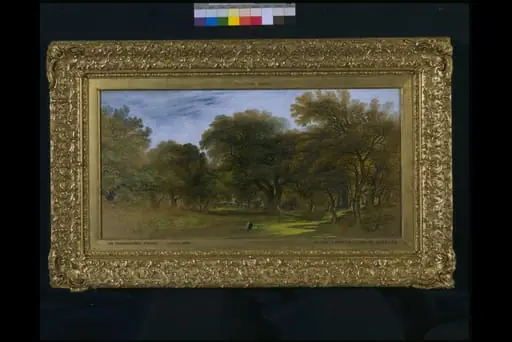 Richmond Park
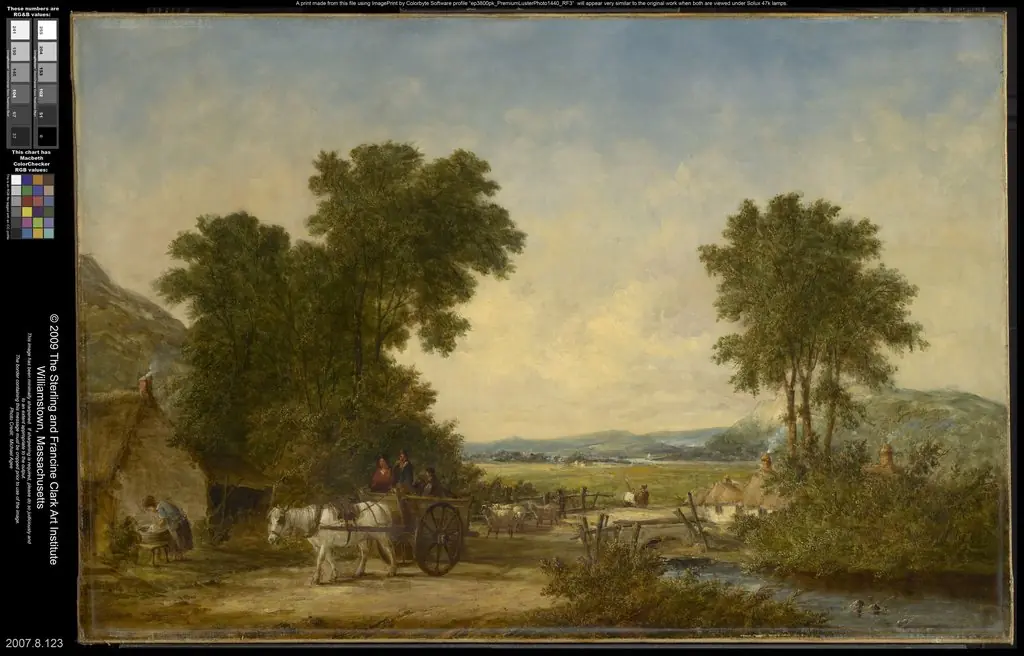 Wooded Country Landscape with Figures in a Cart
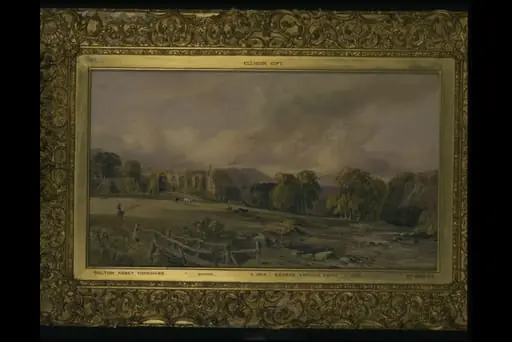 Bolton Abbey
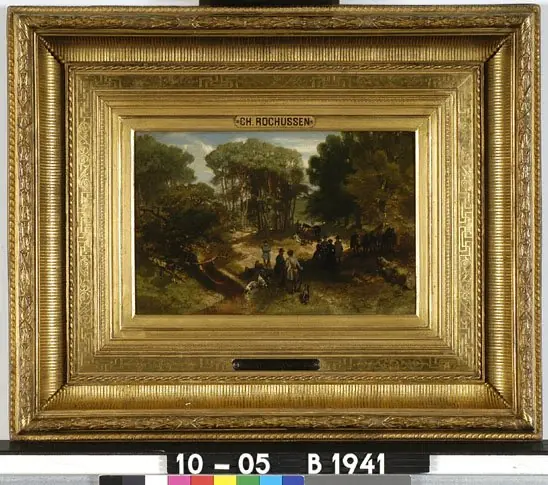 Jagershalte in een bos
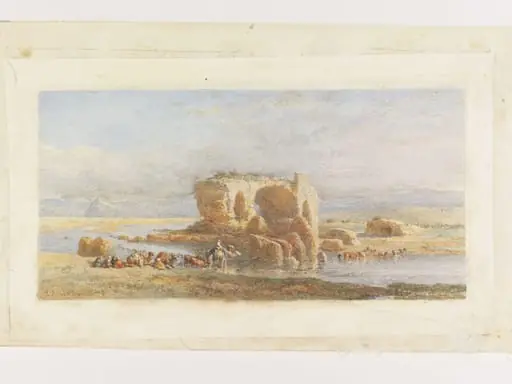 The Remains of a Roman Bridge near Tangiers, Morocco
 Târg la munte
 Seed Time
 Landscape near Holmstrup, Zealand
 View of the Avignon port
 Et vænge