Artwork
Gaspard Duchange
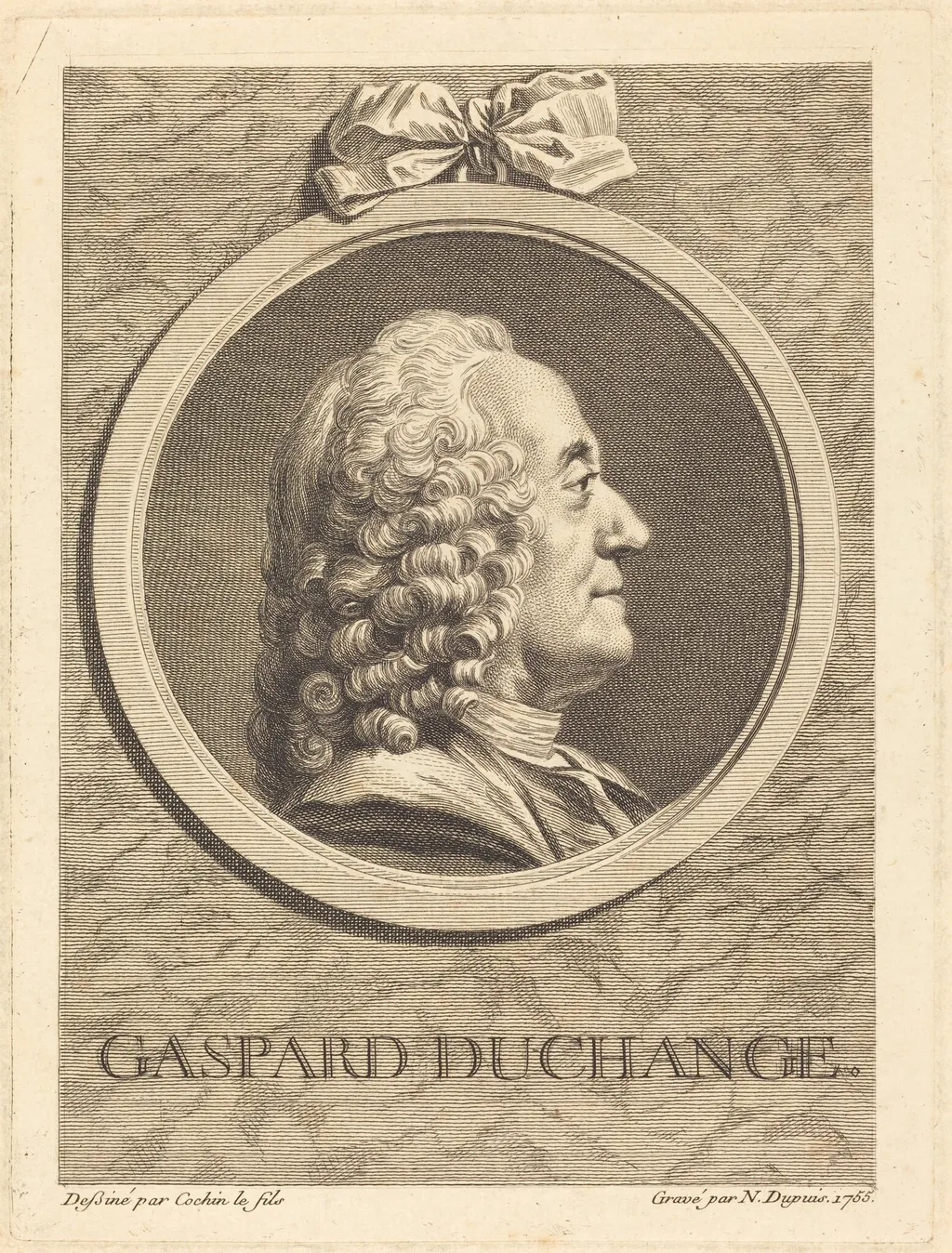
Gaspard Duchange is an ink print by the Romanticist artist Nicolas-Gabriel Dupuis. It dates from 1755 and is held in the collection of the National Gallery of Art.
About this work
Overview
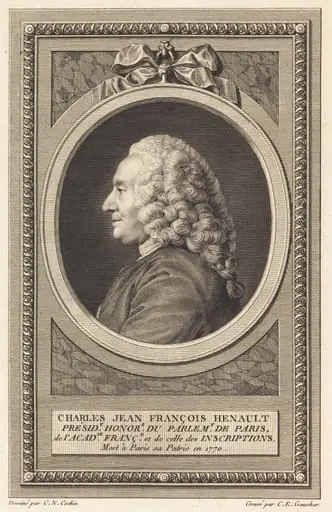
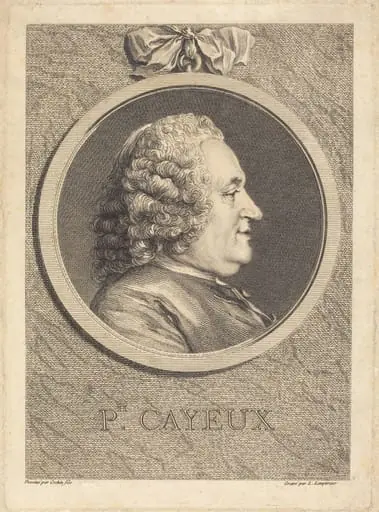
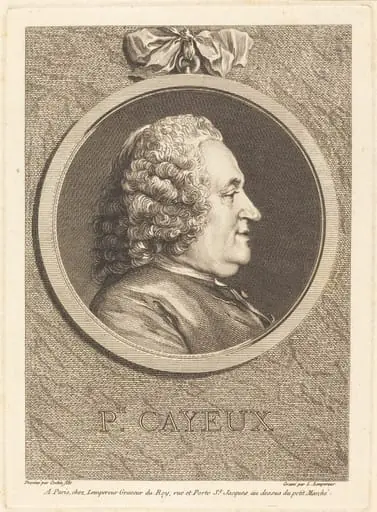
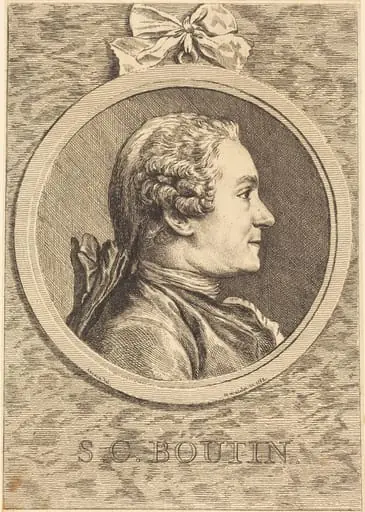
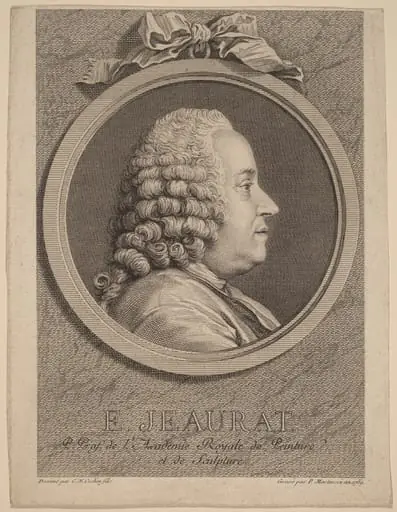
This print, created in 1755 by Nicolas-Gabriel Dupuis, is a portrait of Gaspard Duchange rendered in engraving and etching on laid paper. The composition is circular, framed by a decorative bow at the apex, a common format for portrait medallions of the period. The subject is depicted from the shoulders up, with careful attention to facial features and texture in the hair and fabric.
Subject & Meaning
The portrait depicts Gaspard Duchange, a French engraver and artist known for his work in the early 18th century. His gaze is directed to the right, a conventional pose suggesting contemplation or engagement beyond the frame. The formal attire and refined rendering suggest his professional status, positioning him as a figure of cultural significance rather than mere likeness.
Technique & Style
Dupuis employed fine, controlled lines typical of 18th-century engraving to model form and texture. The dark background contrasts with subtle tonal gradations around the subject’s head, enhancing volume and focus. The curls of the hair and the weave of the suit are rendered with meticulous detail, demonstrating mastery of the medium’s capacity for precision and nuance.
History & Provenance
Created in 1755, the print likely served as a commemorative or professional portrait, common among artists and artisans of the time. While specific early ownership records are not documented, such works were often circulated among artistic circles or collected as examples of technical skill. The print remains a representative artifact of French printmaking in the mid-18th century.
Context
During the 1750s, engraved portraits were widely used to disseminate images of notable figures before photography. Dupuis, active in Paris, contributed to this tradition by producing portraits of fellow artists. The circular format and ornamental bow reflect lingering Baroque influences, even as Rococo aesthetics emphasized elegance and intimacy in private collections.
Legacy
Though not widely reproduced today, this engraving exemplifies the craftsmanship of French printmakers who preserved the likenesses of their peers. It offers insight into the professional networks of artists in 18th-century France and the role of print as a medium for cultural memory. Dupuis’s work remains a reference for studies of portrait engraving in the period.
Artist & collection