Artwork
S.C. Boutin
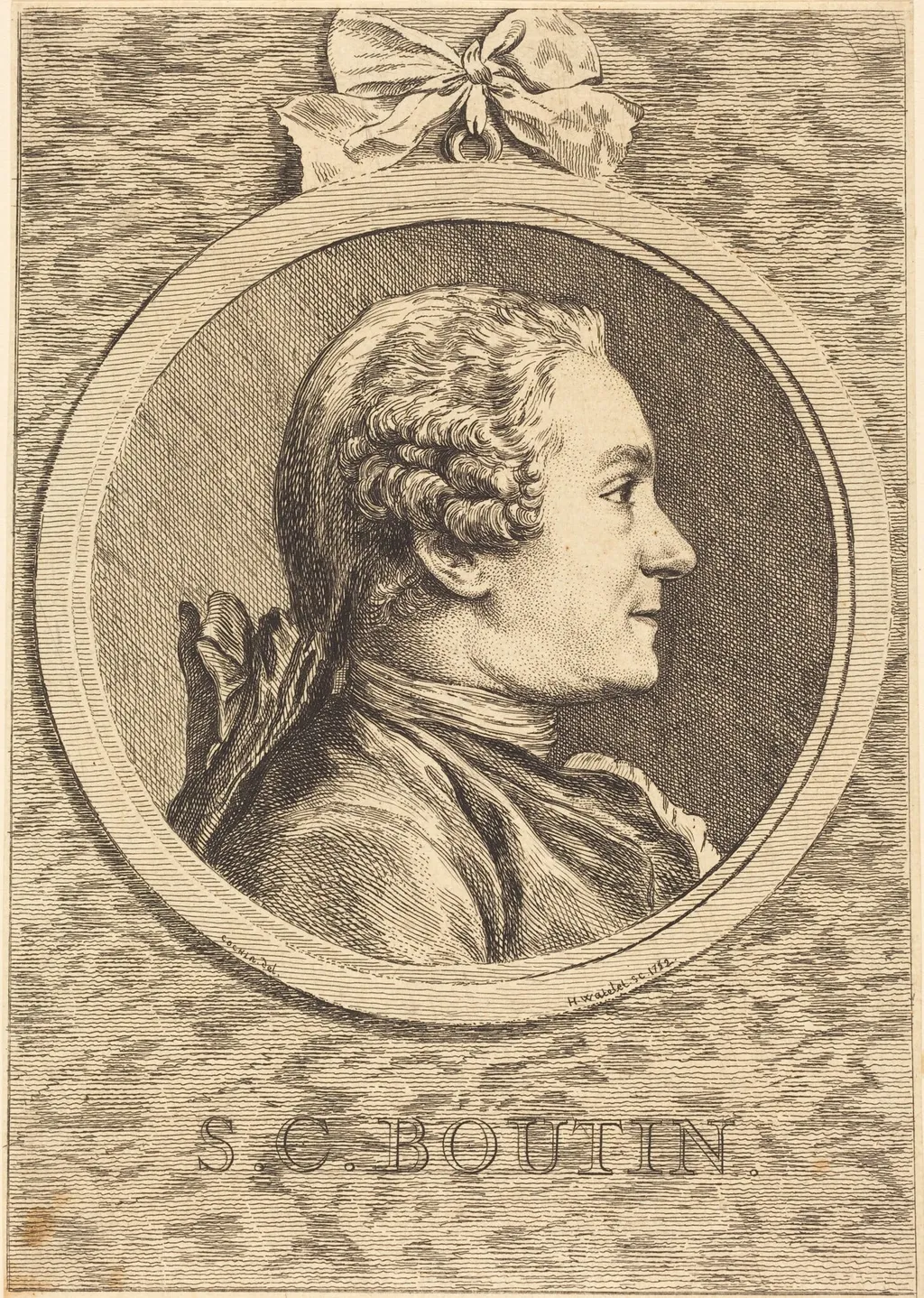
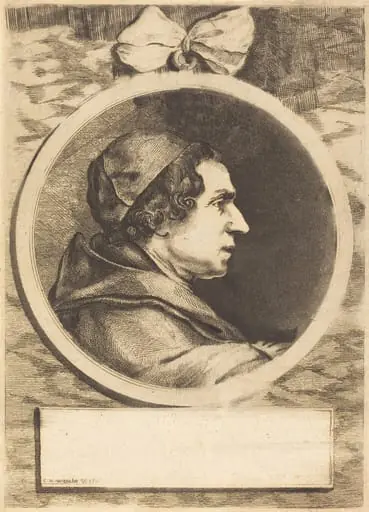
S.C. Boutin is an ink print by the Romanticist artist Claude Henri Watelet. It dates from 1752 and is held in the collection of the National Gallery of Art.
About this work
Overview
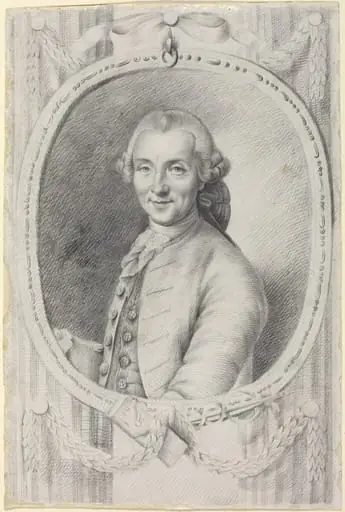
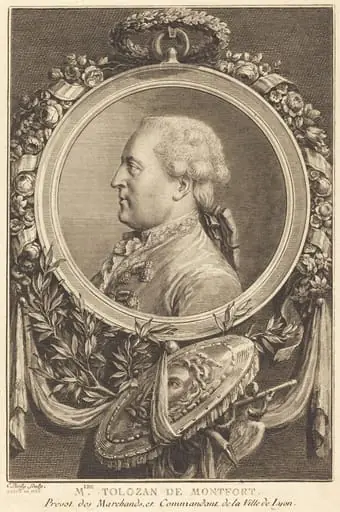
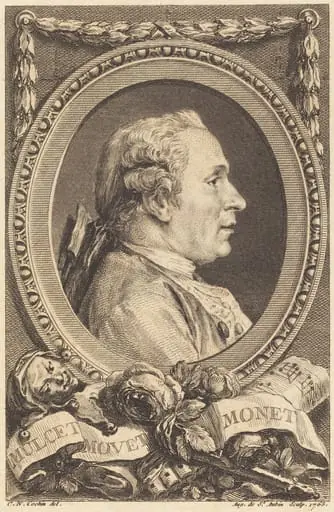
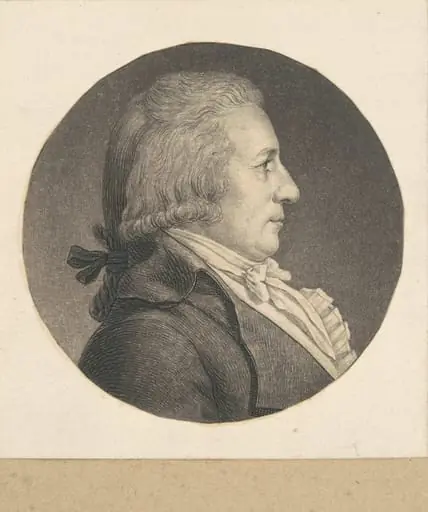
Claude Henri Watelet’s 1752 etching titled “S.C. Boutin” presents a solitary male figure in profile. Rendered on laid paper, the image is bounded by a circular frame topped with a tied ribbon, against an unadorned background that isolates the sitter. The composition emphasizes the side view, allowing the viewer to focus on the subject’s facial features and attire.
Subject & Meaning
The portrait depicts a man with tightly curled hair, dressed in a dark coat and a white cravat. Rendered in profile, the figure’s calm demeanor and restrained pose suggest a formal representation, likely intended to convey status or personal identity without narrative embellishment.
Technique & Style
Watelet employed traditional copper‑plate etching, exploiting the medium’s capacity for fine line work. The incised lines convey texture in the hair and fabric, while variations in line density create subtle tonal depth. The simplicity of the surrounding space and the circular border highlight the precision of the hand‑drawn details.
History & Provenance
Created in 1752, the print is attributed to Watelet, a French artist active in the mid‑eighteenth century. Its survival on laid paper indicates it was likely produced in a limited edition for private circulation, though specific ownership records are not documented.
Context
The work belongs to the broader eighteenth‑century French tradition of portraiture that favored restrained elegance over overt drama. While not directly linked to Romanticism, its focus on individual character and refined execution reflects contemporary aesthetic values of the Enlightenment period.
Artist & collection