Artwork
Falsehood Is the Cause of All Evil (recto); An Allegory of Truth and Falsehood (verso)
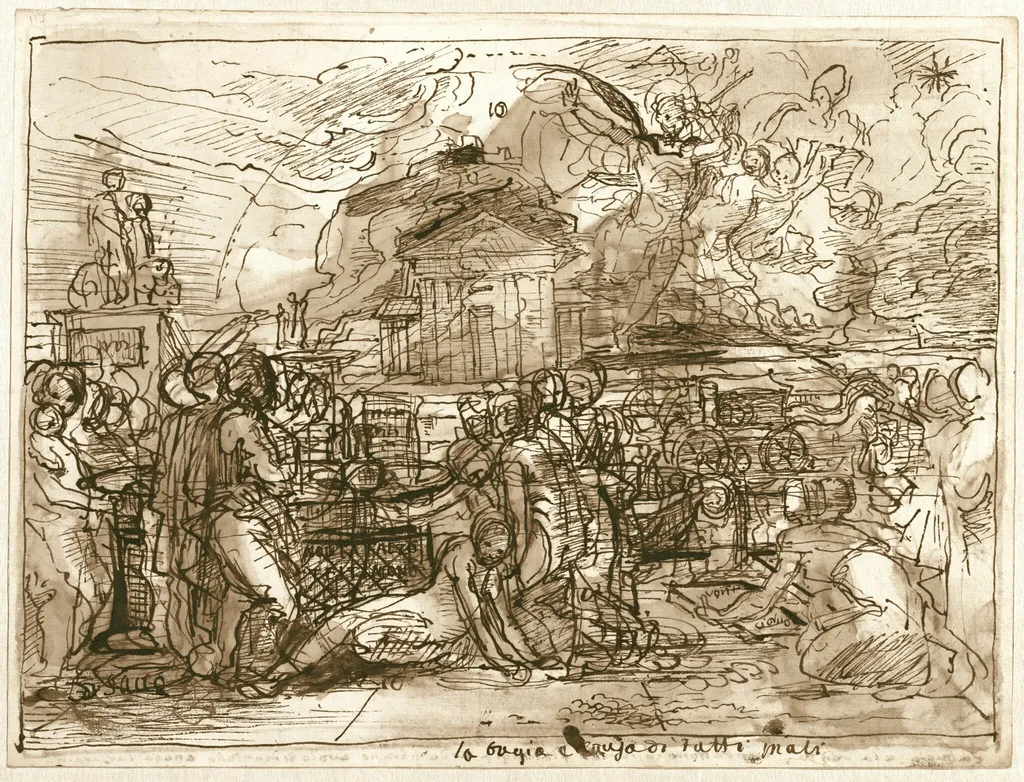
Falsehood Is the Cause of All Evil (recto); An Allegory of Truth and Falsehood (verso) is an ink drawing by the Romanticist artist Fortunato Duranti. It dates from 1840 and is held in the collection of the National Gallery of Art.
About this work
Overview
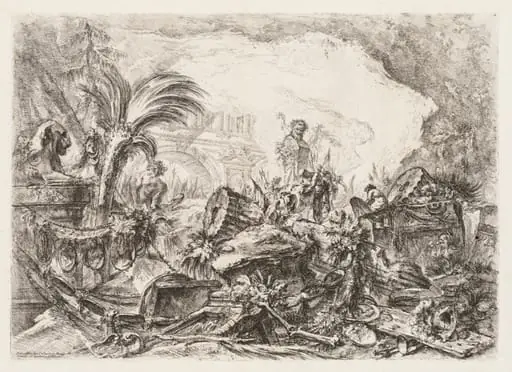
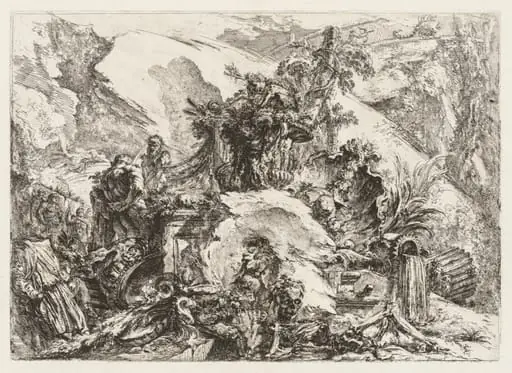
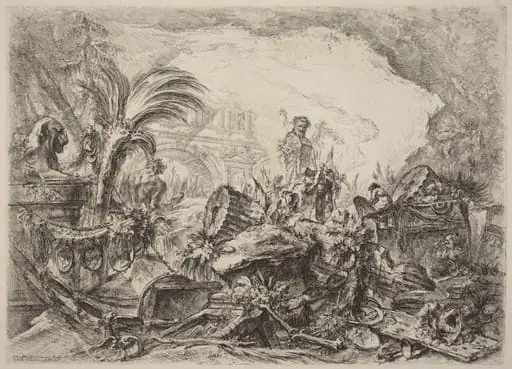
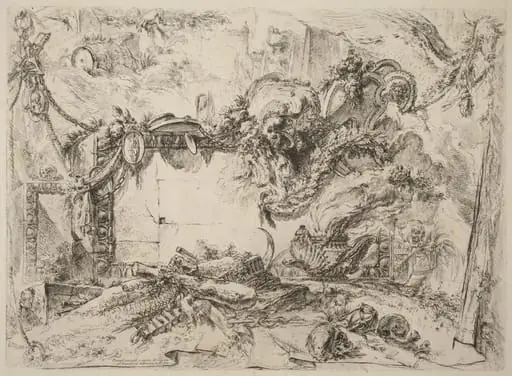
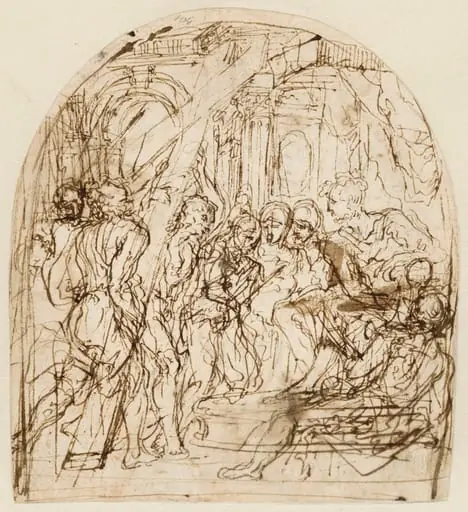
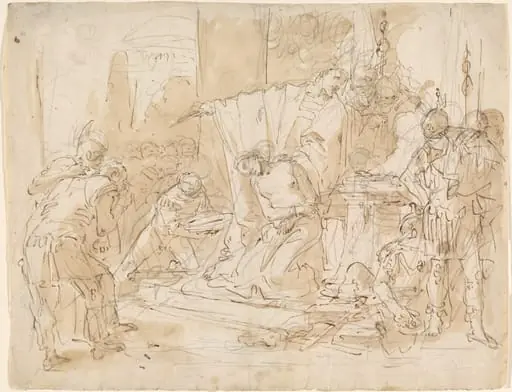
Fortunato Durani’s double-sided drawing, titled *Falsehood Is the Cause of All Evil* on the recto and *An Allegory of Truth and Falsehood* on the verso, dates to 1840. Executed with pen and ink supplemented by wash on laid paper, the work presents two complementary allegorical scenes in a single sheet, each exploring moral opposites through densely populated compositions.
Subject & Meaning
The recto depicts a chaotic assembly of figures surrounding a central speaker, suggesting the pervasive influence of falsehood on society.
The recto depicts a chaotic assembly of figures surrounding a central speaker, suggesting the pervasive influence of falsehood on society. In contrast, the verso balances the theme by juxtaposing representations of truth and deceit, using symbolic gestures and positioning to convey the moral tension between honesty and lies. Both sides function as visual sermons on the corrupting power of falsehood.
Technique & Style
Durani employs a vigorous network of overlapping lines to generate shadow and texture, relying heavily on cross‑hatching to model forms. Dark ink washes create near‑black zones that recede into lighter, translucent areas, giving the drawing a sense of depth despite its rapid, sketch‑like execution. The layered ink technique produces a three‑dimensional effect within the flat paper support.
History & Provenance
Created in 1840, the drawing reflects Durani’s interest in moral allegory during the mid‑nineteenth century. While specific ownership records are scarce, the work has been catalogued in several collections of Italian drawing, indicating its circulation among scholars of allegorical art. Its dual‑sided format underscores the artist’s intent to present a dialogue between opposing ethical concepts.
Artist & collection