Artwork
Guy Little Theatrical Photograph
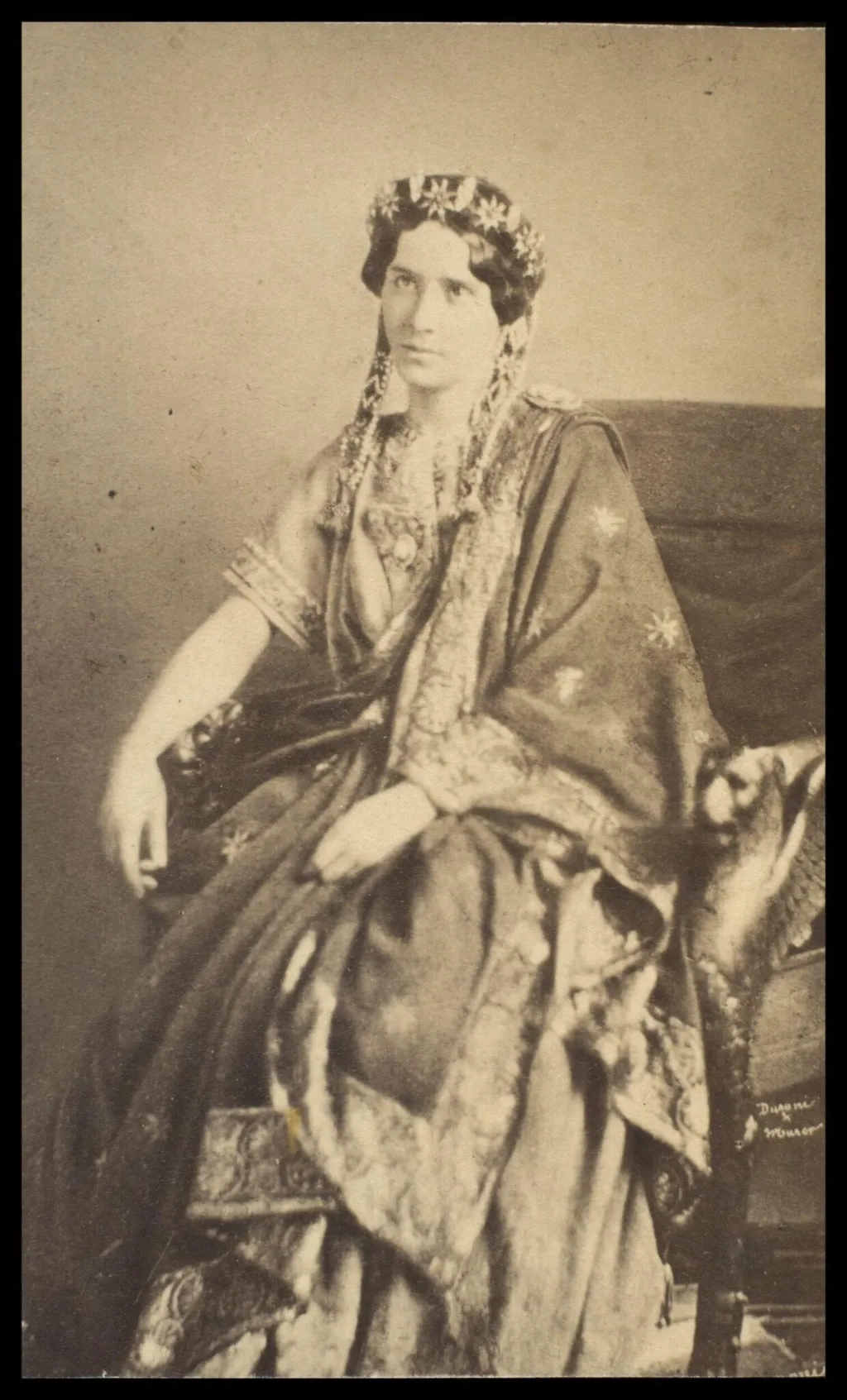
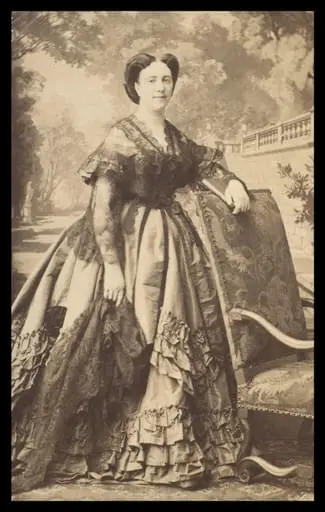
Guy Little Theatrical Photograph is a photographic photography by Duroni & Murer. It dates from 1850 and is held in the collection of the Victoria and Albert Museum. This photograph is one of many collected by Guy Tristram Little, a solicitor and avid archivist of visual ephemera.
About this work
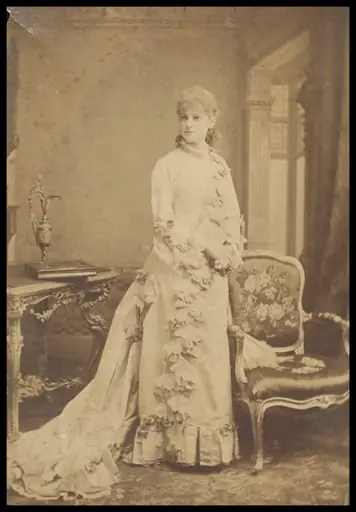
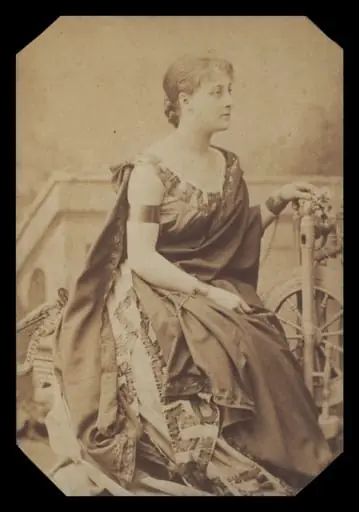
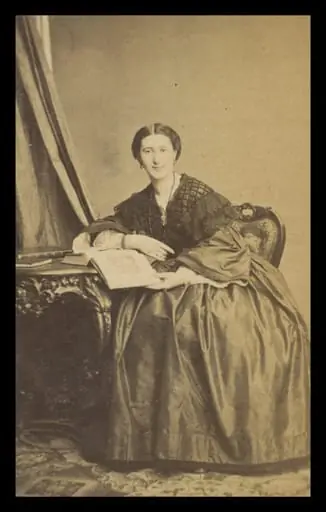
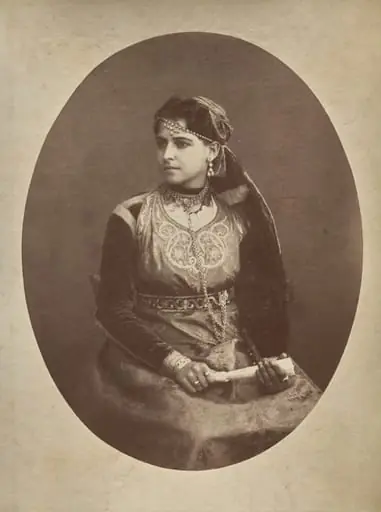
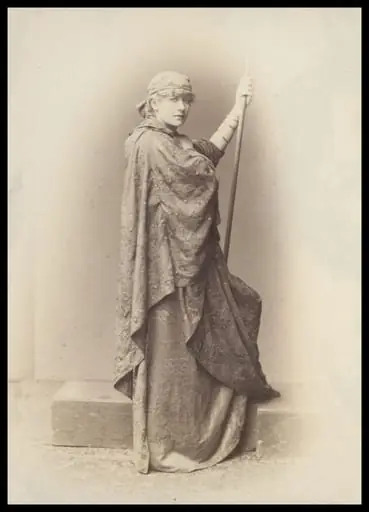
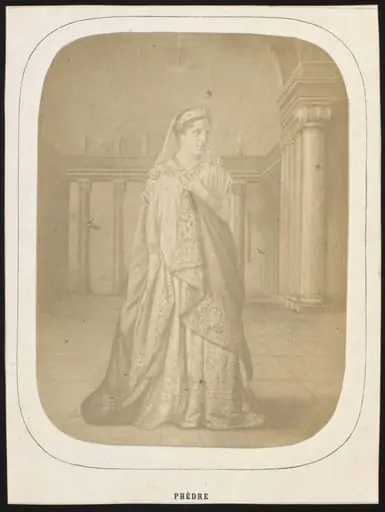
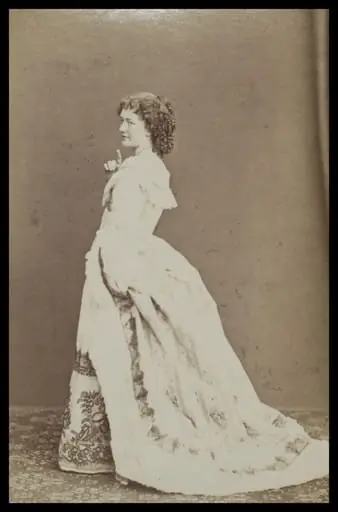
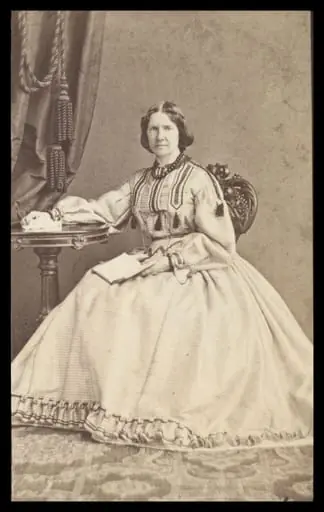
A photo shows Rachel, an actress from the 1800s. It was made by Duroni & Murer in the 19th century. The photo was printed on stiff card, a common way to share portraits back then.
This style of photo was called a carte de visite. It fit in albums like visiting cards. People collected them just like photos today.
Check out the Victoria and Albert Museum.
Overview
Taken by the Parisian studio Duroni & Murer, it is a carte de visite — a small albumen print mounted on card, typical of mid-to-late 19th-century portraiture.
This photograph is one of many collected by Guy Tristram Little, a solicitor and avid archivist of visual ephemera. Taken by the Parisian studio Duroni & Murer, it is a carte de visite — a small albumen print mounted on card, typical of mid-to-late 19th-century portraiture. Little removed such images from their original backings and mounted them in personal albums, preserving them as cultural artifacts rather than mere souvenirs.
Subject & Meaning
The subject is Rachel, a celebrated French actress renowned for her dramatic performances in classical tragedies. Her image, captured in theatrical costume, served not only as a personal memento but also as a symbol of artistic prestige. Such portraits allowed the public to engage with performers beyond the stage, reinforcing the growing cultural fascination with celebrity in the Victorian era.
Technique & Style
The image was produced using the albumen printing process from a glass negative, a standard method for cartes de visite. The photograph’s small scale, sharp detail, and stiff card backing reflect commercial production practices of the time. The studio lighting and posed composition follow conventions of portrait photography, emphasizing the sitter’s presence and status rather than spontaneous expression.
History & Provenance
The photograph belonged to Guy Little, who assembled a vast collection of cartes de visite and cabinet cards, later bequeathed to the Victoria and Albert Museum. Little was also the executor of Gabrielle Enthoven’s theatrical archive, linking this image to one of Britain’s most significant collections of performance-related materials. His careful mounting and preservation reflect a deliberate effort to document theatrical history.
Context
Cartes de visite emerged in the 1860s as a mass-produced format for personal and celebrity portraiture, fueled by advances in photographic technology and rising middle-class consumption. Their popularity declined after the 1880s with the rise of cabinet cards and later postcards. This image sits within a broader trend of collecting visual culture, where photography bridged art, commerce, and personal memory.
Legacy
Little’s collection, now housed at the V&A, preserves a snapshot of 19th-century visual culture and theatrical fandom. These photographs, once common household items, now serve as primary sources for understanding how performance, identity, and media intersected in the Victorian era. Their survival owes much to Little’s archival rigor, transforming ephemera into historical record.
Artist & collection
Artist
They sold magic for a living. Duroni and Murer ran a Milan studio in the 1850s where theater stars posed under painted backdrops and stage tricks made the ordinary look supernatural—one trickster even vanished right…