Artwork
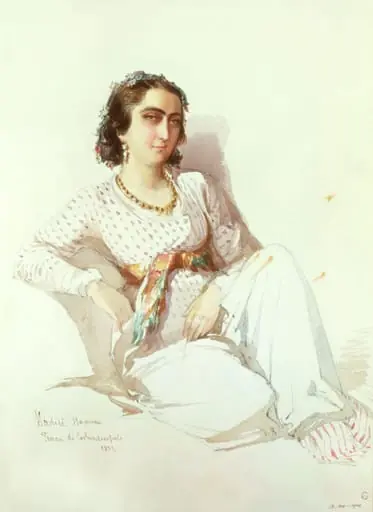
Jewish Woman in Algeria
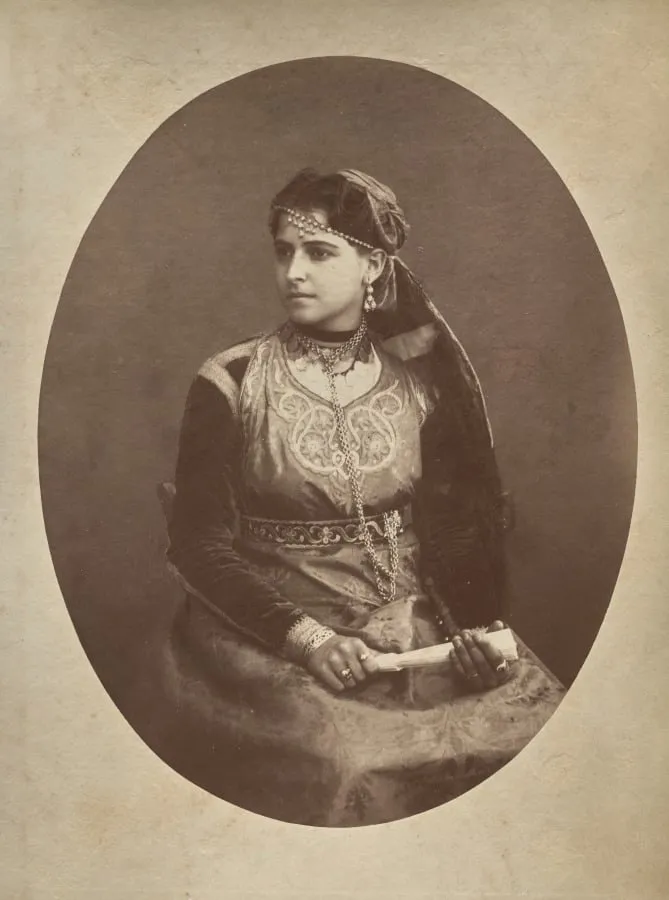
Jewish Woman in Algeria is a photography by the Impressionist artist Jean Geiser. It dates from 1875 and is held in the collection of the Cleveland Museum of Art.
About this work
Overview
This photograph, taken in Algeria during the early years of the medium, depicts a woman seated before a plain wall, her hands resting gently in her lap.
This photograph, taken in Algeria during the early years of the medium, depicts a woman seated before a plain wall, her hands resting gently in her lap. Unlike typical ethnographic images of the time, it avoids reducing its subject to a cultural type. The absence of a full veil, unusual for Muslim and Berber women under colonial photography norms, signals a deliberate intimacy. The image balances documentary intent with quiet personal presence.
Subject & Meaning
The woman’s direct gaze and composed expression invite a human connection rather than distant observation. Her uncovered face challenges the colonial convention of veiling as a marker of exoticism or modesty. Rather than presenting her as an anonymous representative of a group, the photograph affirms her individuality. The calmness of her demeanor suggests agency, resisting the objectification common in ethnographic imagery of the period.
Technique & Style
Light falls softly across the woman’s face, sculpting her features with subtle contrasts that emphasize texture and form. The dark, intricately embroidered dress contrasts with the neutral background, drawing focus to her upper body and expression. The shallow depth of field isolates her from the surroundings, enhancing the portrait’s intimacy. These choices reflect an emerging sensitivity to tonal nuance, aligning with early portrait practices rather than clinical documentation.
History & Provenance
The photograph was made by a European photographer working in Algeria during the 1850s or 1860s, when photography was still a novelty. Local customs typically prohibited the photographing of unveiled women, making this image an exception. Its survival suggests it may have been commissioned privately or captured with the subject’s consent. The photographer’s identity remains uncertain, though the style aligns with early colonial studio practices.
Context
In mid-19th century Algeria, photography was often used by colonial administrators and ethnographers to classify and document indigenous populations. Women, particularly those from Muslim and Berber communities, were rarely photographed without full veiling. This image’s deviation from that norm reflects either a rare moment of trust between subject and photographer, or a deliberate artistic choice to prioritize individual presence over cultural stereotype.
Legacy
The photograph stands as an early example of portraiture that resists ethnographic reduction. Its quiet dignity influenced later approaches to documenting non-European subjects, shifting focus from typology to personhood. Though not widely known in its time, it now serves as a reference point in discussions about agency, representation, and the ethics of visual documentation in colonial contexts.
Artist & collection

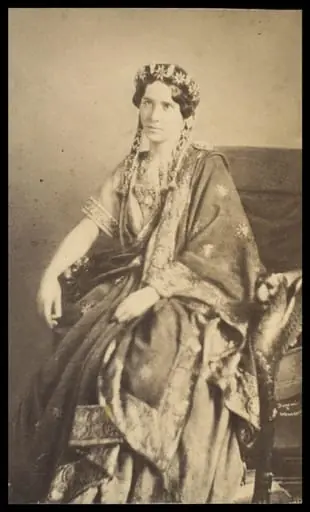 Guy Little Theatrical Photograph
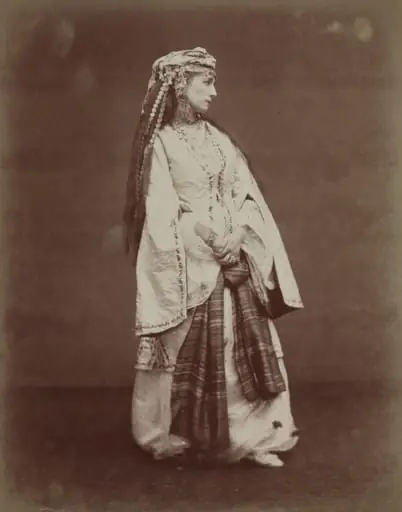 Sarah Bernhardt in "Zaire" by Voltaire
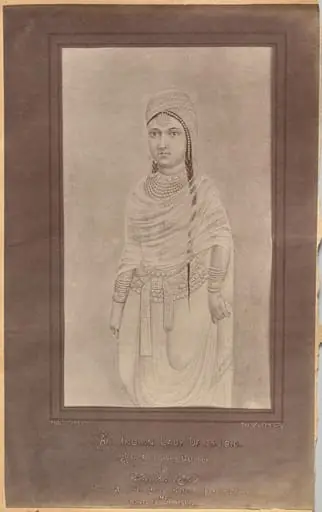 Indian Lady 250 BC (verso, right)
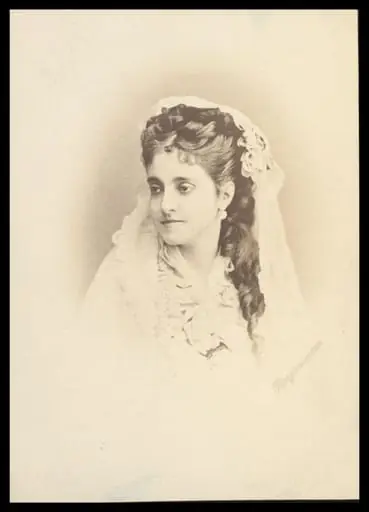 Guy Little Theatrical Photograph
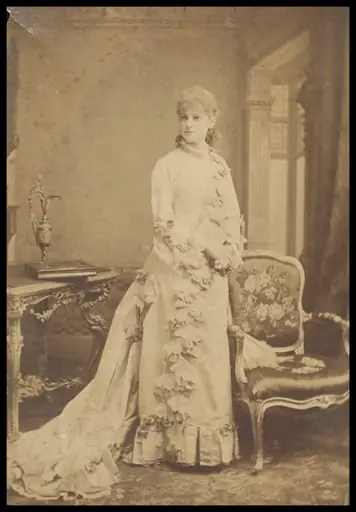 Guy Little Theatrical Photograph
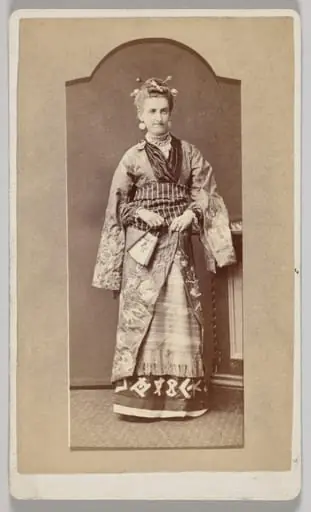 Untitled (white woman in Japanese kimono with fan)
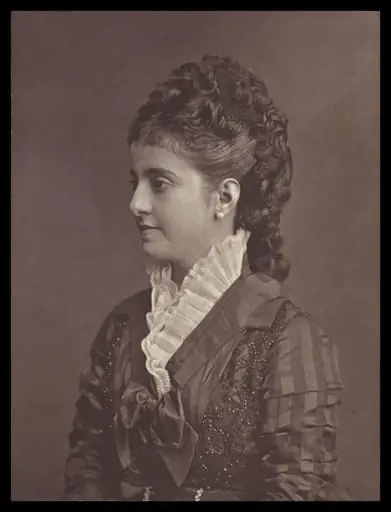 Guy Little Theatrical Photograph
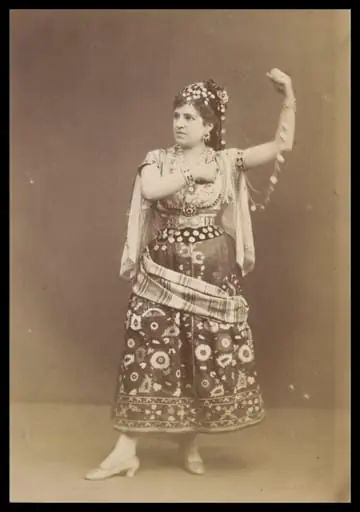 Guy Little Theatrical Photograph
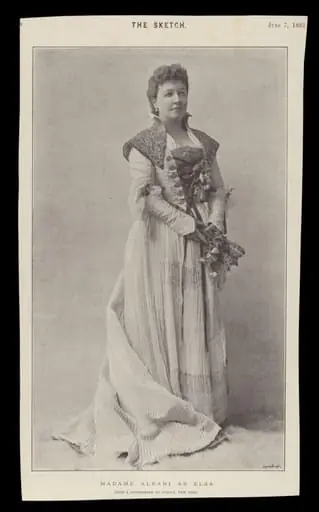 H Beard Print Collection
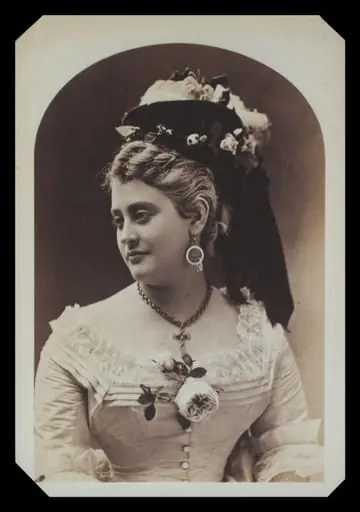 Guy Little Theatrical Photograph
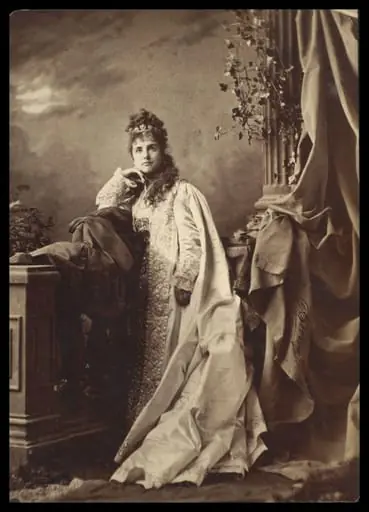 Guy Little Theatrical Photograph
 Portrait of Âdile Hanim, a Turkish woman from Constantinople