Artwork
Charles, Prince of Wales
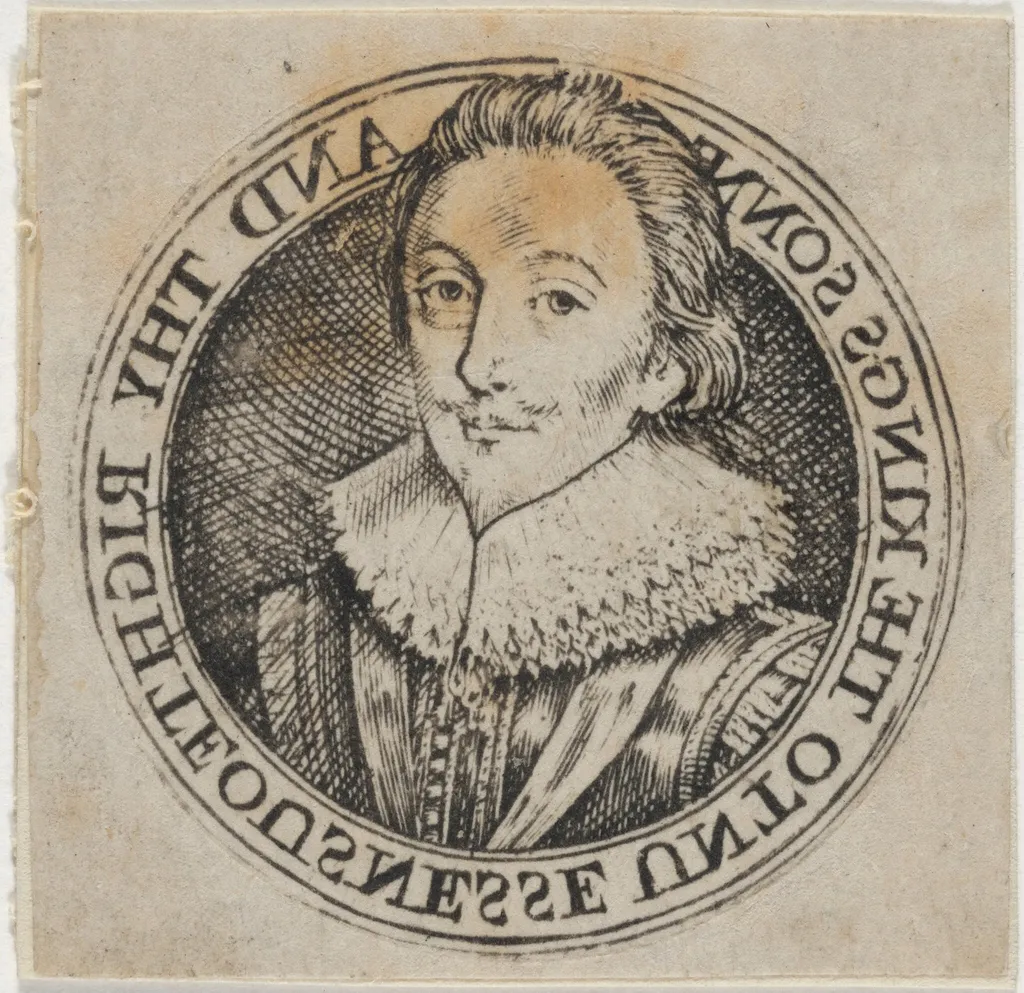
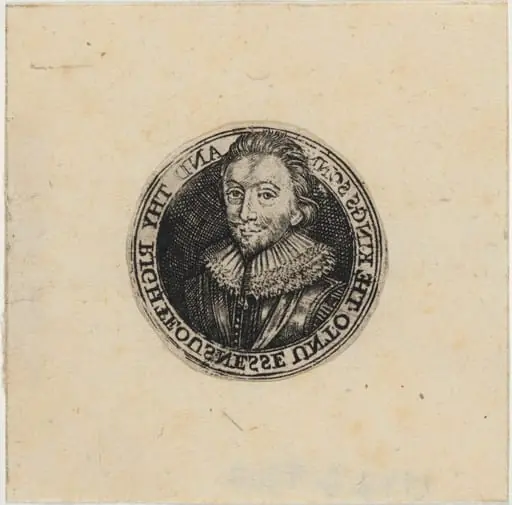
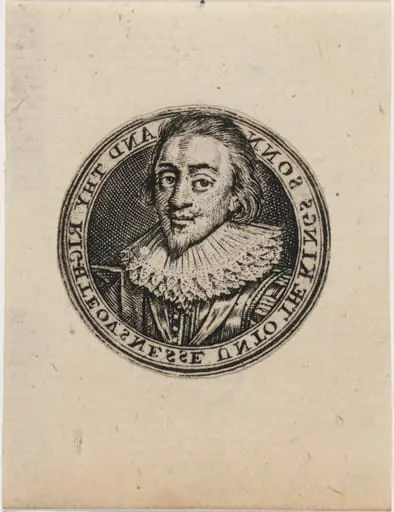
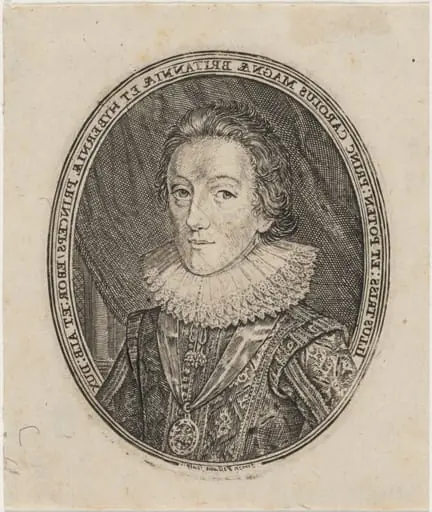
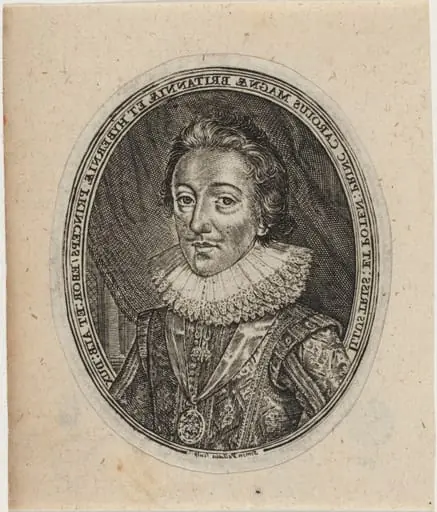
Charles, Prince of Wales is an ink print by the Baroque artist Dutch 17th Century. It dates from 1650 and is held in the collection of the National Gallery of Art.
About this work
Overview
This print is an engraving taken from a silver medal that depicts a young Charles, Prince of Wales. Rendered in black and white, the portrait shows him with curly hair, a light beard, and a distinctive ruffled collar that frames his face against a plain background.
Subject & Meaning
The image identifies its sitter through the inscription "Charles Prince of Wales," confirming the portrait’s purpose as a commemorative representation of the heir apparent, emphasizing his status and youthful appearance.
Technique & Style
The engraving employs fine, parallel lines to model the facial features and the folds of the collar, creating tonal variation through hatching. This line work, typical of medallic engraving, translates the three‑dimensional relief of the original silver piece into a two‑dimensional print.
History & Provenance
Derived from a silver medal, the print likely served to disseminate the likeness of the prince beyond the limited number of medals. Such reproductions were common in the period as a means of circulating royal imagery to a broader audience.
Artist & collection

Artist
This Dutch artist made small, sharp engravings and etchings—mostly portraits and sea battles—printed from metal plates.