Artwork
Charles, Prince of Wales
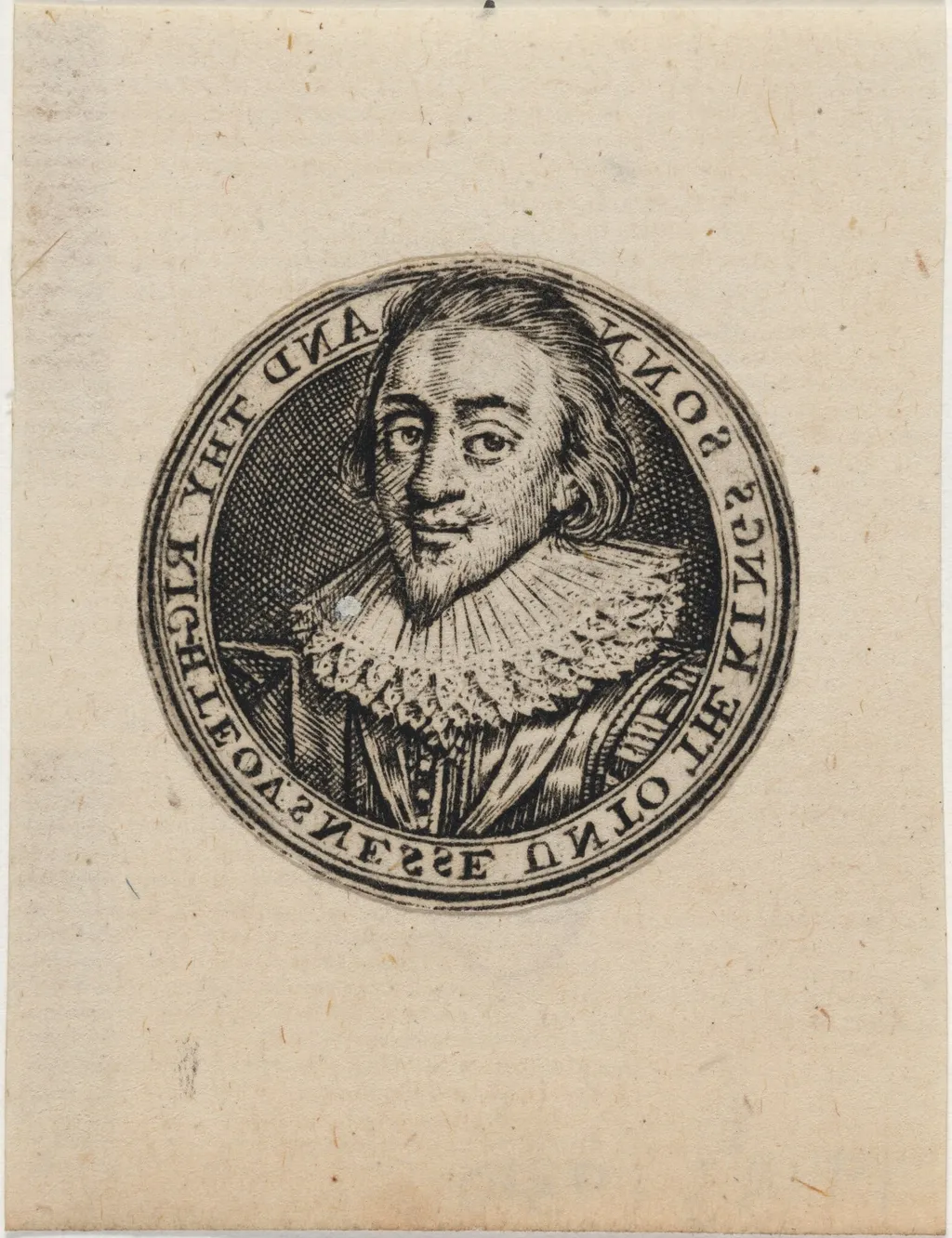
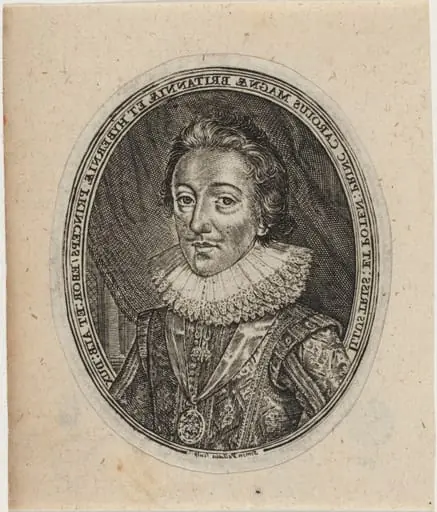
Charles, Prince of Wales is an ink print by the Baroque artist Dutch 17th Century. It dates from 1650 and is held in the collection of the National Gallery of Art.
About this work
If you're interested in learning more about this technique, you might want to look up the artist Dutch 17th Century.
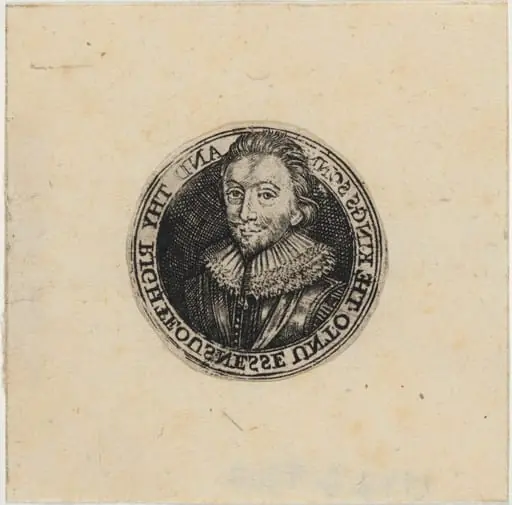
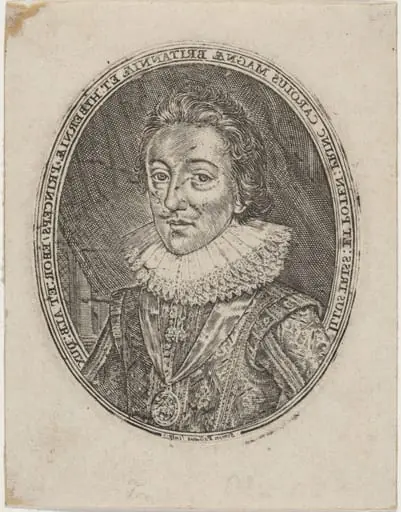
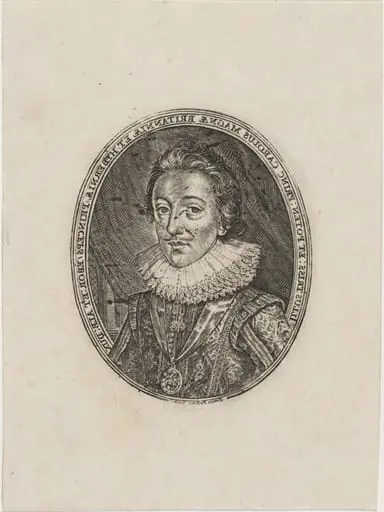
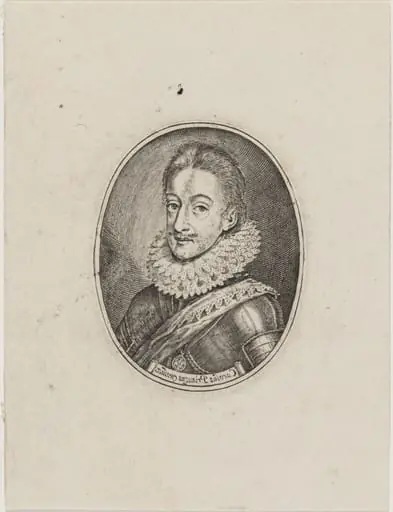
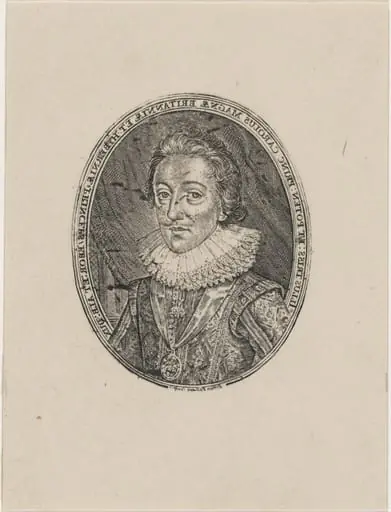
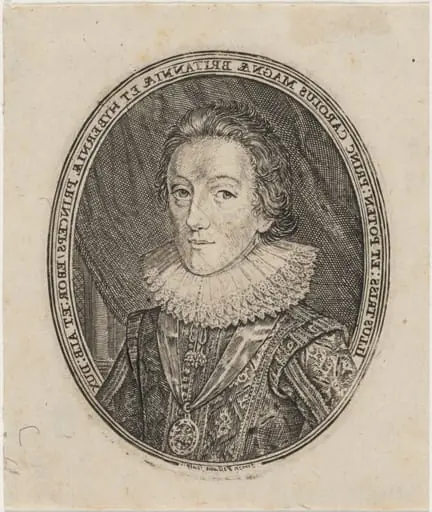
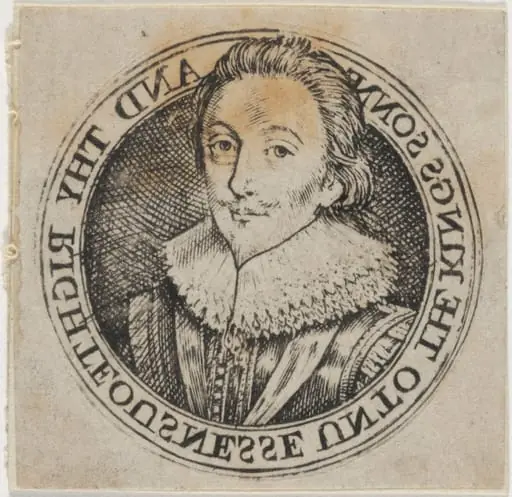
This engraving depicts a man's head and shoulders, set against a dark background. He wears a lace collar and has long hair, with a serious expression on his face.
The engraving is circular, with a border of text that is partially visible. The text appears to be in Latin, but it is not fully legible.
The level of detail in the engraving suggests that it was created using a technique such as cross-hatching. If you're interested in learning more about this technique, you might want to look up the artist Dutch 17th Century.
Overview
The print is a circular engraving taken from a silver medal that portrays a male figure in profile, showing head and shoulders against a dark field. He is depicted wearing a lace collar and his hair falls long, his expression solemn. A surrounding band contains partially visible Latin inscription, though the text cannot be fully read.
Subject & Meaning
The portrait is identified as Charles, Prince of Wales, presenting him in the formal attire appropriate to his status. The serious demeanor and the inclusion of a lace collar reflect the conventions of princely representation in the early modern period, emphasizing dignity and authority.
Technique & Style
The image is rendered with fine cross‑hatching, a common method in 17th‑century Dutch engraving that allows subtle gradations of tone. The circular format and the integration of text around the rim are typical of medallic designs, where the portrait occupies the central field and the legend encircles it.
History & Provenance
The engraving originates from a silver medal struck in the 17th century, though the exact date and mint are not recorded in the provided information. Such medals were often produced to commemorate royal personages and could be distributed as diplomatic gifts or collected by admirers of the court.
Context
During the period when Charles held the title Prince of Wales, portrait medals served both as propaganda and as portable symbols of loyalty. The use of Latin inscriptions aligns with the scholarly and ceremonial language of the era, reinforcing the prince’s connection to classical ideals of rulership.
Artist & collection

Artist
This Dutch artist made small, sharp engravings and etchings—mostly portraits and sea battles—printed from metal plates.