Artwork
Charles I, King of England
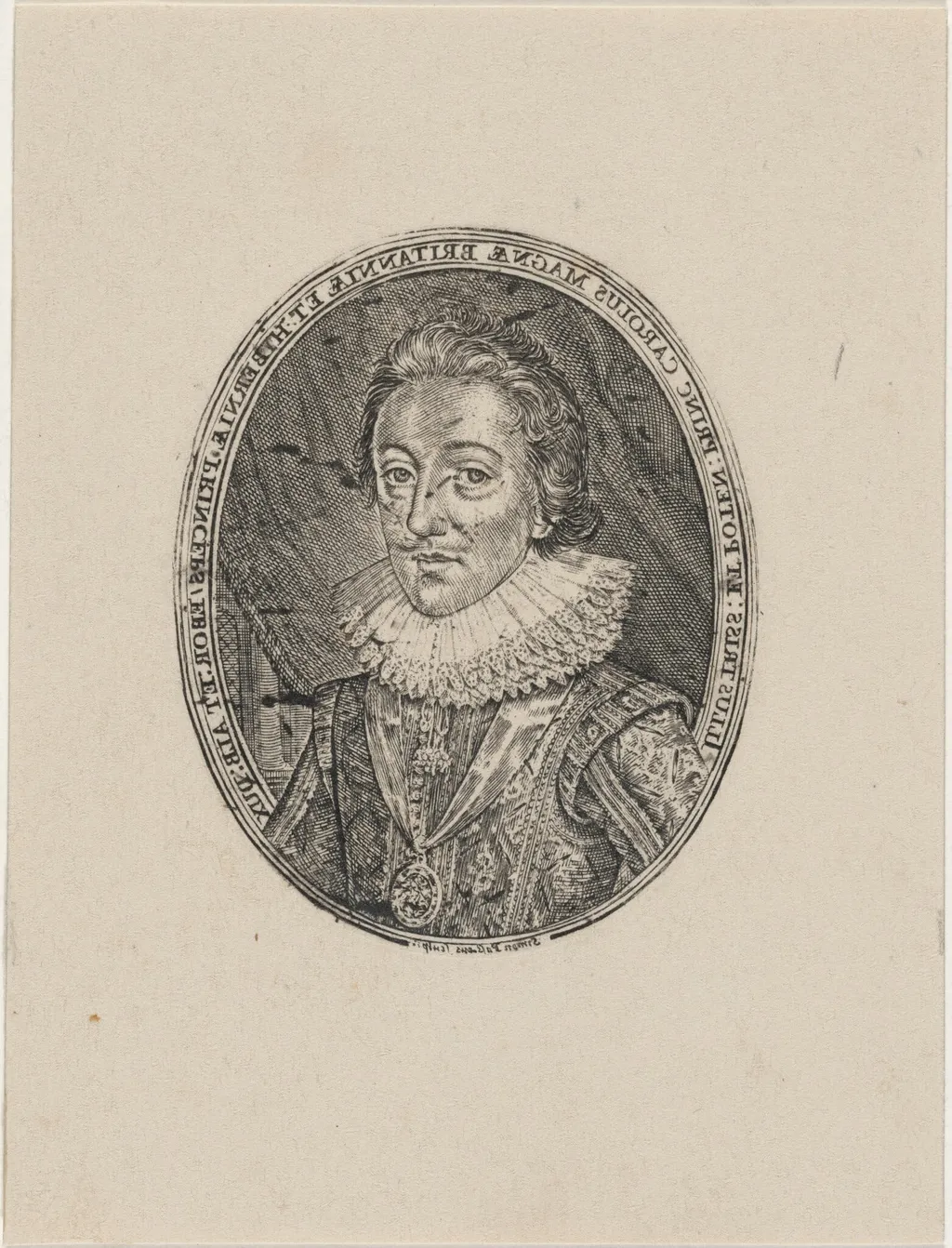
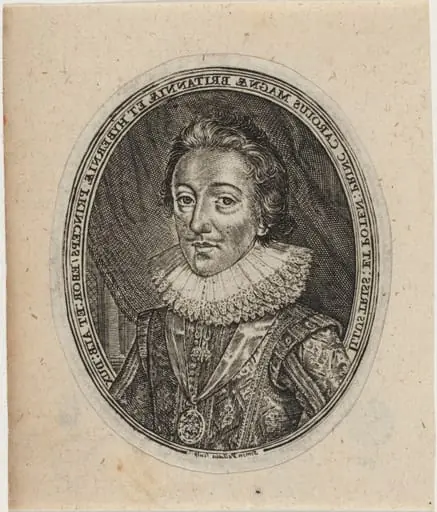
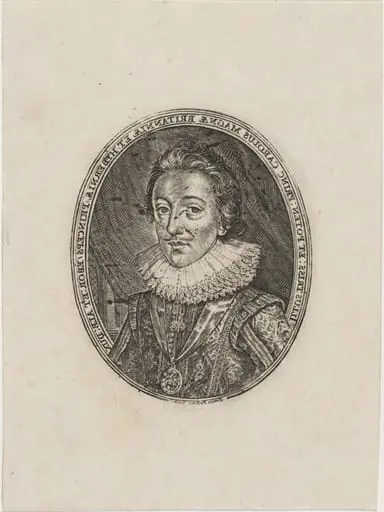
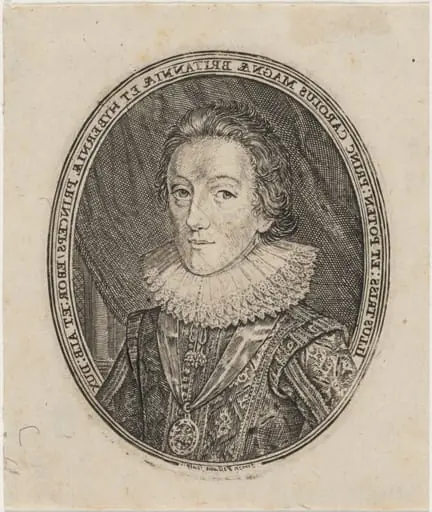
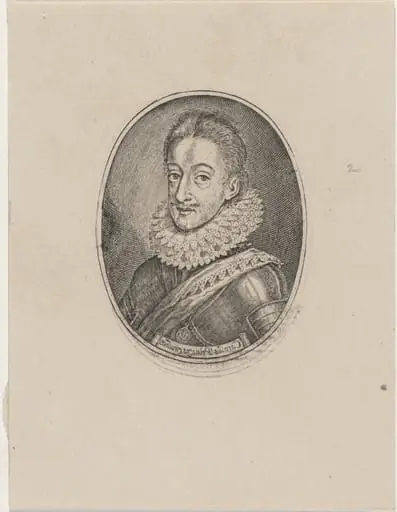
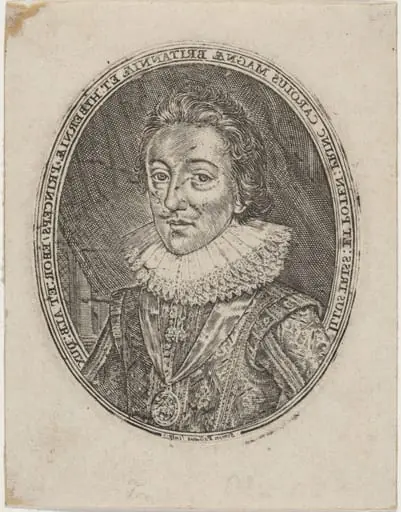
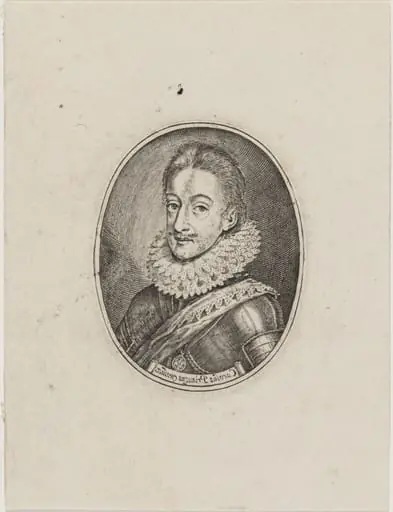
Charles I, King of England is an ink print by the Renaissance artist Simon van de Passe. It dates from 1621 and is held in the collection of the National Gallery of Art. This black-and-white print is an engraving from a silver medal struck in 1621, depicting Charles I of England.
About this work
Overview
The image is contained within a circular border inscribed with Latin text, typical of commemorative medals of the period.
This black-and-white print is an engraving from a silver medal struck in 1621, depicting Charles I of England. Created by Simon van de Passe, it reproduces the monarch’s likeness through fine linear incisions. The image is contained within a circular border inscribed with Latin text, typical of commemorative medals of the period. The technique relies entirely on controlled line work to convey form and texture without color or tone.
Subject & Meaning
The portrait presents Charles I in formal regal attire, emphasizing his status as sovereign. His tightly curled hair and high ruffled collar reflect early 17th-century court fashion, while his direct, composed gaze conveys authority. The Latin inscription around the edge likely includes his title and possibly a motto, reinforcing the image’s function as a public declaration of royal legitimacy and dignity.
Technique & Style
Van de Passe employed cross-hatching—layered sets of fine, intersecting lines—to model the face and fabric with subtle gradations of light and shadow. This method, common in engraved medals, achieves a sculptural effect without shading or tone. The texture of the jacket and the softness of the skin are rendered through varying line density, demonstrating precision and control characteristic of Northern European printmaking traditions.
History & Provenance
The original silver medal was produced in 1621, likely to commemorate Charles’s position as heir to the throne before his accession. Engravings like this were made to distribute his image widely among nobility and foreign courts. The print survives as a reproduction of that medal, preserving the artist’s detailed work and serving as a historical record of early Stuart iconography.
Context
In early 17th-century England, portraiture on medals was a tool of political communication, especially before widespread print media. Van de Passe, a Dutch engraver working in England, was part of a network of artists who translated royal imagery into reproducible formats. This piece reflects the fusion of continental engraving techniques with English courtly symbolism during a period of increasing emphasis on monarchical representation.
Legacy
The engraving stands as an early example of how royal authority was visually disseminated through reproducible media. Its precise linework influenced later portrait engravings and medal design in Britain. Though not widely known today, it remains a key artifact in understanding the visual culture of the Stuart court and the role of print in shaping public perception of monarchy before the Civil War.
Artist & collection


![Charles I, King of England [top half], by Simon van de Passe](https://artifactworldgallery.com/img/simon-van-de-passe--charles-i-king-of-england-top-half--dc79da295243563e-w320.webp)