Artwork
Goat fell, Isle of Arran
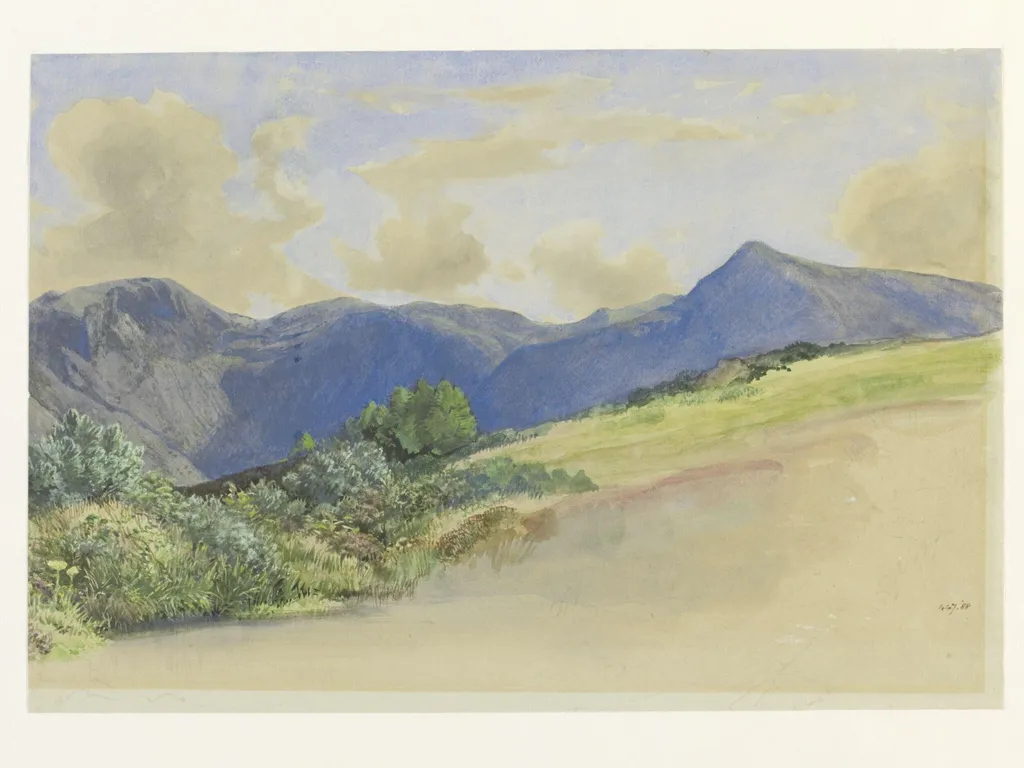
Goat fell, Isle of Arran is a watercolor work on paper by the Impressionist artist William Dyce. It dates from 1859 and is held in the collection of the Victoria and Albert Museum.
About this work
Overview
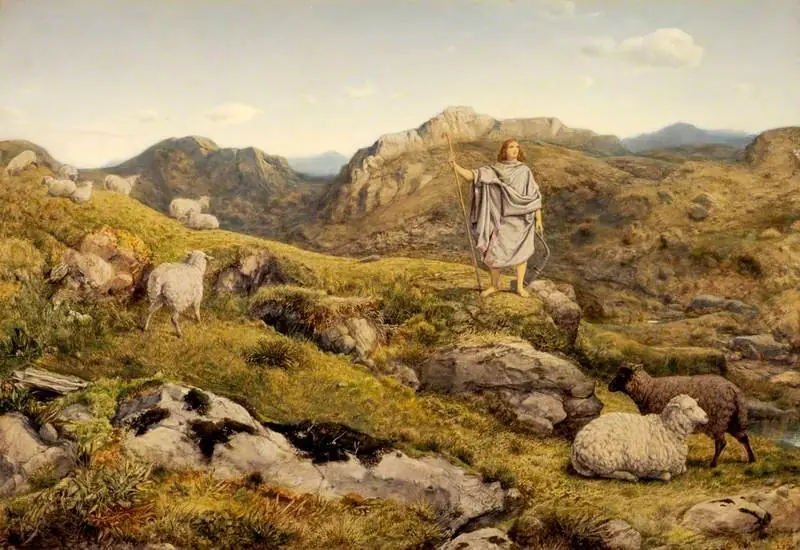
Goat fell, Isle of Arran is a watercolour painting by Scottish artist William Dyce, depicting a serene scene on the Isle of Arran with a fallen goat set against the landscape.
Subject & Meaning
The painting captures a quiet, everyday moment, emphasizing the relationship between a small, fallen goat and the vast, detailed natural surroundings, reflecting Dyce's adherence to 'truth to nature' principles.
Technique & Style
Characterized by Dyce's typical attention to detail, especially in foreground grasses and plants, this work contrasts with his usual style in its unusually loose and free execution.
History & Provenance
Created by William Dyce, who was influenced by the Nazarenes during his time in Rome, this watercolour stands out within his body of landscape works in both oil and watercolour.
Context
For further insight into Dyce's landscape oeuvre, compare with his other watercolours held at the Victoria and Albert Museum.
Own this work as a print
Artist & collection
Artist
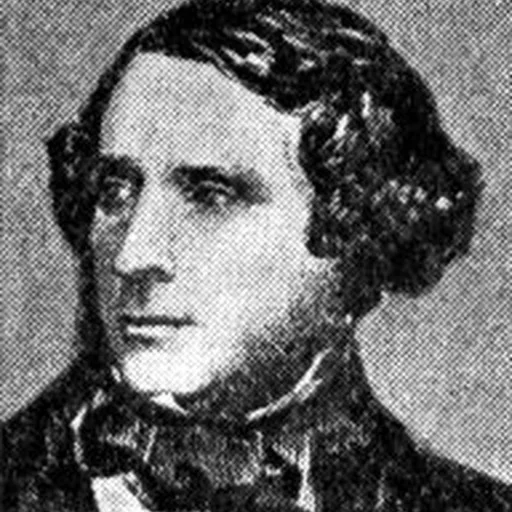
William Dyce (; 19 September 1806 in Aberdeen – 14 February 1864) was a Scottish painter, who played a part in the formation of public art education in the United Kingdom, and the South Kensington Schools system.

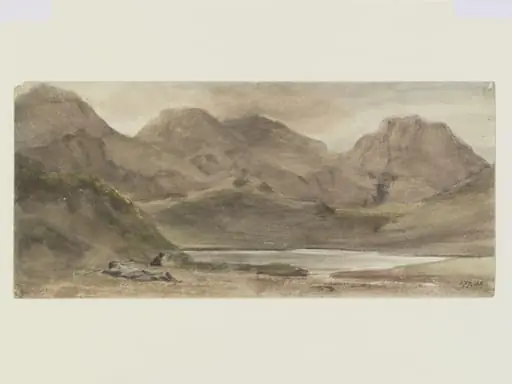 Sty Head Tarn, Borrowdale
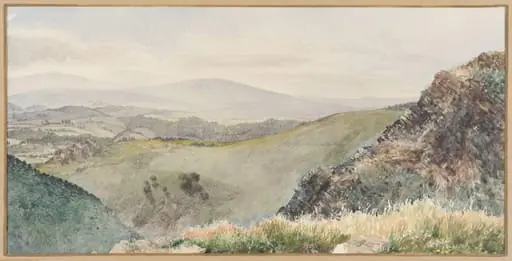 Untitled
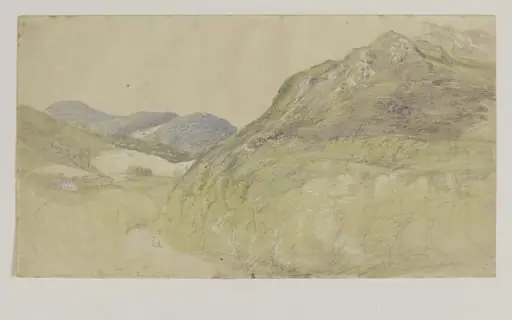 Near the Travellers Rest Inn, Dolgelly
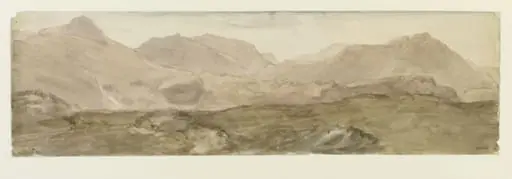 View from the top of Honister Crag
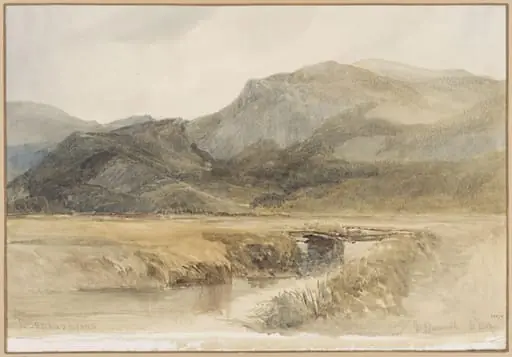 Meadows and Hills near Barmouth, North Wales
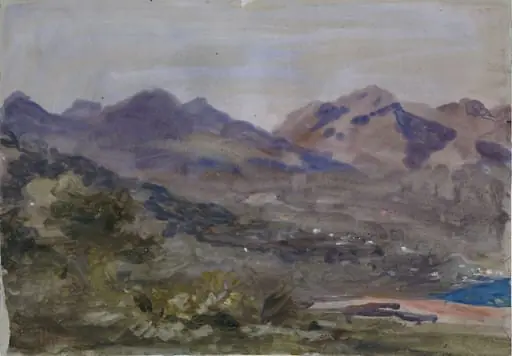 Above Mentone
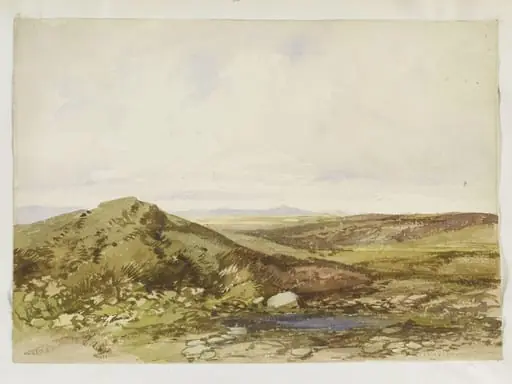 Watercolour in album of 51 drawings and watercolours by James Duffield Harding
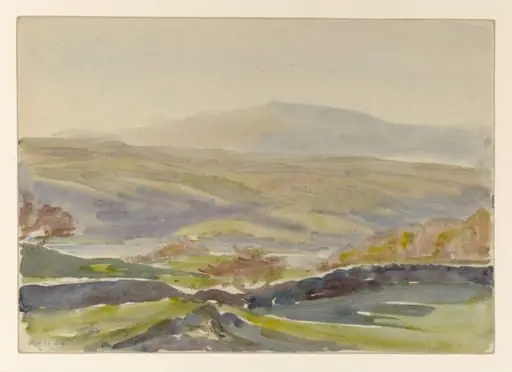 Monk Coniston moor
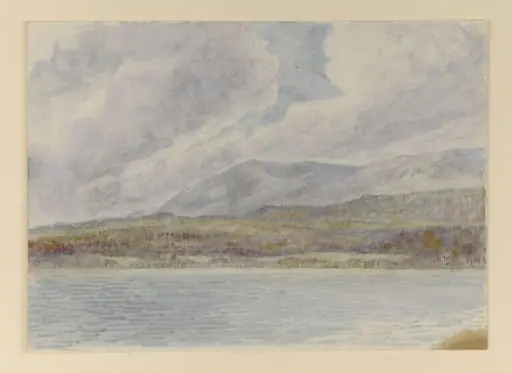 View across Derwentwater
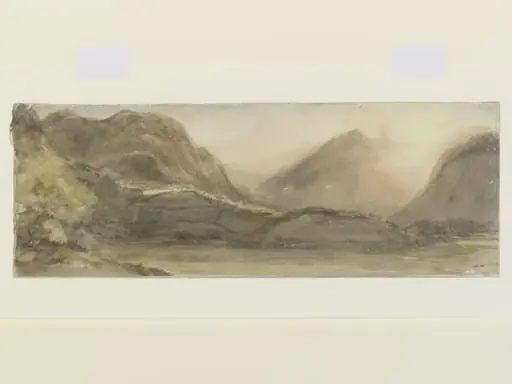 View in Borrowdale.
 Italiensk landskab
 In the Alps