Artwork
King Lear and the Fool in the Storm
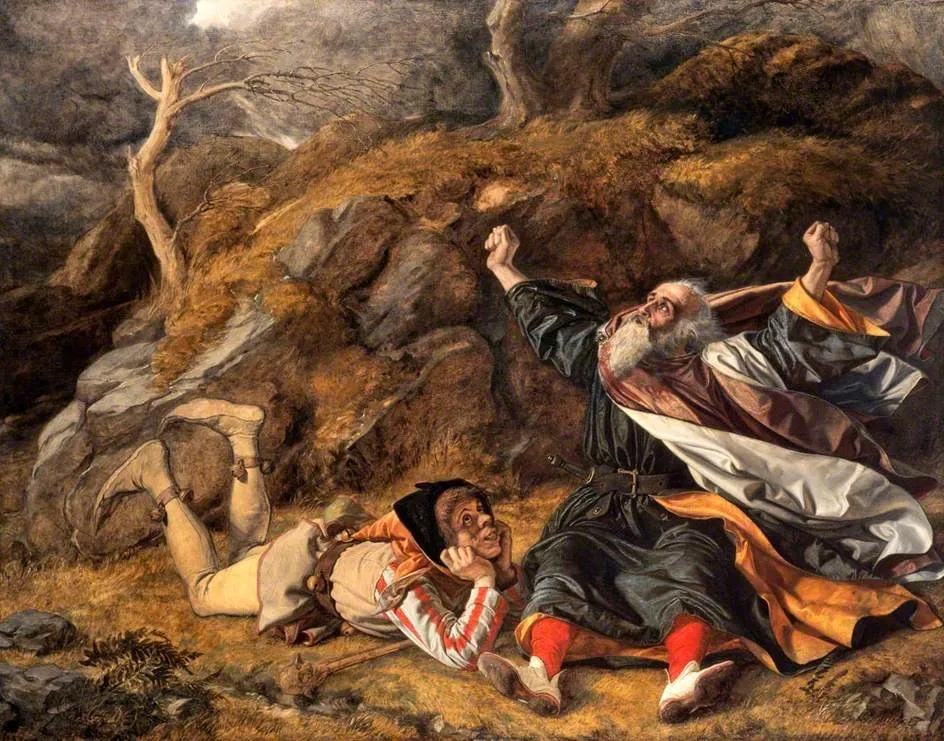
King Lear and the Fool in the Storm is an oil painting by the British Romanticist artist William Dyce. It dates from 1851 and is held in the collection of the National Galleries Scotland.
About this work
Overview
Dyce, known for his engagement with literary themes and public art initiatives, captures the emotional climax of the play’s storm scene.
Painted in 1851 by Scottish artist William Dyce, this oil work illustrates a moment from Shakespeare’s *King Lear*. Dyce, known for his engagement with literary themes and public art initiatives, captures the emotional climax of the play’s storm scene. The painting reflects his interest in moral and psychological depth, aligning with broader 19th-century efforts to elevate historical and literary subjects in visual art.
Subject & Meaning
The scene portrays King Lear, stripped of power and sanity, collapsed in the open as a violent storm rages around him. Beside him, the Fool—his loyal jester—watches with quiet concern. Their physical proximity underscores a bond forged in suffering. Dyce uses their isolation to explore themes of abandonment, madness, and the fragility of authority, stripping away royal grandeur to reveal raw human endurance.
Technique & Style
Dyce employs a muted palette of browns, grays, and deep greens to convey the storm’s oppressive atmosphere. Brushwork is controlled yet expressive, with loose strokes suggesting wind and rain while the figures remain sharply defined. The composition directs attention to the two figures against a barren, rocky landscape, enhancing their vulnerability. Light is diffused, avoiding dramatic contrasts in favor of a somber, unified tone.
History & Provenance
Completed in 1851, the painting entered the collection of the Scottish National Gallery shortly after its creation. Dyce, a key figure in Britain’s art education reforms, often produced works intended for public institutions. Its acquisition by the gallery reflects contemporary interest in art that combined literary narrative with moral seriousness, reinforcing its role as a cultural artifact rather than a private commission.
Context
Dyce worked during a period when British artists increasingly turned to Shakespeare for subject matter, seeking to elevate painting through literary gravitas. Though associated with the Pre-Raphaelites through shared ideals, his style remained more restrained, favoring psychological realism over ornate detail. This painting aligns with broader Victorian concerns about moral decay, leadership, and the natural world’s indifference to human suffering.
Legacy
While not widely reproduced, the painting remains a significant example of 19th-century British literary painting. It exemplifies Dyce’s commitment to integrating narrative depth with visual discipline. Its continued presence in the Scottish National Gallery underscores its value as a quiet but potent meditation on power, madness, and companionship in crisis.
Artist & collection
Artist
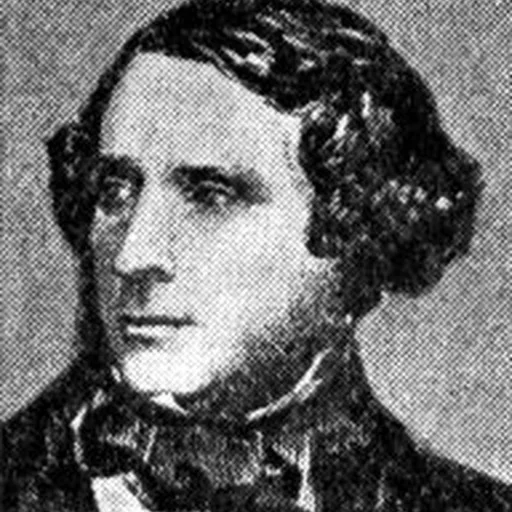
William Dyce (; 19 September 1806 in Aberdeen – 14 February 1864) was a Scottish painter, who played a part in the formation of public art education in the United Kingdom, and the South Kensington Schools system.

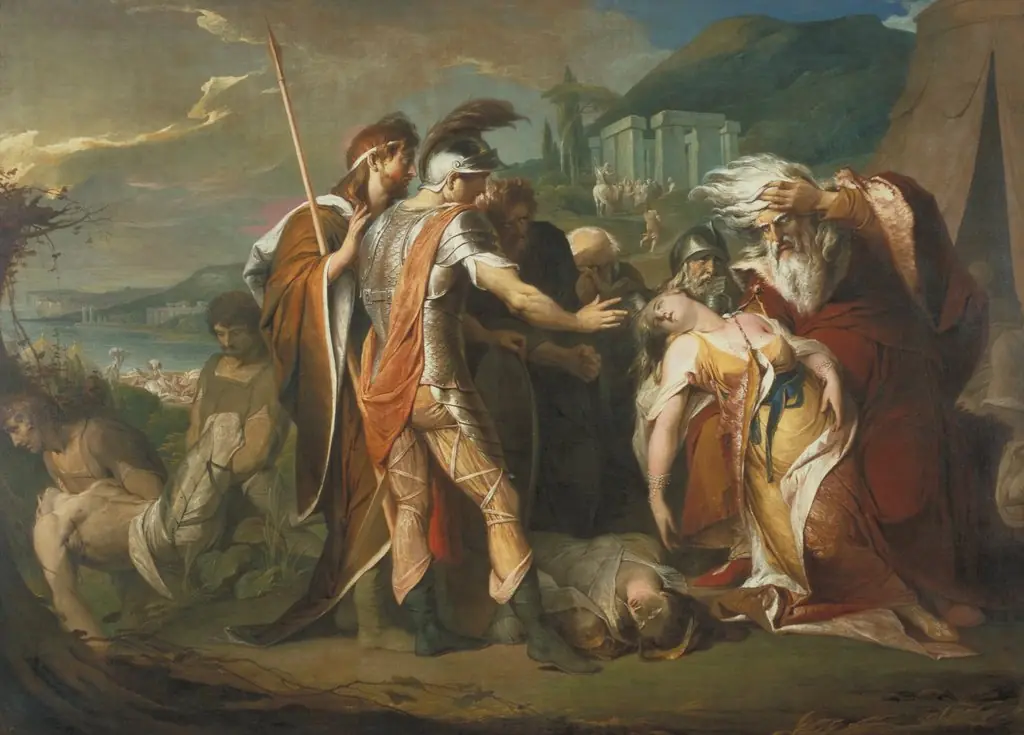 King Lear Weeping over the Dead Body of Cordelia
 Anbetung
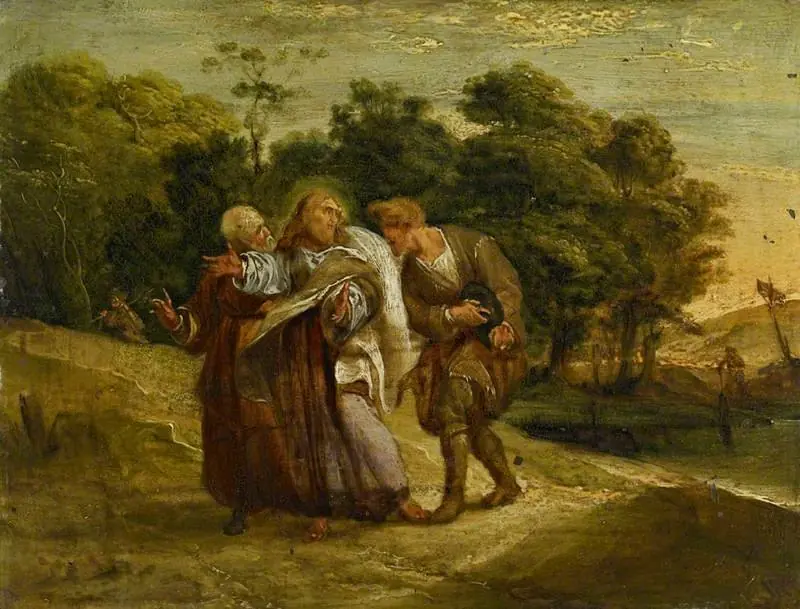 Christ with his Disciples on the Road to Emmaus
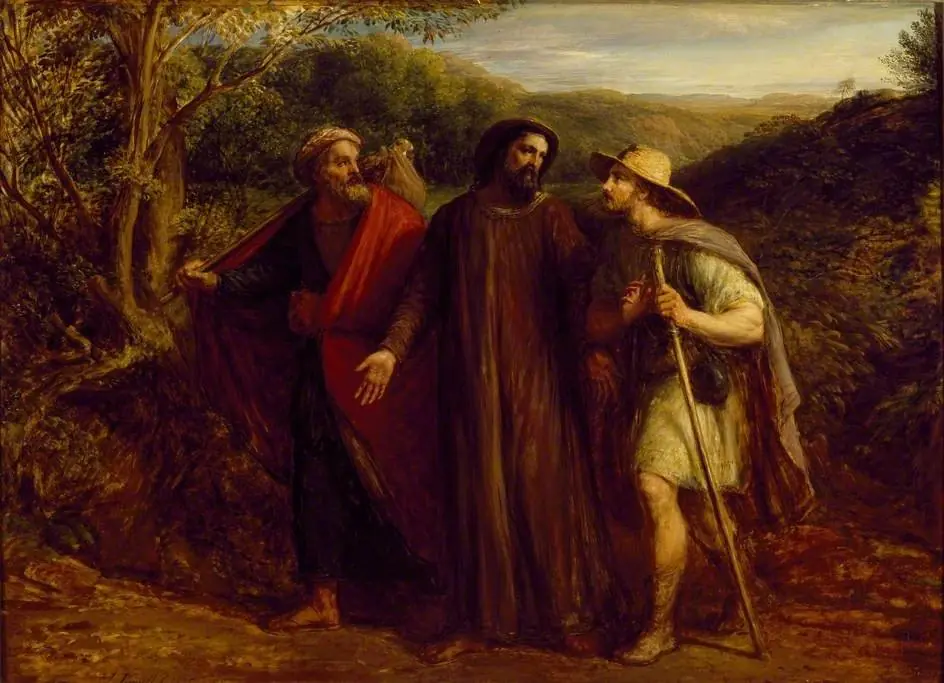 Christ's Appearance to the two Disciples journeying to Emmaus
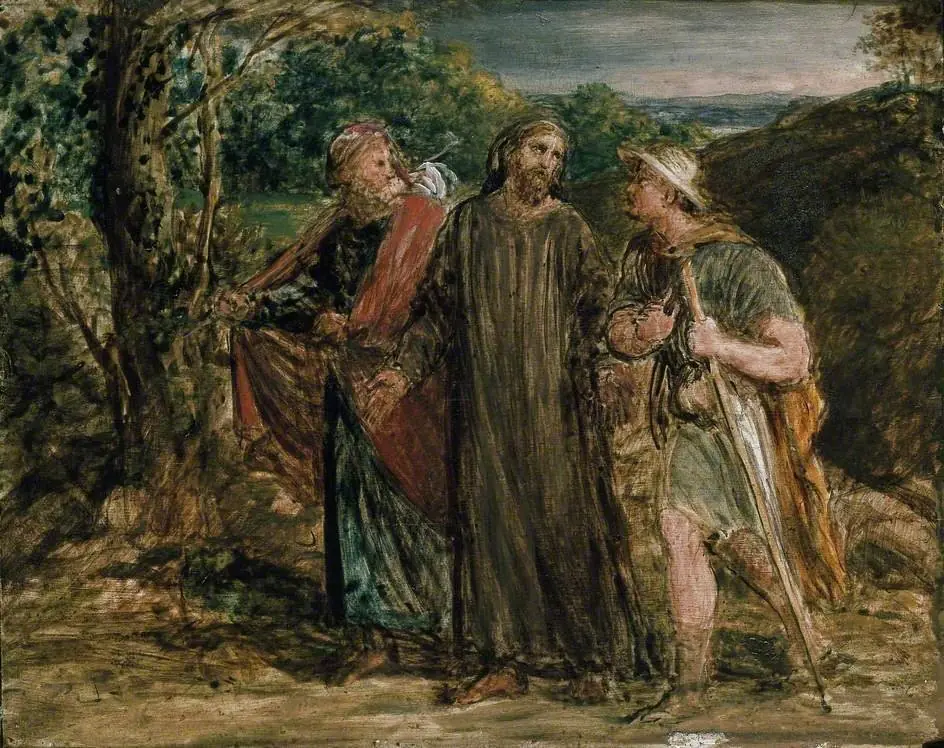 Sketch for 'Christ's Appearance to the two Disciples journeying to Emmaus'
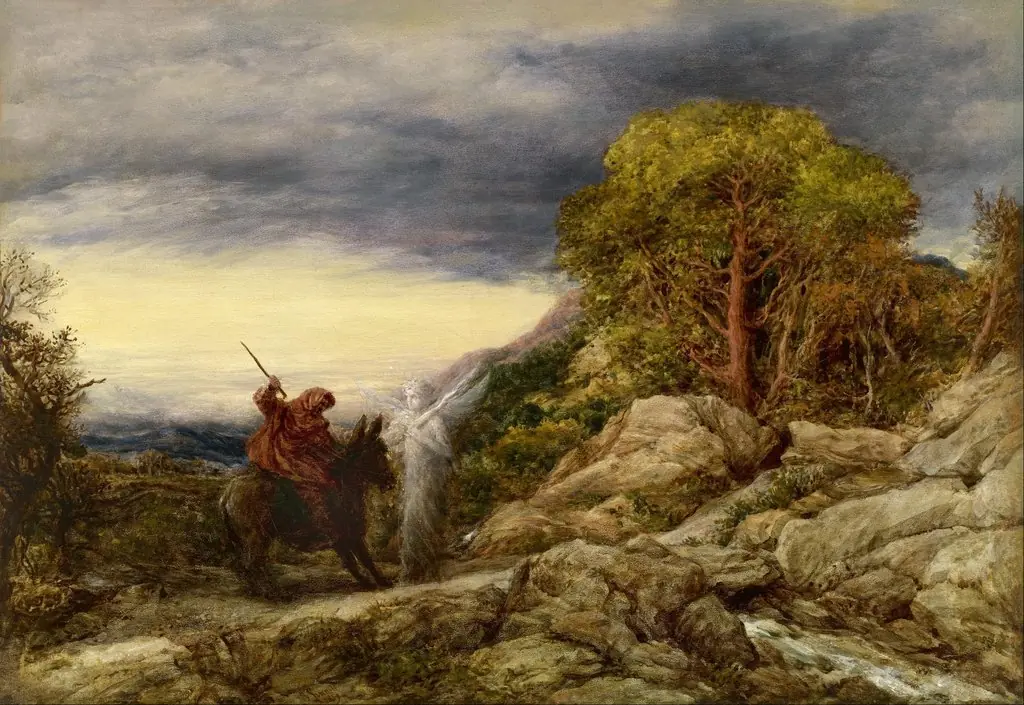 The Prophet Balaam and the Angel
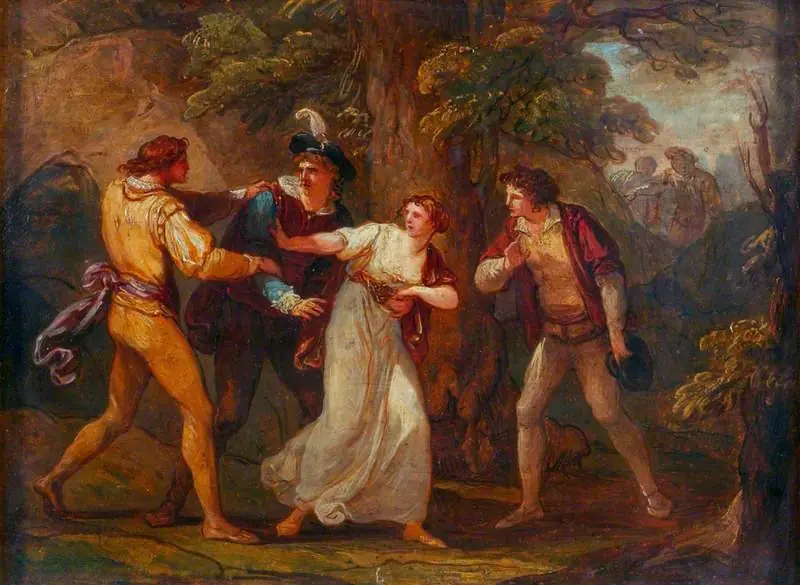 Sketch for 'The Two Gentlemen of Verona' (Act II, Scene 3 of the play by William Shakespeare)
 The peasant's pleasure
 Kaiser Rudolf II. bei einer Trinkkur
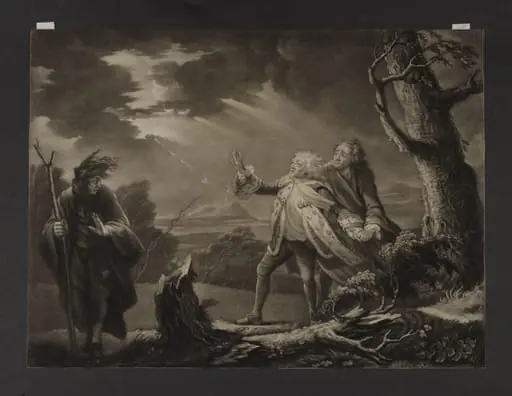 Harry Beard Print Collection