Artwork
Lucas Vorsterman
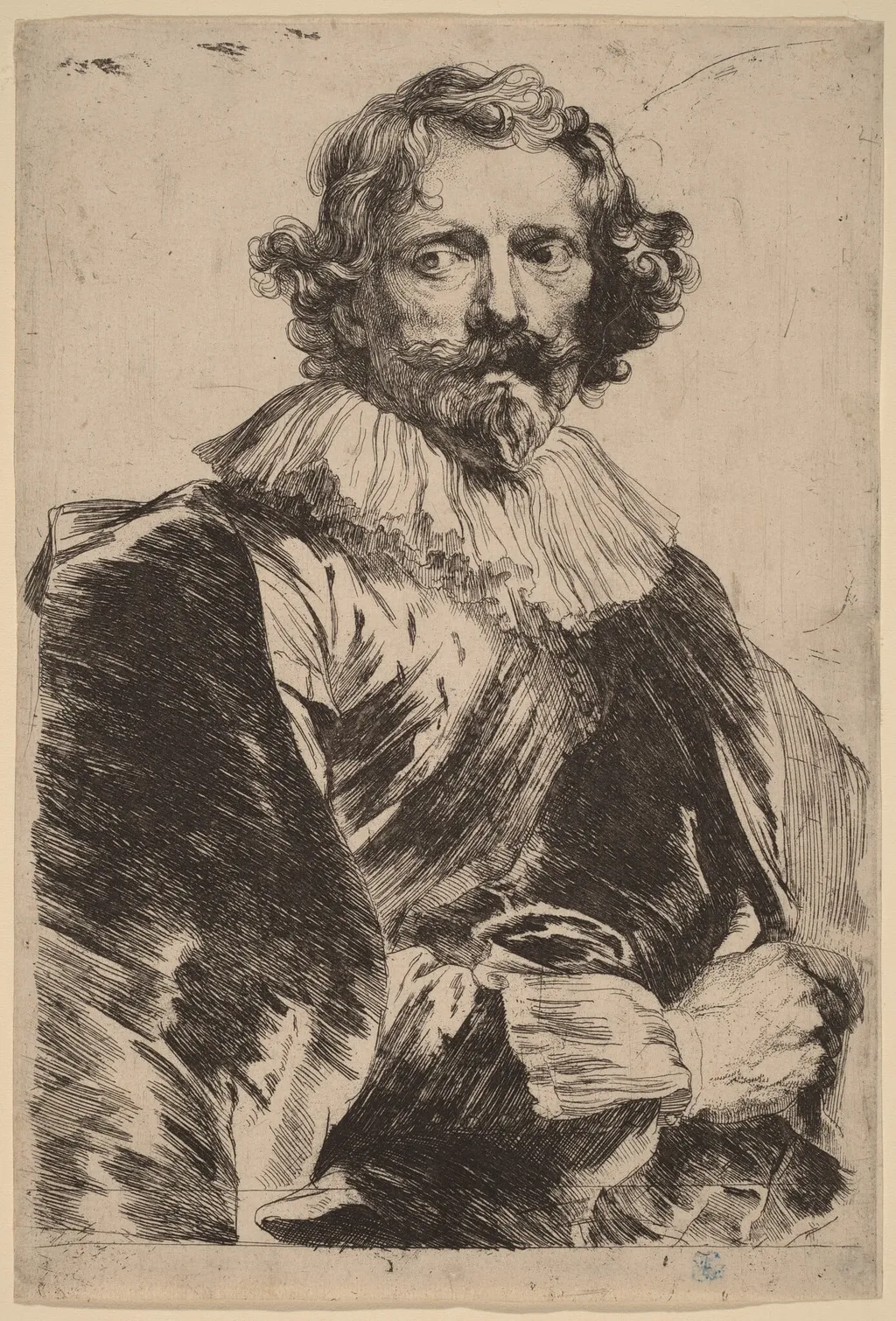
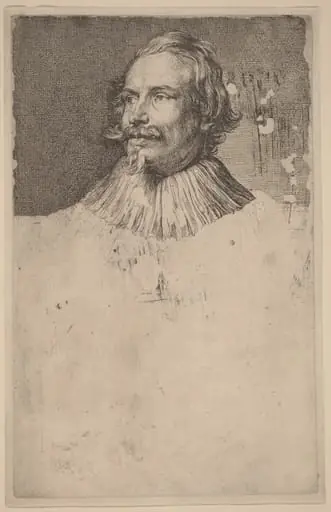
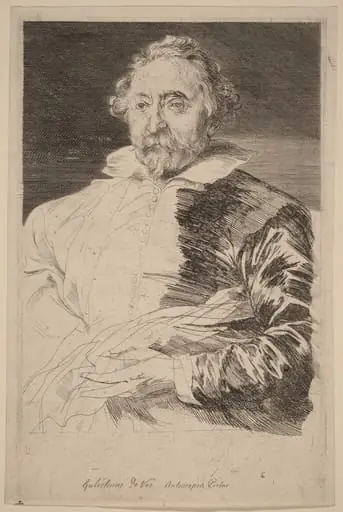
Lucas Vorsterman is an ink print by the Baroque artist Anthony van Dyck. It dates from 1634 and is held in the collection of the National Gallery of Art.
About this work
Overview
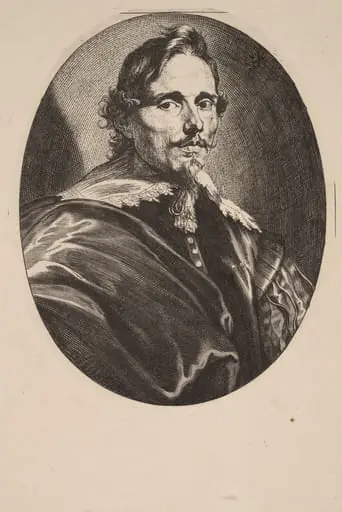
This print, executed in etching around 1634, is a portrait of the engraver Lucas Vorsterman. Rendered in monochrome, the image presents a bearded man with curly hair, dressed in a high‑collared coat, his hands folded beneath his arms. The composition reflects the portrait conventions of the early seventeenth‑century Dutch and Flemish schools.
Subject & Meaning
The sitter, Lucas Vorsterman, was a noted copperplate engraver who later collaborated with prominent artists of his time. The work captures his professional stature, emphasizing his mature age and scholarly bearing through the detailed rendering of his beard and attire, suggesting both personal identity and the esteem accorded to craftsmen in the period.
Technique & Style
Created by the etching process, the artist incised lines into a metal plate, allowing ink to remain in the recessed marks. The resulting print displays a lively, somewhat irregular line quality, with a textured, almost scratchy surface that conveys immediacy and vigor, characteristic of quick, expressive portraiture popular in the 1600s.
History & Provenance
Attributed to Sir Anthony van Dyck, the portrait was likely produced during his early years in Antwerp, when he was establishing connections with fellow artists. The work has survived in several collections, documenting the professional network among engravers and painters in the Baroque era.
Context
In the early seventeenth century, etching became a favored medium for portraiture because it allowed relatively rapid production while retaining fine detail. Van Dyck’s use of the technique aligns with contemporary practices that emphasized personal likeness and the social status of artistic practitioners.
Artist & collection
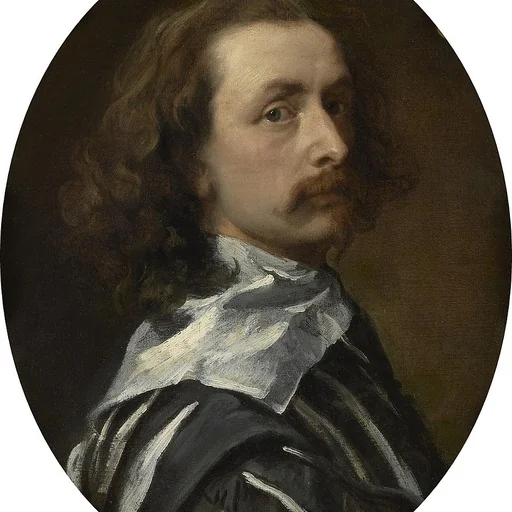
Artist
Sir Anthony van Dyck (; Dutch: Antoon van Dijck ; 22 March 1599 – 9 December 1641) was a Flemish Baroque artist, who became the leading court painter in England after success in the Spanish Netherlands and Italy.