Artwork
Frans Francken II
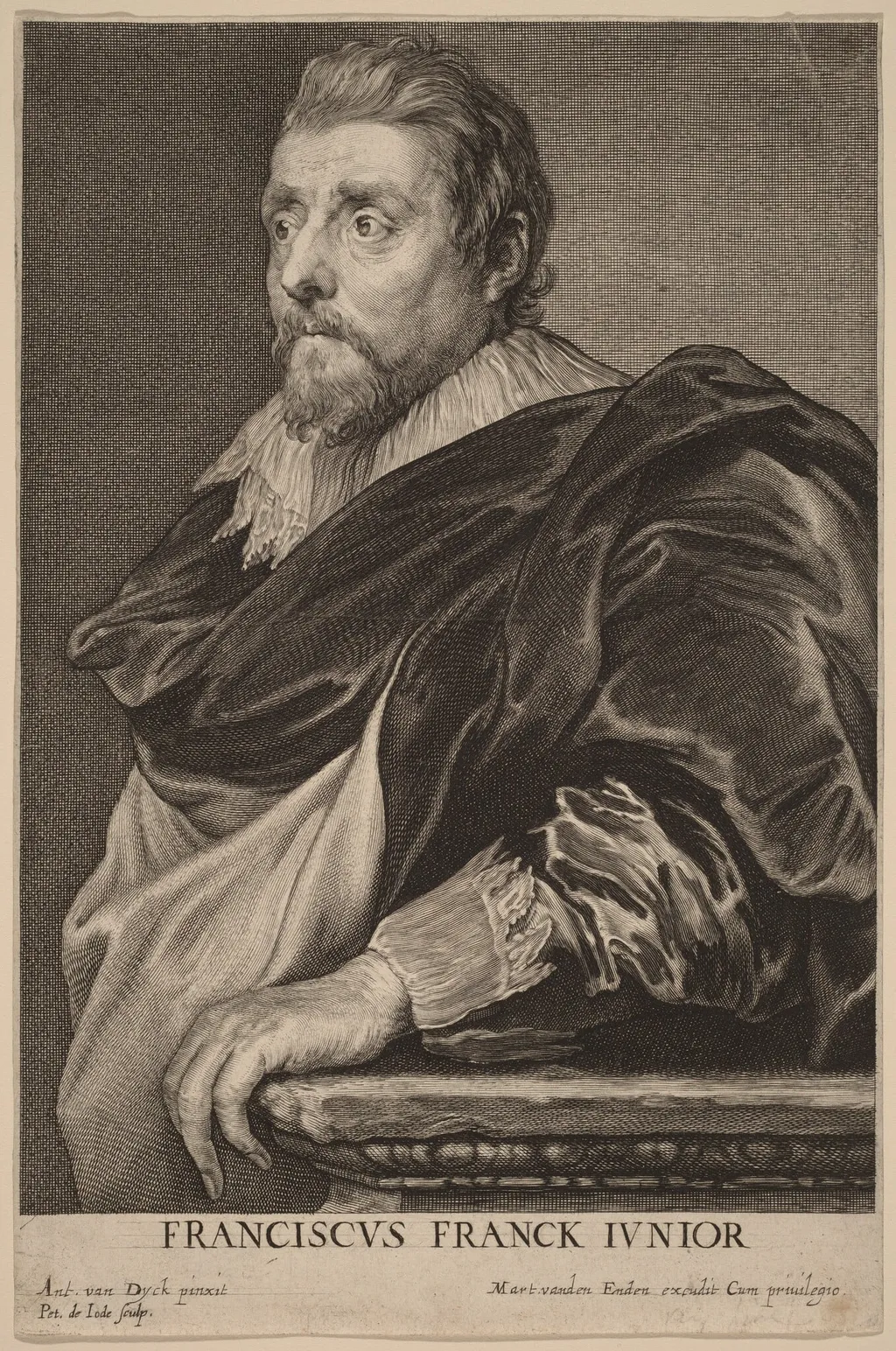
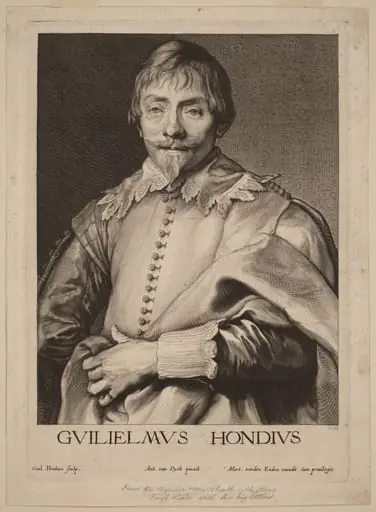
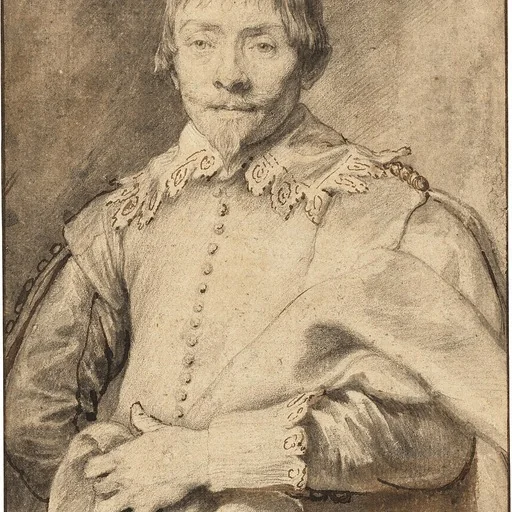
Frans Francken II is an ink print by the Baroque artist Willem Hondius. It dates from 1634 and is held in the collection of the National Gallery of Art.
About this work
Overview
Executed in the Northern European printmaking tradition, the work is a reproductive portrait that captures Francken’s likeness with precision.
This engraving, created around 1634 by Willem Hondius, portrays the Flemish painter Frans Francken II. Executed in the Northern European printmaking tradition, the work is a reproductive portrait that captures Francken’s likeness with precision. Hondius, known for translating painted compositions into engraved form, used fine lines and tonal gradations to render the subject’s features and attire with clarity and restraint.
Subject & Meaning
Frans Francken II is depicted as a respected artist of his time, dressed in formal dark robes with a crisp white ruff and cuffs, signaling his professional status. His long, curled hair and beard convey a sense of mature authority. The pose—hand resting on a ledge, the other arm concealed—suggests quiet composure rather than theatrical gesture, reinforcing an image of dignified intellectual presence rather than flamboyant creativity.
Technique & Style
Hondius employed fine cross-hatching and delicate line work to model the textures of fabric, hair, and skin. The dark, unbroken background isolates the figure, heightening focus on the intricate rendering of the ruff and the subtle gradations of shadow across the face and robe. The engraving’s precision reflects the technical rigor of 17th-century reproductive printmaking, where fidelity to the original likeness was paramount.
History & Provenance
Willem Hondius, a Dutch artist active in Poland, produced this engraving during a period when reproductive prints were widely circulated among collectors and artists. The portrait likely served to disseminate Francken’s image beyond his immediate circle, aligning with the era’s practice of using prints to honor and memorialize prominent cultural figures. Its survival attests to the enduring interest in such likenesses.
Context
In early 17th-century Northern Europe, engraved portraits of artists were common tools for establishing professional reputations. Francken, a prolific painter of religious and allegorical scenes, was part of a network of Flemish artists whose images were reproduced for wider audiences. Hondius’s work fits within this tradition, bridging painting and print culture across regional boundaries.
Legacy
Though not widely exhibited today, this engraving remains a documented example of how artists’ identities were visually codified in print. It reflects the collaborative nature of artistic production in the period, where engravers like Hondius played a key role in shaping the public perception of painters. The work endures as a quiet testament to the mechanics of artistic reputation in the pre-photographic age.
Artist & collection
Artist
Willem Hondius or Willem Hondt (c. 1598 in The Hague – 1652 or 1658 in Danzig (Gdańsk)) was a Dutch engraver, cartographer and painter who spent most of his life in Poland.