Artwork
Philippe le Roy, Lord of Ravels
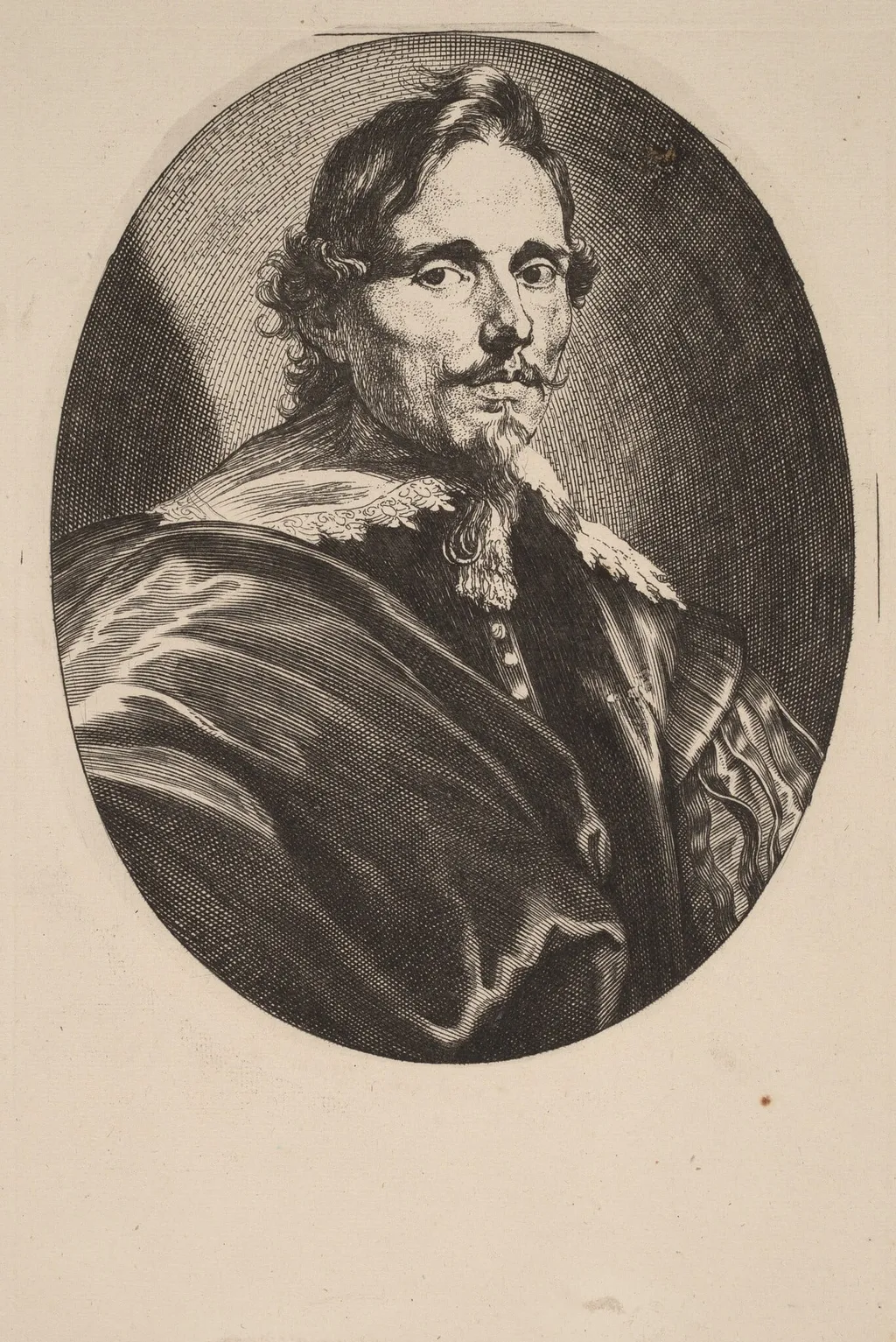
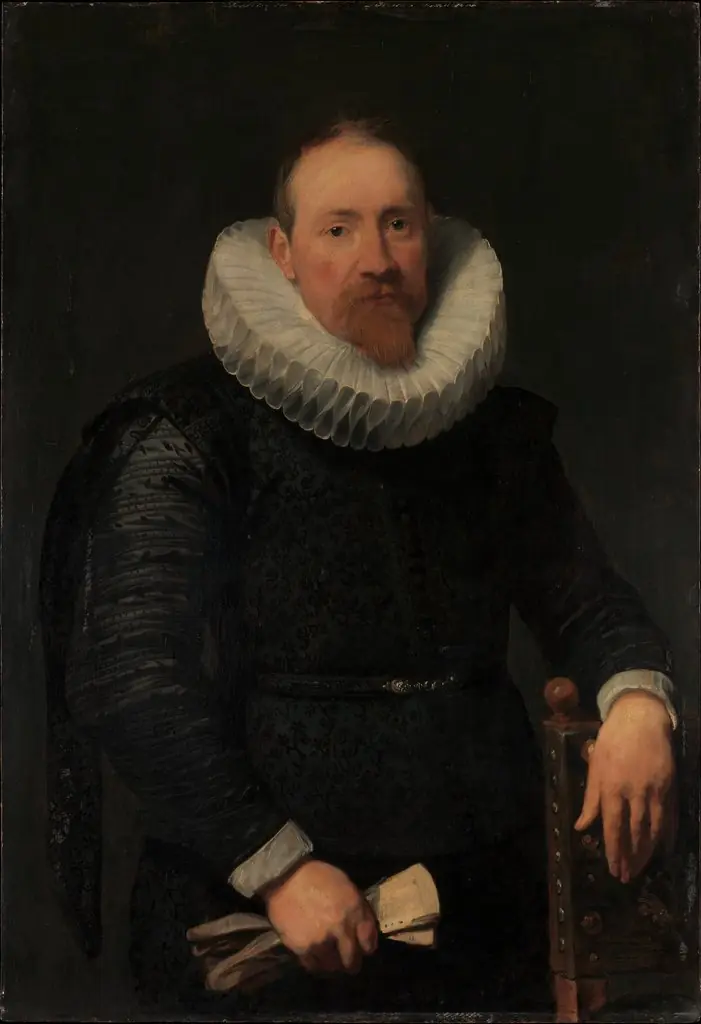
Philippe le Roy, Lord of Ravels is an ink print by the Baroque artist Anthony van Dyck. It dates from 1634 and is held in the collection of the Rosenwald Collection.
About this work
Overview
It belongs to a series of aristocratic portraits van Dyck produced during his time in the Southern Netherlands.
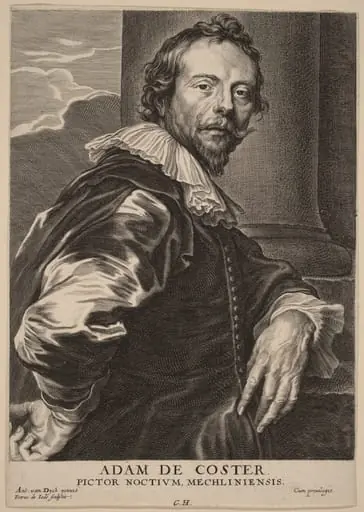
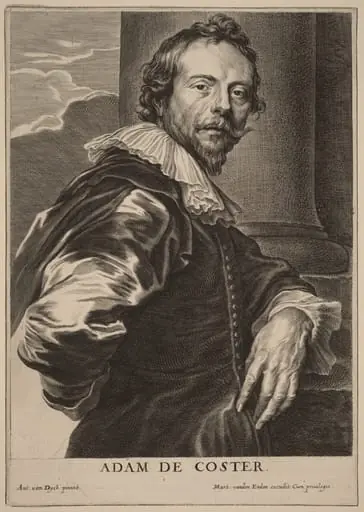
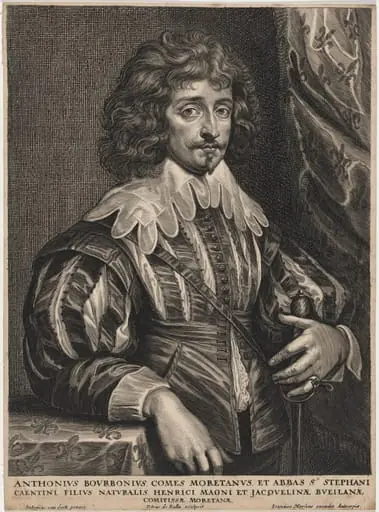
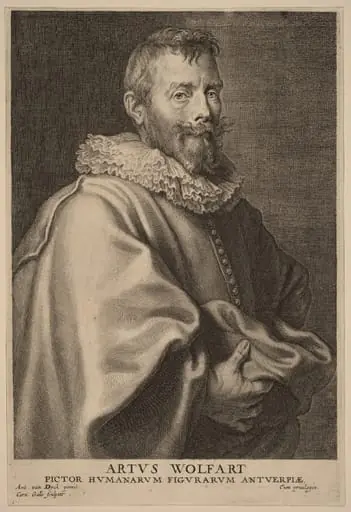
This black-and-white print depicts Philippe le Roy, Lord of Ravels, created around 1634 by Anthony van Dyck. Executed through etching and engraving, the work is a portrait rendered in fine linear detail. The technique allowed for nuanced tonal variation, capturing the subject’s likeness with precision. It belongs to a series of aristocratic portraits van Dyck produced during his time in the Southern Netherlands.
Subject & Meaning
Philippe le Roy, Lord of Ravels, was a nobleman of the Spanish Netherlands, likely a local official or landholder. His composed expression and formal attire convey dignity and social standing. The absence of overt symbolism suggests the portrait’s purpose was to affirm status through restraint rather than grandeur, reflecting the quiet authority valued among regional elites of the period.
Technique & Style
Van Dyck employed etching and engraving to build form through controlled lines, using cross-hatching and varying stroke density to model light and volume. The ruffled collar and textured coat are rendered with meticulous detail, while the face emerges with subtle gradations of shadow. The style aligns with Baroque portraiture’s emphasis on psychological presence and tactile realism, even in monochrome.
History & Provenance
Created during van Dyck’s years in Antwerp, the print likely served as a private commission or diplomatic gift. It was probably circulated among noble circles to reinforce social connections. The work entered institutional collections in the 19th century, where it was preserved as an example of early modern printmaking and aristocratic portraiture.
Context
In the 1630s, van Dyck was refining his portrait style amid the political and cultural milieu of the Spanish Netherlands. Etchings like this one allowed for wider dissemination of likenesses beyond painted commissions. They catered to a growing literate elite who valued personal representation and were familiar with the conventions of courtly portraiture.
Legacy
This print exemplifies van Dyck’s influence on the development of portrait engraving in Northern Europe. Its restrained elegance and technical finesse set a standard for later generations of printmakers. Though less celebrated than his oil paintings, such works contributed to the broader dissemination of his visual language and the idealization of noble identity in print form.
Artist & collection
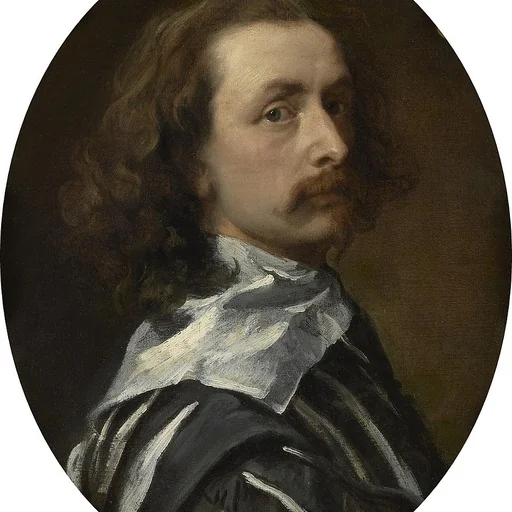
Artist
Sir Anthony van Dyck (; Dutch: Antoon van Dijck ; 22 March 1599 – 9 December 1641) was a Flemish Baroque artist, who became the leading court painter in England after success in the Spanish Netherlands and Italy.