Artwork
Sharpening the Scythe
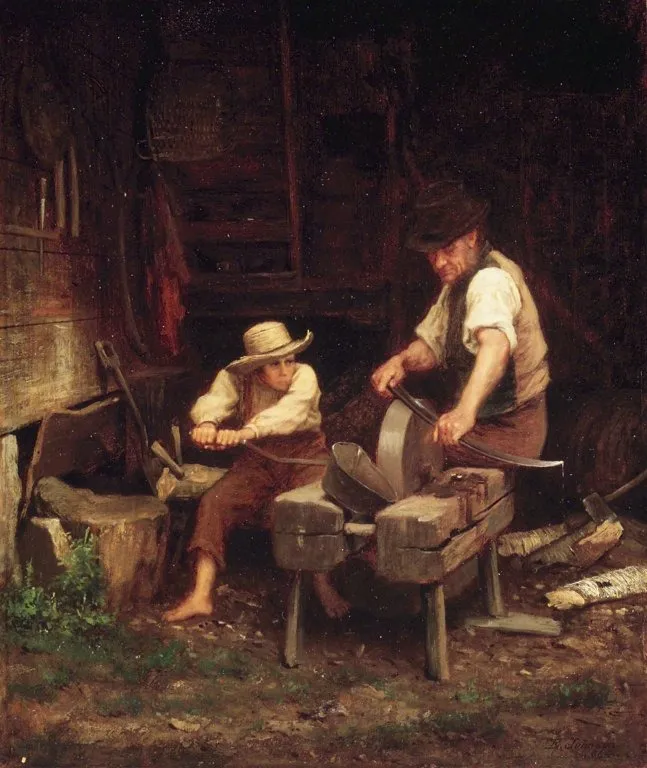
Sharpening the Scythe is an oil painting by Eastman Johnson. It dates from 1865 and is held in the collection of the Brooklyn Museum.
About this work
Overview
Eastman Johnson’s 1865 oil painting *Sharpening the Scythe* portrays a quiet moment of agricultural labor. Two figures occupy a modest interior: one man hones a scythe while a younger companion watches, suggesting instruction. The work resides in the Brooklyn Museum’s permanent collection, representing Johnson’s interest in everyday American life.
Subject & Meaning
The composition captures a slice of 19th‑century farm routine, emphasizing the transmission of skill between generations. By focusing on the act of sharpening a tool, Johnson highlights the dignity of manual work and the quiet concentration required in rural chores, inviting viewers to consider the value of apprenticeship and shared labor.
Technique & Style
Johnson employs a palette of warm, earthy hues that lend the scene a sense of intimacy. His brushwork is relatively loose, imparting a spontaneous feel while preserving enough detail to define the figures and their environment. Subtle contrasts of light and shadow create depth, echoing the chiaroscuro techniques he absorbed from Dutch masters.
History & Provenance
After completing the painting in the post‑Civil War period, Johnson, a co‑founder of the Metropolitan Museum of Art, placed the work within his broader oeuvre of genre scenes. The canvas eventually entered the Brooklyn Museum’s holdings, where it remains accessible to the public as part of the institution’s American art collection.
Artist & collection
Artist
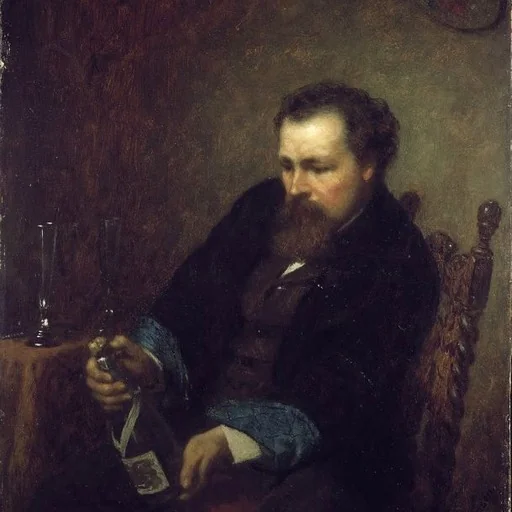
Jonathan Eastman Johnson (July 29, 1824 – April 5, 1906) was an American painter and co-founder of the Metropolitan Museum of Art, New York City, with his name inscribed at its entrance.

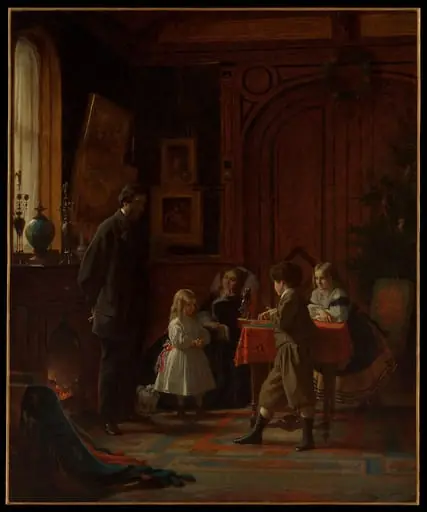
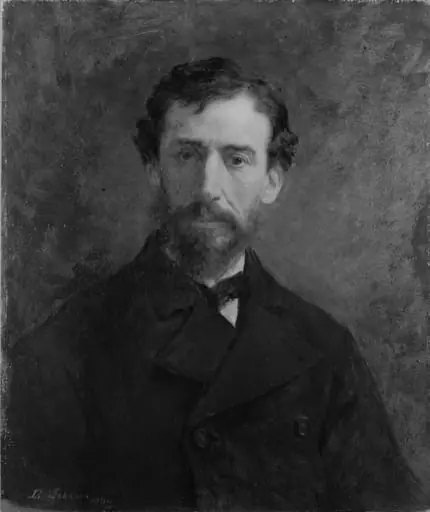
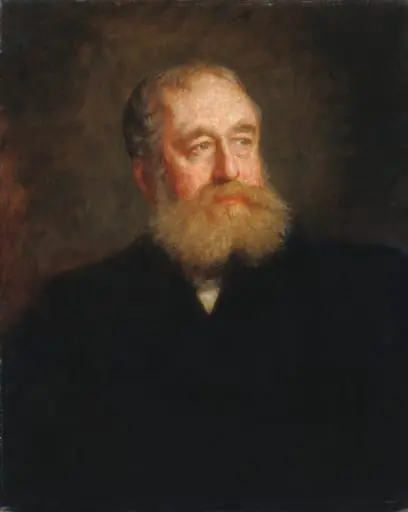
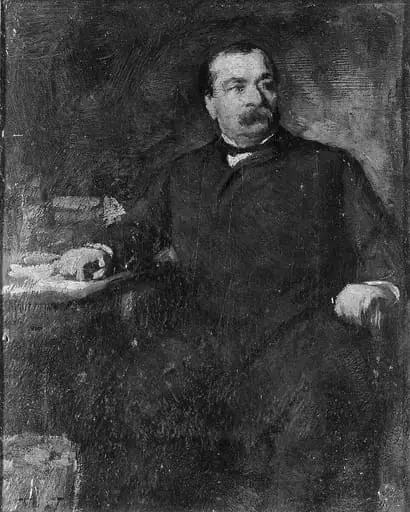
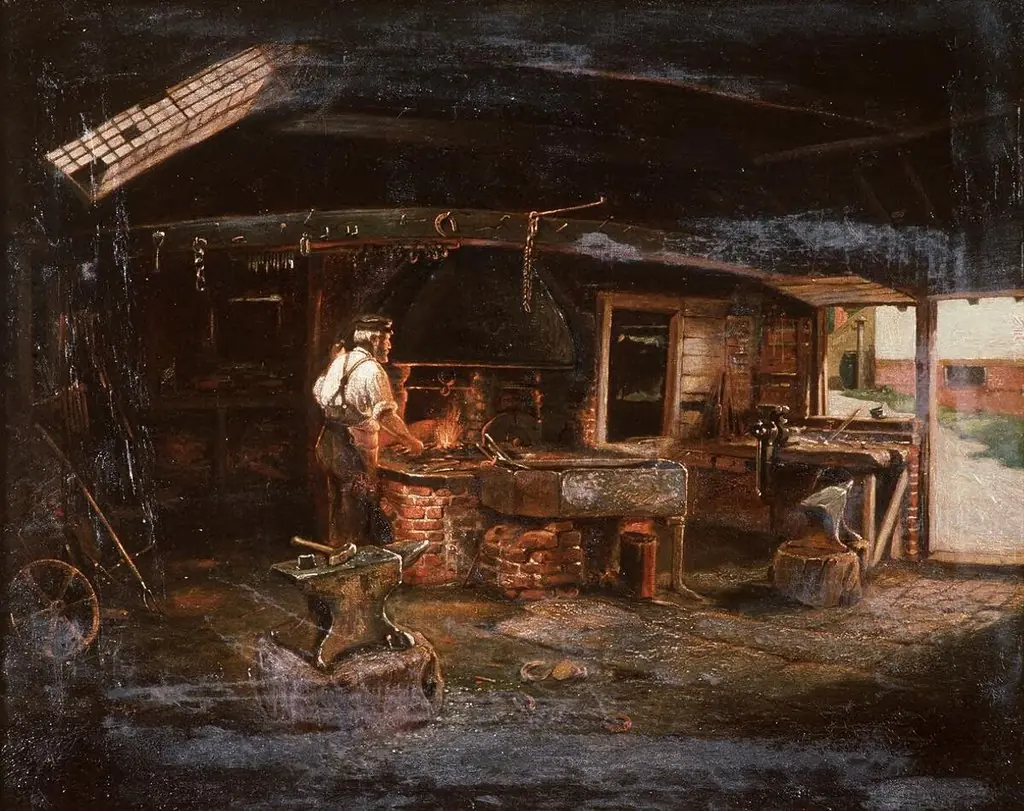 smithy
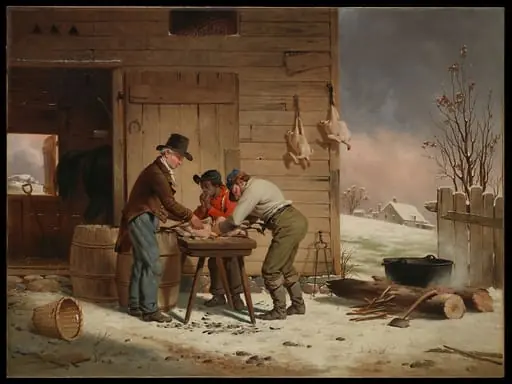 Preparing for Christmas (Plucking Turkeys)
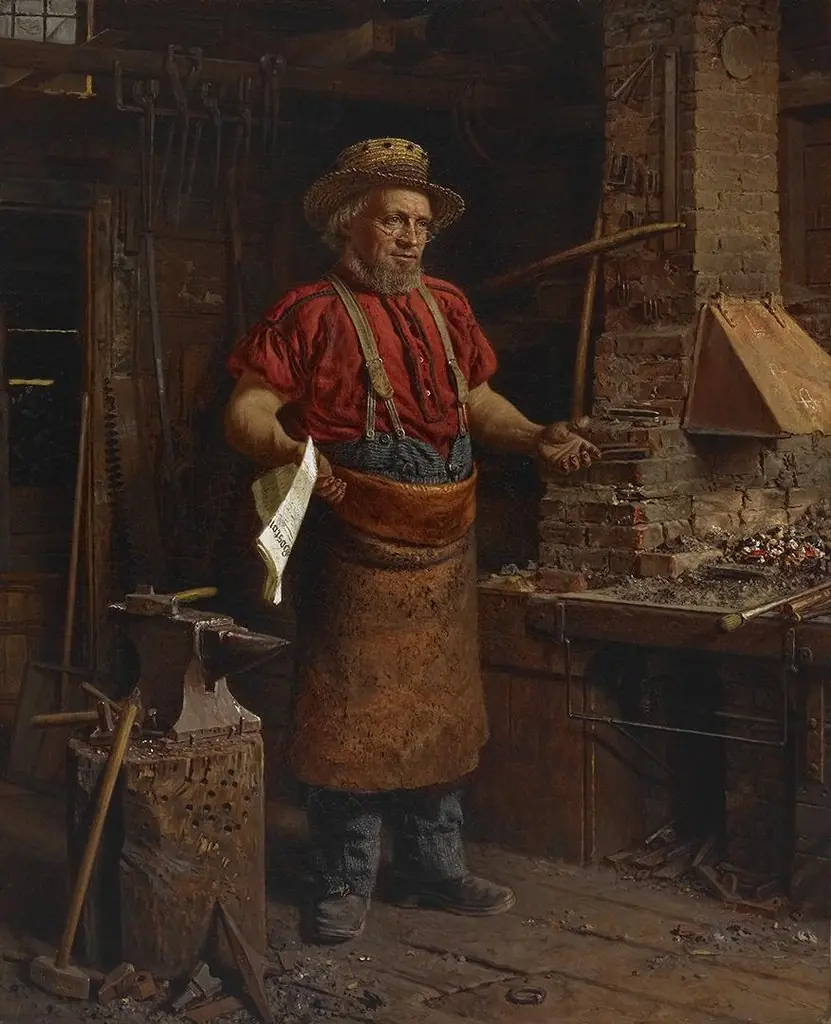 Politics in the Workshop
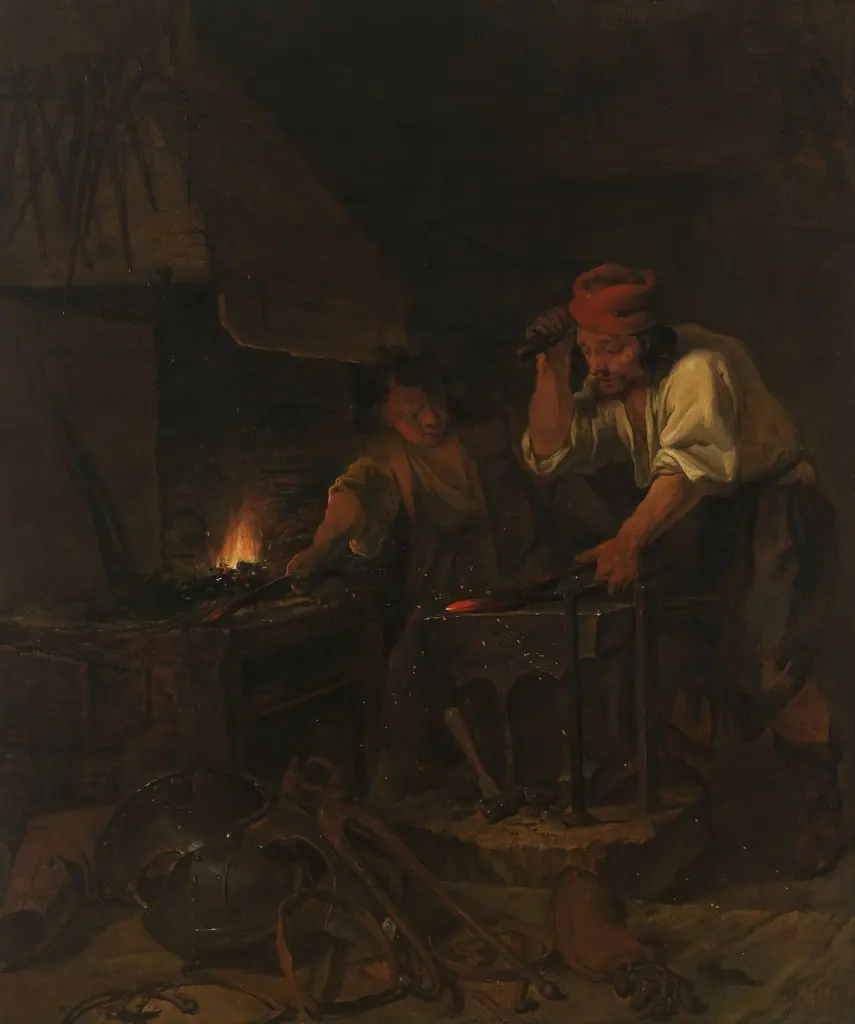 The armorer
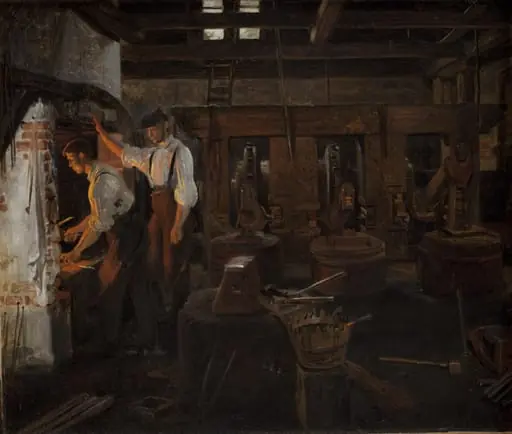 Det indvendige af den gamle hammermølle ved Hellebæk
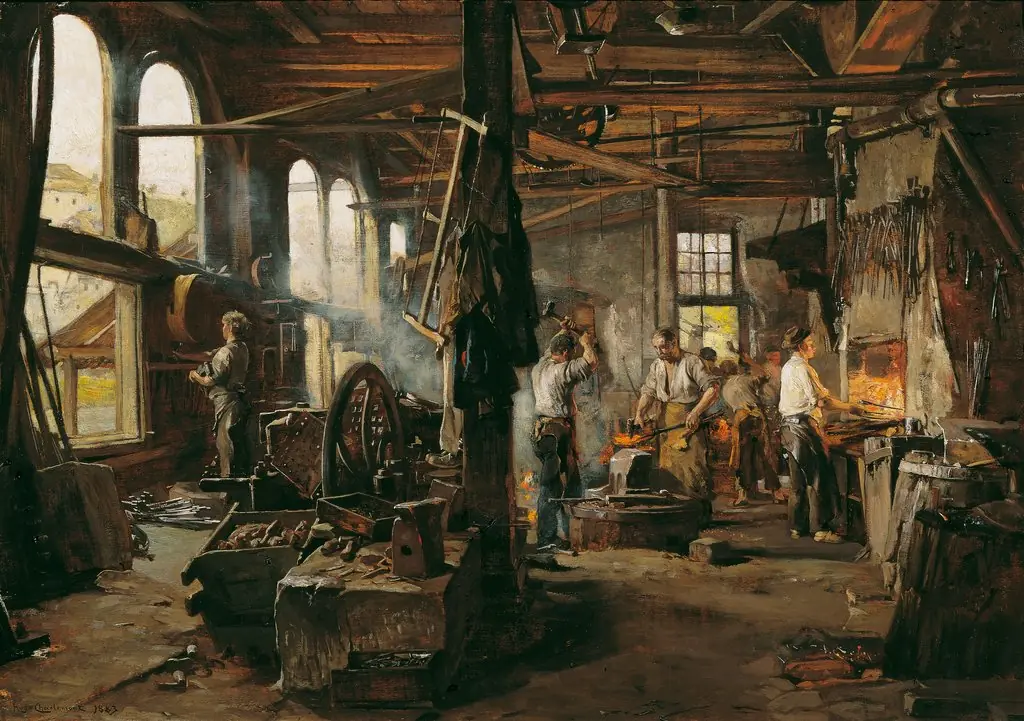 Interieur einer Hammerschmiede
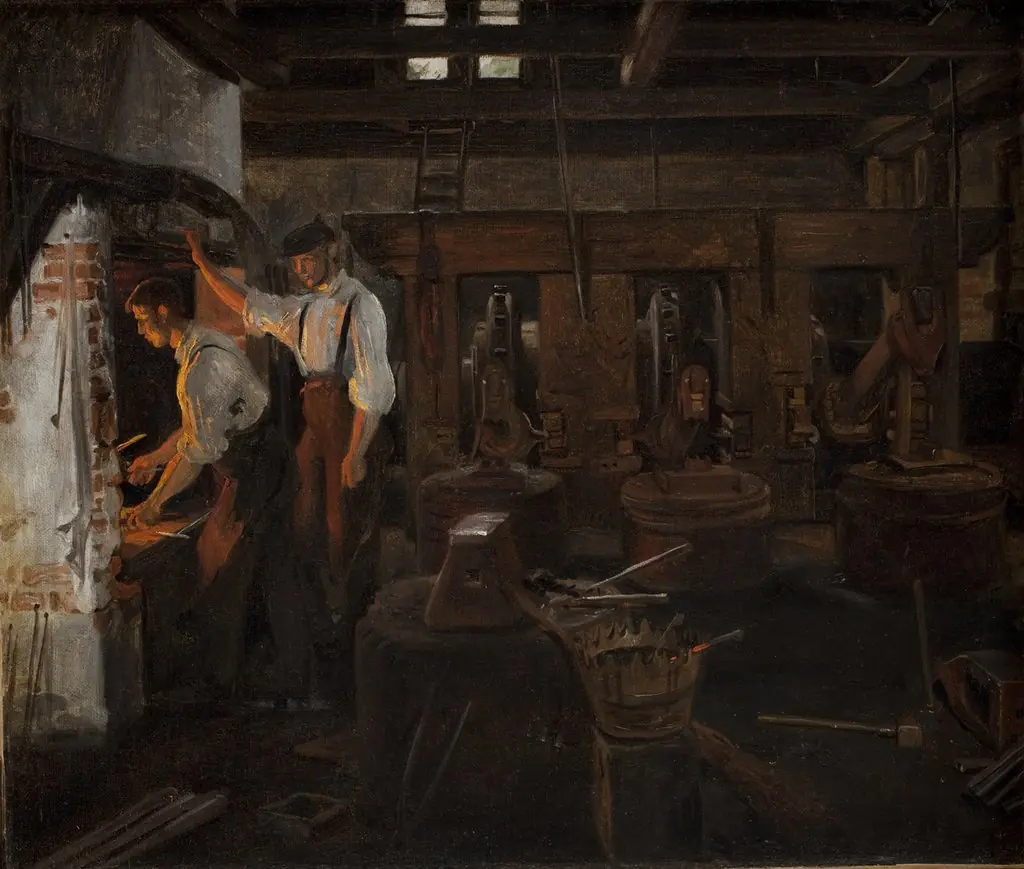 Det indvendige af den gamle hammermølle ved Hellebæk
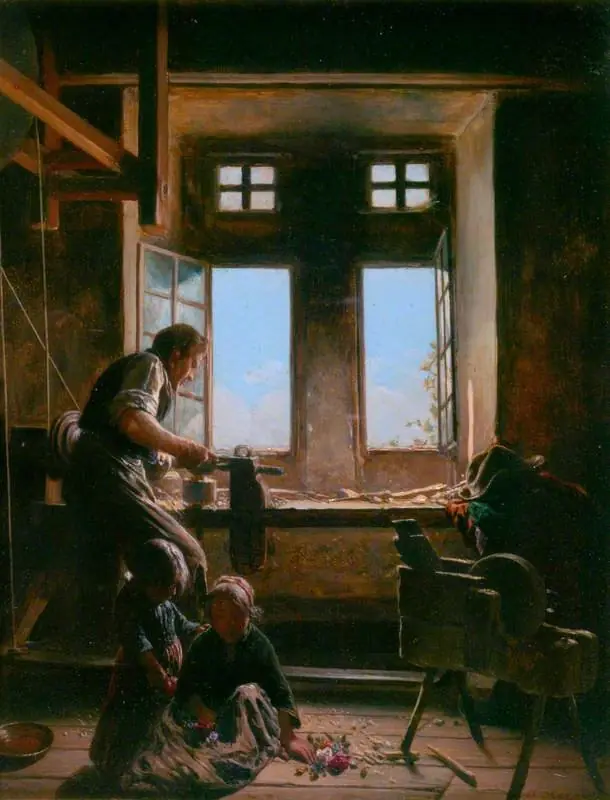 The Village Turner
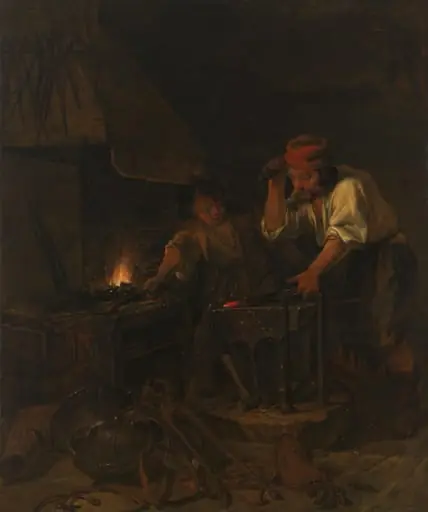 The Weaponsmith
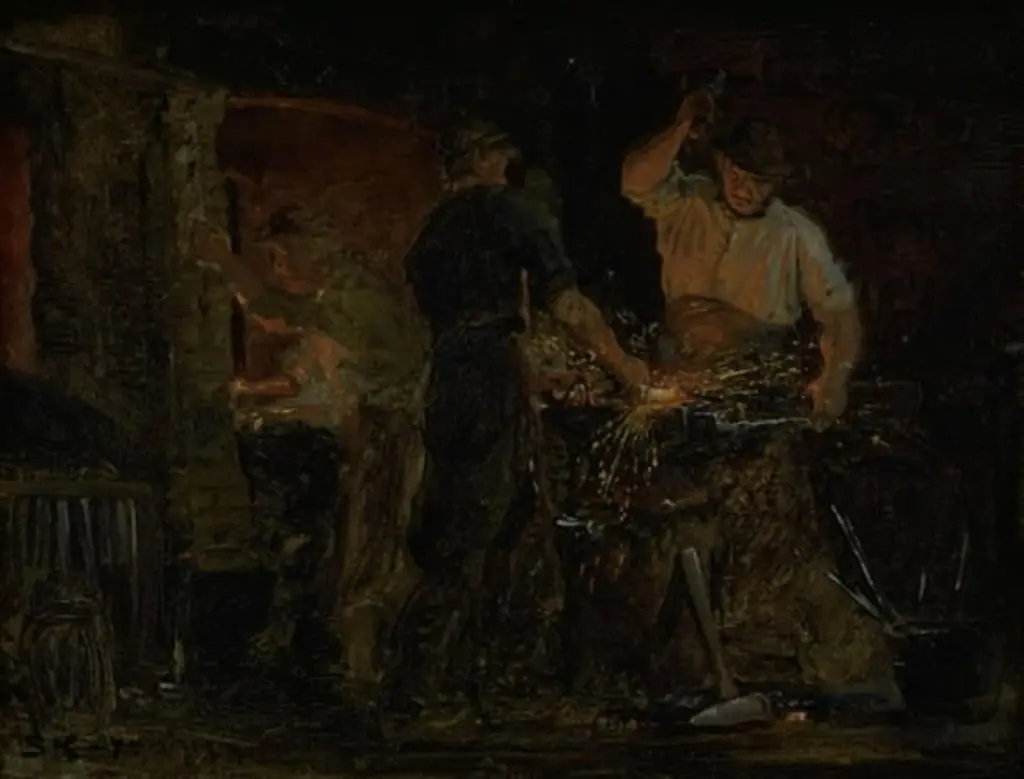 A Smithy in Hornbæk
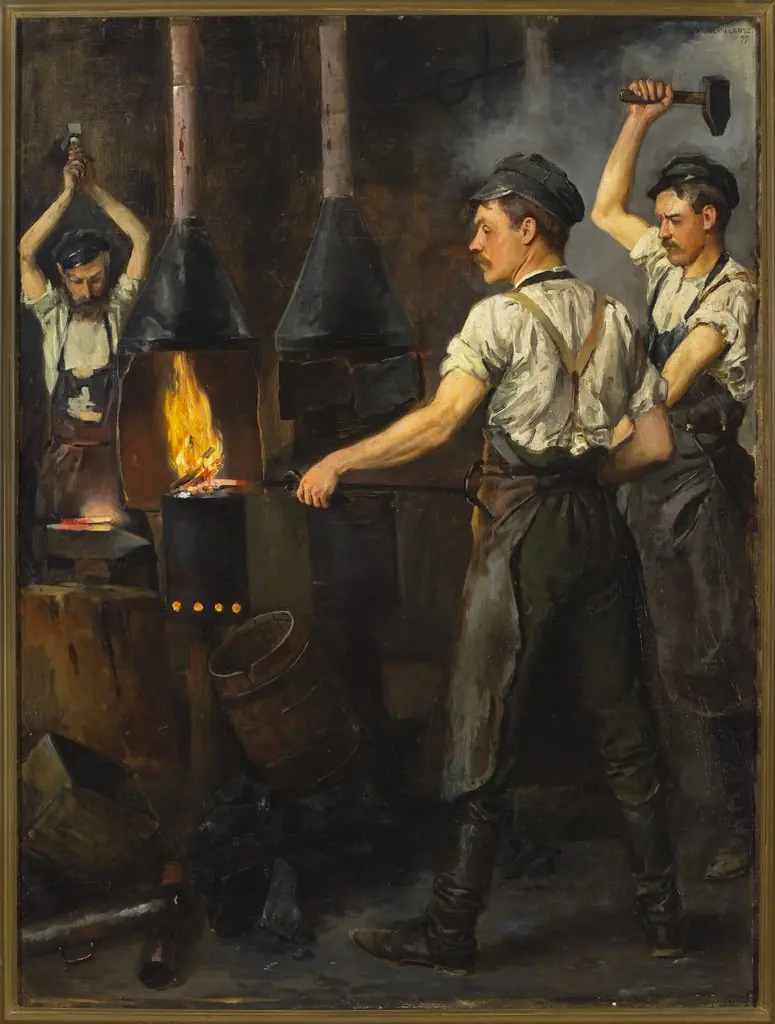 In the smithy
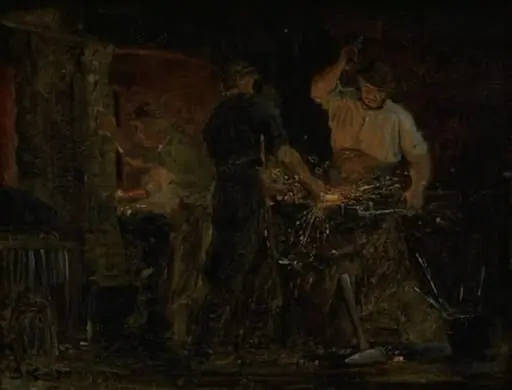 A Smithy in Hornbæk