Artwork
Portrait de femme d’après Caroto
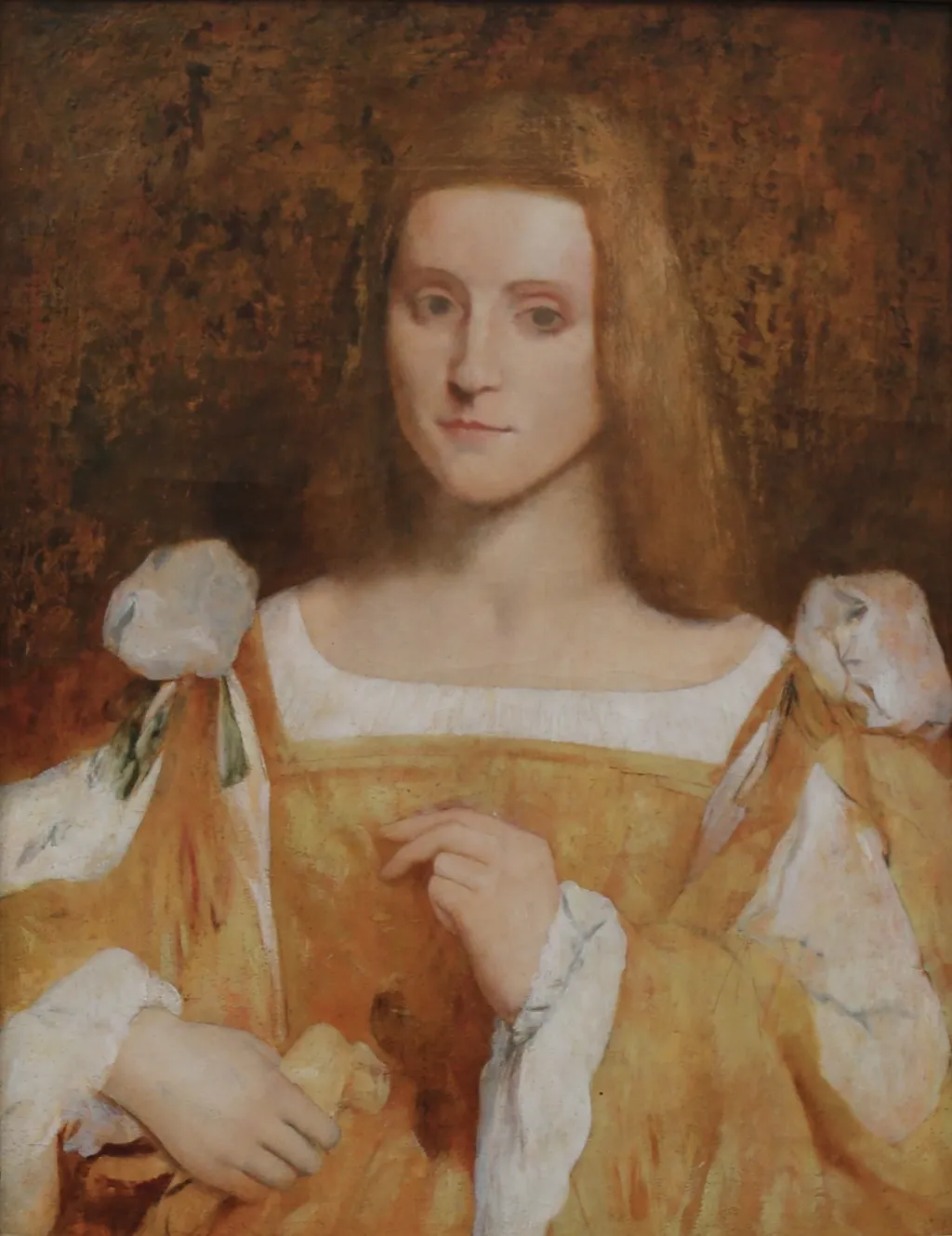
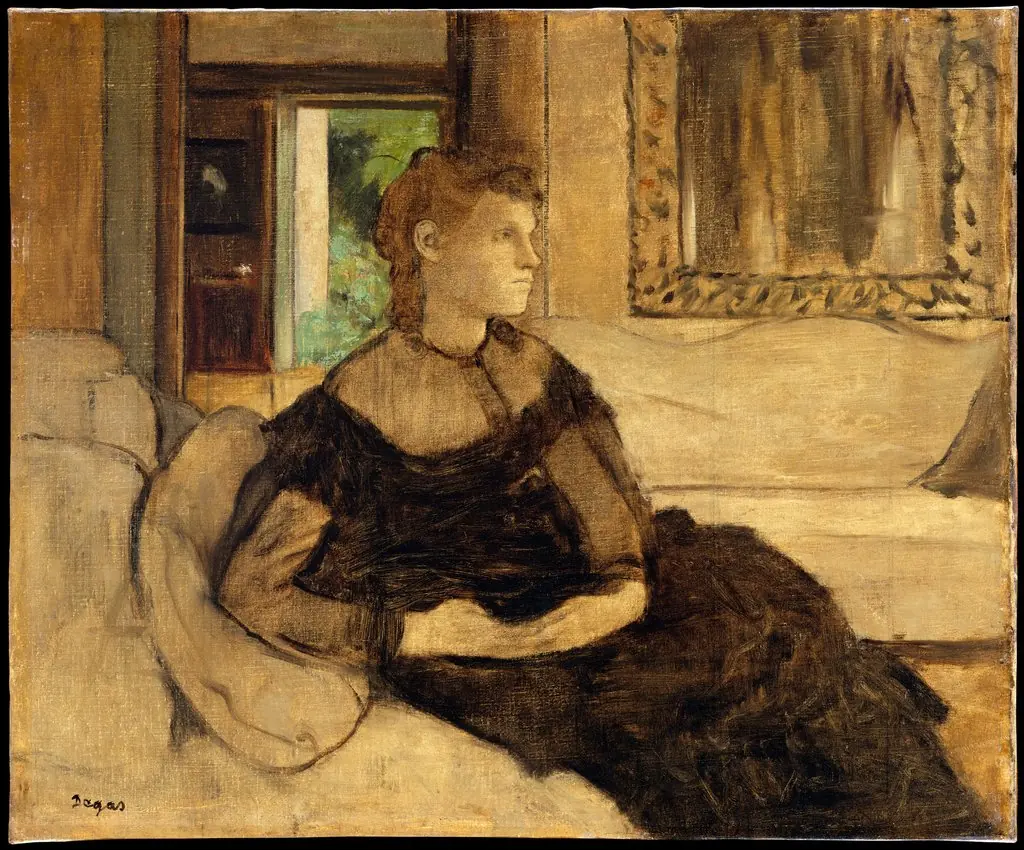
Portrait de femme d’après Caroto is an oil painting by the French Romanticist artist Edgar Degas. It dates from 1867 and is held in the collection of the Kunsthaus Zürich.
About this work
Overview
This oil painting, attributed to Edgar Degas and dated 1867, depicts a young woman in a quiet, intimate setting. It is part of the collection at the Kunsthaus Zürich. The work is not an original portrait but a reinterpretation of a figure in the manner of the Renaissance painter Caroto, reflecting Degas’s engagement with historical art during this period.
Subject & Meaning
The subject is a young woman with long brown hair, dressed in a white shirt and yellow dress, her right hand lightly resting on the fabric. Her neutral expression and relaxed posture suggest introspection rather than performance. The absence of narrative context or symbolic elements emphasizes a focus on presence and stillness, aligning with Degas’s interest in unposed, everyday moments.
Technique & Style
Glazing techniques likely contributed to the luminous quality of the dress and skin tones, allowing layered pigments to create depth without harsh transitions.
Degas employed a realistic approach with careful attention to textile textures and subtle facial modeling. The dark brown background isolates the figure, enhancing the sense of intimacy. Glazing techniques likely contributed to the luminous quality of the dress and skin tones, allowing layered pigments to create depth without harsh transitions. The composition is tightly framed, drawing focus to the figure’s quiet demeanor.
History & Provenance
The painting was completed in 1867 and entered the Kunsthaus Zürich’s collection in the 20th century. Its attribution to Degas has been consistently supported by stylistic analysis, though its status as a study after Caroto indicates it was not intended for public display. The work remained in private hands until its acquisition by the museum, where it has since been cataloged as a significant early example of his figurative work.
Context
In the mid-1860s, Degas was exploring historical painting traditions while developing his modern approach to portraiture. His engagement with Renaissance artists like Caroto reflected a broader interest in compositional structure and naturalism, even as he moved toward contemporary subjects. This painting bridges his academic training and emerging interest in psychological realism.
Legacy
Though less known than his ballet or horse scenes, this portrait illustrates Degas’s early commitment to capturing quiet human presence through careful observation. It remains a key example of his formative years, demonstrating how he absorbed historical techniques to inform his later innovations in depicting modern life.
Artist & collection
Artist
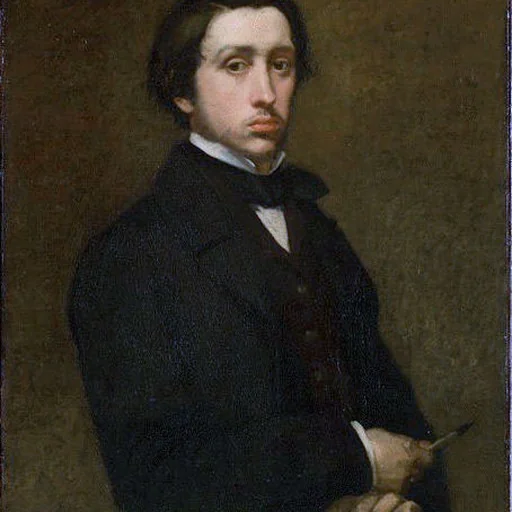
Born Hilaire-Germain-Edgar De Gas on 19 July 1834 in Paris, Edgar Degas came from an affluent banking family with aristocratic roots and spent his childhood among the cultivated circles of the French capital.

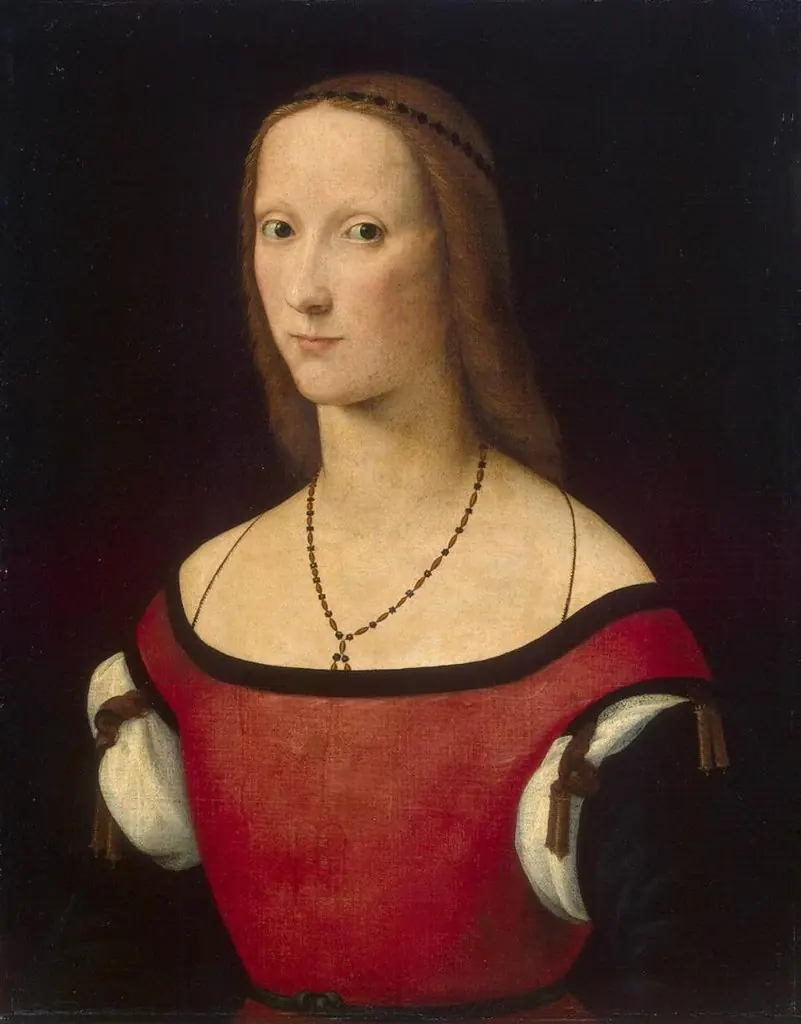 Portrait of a Lady
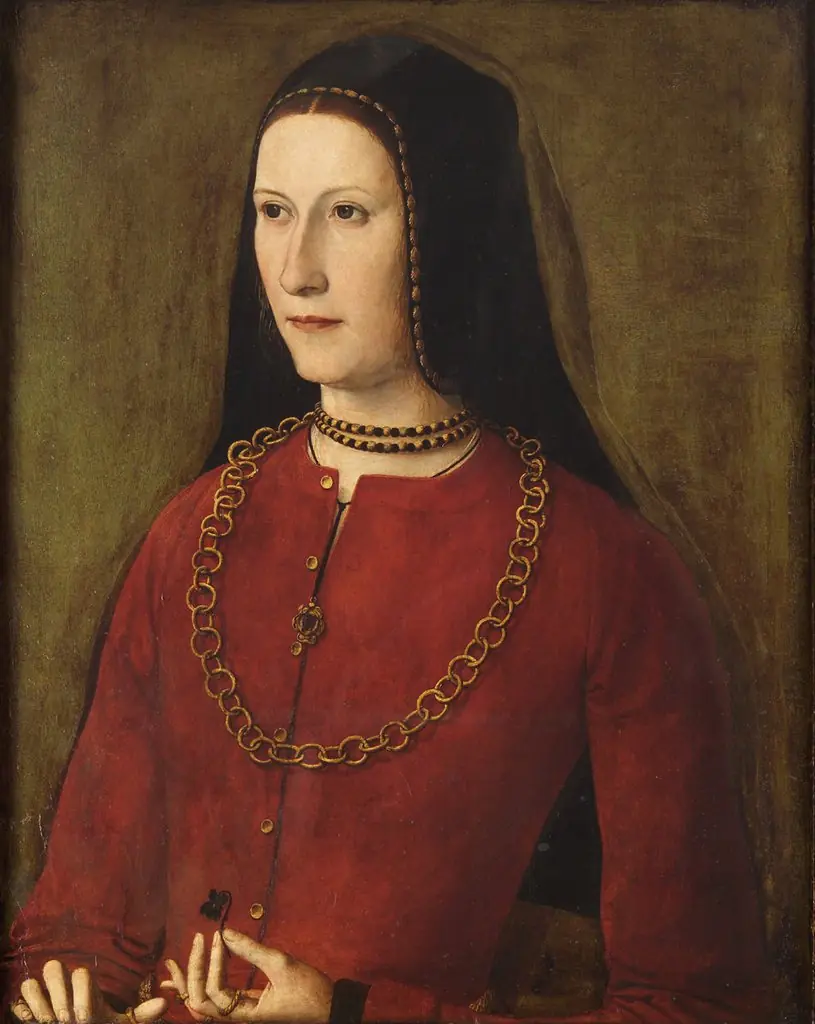 Portrait of a woman
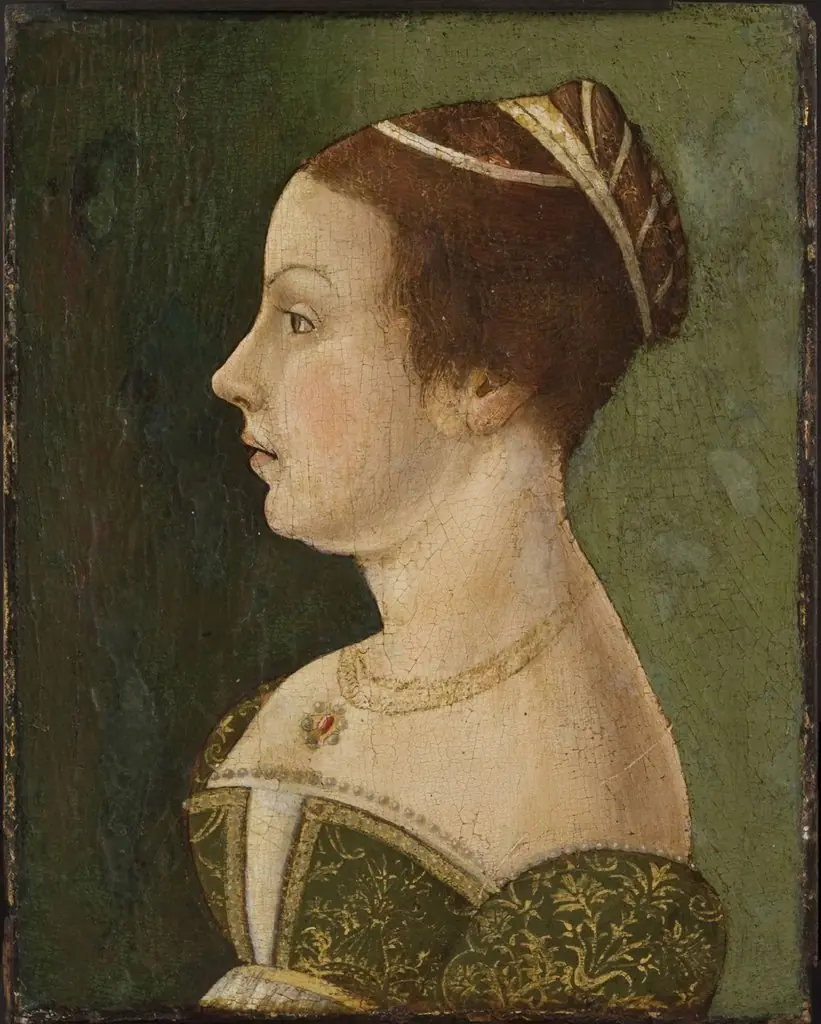 Portrait of a Lady
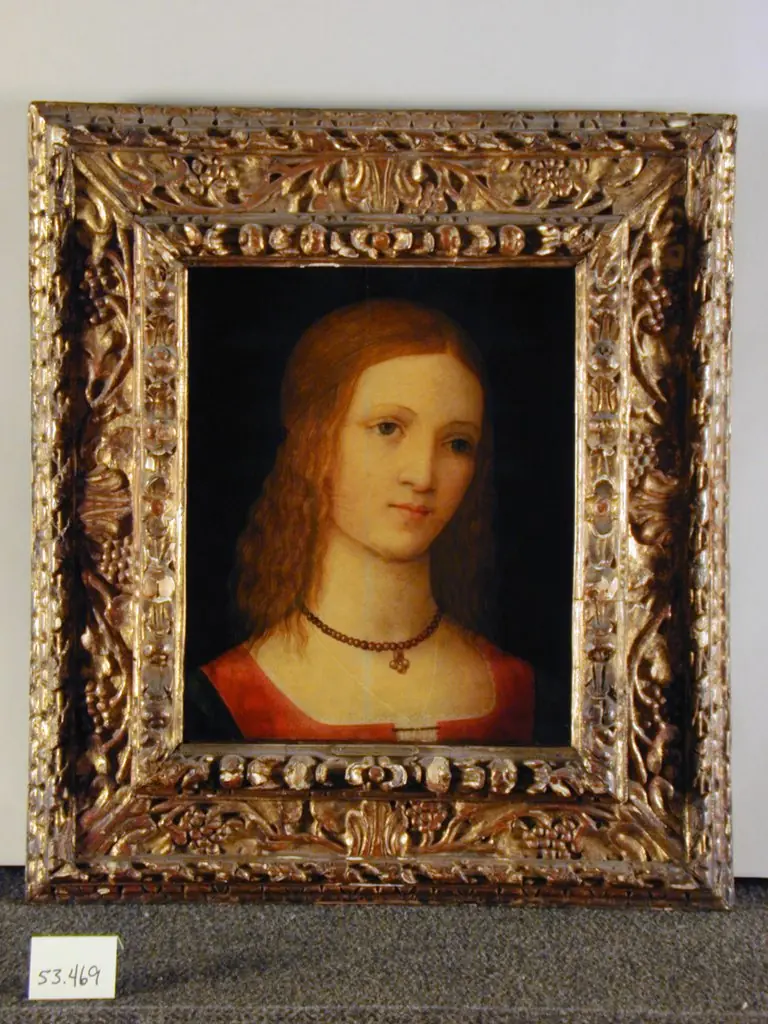 Young Girl
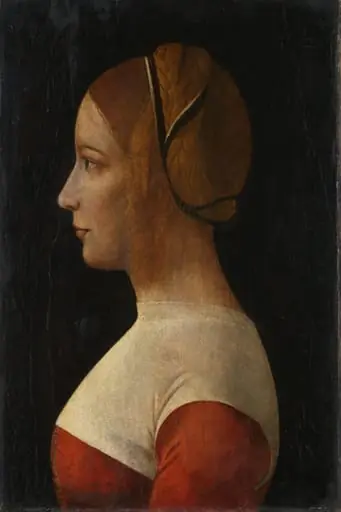 Portrait of a young Woman
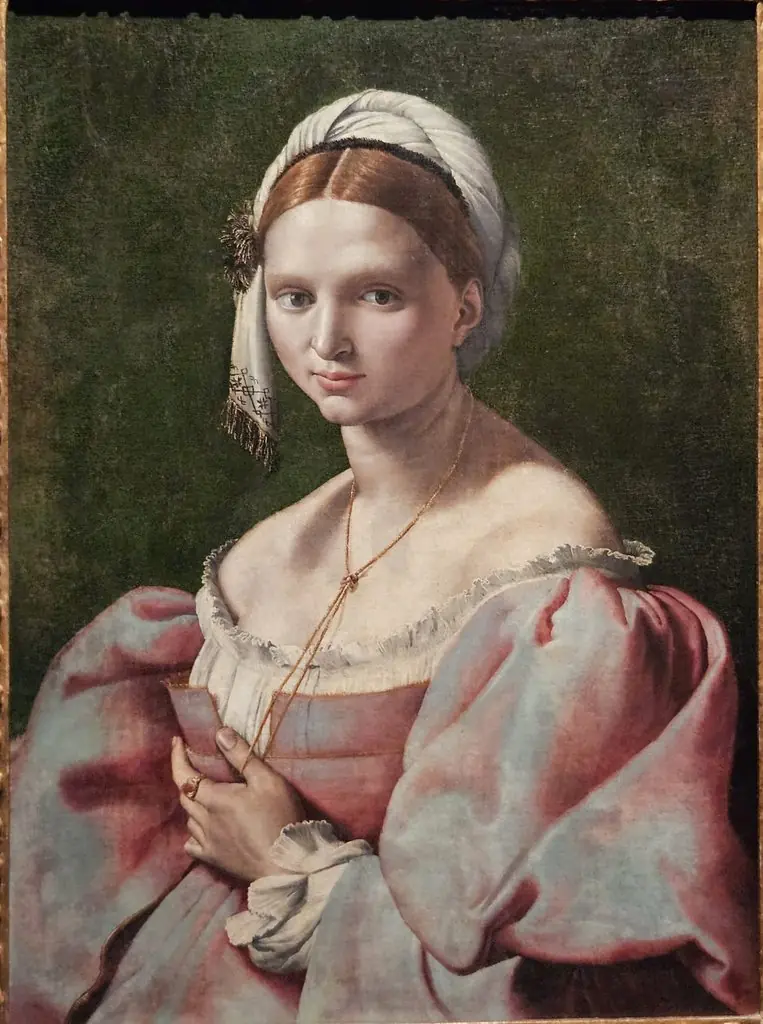 Retrato de Mulher Jovem
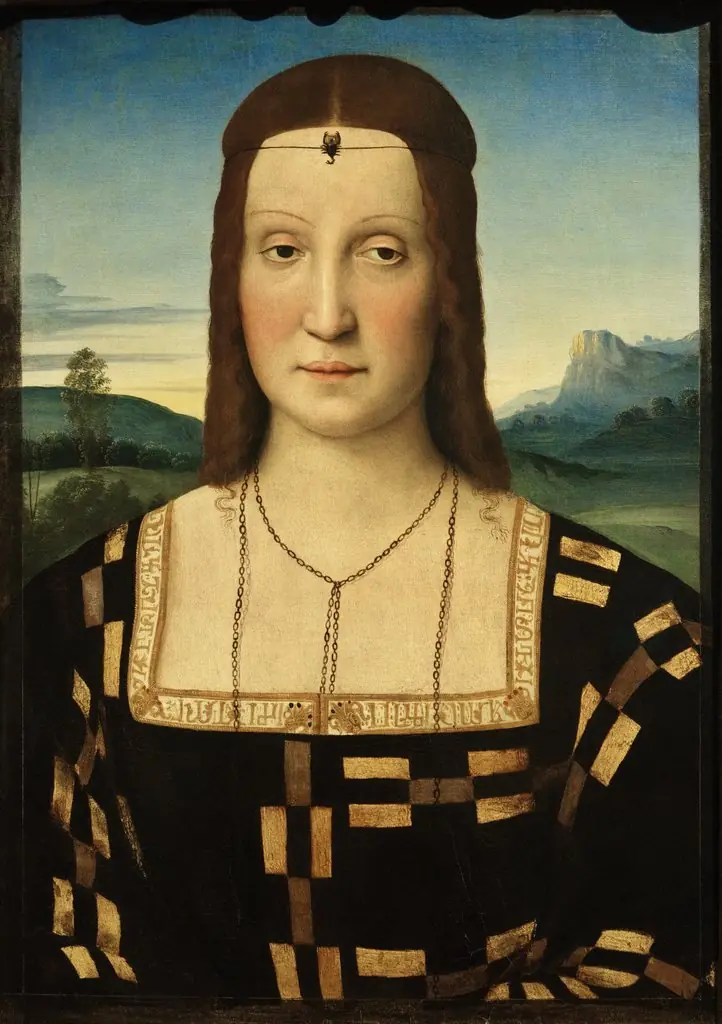 Portrait of Elisabetta Gonzaga
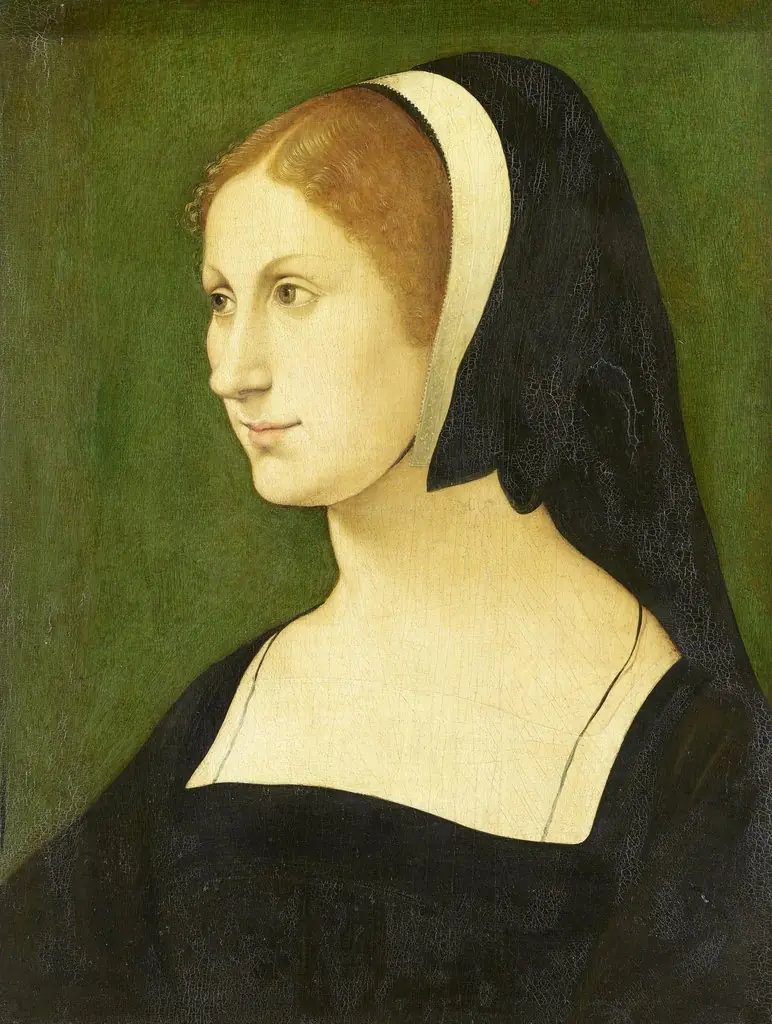 Bildnis einer jungen Frau
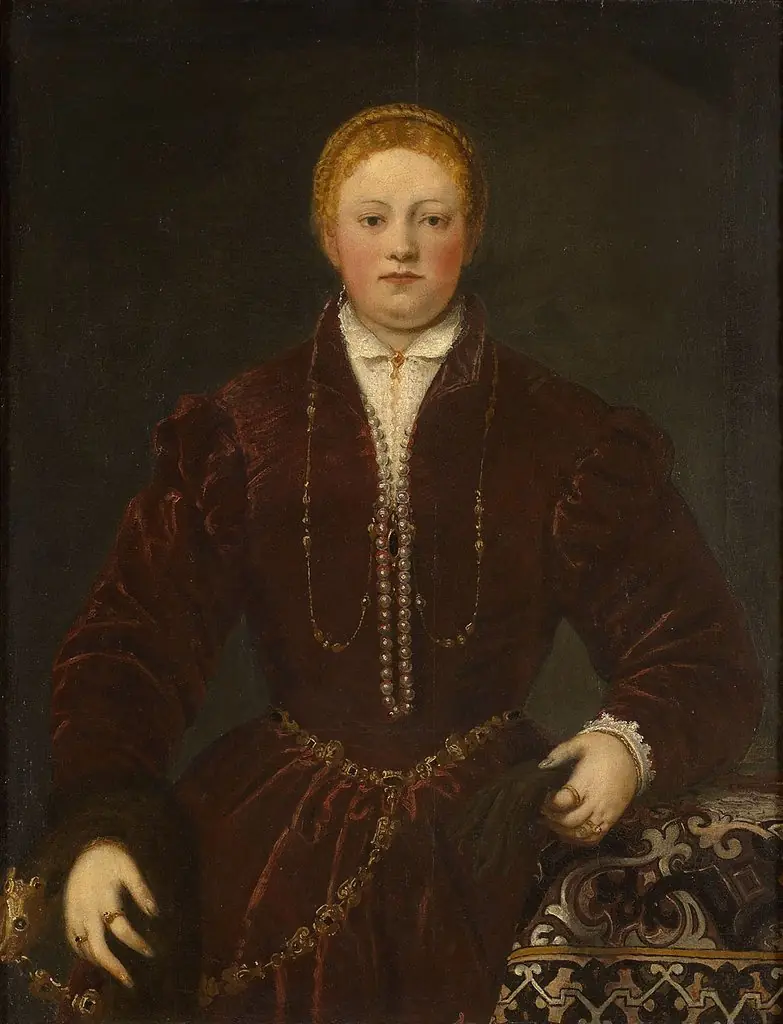 Portrait of a Young Lady
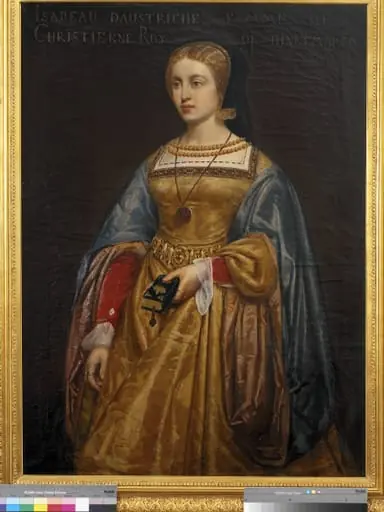 Elisabeth, Christian II's dronning
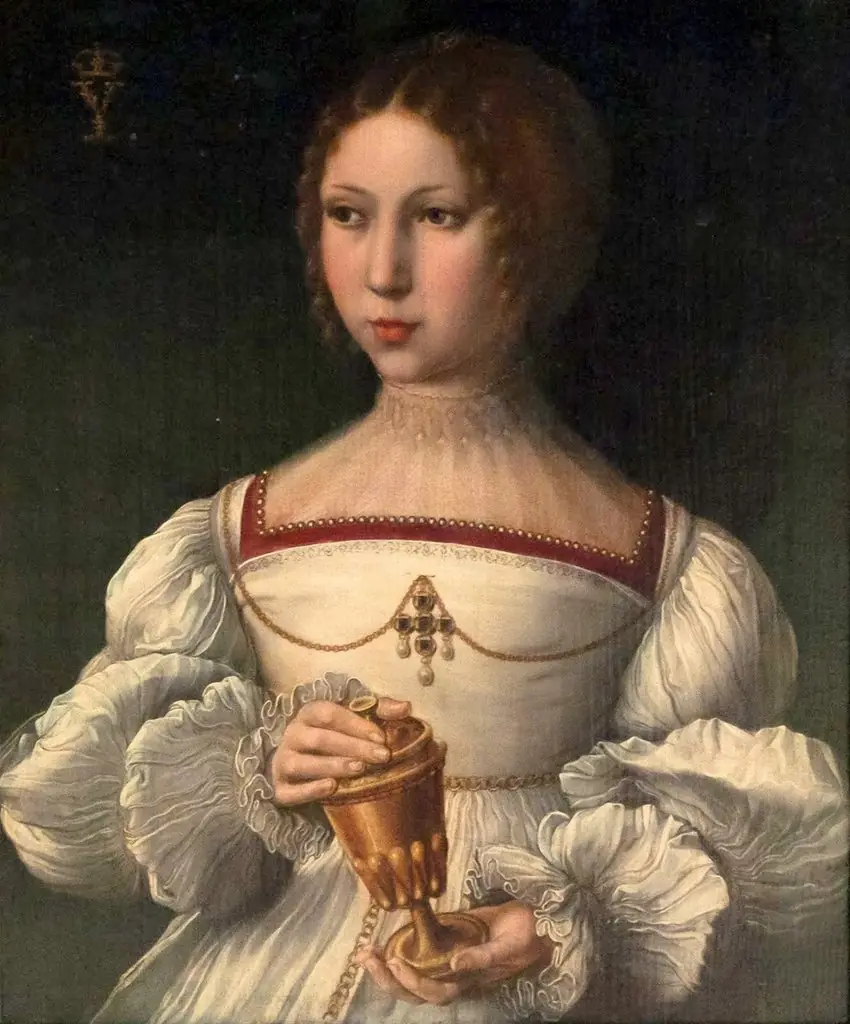 Portrait of a young lady as Mary Magdalene
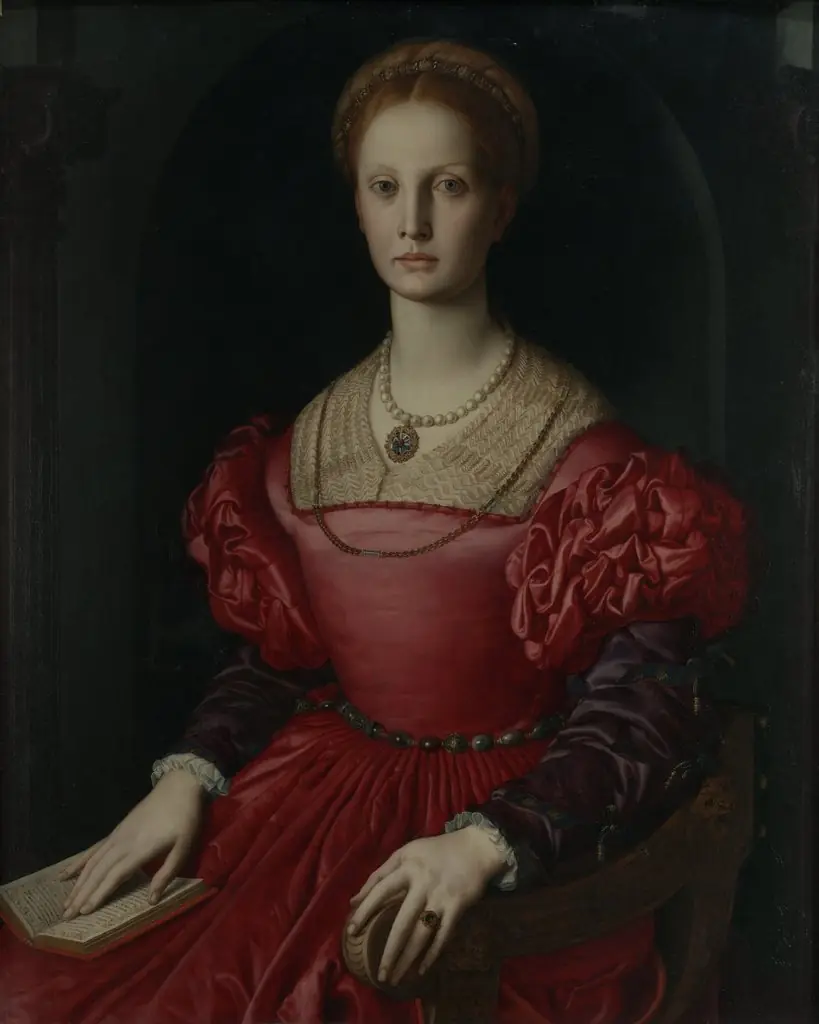 Portrait of Lucrezia Panciatichi