Artwork
The Neuve River at the End of the Dardenne Valley
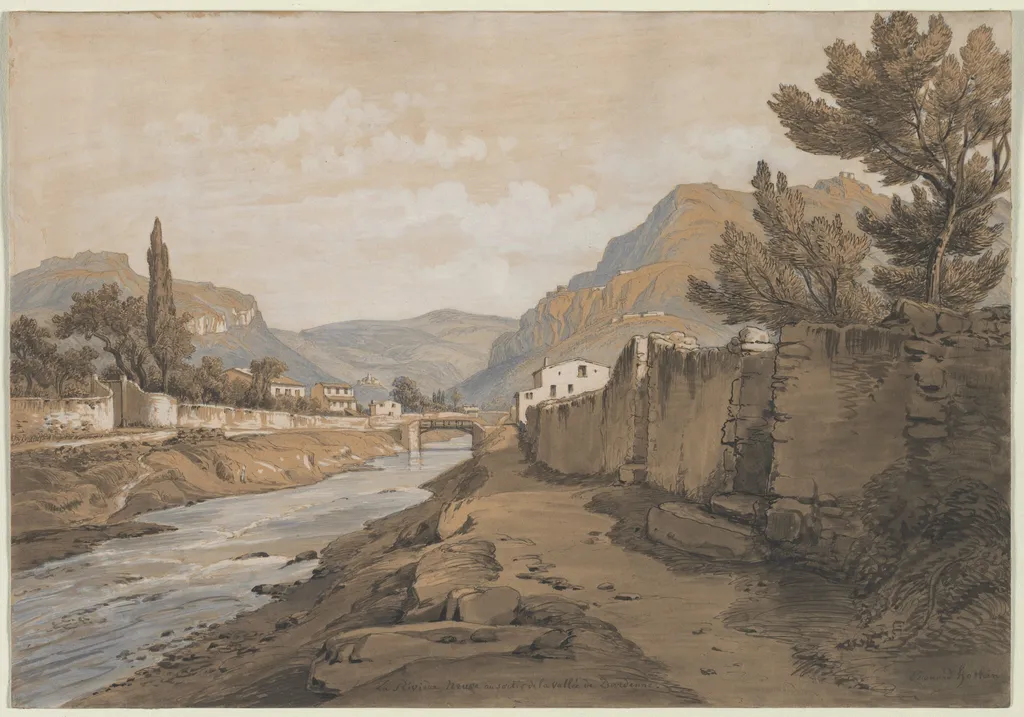
The Neuve River at the End of the Dardenne Valley is a drawing by the Romanticist artist Edouard Jean Marie Hostein. It dates from 1804 and is held in the collection of the Cleveland Museum of Art.
About this work
Overview
Edouard Jean Marie Hostein’s drawing titled *The Neuve River at the End of the Dardenne Valley* dates from around 1804. Executed in a medium that captures fine line work, the piece is part of the Cleveland Museum of Art’s collection. It presents a tranquil river scene framed by a rocky valley, a weathered stone wall, and distant dwellings beneath rising mountains.
Subject & Meaning
The composition depicts a meandering river flanked by a crumbling wall topped with a solitary tree, while modest houses cluster near a bridge in the background. The muted palette of earth tones, pale blues, and soft greens creates a serene atmosphere, inviting contemplation of nature’s quiet resilience and the passage of time within a rural landscape.
Technique & Style
Hostein emphasizes chiaroscuro, using delicate shading to render the texture of stone and foliage. The interplay of light and shadow gives the rocks a palpable solidity, while the river’s smooth surface contrasts with the rugged terrain. The drawing’s restrained colour scheme and atmospheric perspective align it with early‑19th‑century Romantic sensibilities.
History & Provenance
Created circa 1804, the work entered the Cleveland Museum of Art’s holdings through acquisition in the early 20th century, though specific details of its earlier ownership remain undocumented. Its presence in the museum’s European drawings department reflects the institution’s commitment to representing French landscape art of the Napoleonic era.
Context
Produced during the height of Romanticism, the drawing illustrates the period’s fascination with untamed nature as a conduit for emotional expression. Hostein’s focus on a modest, bucolic setting mirrors contemporary French artists who sought to evoke mood through the depiction of ordinary countryside scenes rather than grand historical narratives.
Own this work as a print
Artist & collection

 Lower Pool of Siloam, Valley of Jehoshaphat
 Entrance to Nablus
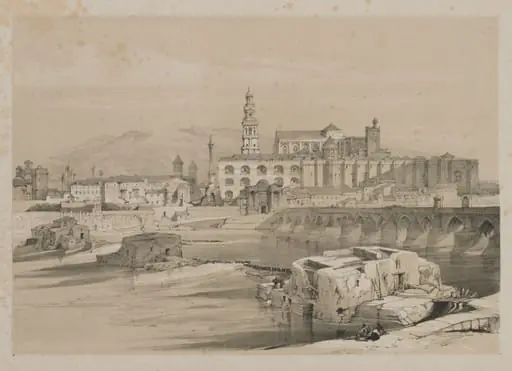 Picturesque Sketches in Spain: Remains of a Roman Bridge on the Guadalquiver, Cordova
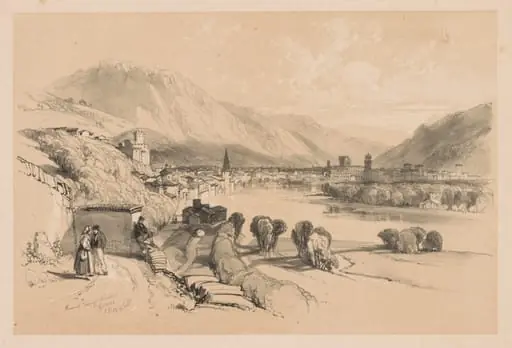 Sketches at Home and Abroad: General View of Trento
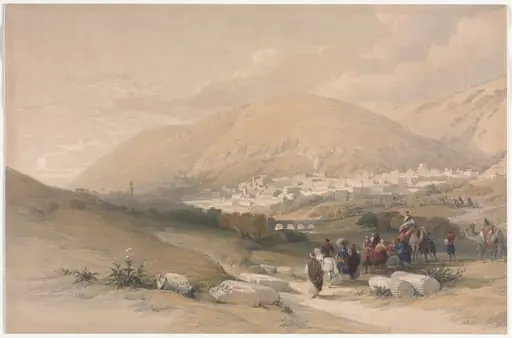 Nablus Ancient Shechem
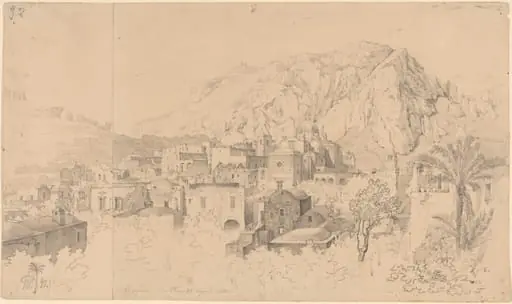 View of Capri
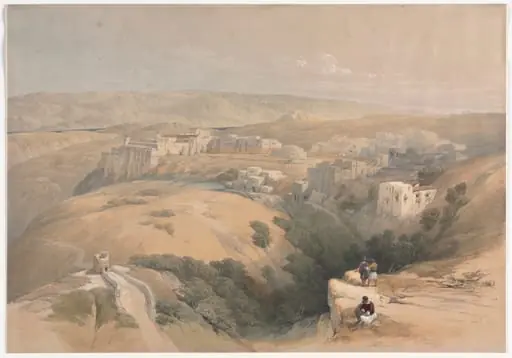 Bethlehem
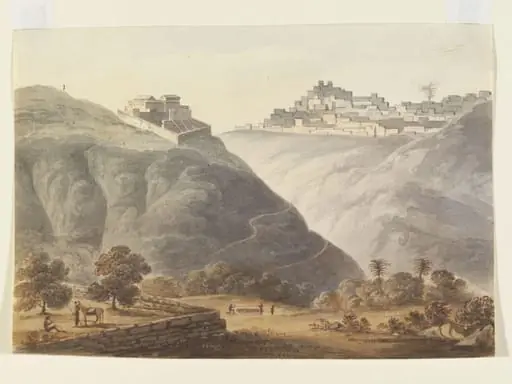 Bethlehem
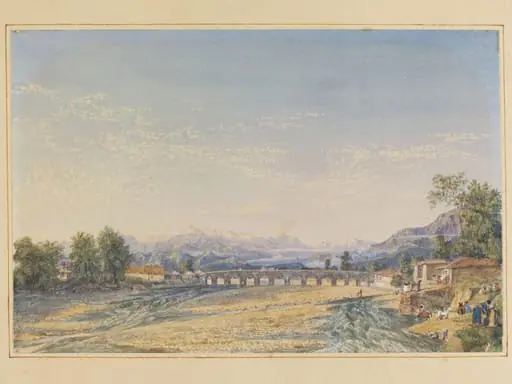 Bridge over the river Herauz at Amol, a town of Mazunderan
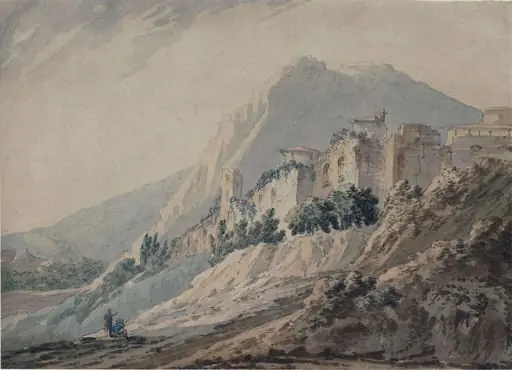 Mountainous landscape with ruined building
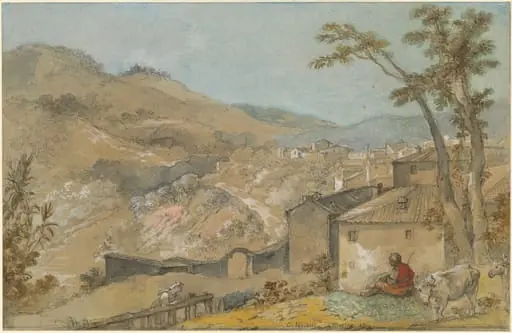 Marino and the Alban Hills
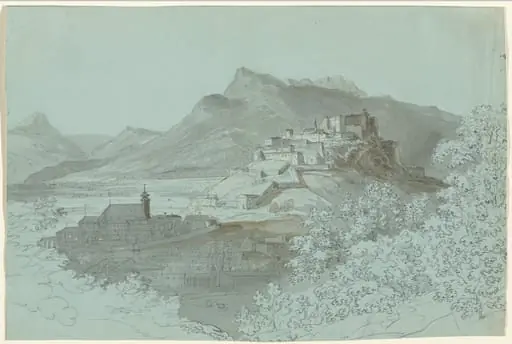 View of Salzburg