Artwork
Portrait of a young lady, seated
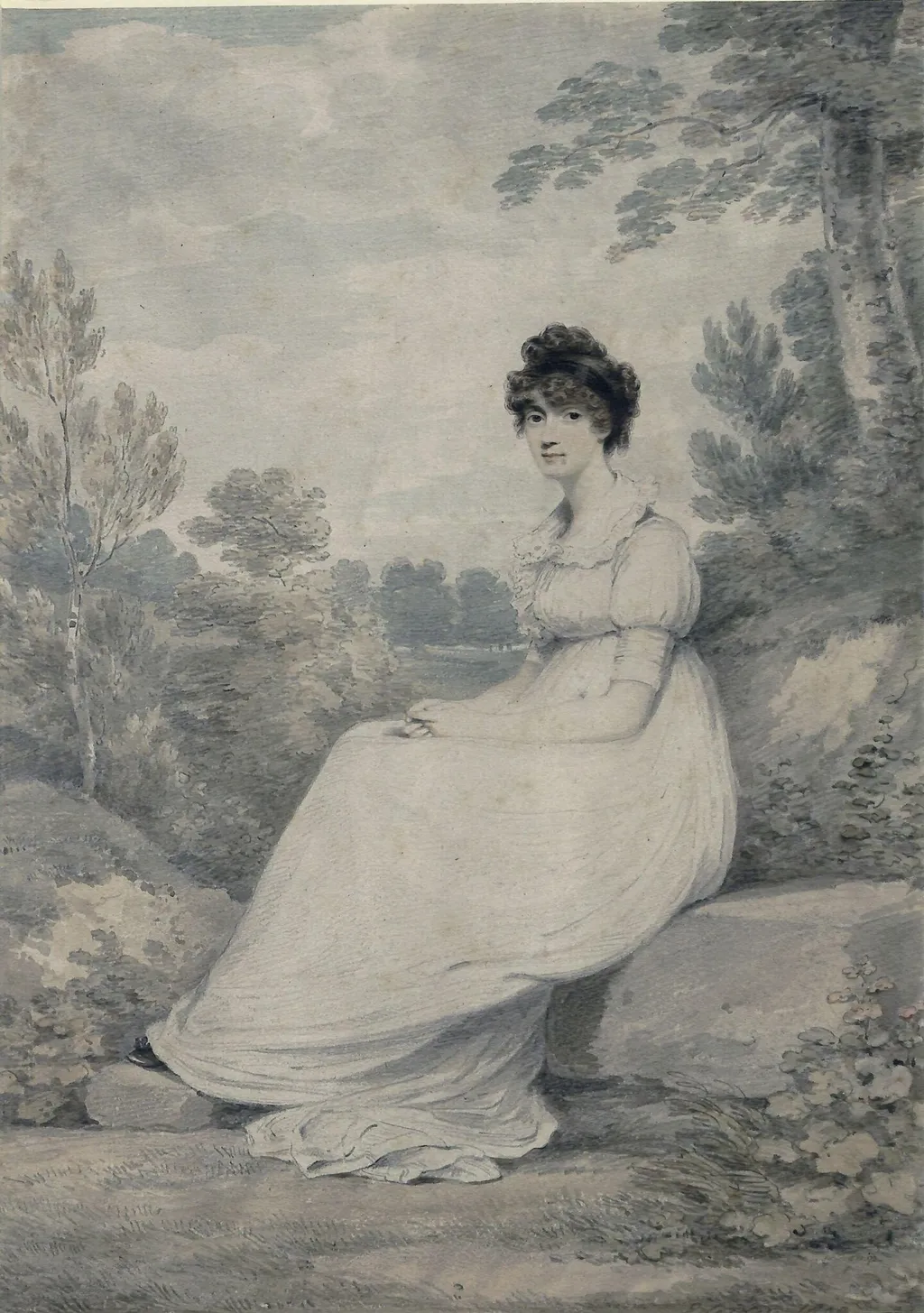
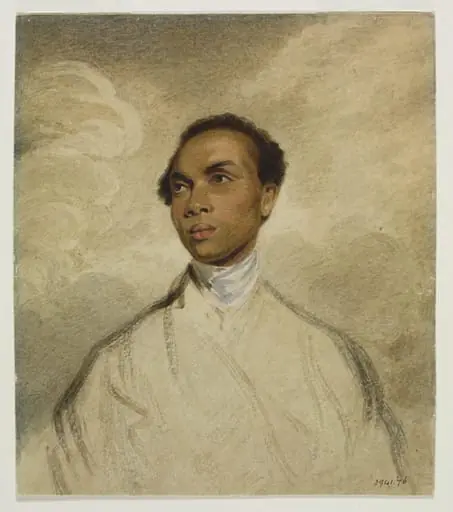
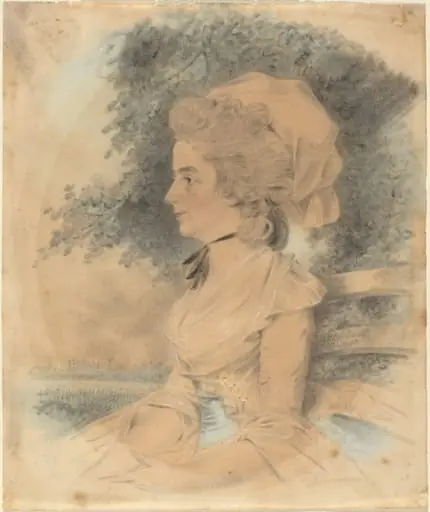
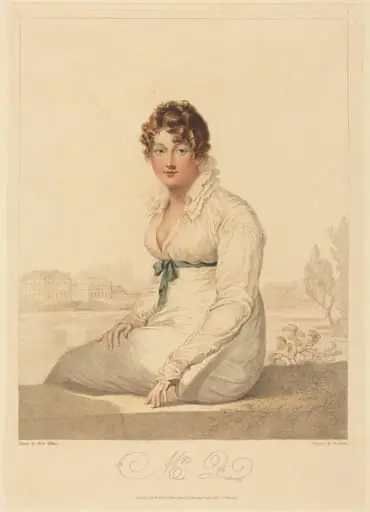
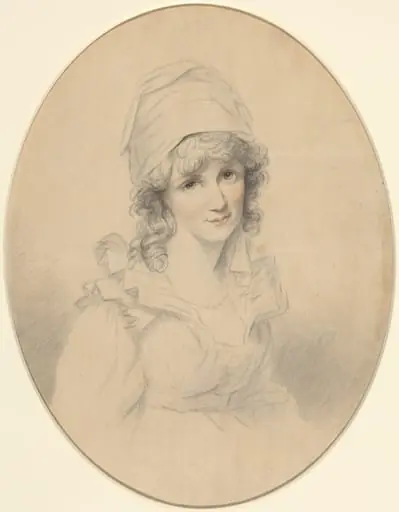
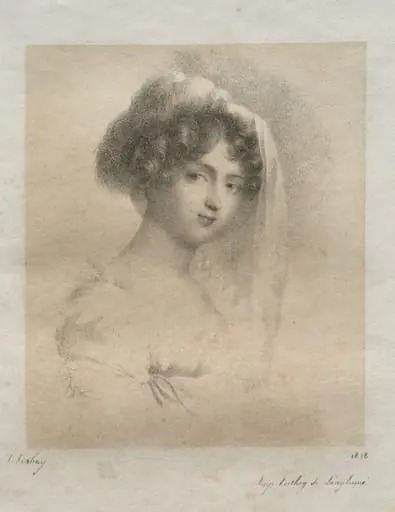
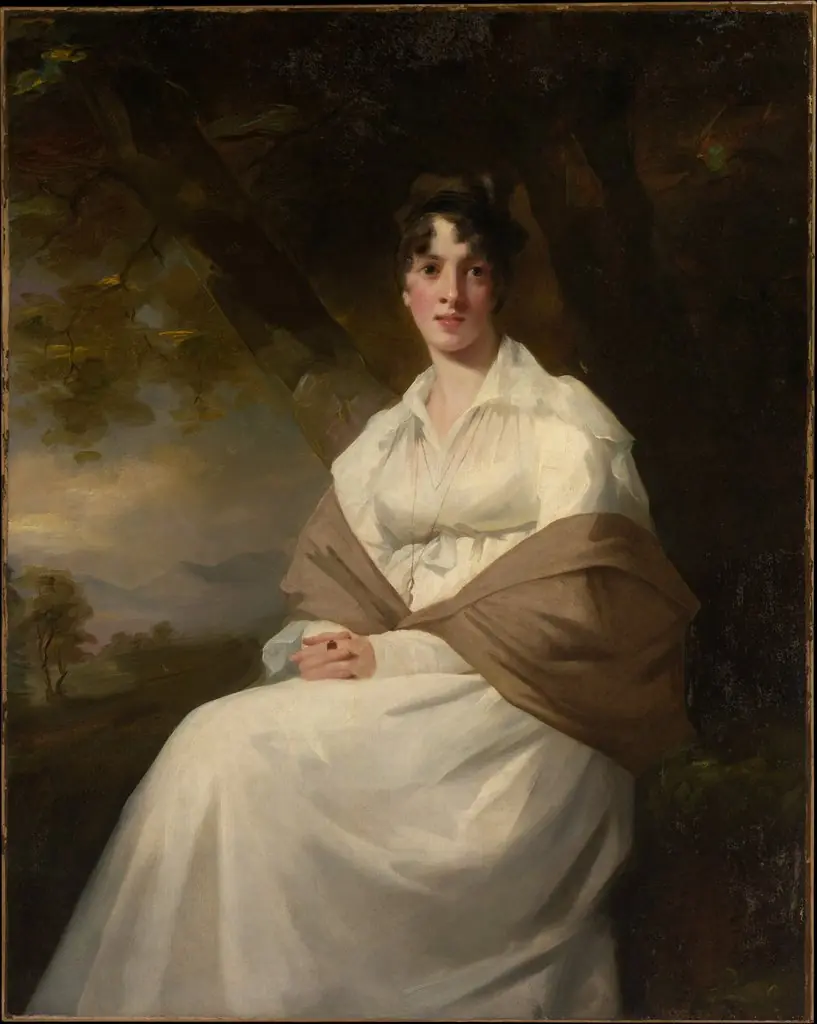
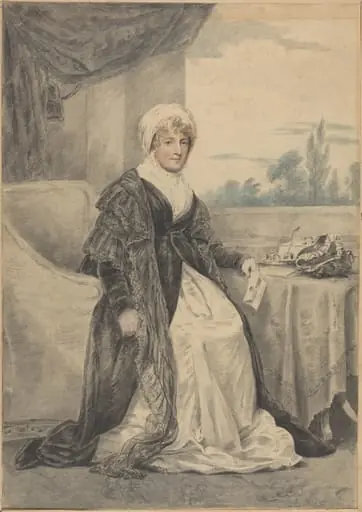
Portrait of a young lady, seated is a watercolor work on paper by the British Romanticist artist Henry RA Edridge. It dates from 1803 and is held in the collection of the Victoria and Albert Museum. This watercolour portrait depicts a young woman seated on a grassy riverside, rendered in delicate brushwork and soft pencil lines.
About this work
Overview
This watercolour portrait depicts a young woman seated on a grassy riverside, rendered in delicate brushwork and soft pencil lines. Signed and dated by the artist, the piece is a refined example of early 19th-century British watercolour portraiture. The composition emphasizes stillness and quiet dignity, with minimal detail in the background to draw attention to the figure.
Subject & Meaning
The subject is a young woman, dressed in a simple white gown, seated with composed posture and direct gaze. Her expression is serene, suggesting introspection rather than performance. The absence of elaborate accessories or symbolic objects points to an emphasis on personal presence rather than social status, reflecting a shift toward intimate, individualized portraiture in the period.
Technique & Style
The artist employed transparent watercolour washes with subtle pencil underdrawing to achieve a luminous, airy effect. Gentle, loose brushstrokes define the dress and foliage, while the background dissolves into hazy tones of green and blue. This technique creates a sense of atmosphere and depth without sharp definition, enhancing the tranquil mood of the scene.
History & Provenance
The work is attributed to Henry Edridge, a British artist active in the early 1800s and a member of the Royal Academy. Though not widely documented, his watercolours often featured domestic and landscape portraits. This piece likely originated from a private commission, possibly within London’s artistic circles, and has remained in private hands since its creation.
Context
Created during a time when watercolour was gaining recognition as a serious medium for portraiture, this work aligns with the British tradition of lyrical, intimate depictions. Unlike grand oil paintings of nobility, such pieces captured private moments, reflecting broader cultural interests in nature, quiet emotion, and personal identity.
Legacy
While not widely exhibited, Henry Edridge’s watercolours contributed to the evolving appreciation of the medium in Britain. This portrait exemplifies the quiet elegance of his approach, influencing later artists who favored subdued palettes and emotional restraint over theatricality. It remains a representative work of its genre and era.
Artist & collection
Artist
A prolific watercolour artist working at the turn of the 19th century, Henry Edridge captured daily life in soft, detailed strokes.