Artwork
Portrait of Francis Barber
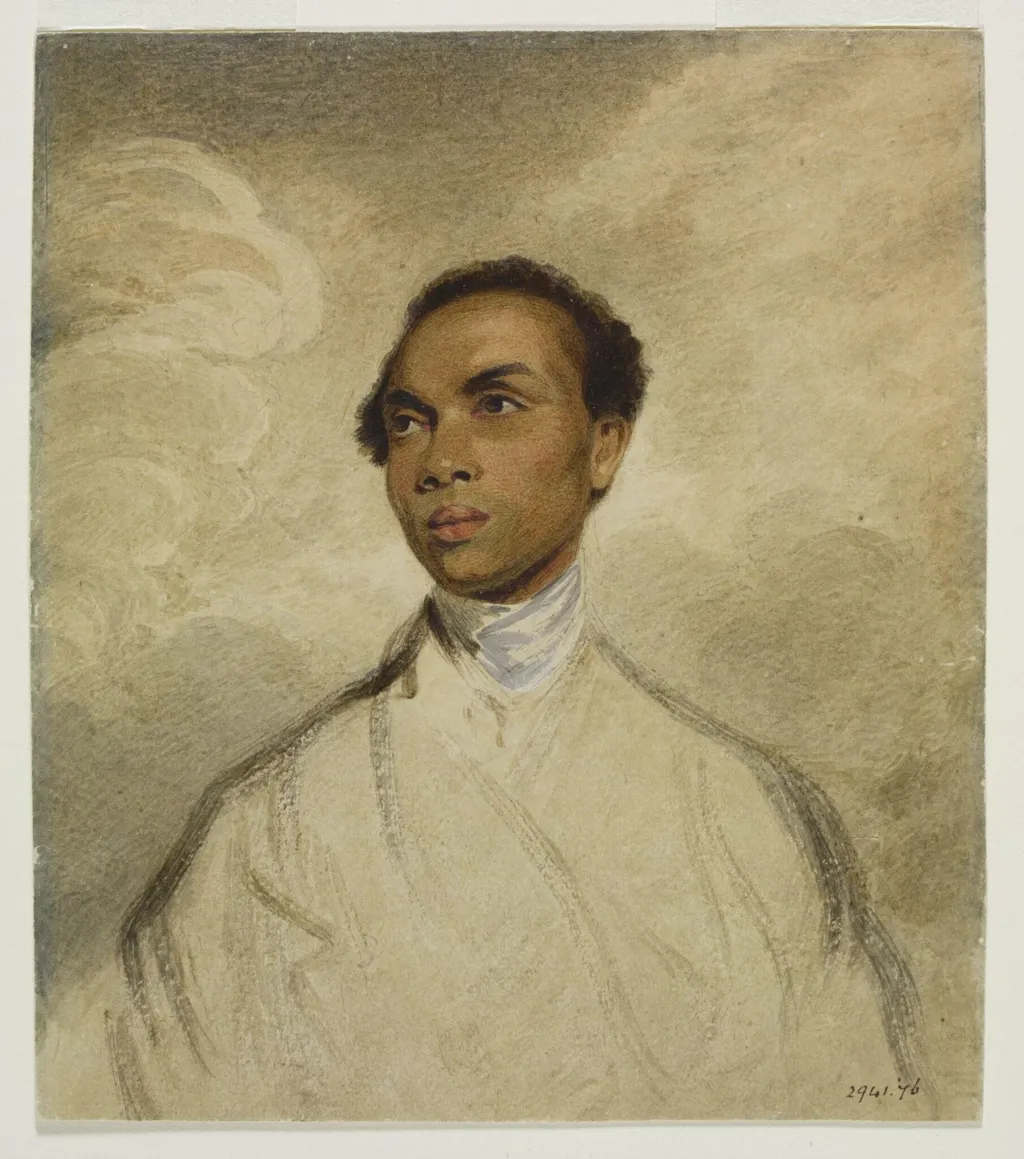
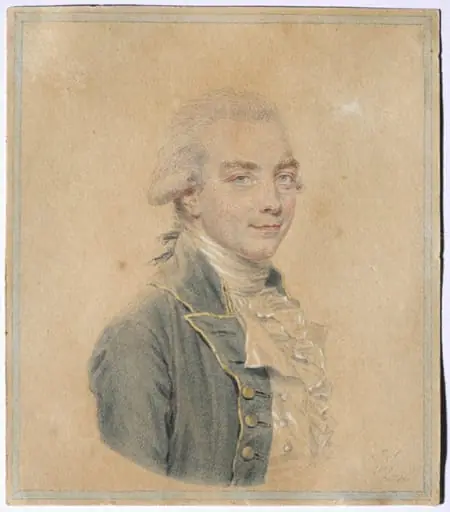
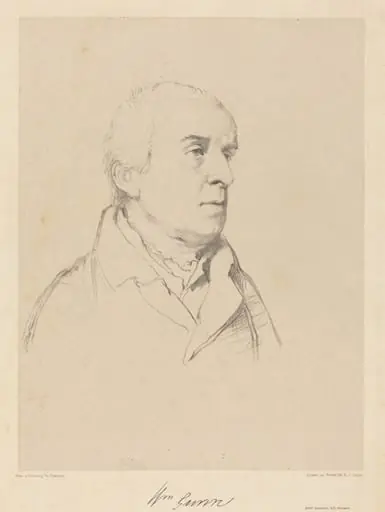
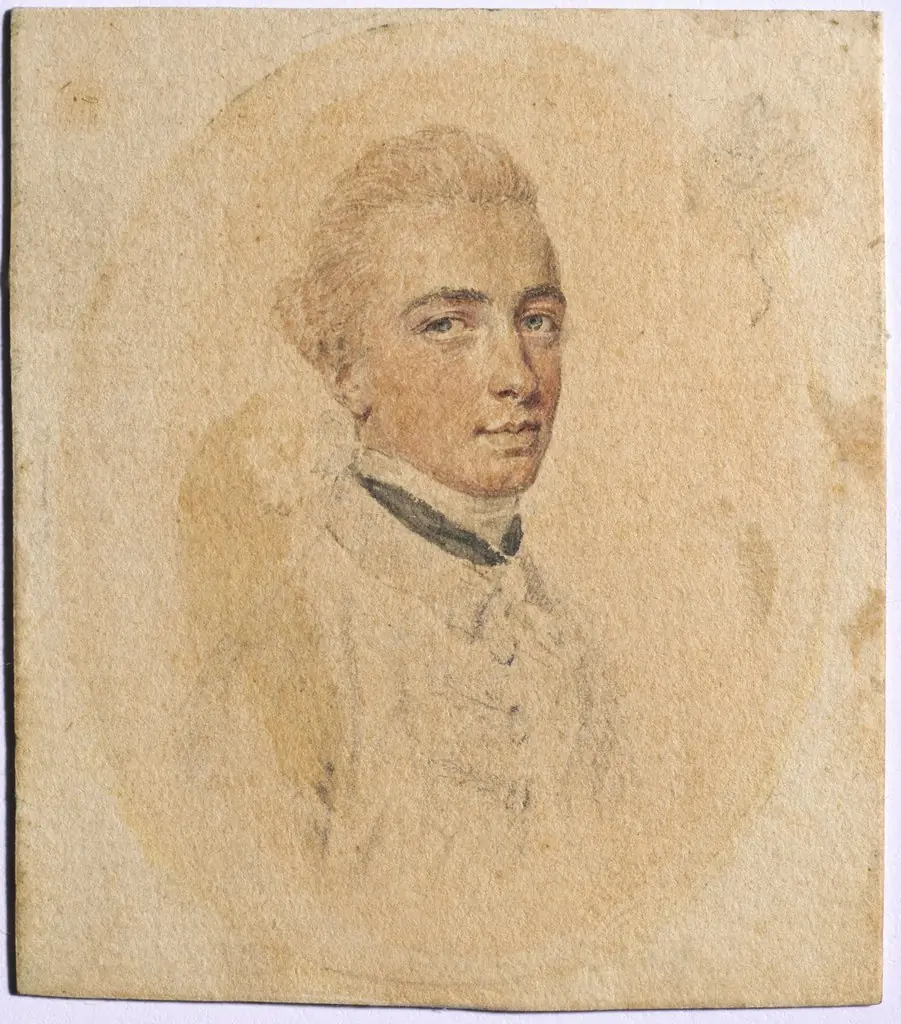
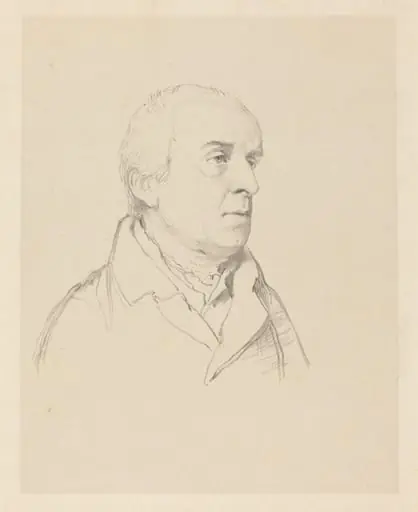
Portrait of Francis Barber is a watercolor work on paper by the Rococo painting artist Henry RA Edridge. It dates from 1785 and is held in the collection of the Victoria and Albert Museum. This watercolour portrait, executed by Henry Edridge, reproduces an earlier oil painting by Sir Joshua Reynolds.
About this work
Overview
This watercolour portrait, executed by Henry Edridge, reproduces an earlier oil painting by Sir Joshua Reynolds. It depicts Francis Barber, a Black man who rose from enslavement in Jamaica to become the trusted secretary and heir of the writer Samuel Johnson. The work exemplifies Edridge’s practice of rendering figures with the fine, stippled technique typical of miniature painting.
Subject & Meaning
Francis Barber is shown with a composed bearing, his face and hands rendered in careful detail, conveying a sense of dignity uncommon for Black subjects in 18th‑century British art. The portrait reflects Barber’s elevated status as Johnson’s confidant and heir, highlighting his personal advancement amid a society still engaged in the transatlantic slave trade.
Technique & Style
Edridge began with a delicate lead‑pencil drawing, then applied watercolour using a stippling method derived from miniature portraiture. The focus remains on the sitter’s features, while washes suggest clothing and drapery. This approach yields a subtle tonal range and a refined surface texture characteristic of late‑Georgian watercolours.
History & Provenance
Edridge, a student at the Royal Academy Schools from 1784, was known for copying works by Reynolds, whose original portrait of Barber likely dates to the 1770s. The watercolour copy was produced later, preserving the image of Barber after the original oil was lost or inaccessible, and has since entered a public collection.
Context
Created during a period when the British slave trade remained active, the portrait stands out for granting a Black individual the compositional prominence usually reserved for white sitters. It offers visual evidence of the complex social positions occupied by freed enslaved people in Georgian England.
Artist & collection
Artist
A prolific watercolour artist working at the turn of the 19th century, Henry Edridge captured daily life in soft, detailed strokes.