Artwork
Mr Williamson. Greenfield
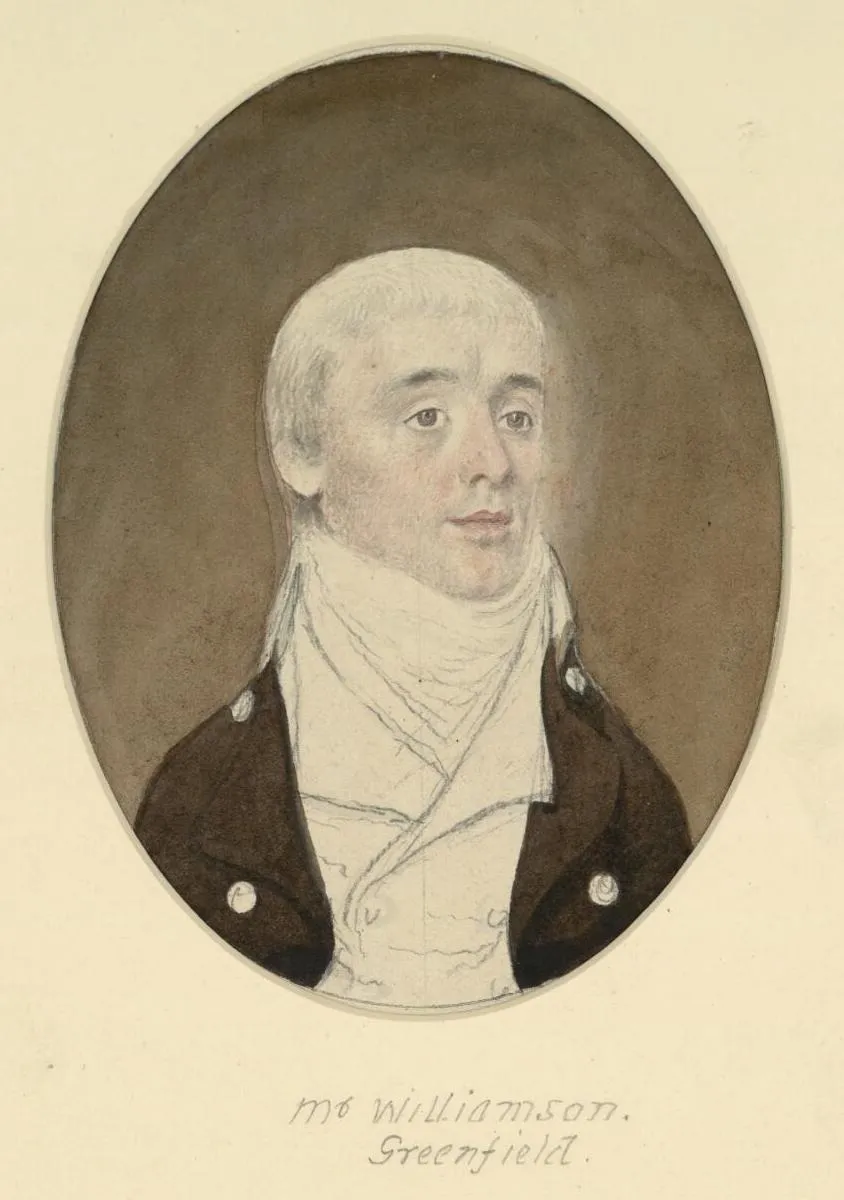
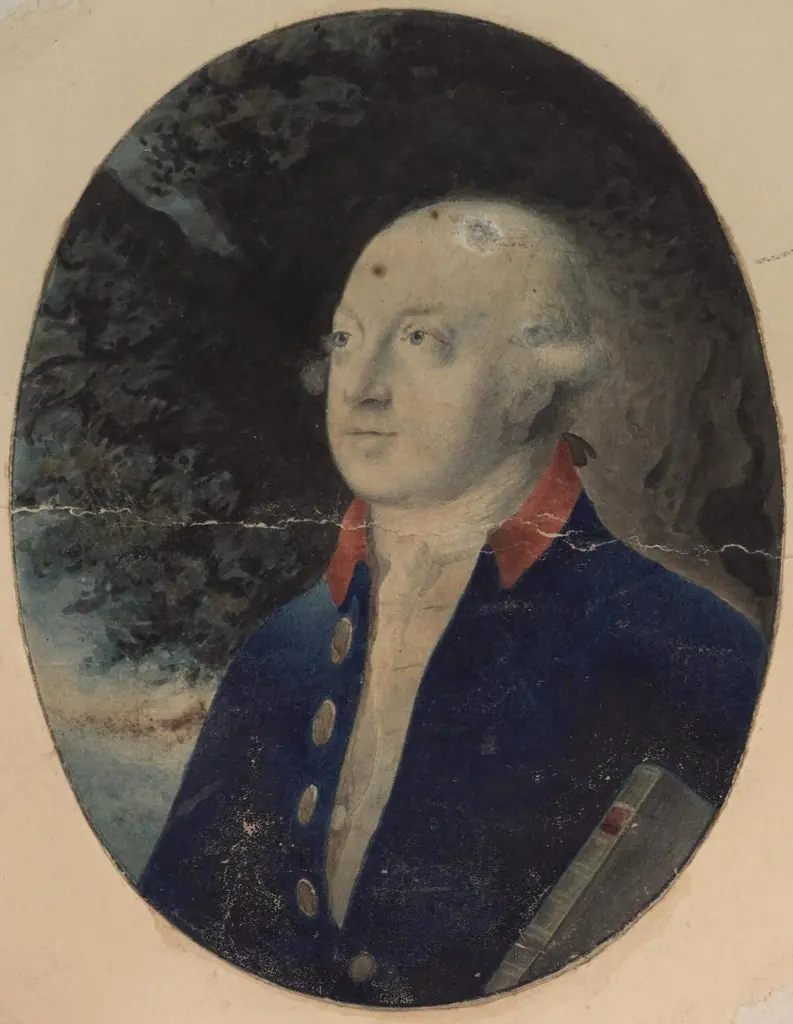
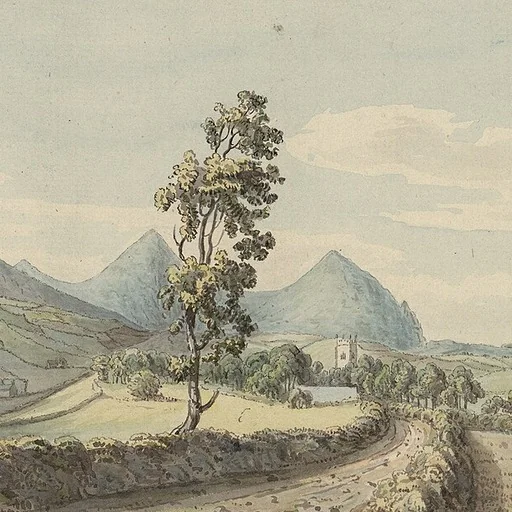
Mr Williamson. Greenfield is a paint painting by Moses Griffith. It dates from 1819 and is held in the collection of the National Library of Wales.
About this work
Overview
Executed in paint on a modest scale, the work belongs to the National Library of Wales collection.
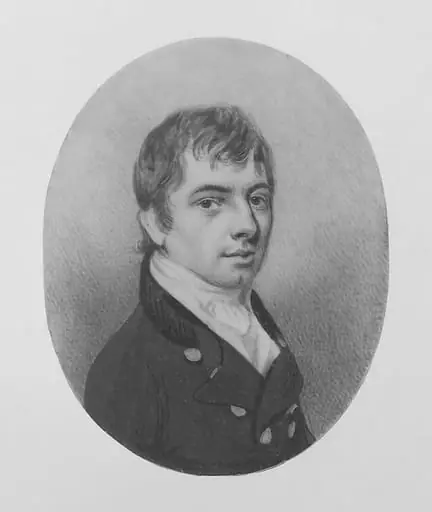
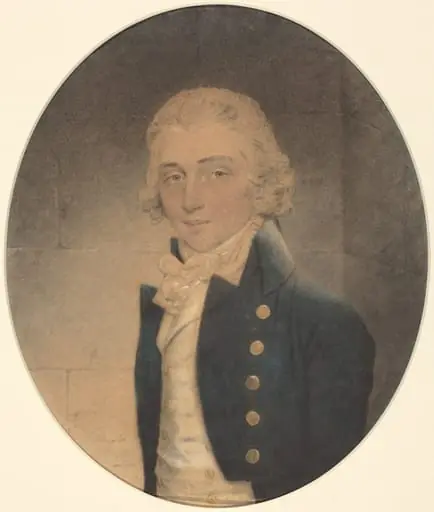
Painted in 1819 by Welsh artist Moses Griffith, this portrait depicts a man identified as Mr. Williamson of Greenfield. Executed in paint on a modest scale, the work belongs to the National Library of Wales collection. Griffith, primarily known for topographical drawings and illustrations for naturalist publications, applied his precise draftsmanship to this intimate likeness, revealing a quieter facet of his artistic output beyond landscape and engraving.
Subject & Meaning
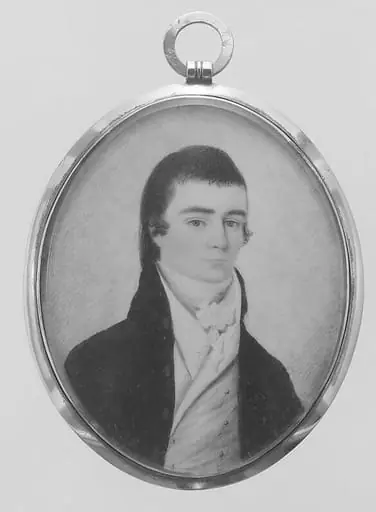
The sitter, Mr. Williamson, is portrayed with quiet composure, his neutral expression and averted gaze suggesting reserve rather than confrontation. His attire—a dark jacket with silver buttons and a crisp white shirt—signals social standing without ostentation. The painting does not convey narrative or symbolism; instead, it functions as a dignified record of an individual, reflecting the values of understated propriety common among provincial gentry in early 19th-century Wales.
Technique & Style
Griffith employed a restrained palette dominated by muted browns and soft contrasts between the dark jacket and pale shirt. Brushwork is controlled, with attention to the texture of fabric and the fine detail of hair, consistent with his training as an illustrator. The background is rendered in a flat, neutral tone, drawing focus to the figure. The composition is tightly framed at the chest, emphasizing formality and minimizing distraction, a hallmark of his portrait approach.
History & Provenance
The painting entered the collection of the National Library of Wales, where it remains today. Its origin is tied to Griffith’s later years, after his extensive work with Thomas Pennant. Though little is documented about Mr. Williamson, the portrait’s preservation suggests it was valued within the sitter’s family or local circle. Its survival reflects the library’s broader efforts to conserve regional artistic heritage from the late Georgian period.
Context
In early 19th-century Wales, portraiture was often commissioned by landowners or professionals seeking to affirm status. Griffith, though best known for topographical work, occasionally turned to portraiture, blending his observational precision with the conventions of genteel representation. This piece aligns with a regional tradition of modest, non-theatrical likenesses, distinct from the grander styles of London-based painters of the era.
Legacy
Mr. Williamson. Greenfield stands as a quiet testament to Griffith’s versatility beyond illustration and engraving. It contributes to the understanding of provincial portraiture in Wales during a transitional period in British art. While not widely exhibited, the work remains a significant example of how skilled draftsmen adapted their techniques to capture individual identity with restraint and dignity.
Artist & collection
Artist
Moses Griffith (6 April 1747 – 11 November 1819) was a Welsh draughtsman, engraver and watercolourist.