Artwork
Pedro Caro Sureda marqués de la Romana (copia)
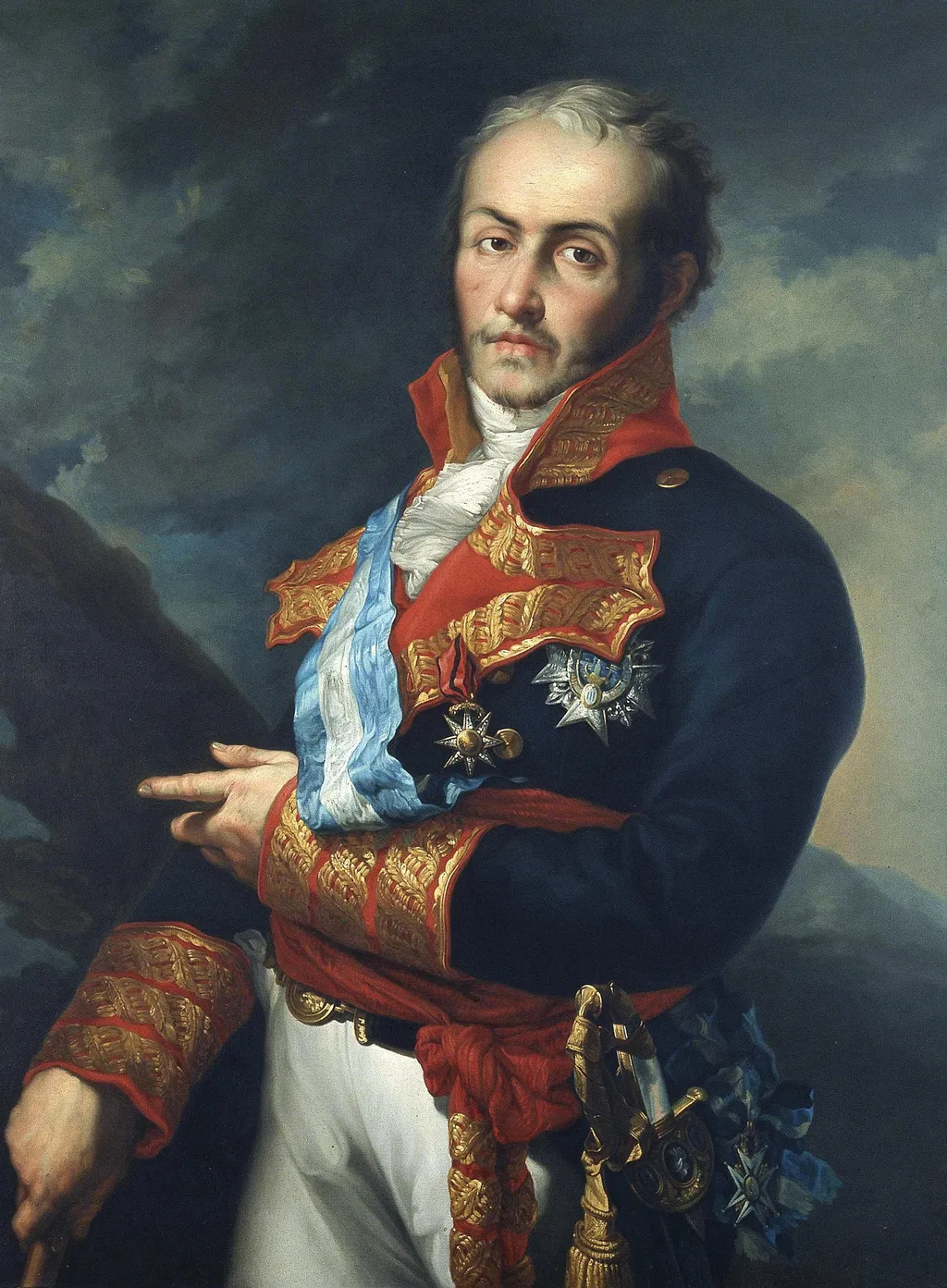
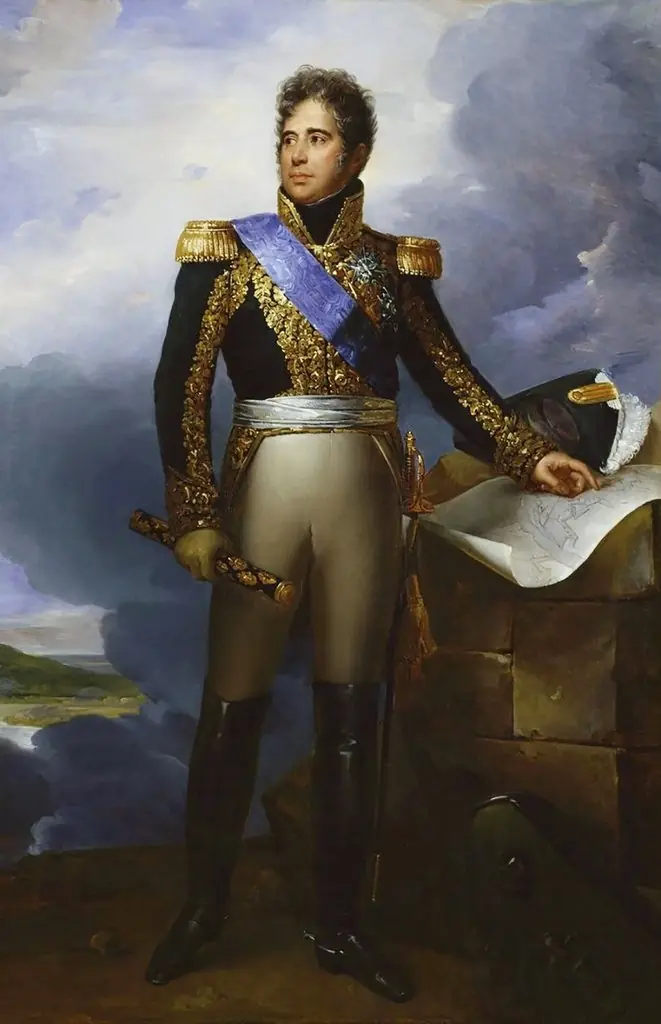
Pedro Caro Sureda marqués de la Romana (copia) is an oil painting by the Post-Impressionist artist Eduardo Carrió. It dates from 1890 and is held in the collection of the Museo del Prado.
About this work
Overview
Eduardo Carrió’s 1890 oil canvas portrays the Spanish nobleman Pedro Caro Sureda, marqués de la Romana, in full military regalia. The work is part of the Prado Museum’s collection, where it is displayed as an example of late‑nineteenth‑century portraiture of a high‑ranking officer.
Subject & Meaning
The sitter is shown in a formal uniform adorned with the insignia of the Order of Charles III, Spain’s most prestigious civil and military honor. The composition emphasizes his rank and the ceremonial importance of the order, reflecting the social status and patriotic duties associated with the marquis’s career.
Technique & Style
Carrió renders the black coat, red and gold trim, and the blue sash with precise brushwork that accentuates texture and fabric sheen. The white cravat and the gleaming medals are painted with fine detail, creating a contrast between the dark uniform and the luminous accessories, a hallmark of realistic portraiture of the period.
History & Provenance
Executed in 1890, the painting entered the Museo del Prado’s holdings as part of its effort to acquire works that document Spain’s military aristocracy. Its provenance traces directly from the artist’s studio to the national collection, where it has remained since its accession.
Context
The portrait was created during a time when Spain was reaffirming its national identity through the celebration of historic figures and orders such as the Order of Charles III. Carrió’s choice to depict the marquis in full regalia aligns with contemporary trends of honoring state service through formal portraiture.
Artist & collection

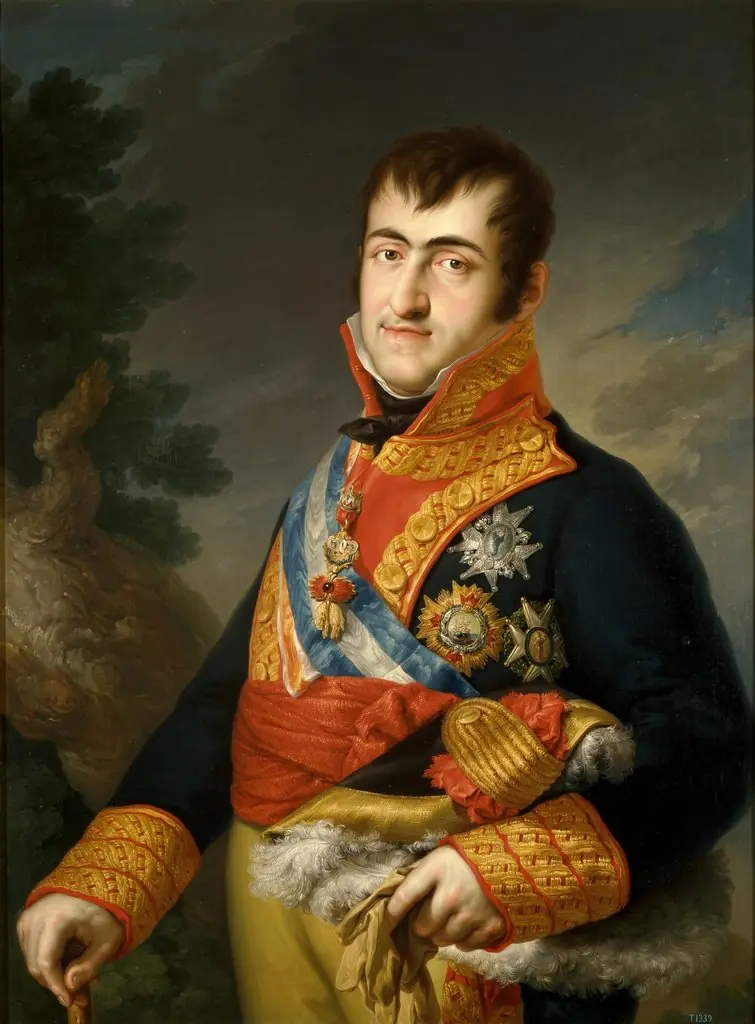 Ferdinand VII in the Uniform of a Captain-general
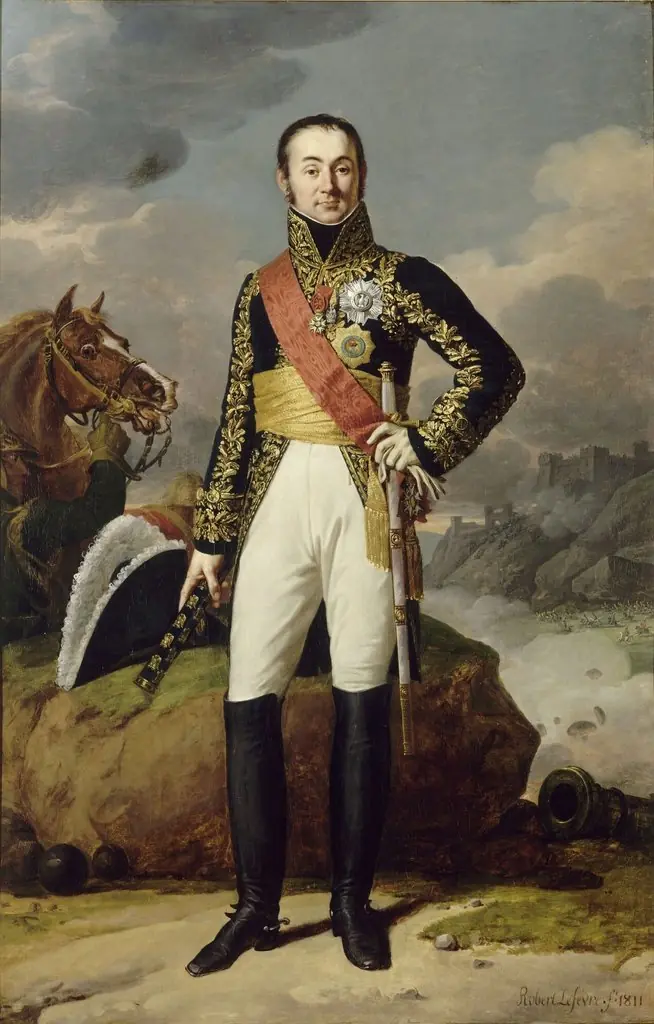 Nicolas-Charles Oudinot, Duke of Reggio, Marshal of France (1767-1847)
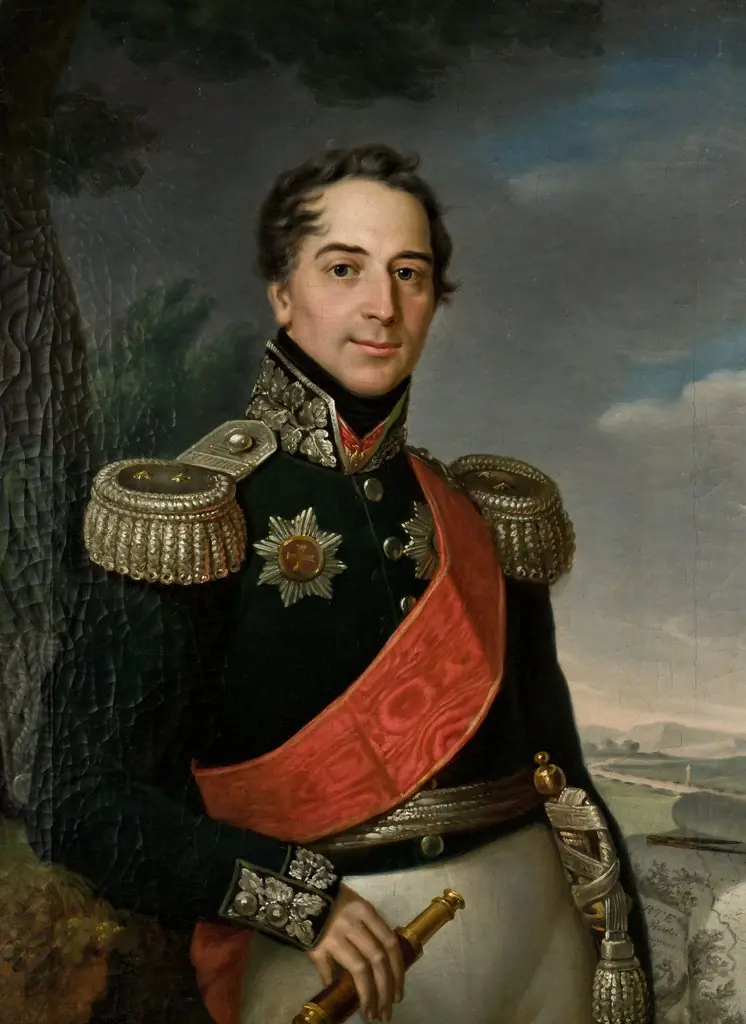 Portrait of Franciszek Ksawery Christiani
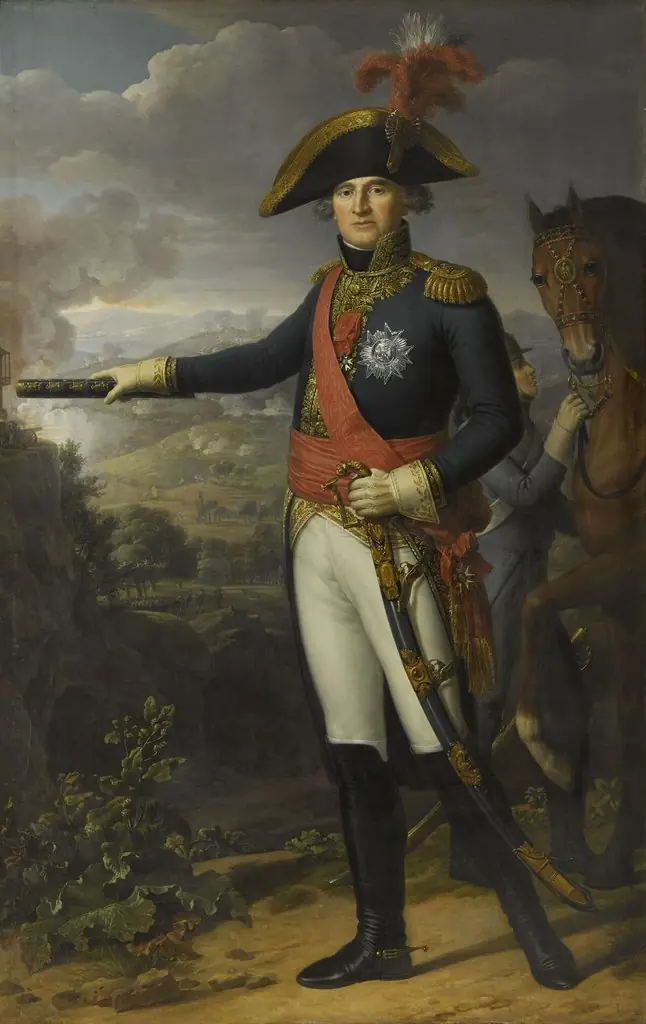 Jean Mathieu Philibert Serurier (1742-1819)
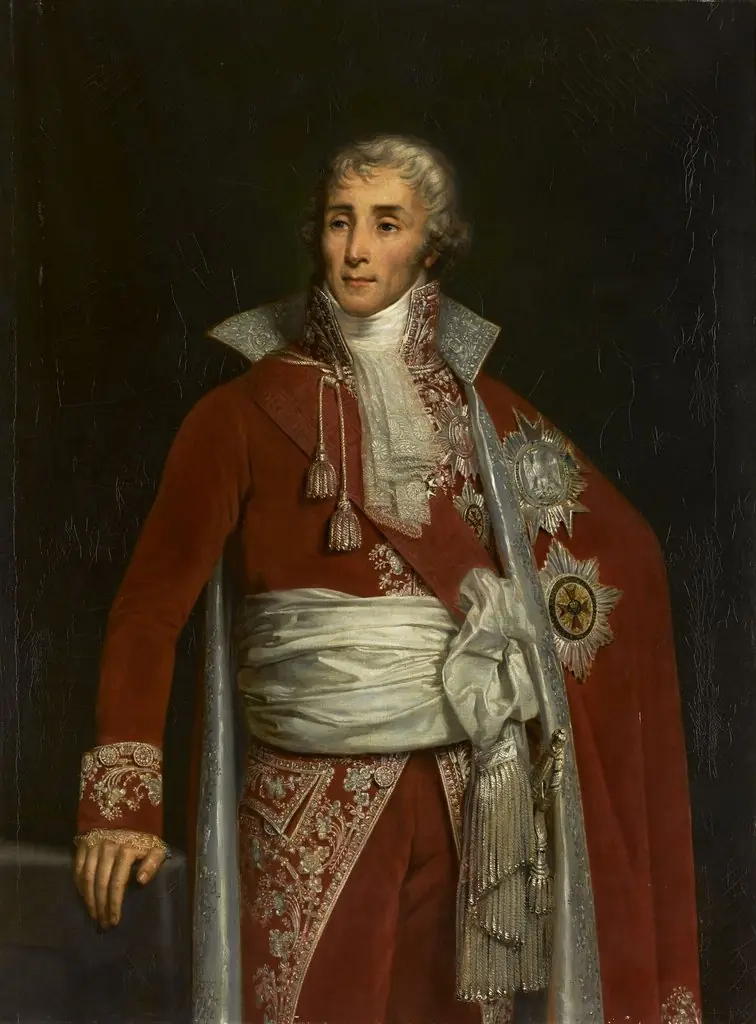 Joseph Fouché, Duke of Otranto
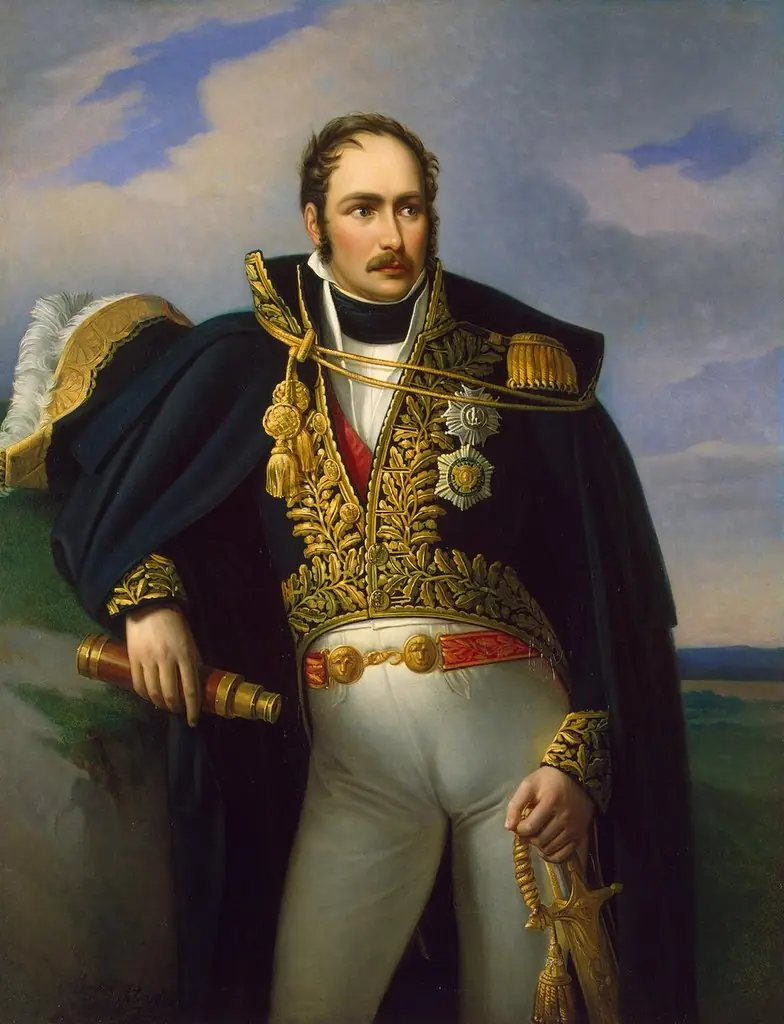 Portrait of Eugene de Beauharnais
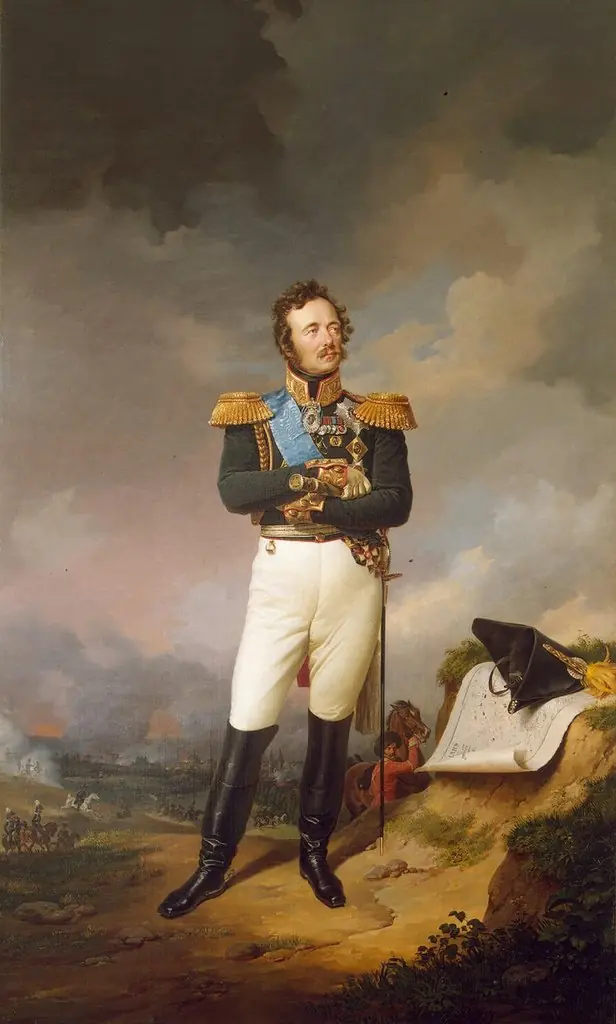 Portrait of Ivan Paskevich
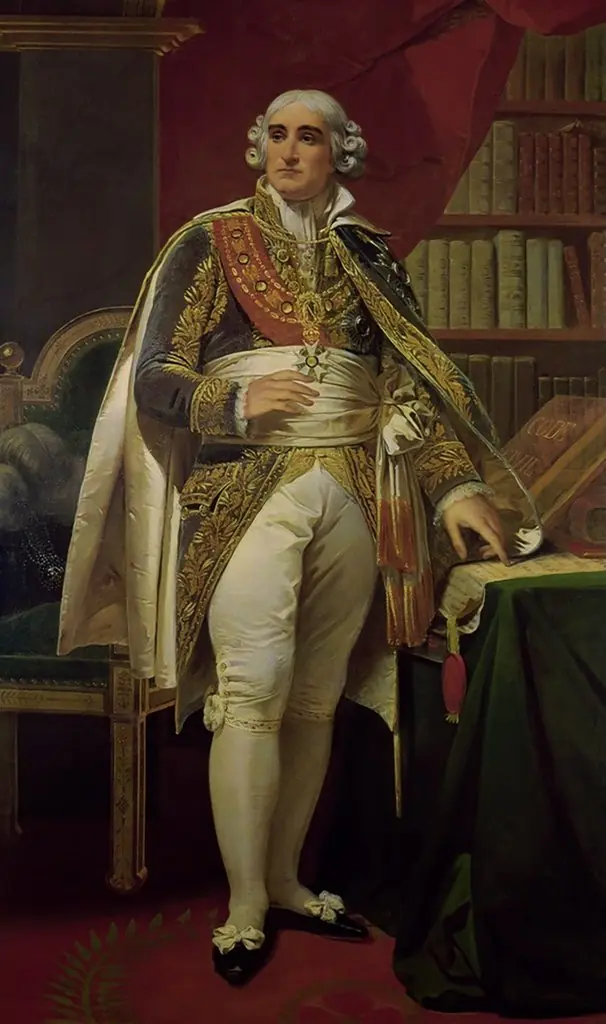 Portrait de Parme, duc de Cambacérès, Archichancelier de l'Empire
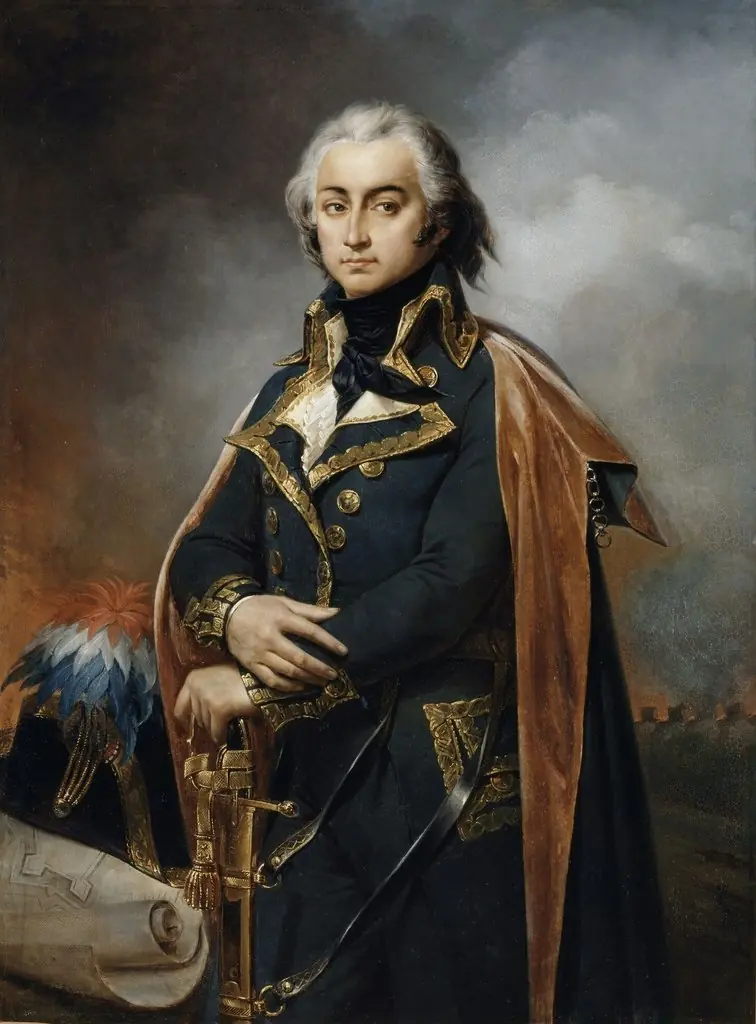 Cyrus-Marie-Adélaïde de Timbrune, Count of Valence, General-in-Chief of the Army of the Ardennes
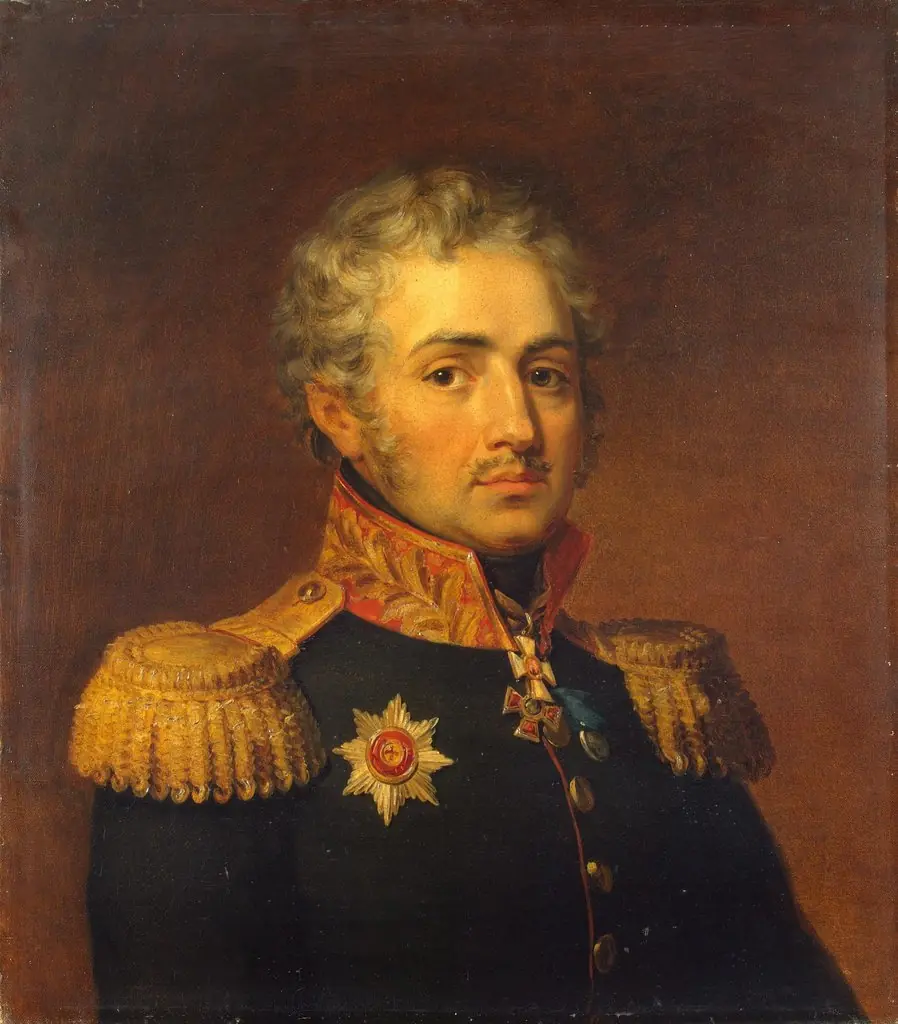 Portrait of Ivan Ye. Shevich (1754-1813)
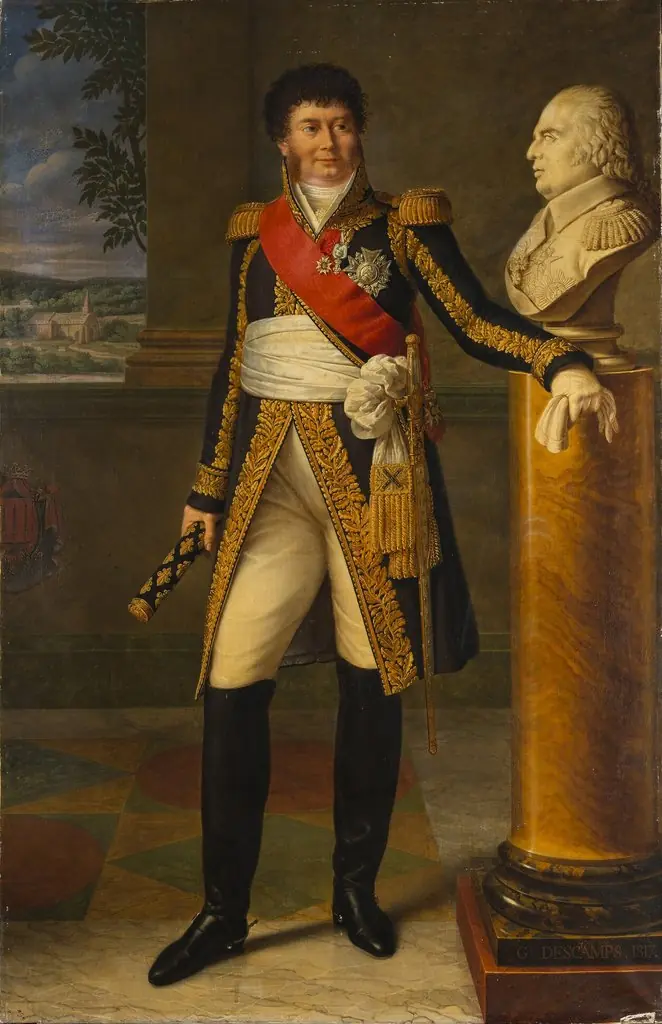 Henri-Jacques-Guillaume Clarke, Count of Hunebourg, Duke of Feltre, Marshal of France (1765-1818)
 Jacques-Alexandre-Bernard Law de Lauriston