Artwork
Concepción Serrano, later Countess of Santovenia
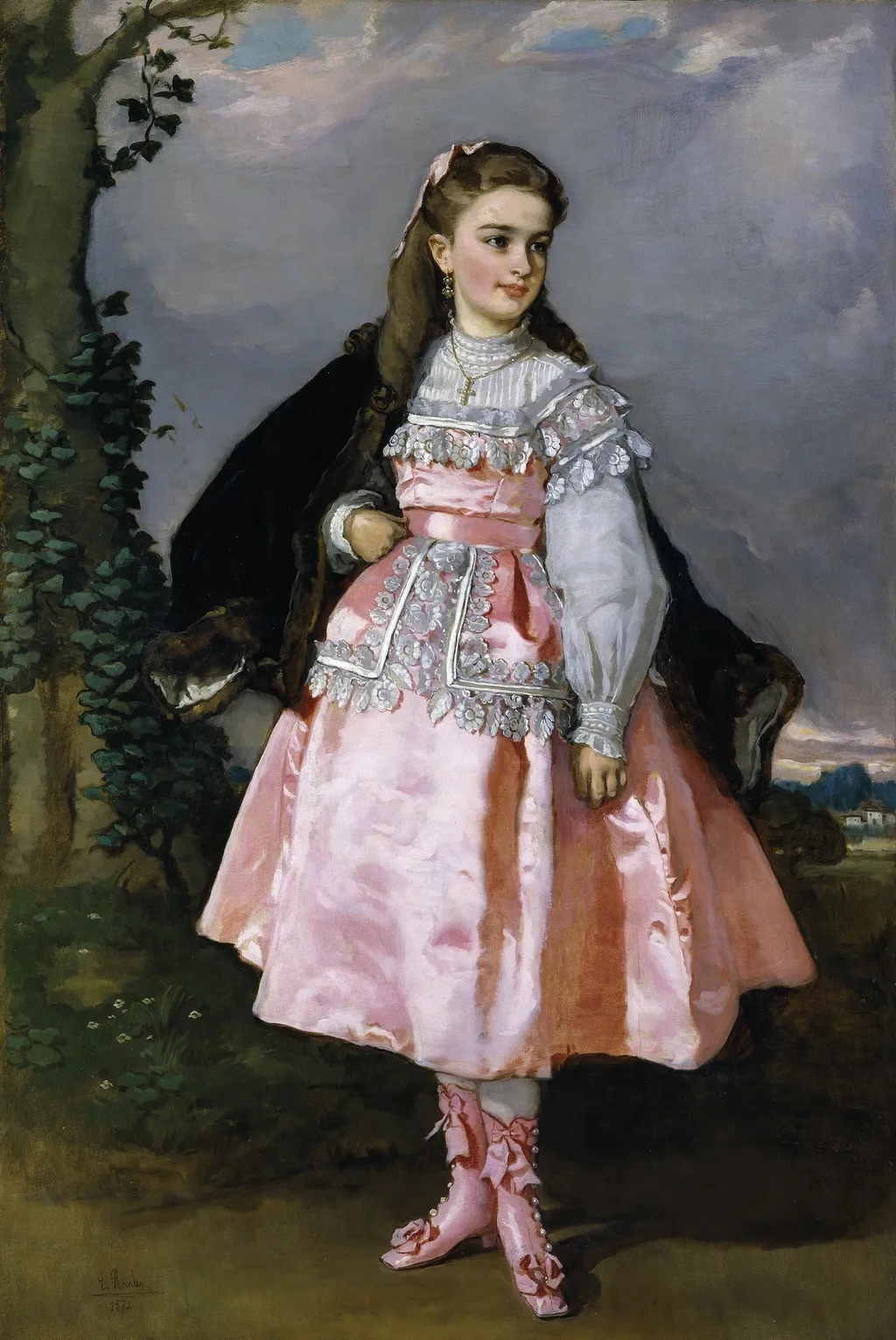
Concepción Serrano, later Countess of Santovenia is an oil painting by the Realist artist Eduardo Rosales. It dates from 1871 and is held in the collection of the Museo del Prado.
About this work
Overview
Executed in oil on canvas, the work reflects Rosales’s engagement with naturalistic representation and his interest in capturing private, intimate moments.
Painted in 1871 by Spanish artist Eduardo Rosales, this portrait captures Concepción Serrano, who later became Countess of Santovenia. Executed in oil on canvas, the work reflects Rosales’s engagement with naturalistic representation and his interest in capturing private, intimate moments. It resides in the collection of the Museo del Prado in Madrid, where it stands as an example of 19th-century Spanish portraiture distinct from grand historical narratives.
Subject & Meaning
The subject is a young girl, dressed in a pink dress with white lace trim and a ribbon at the waist, adorned with a pink hair bow and draped in a black shawl. Her poised stance and refined attire suggest aristocratic status, though the painting avoids overt symbolism. The focus lies in her quiet presence rather than narrative or allegory, reflecting a shift toward personal portraiture among Spanish elites in the late 19th century.
Technique & Style
Rosales employed a controlled, observational approach, rendering textures with subtle brushwork—delicate lace, soft fabric folds, and the sheen of silk. The palette is restrained, with pink and white tones balanced against the dark shawl and muted background. The composition centers the figure against a hazy tree and cloudy sky, avoiding theatricality in favor of atmospheric calm and spatial depth.
History & Provenance
The painting was completed in 1871 and entered the Museo del Prado’s collection shortly thereafter. It remained within private Spanish circles before institutional acquisition, likely due to the subject’s noble connections. No significant alterations or documented restorations are recorded, and its condition reflects careful preservation since its creation.
Context
Rosales, influenced by Italian Purismo, favored clarity and sincerity over Romantic excess. This portrait aligns with broader European trends toward intimate, non-idealized depictions of individuals, particularly among the upper classes. In Spain, such works emerged as the monarchy and aristocracy sought to modernize their public image through refined, domestic imagery rather than historical grandeur.
Legacy
Though not among Rosales’s most widely exhibited works, this portrait exemplifies his contribution to Spanish realism. It illustrates a transition in portraiture—from ceremonial formality to personal observation—and remains a quiet testament to the social and aesthetic values of Spain’s late 19th-century elite.
Own this work as a print
Artist & collection
Artist
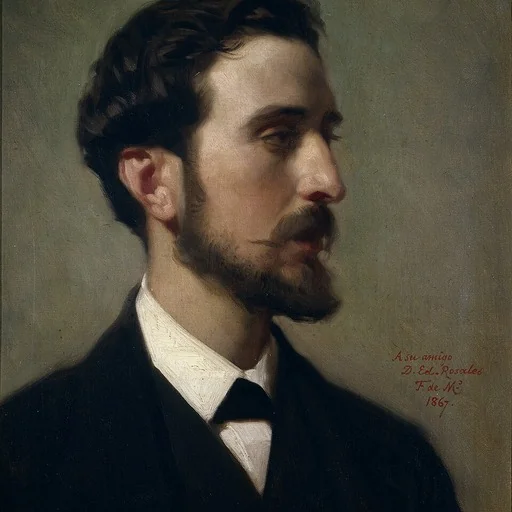
Eduardo Rosales Gallinas (4 November 1836 – 13 September 1873) was a Spanish painter. He was an adherent of the Italian-based art movement known as "Purismo" and specialized in historical scenes.

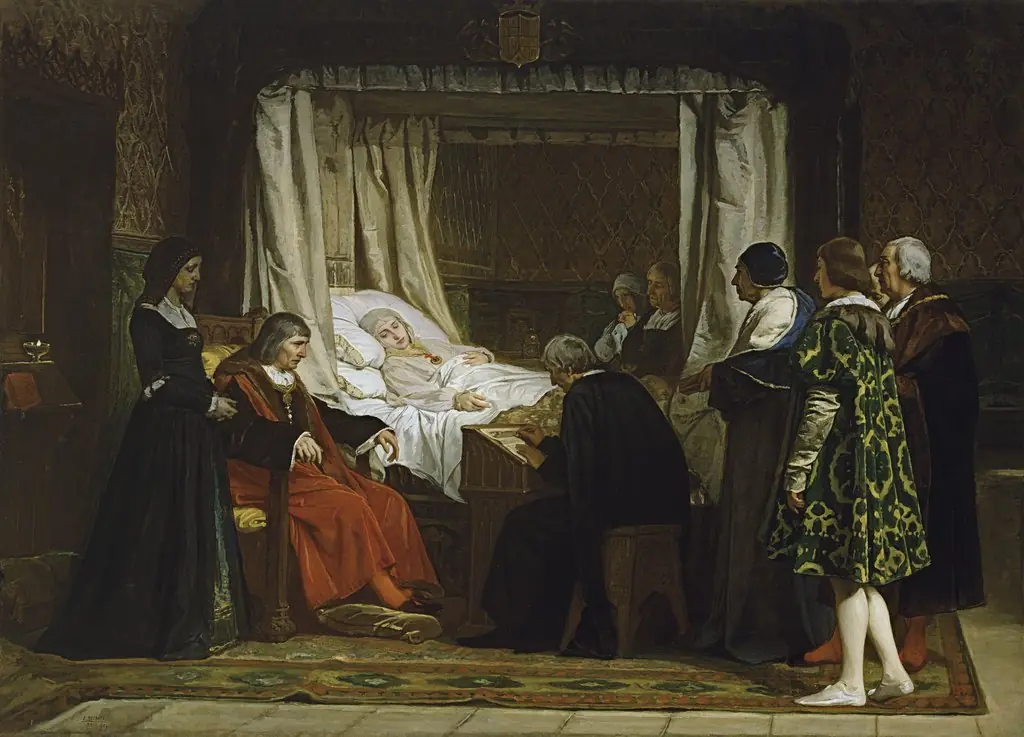 Queen Isabel la Católica dictating her last will and testament
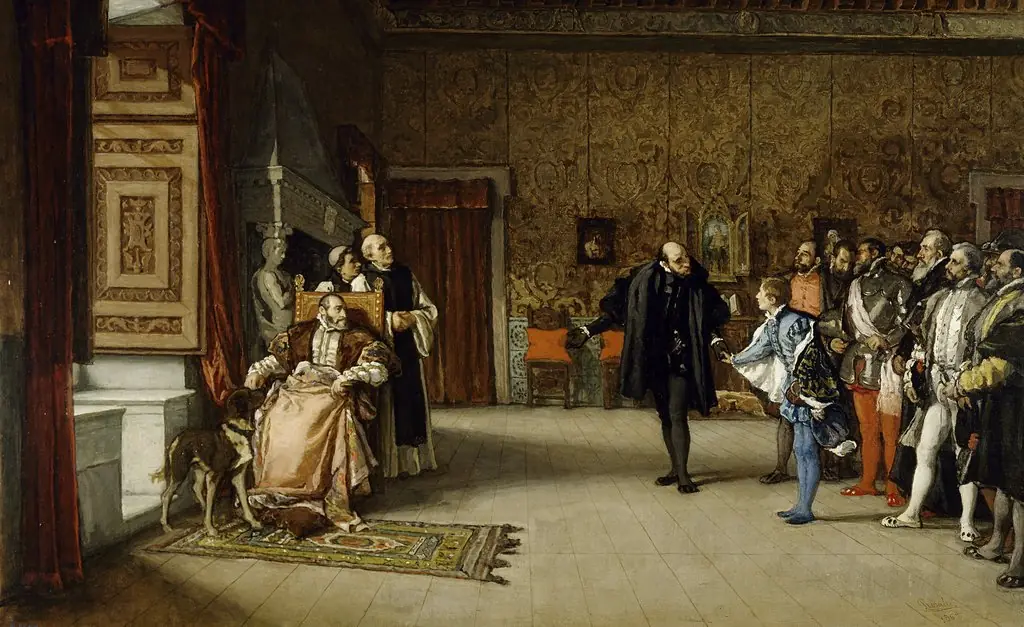 Juan de Austria's presentation to Emperor Carlos V in Yuste
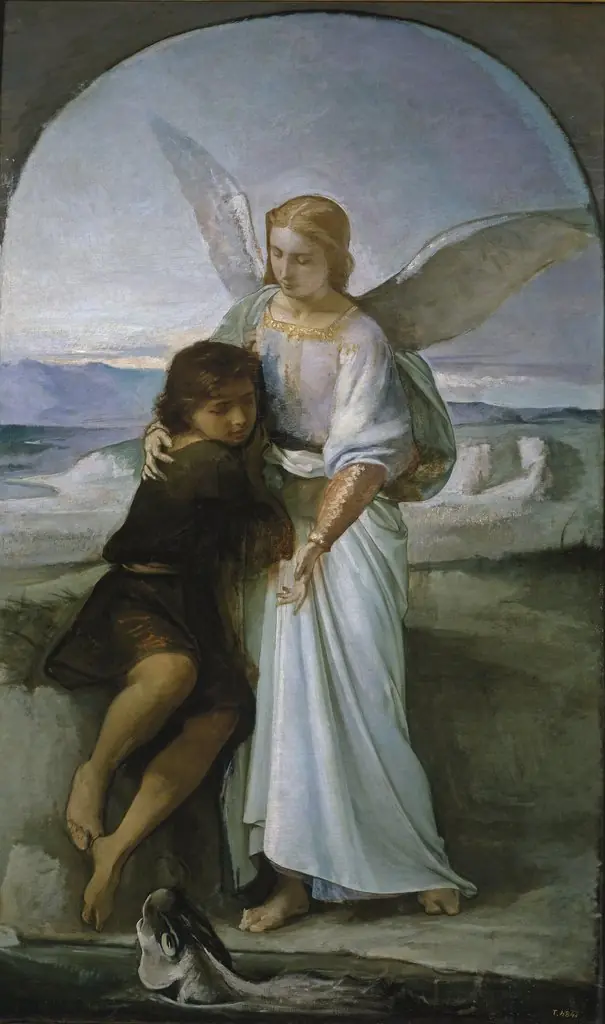 Tobias and the Angel
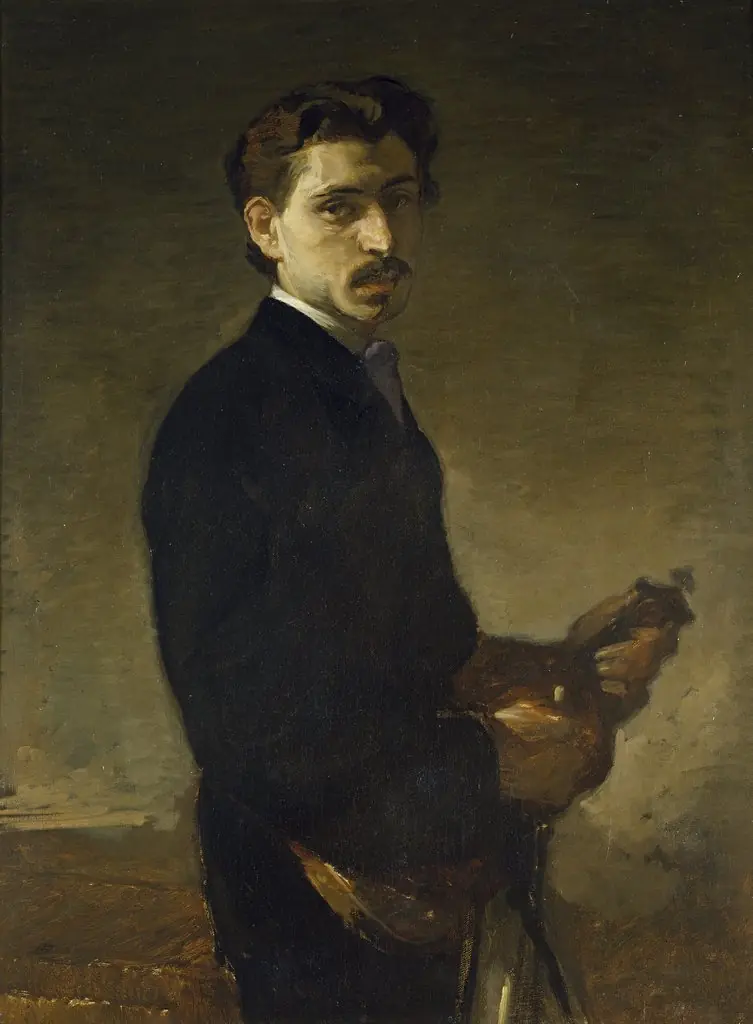 Ettore Pinelli, the Violinist
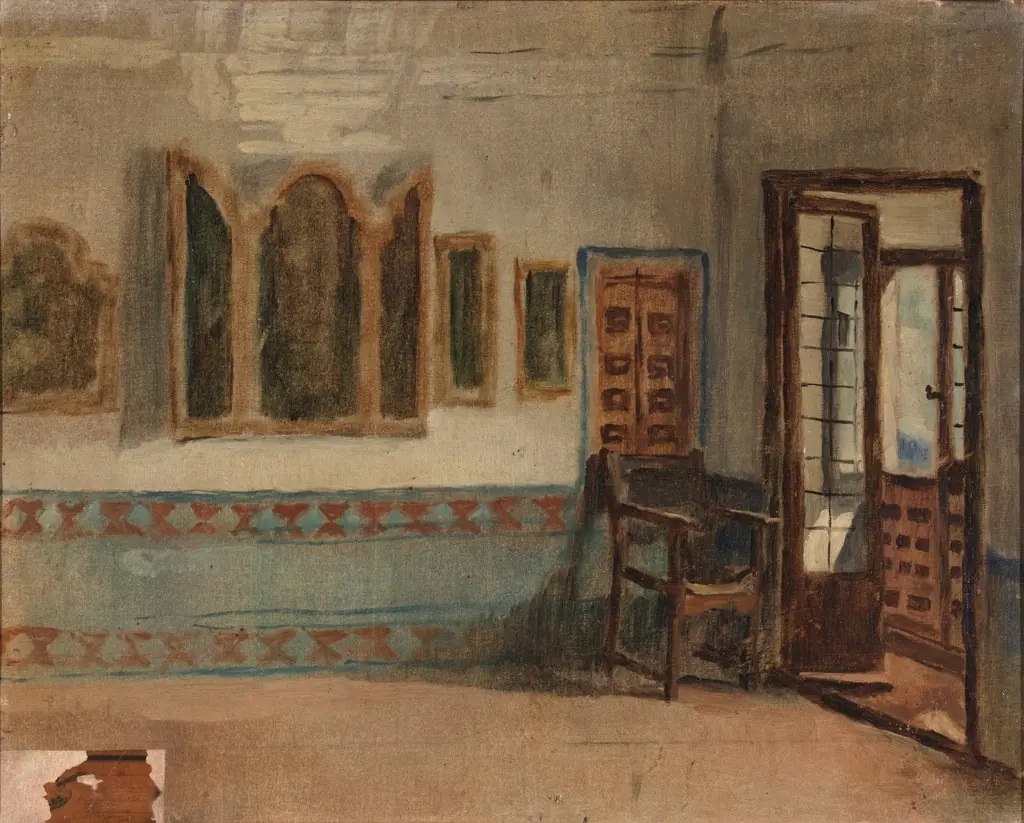 Celda prioral del Monasterio de El Escorial
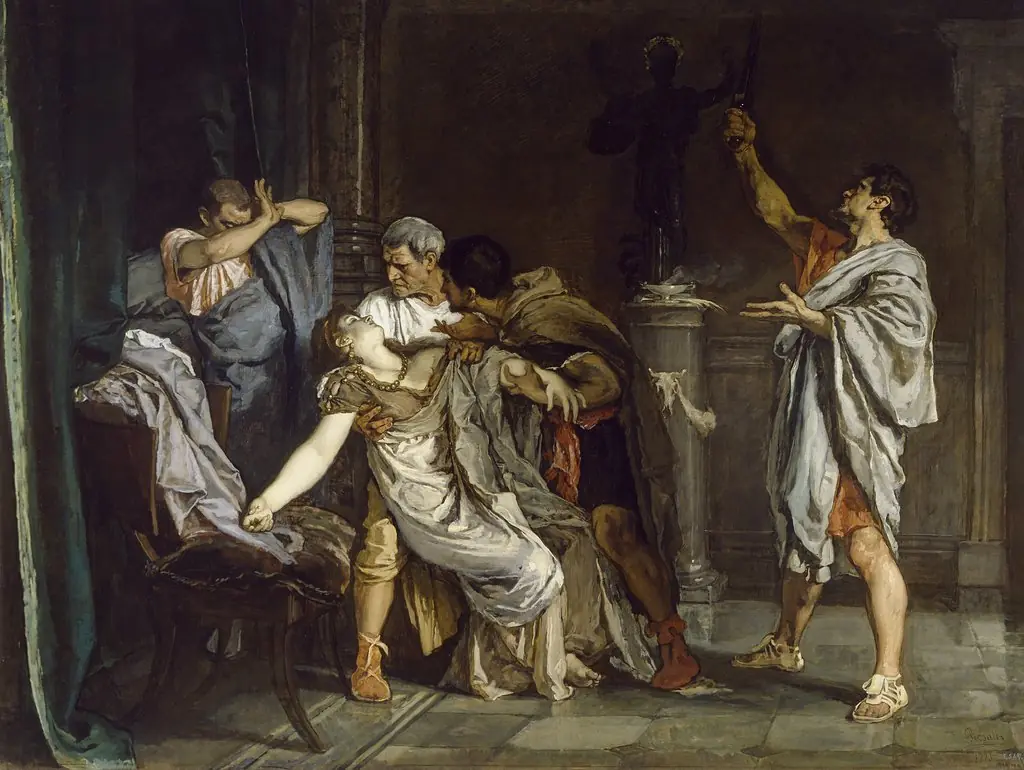 The Death of Lucretia
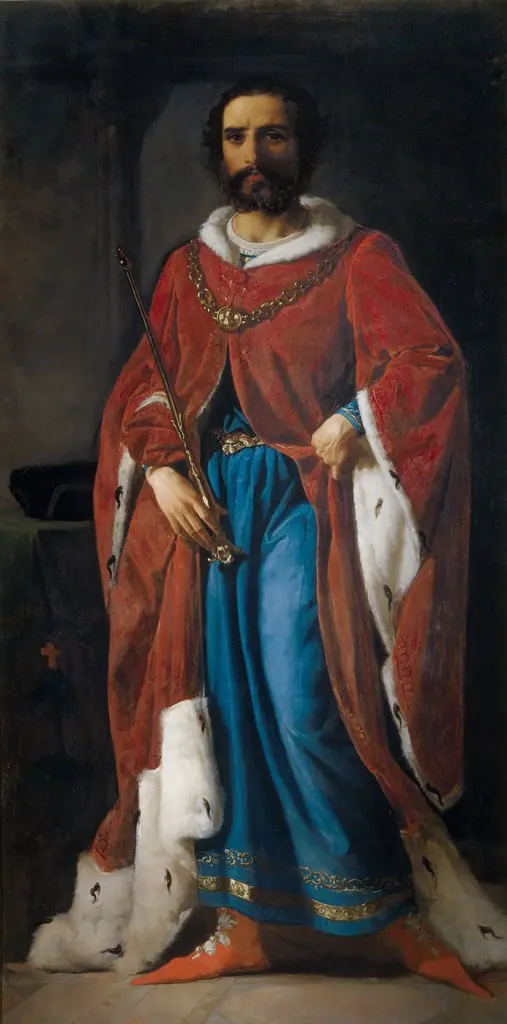 Don García Aznar; conde de Aragón
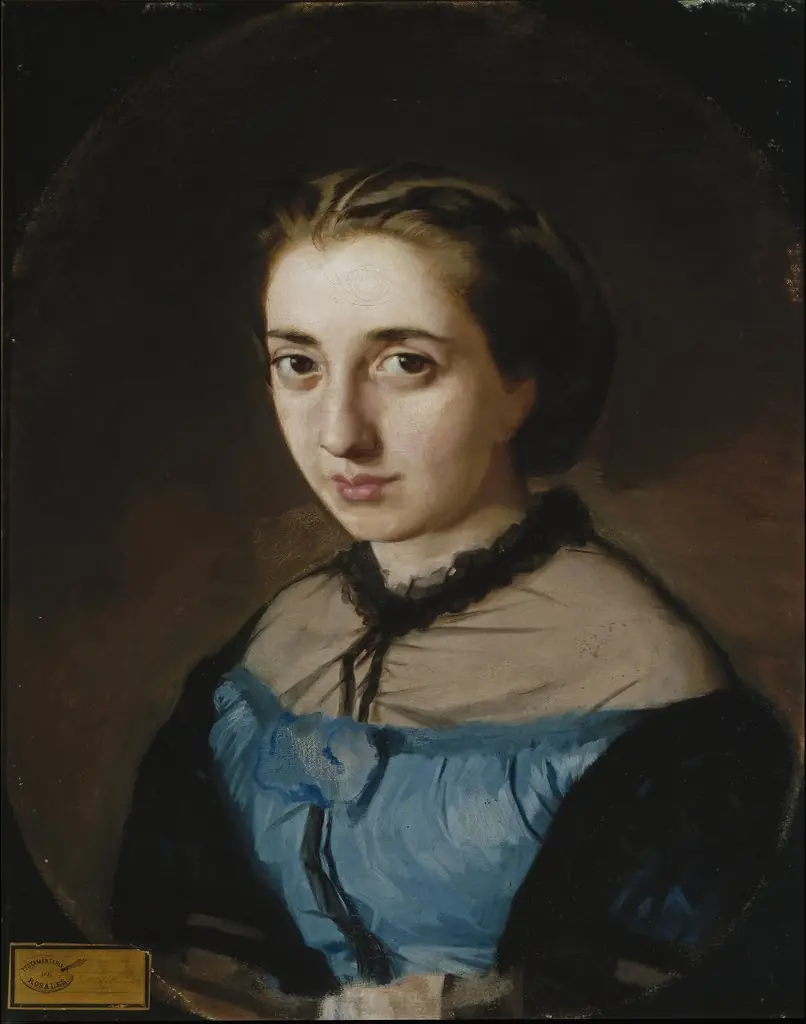 Maximina Martínez de la Pedrosa, the Artist's Wife
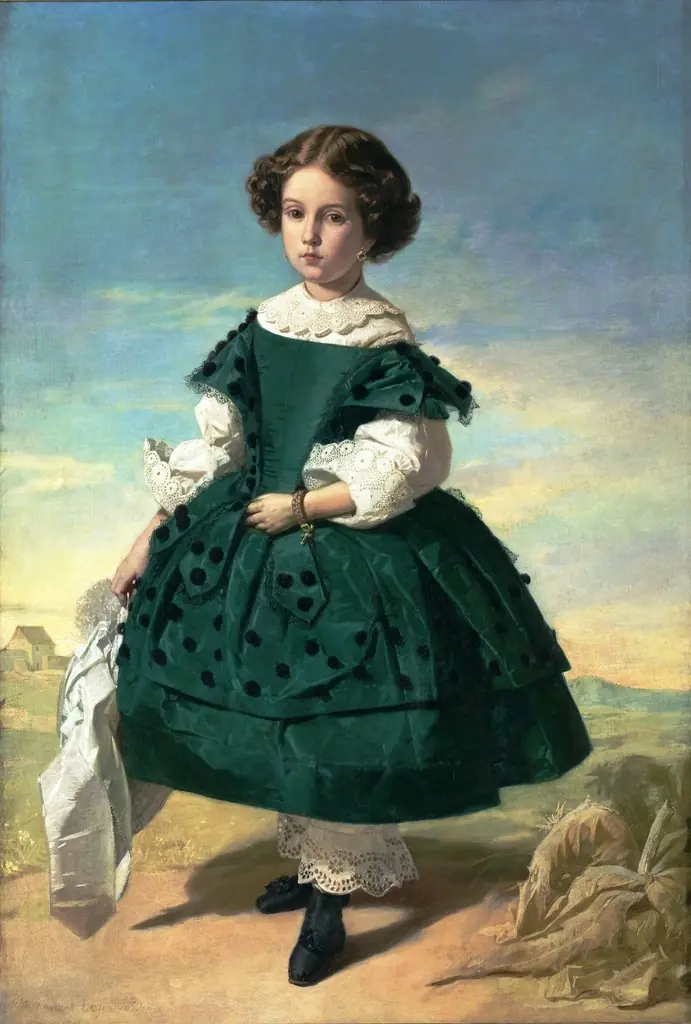 Portrait of a girl
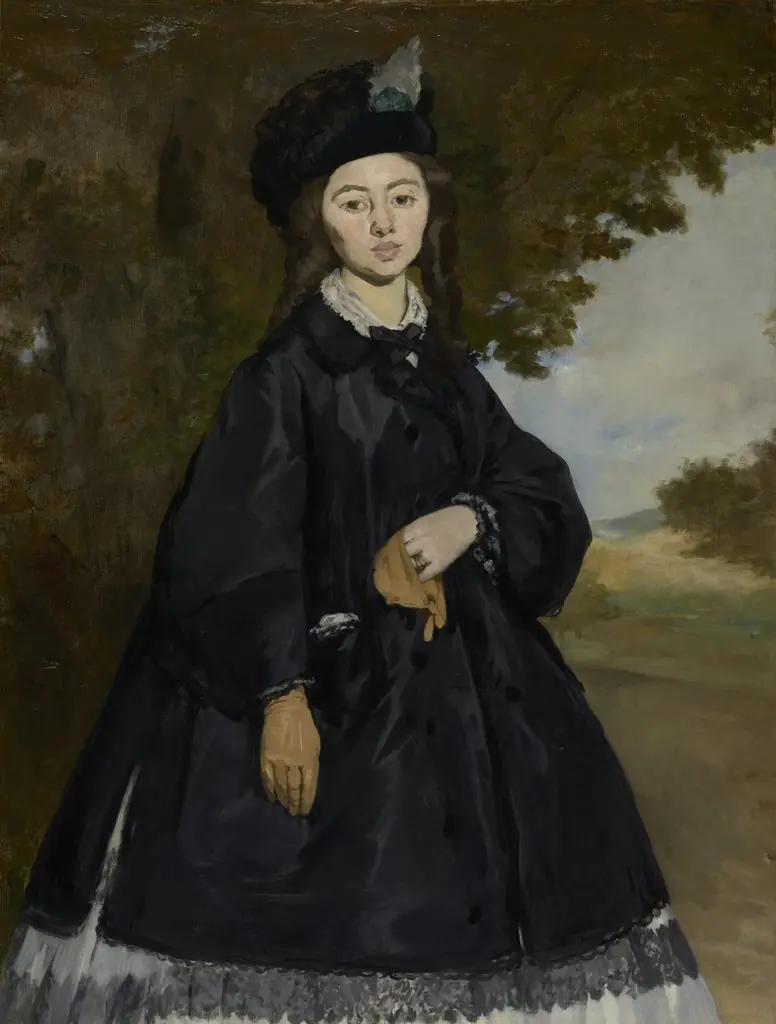 Portrait of Madame Brunet
 Lydia Field Emmet
 Infantinna Margarita vaaleanpunaisessa puvussa, kopio Velázquezin mukaan
 La niña María Figueroa vestida de menina
 A young Woman
 Romaine Lacaux
 Infanta Margaret Theresa in a White and Silver Dress
 Portrait of the artist’s sister
 Woman in a Riding Habit (L'Amazone)
 Young Lady Wearing a Mantilla and Basquina
 Mother of Pearl and Silver: The Andalusian