Artwork
Self-portrait
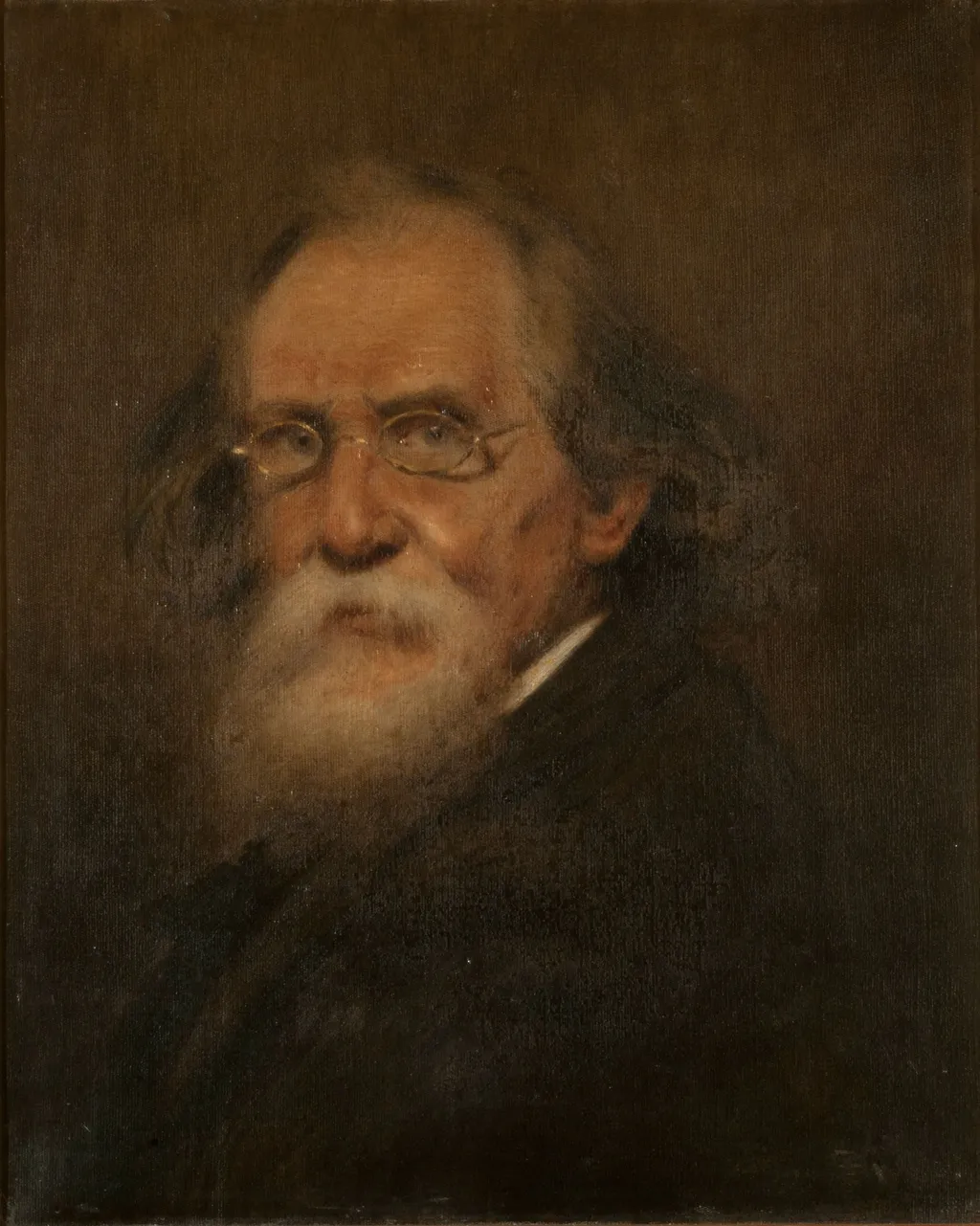
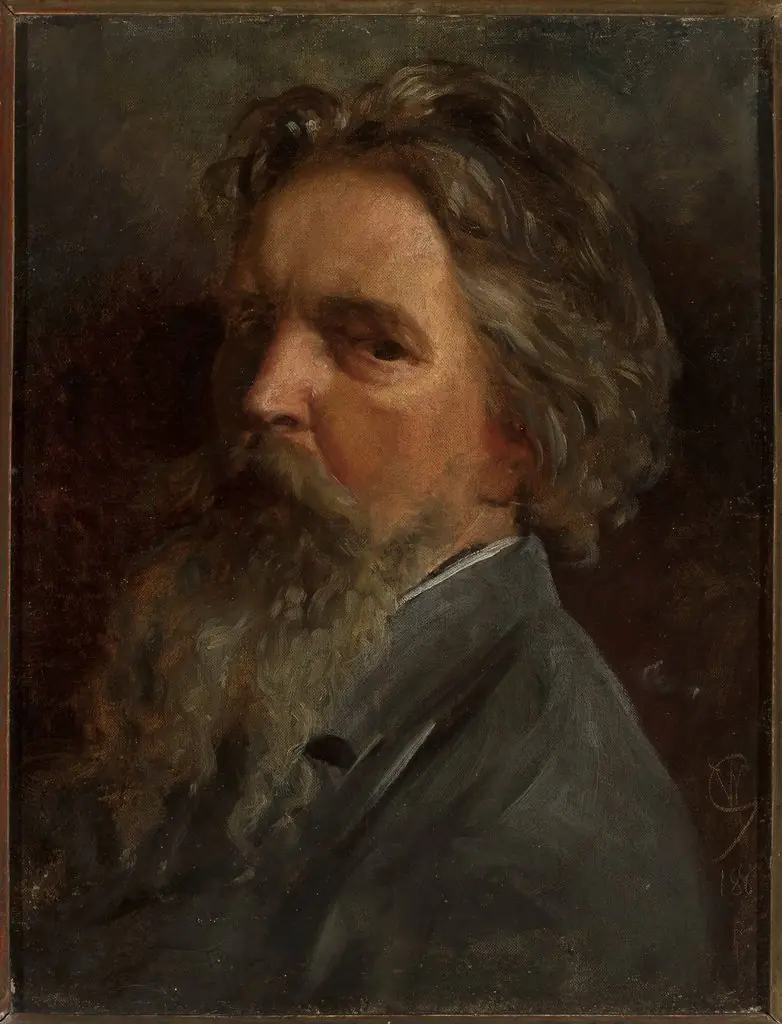
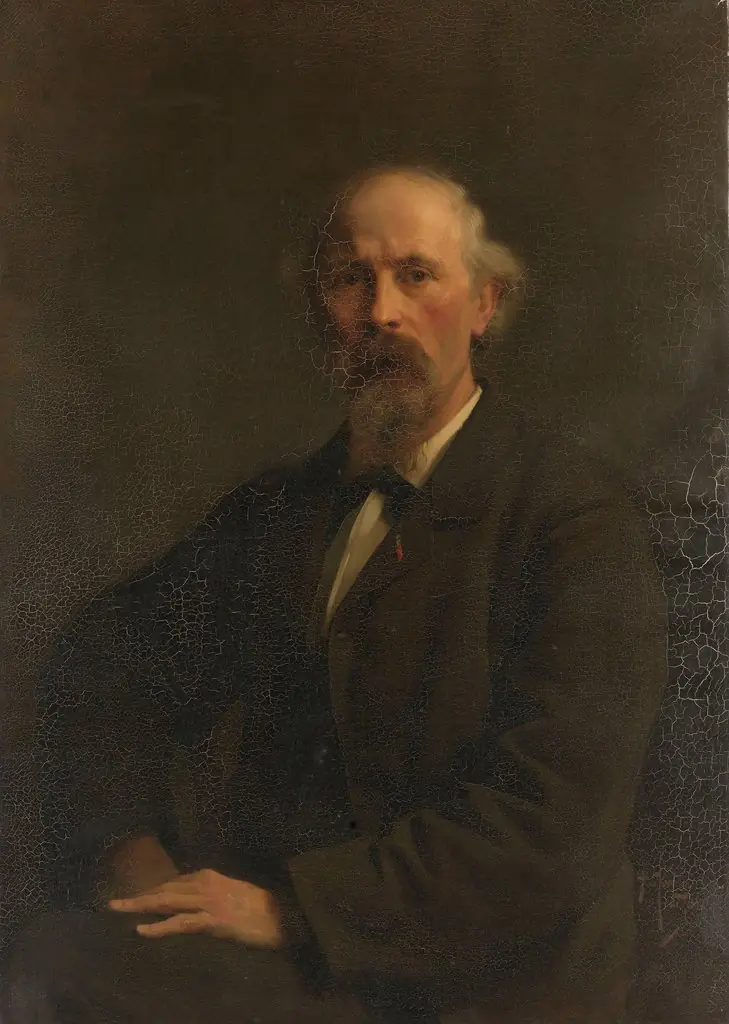
Self-portrait is an oil painting by the Post-Impressionist artist Eduardo Sívori. It dates from 1900 and is held in the collection of the National Museum of Fine Arts, Argentina.
About this work
Overview
As a foundational figure in Argentine realism, he turned inward in this piece, presenting himself without embellishment.
Eduardo Sívori painted this self-portrait in 1900 using oil on canvas, marking one of his final major works. As a foundational figure in Argentine realism, he turned inward in this piece, presenting himself without embellishment. The painting resides in the National Museum of Fine Arts in Buenos Aires, where it stands as a quiet testament to his lifelong engagement with truthful representation in art.
Subject & Meaning
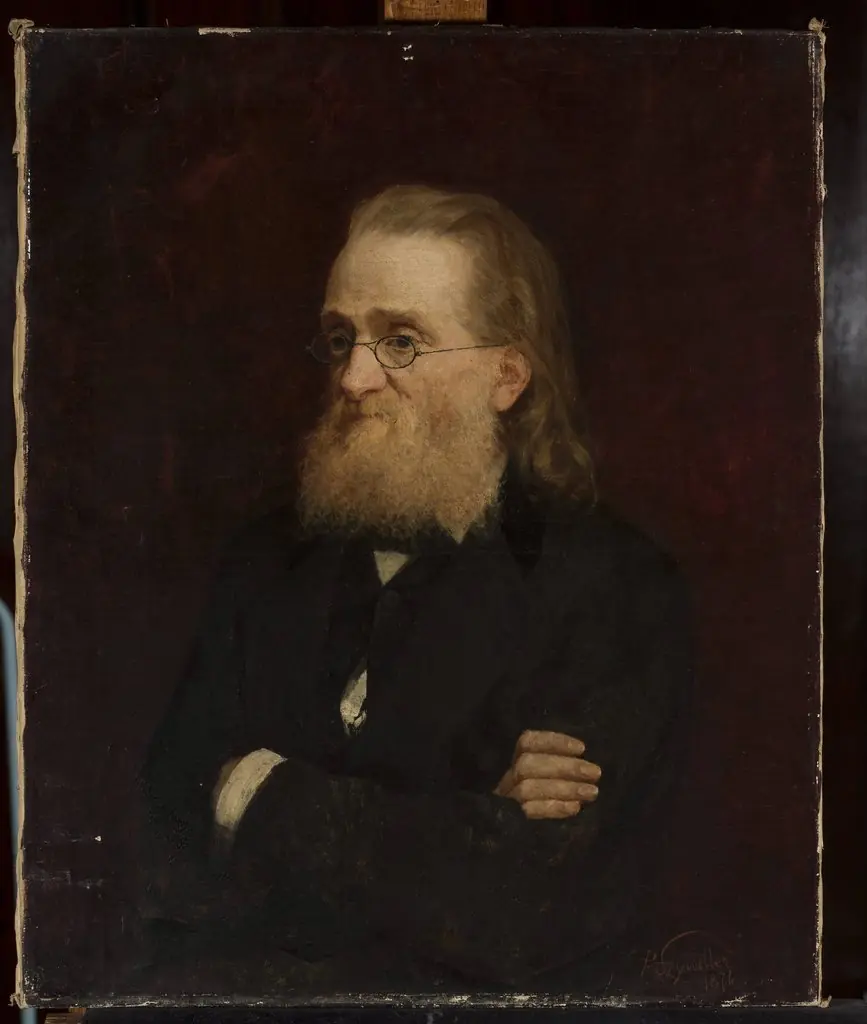
The subject is Sívori himself, depicted in later life with a long white beard, spectacles, and a dark jacket over a plain white shirt. His direct gaze meets the viewer without sentimentality, suggesting introspection rather than performance. The absence of symbolic elements or elaborate setting emphasizes personal presence over narrative, aligning with his realist approach to identity and aging.
Technique & Style
Sívori employed restrained brushwork and a muted palette to render form with clarity. The dark background isolates the figure, drawing attention to the texture of his beard, the sheen of his glasses, and the fold of his clothing. Light falls subtly across his face, modeling features without dramatic contrast. The composition avoids theatricality, favoring quiet observation over expressive flourish.
History & Provenance
Created in 1900, the portrait entered the collection of the National Museum of Fine Arts in Buenos Aires shortly after its completion. It has remained in public ownership since, with no documented private transactions. Its preservation within Argentina’s foremost art institution underscores its significance as a record of the nation’s early realist tradition.
Context
Though painted during the post-impressionist era, Sívori resisted stylistic trends toward abstraction or emotional intensity. His work remained anchored in observational realism, influenced by European academic training and Argentine cultural priorities of the late 19th century. This portrait reflects a broader artistic commitment to depicting everyday truth over idealized or romanticized forms.
Legacy
Sívori’s self-portrait endures as a key example of early Argentine realism. It influenced subsequent generations of local artists who sought to portray national identity through unadorned representation. The work’s enduring presence in the national museum affirms its role as a foundational image in Argentina’s artistic canon, valued for its sincerity rather than its novelty.
Own this work as a print
Artist & collection
Artist
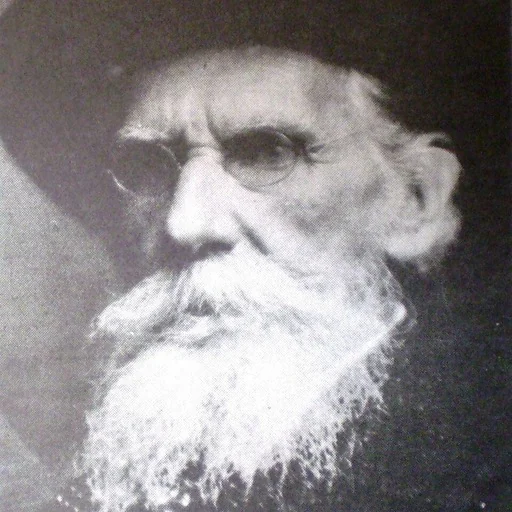
Eduardo Sívori (October 13, 1847 – June 5, 1918) was an Argentine artist widely regarded as his country's first realist painter.

Museum
National Museum of Fine Arts, Argentina
Continue through works from the same source collection.