Artwork
Alma Mater: Middle Part
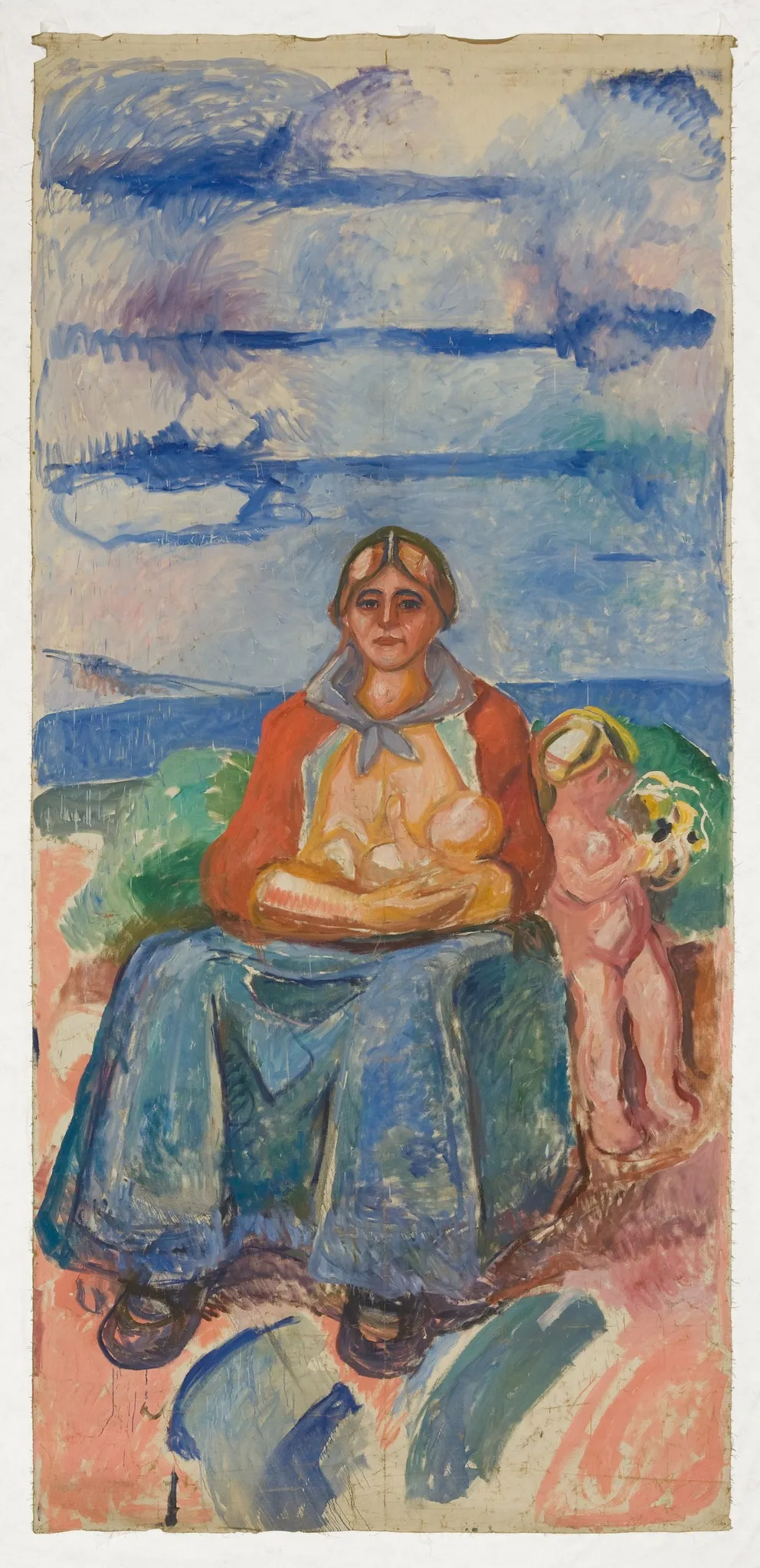
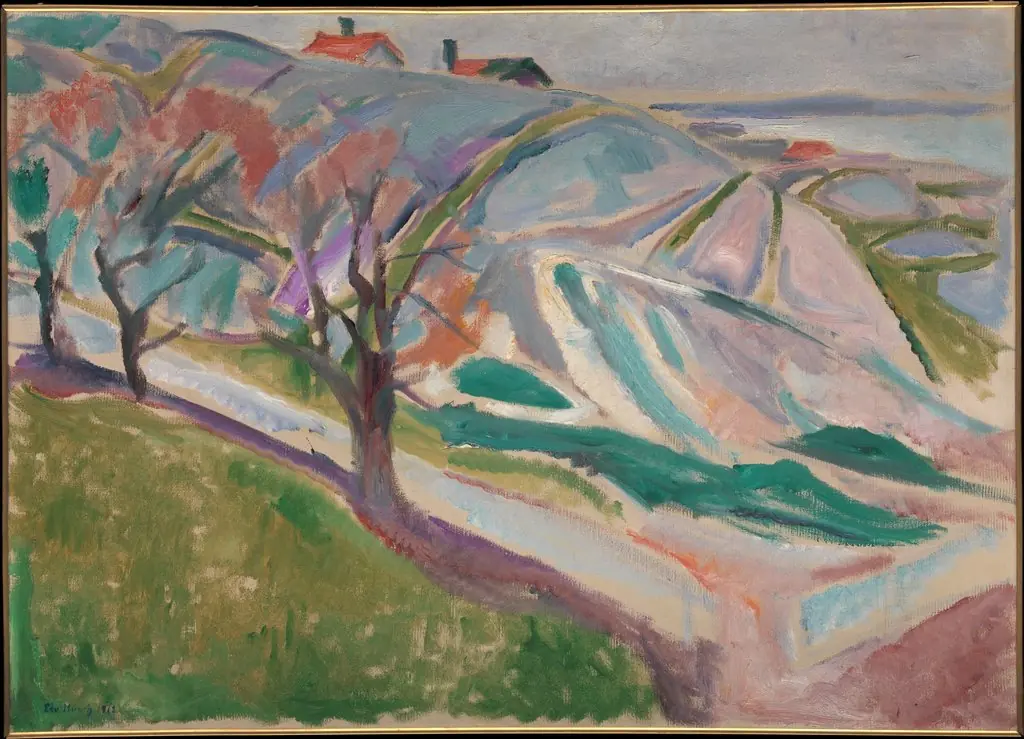
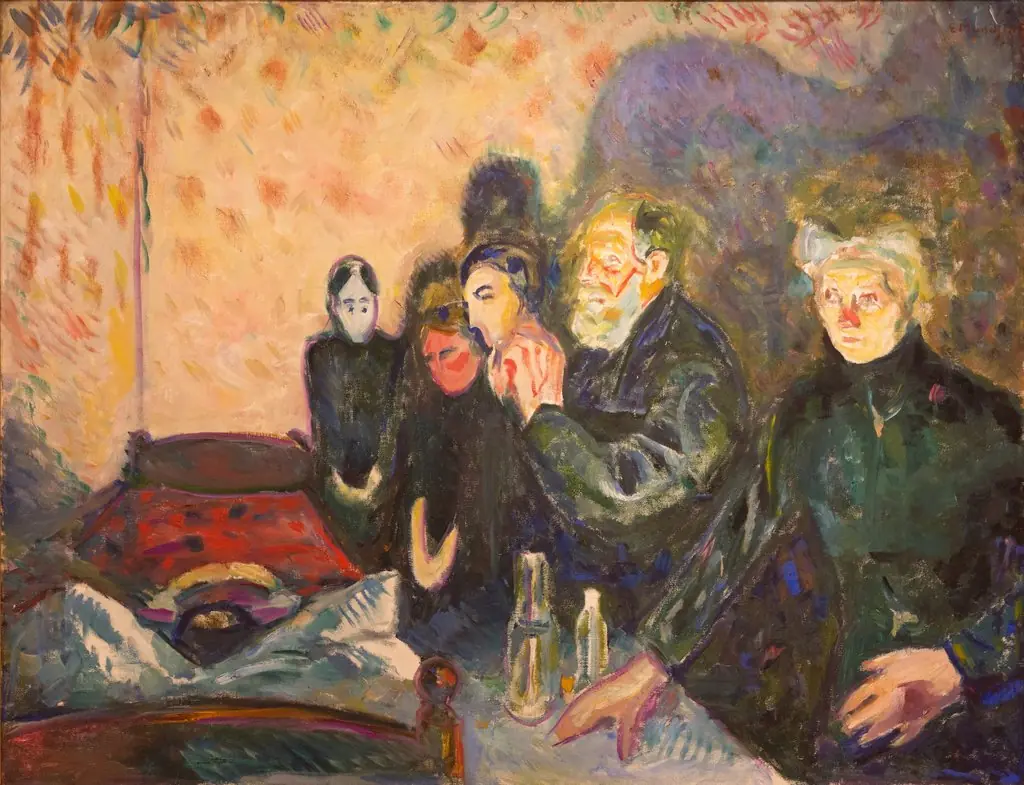
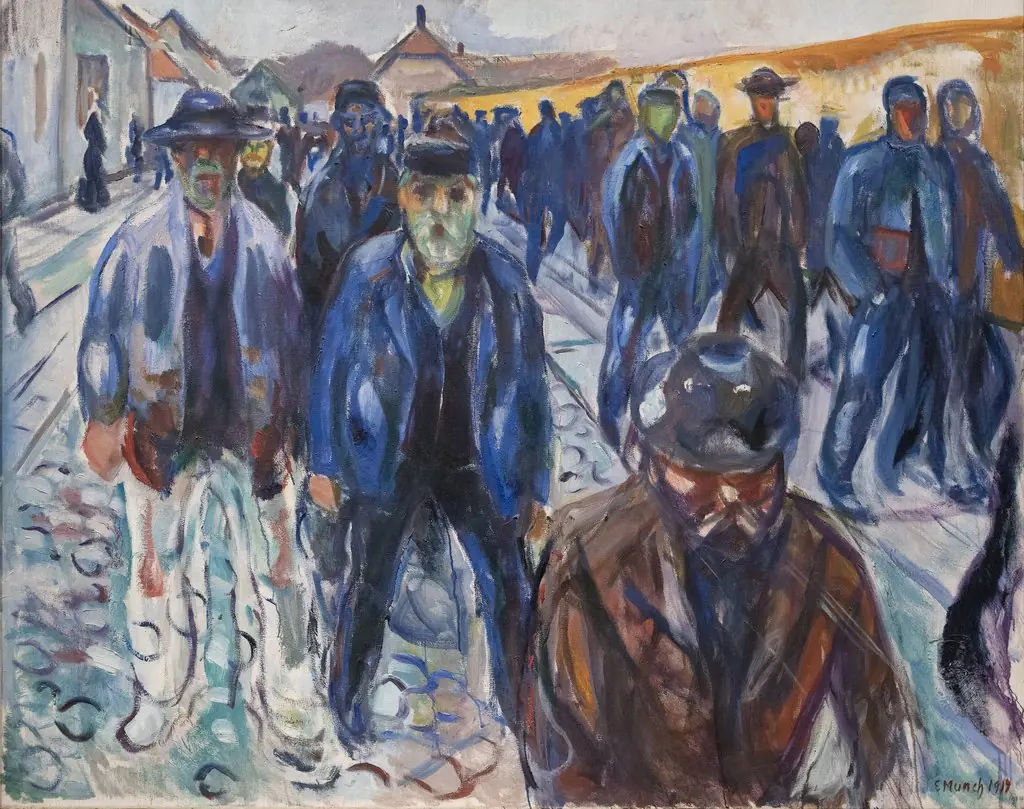
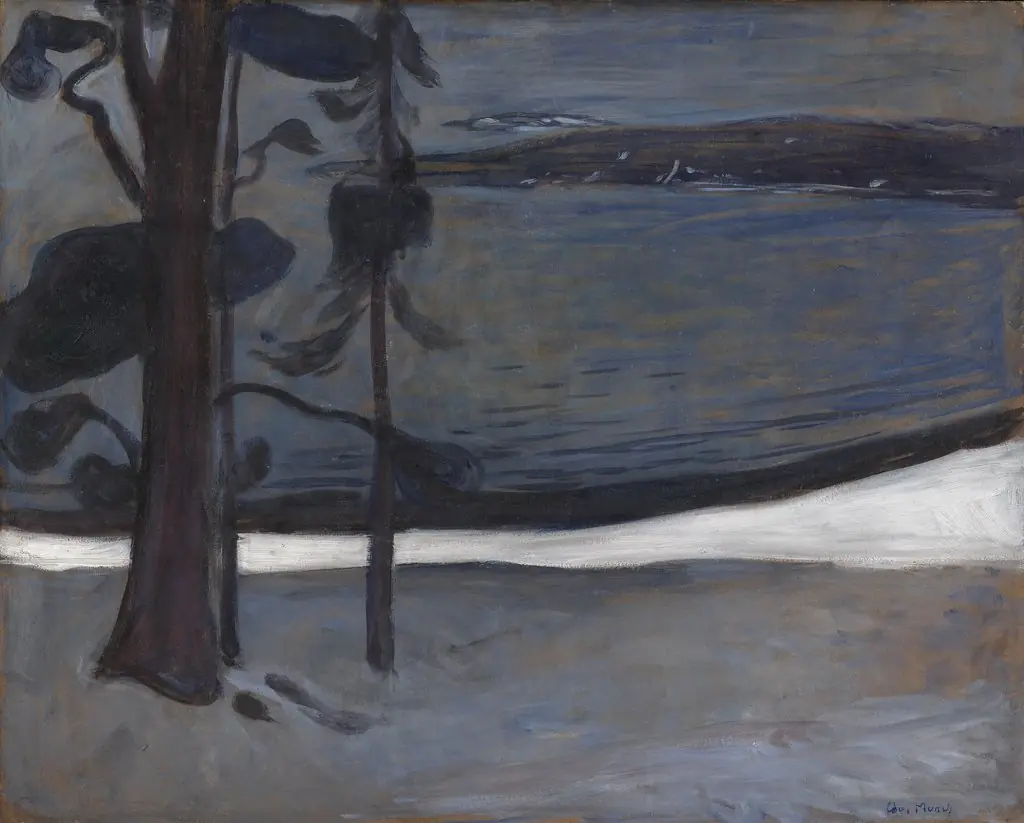
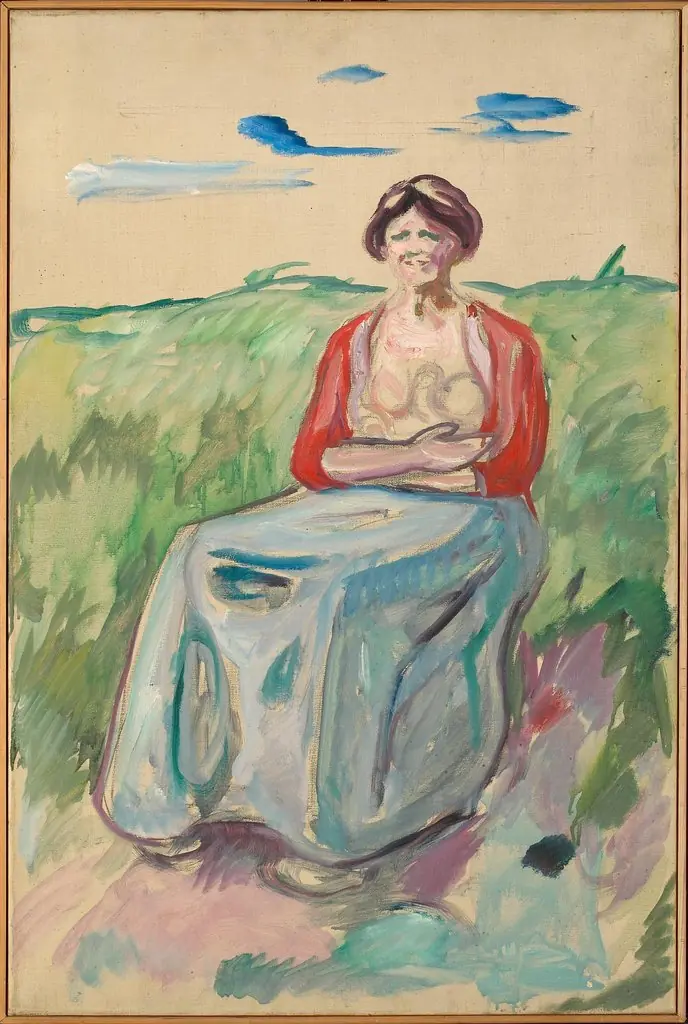
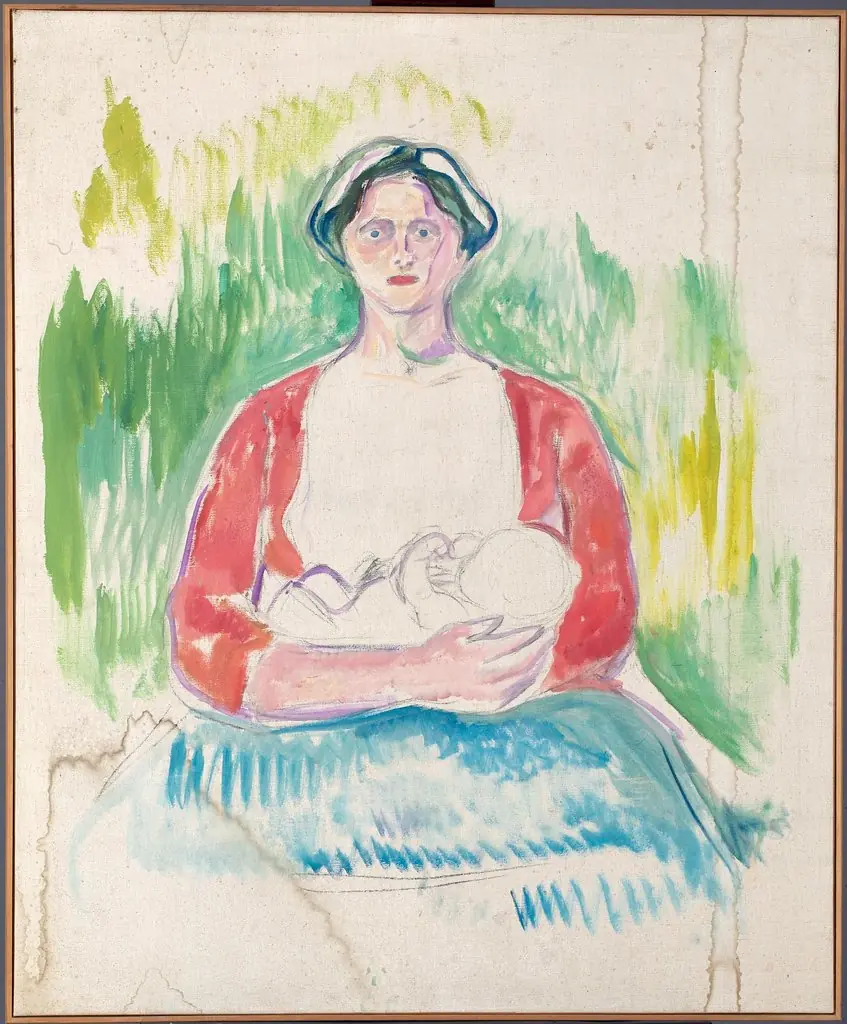
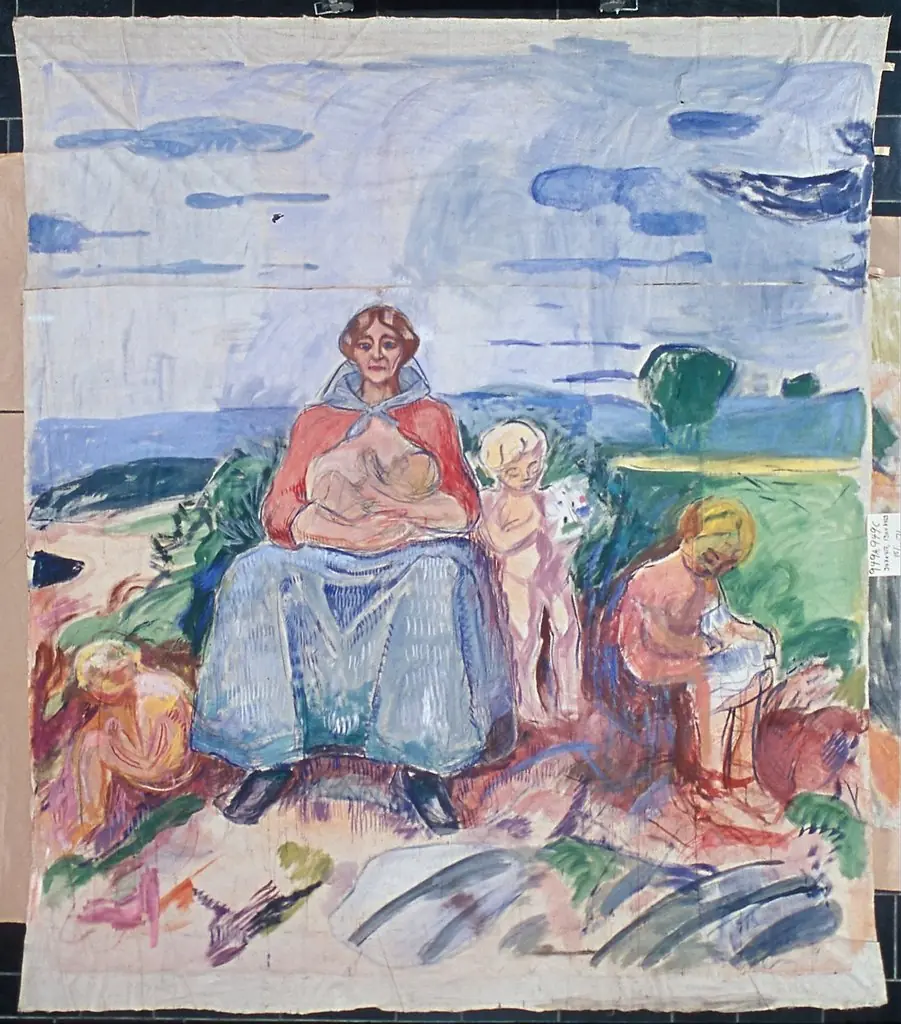
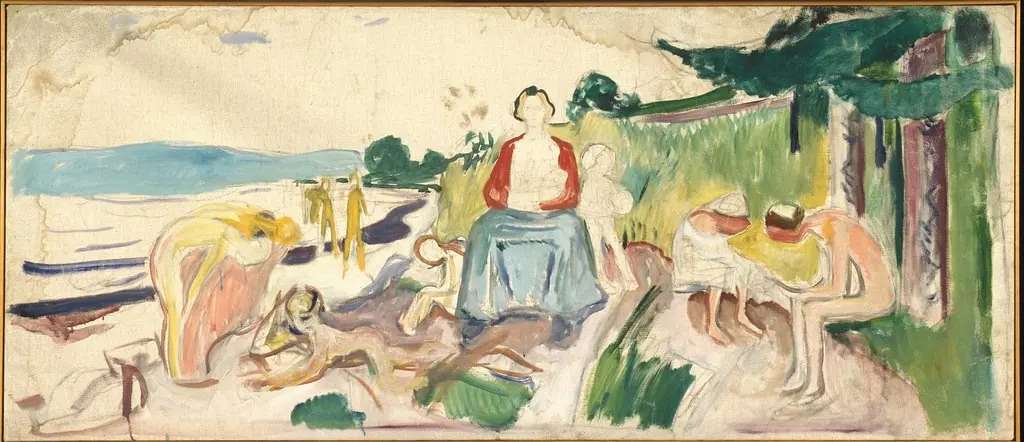
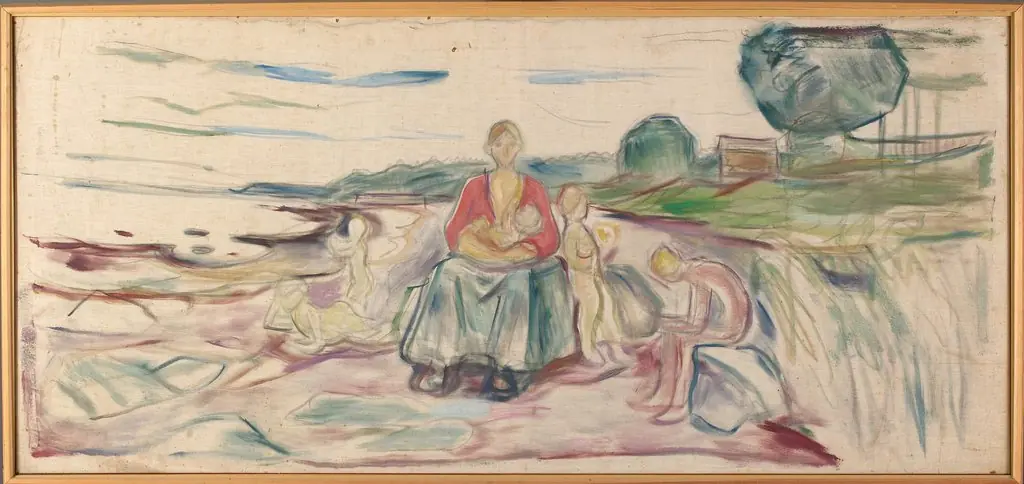
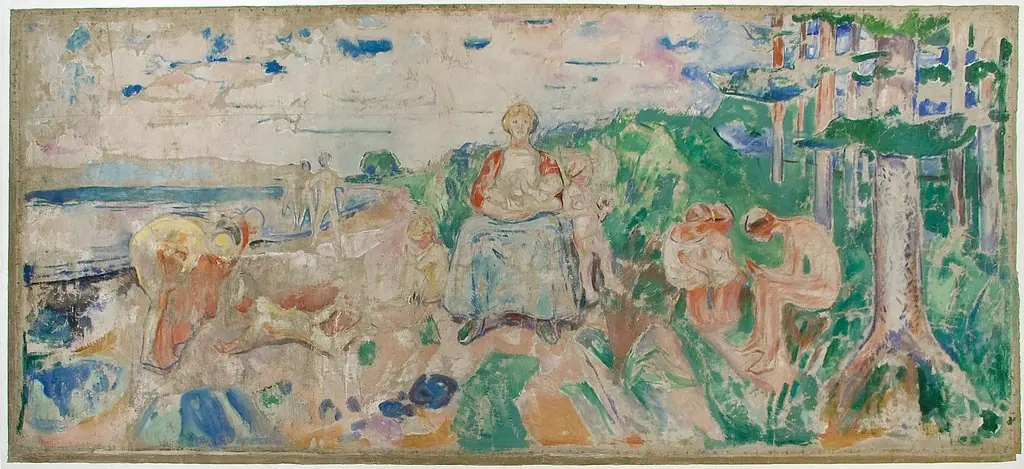
Alma Mater: Middle Part is an oil painting by the Post-Impressionist artist Edvard Munch. It dates from 1914 and is held in the collection of the Munch Museum.
About this work
Overview
Munch’s focus on inner states over external realism defines this piece, continuing his lifelong engagement with human emotion and existential quietude.
Created in 1914, *Alma Mater: Middle Part* is an oil painting by Norwegian artist Edvard Munch. It forms part of a larger thematic series exploring maternal themes. The work is held in the Munch Museum in Oslo, where it is preserved as a key example of his later period. Munch’s focus on inner states over external realism defines this piece, continuing his lifelong engagement with human emotion and existential quietude.
Subject & Meaning
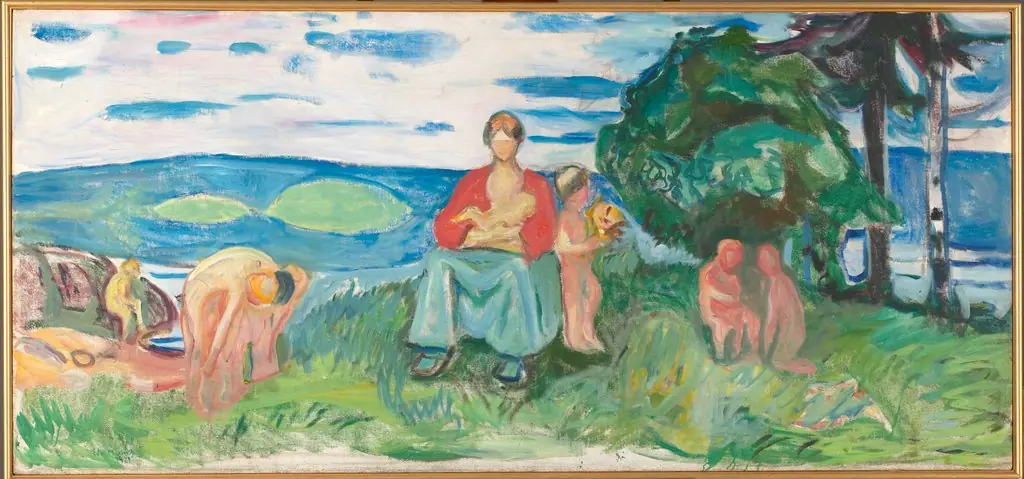
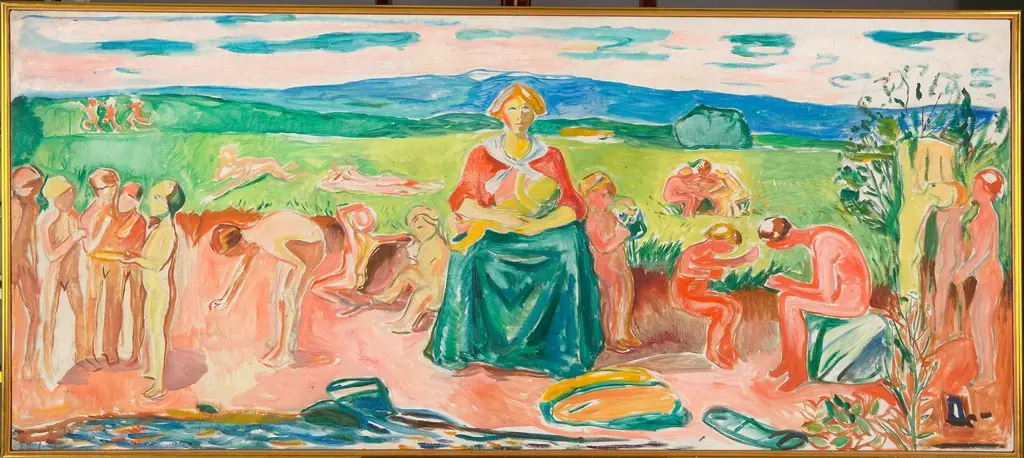
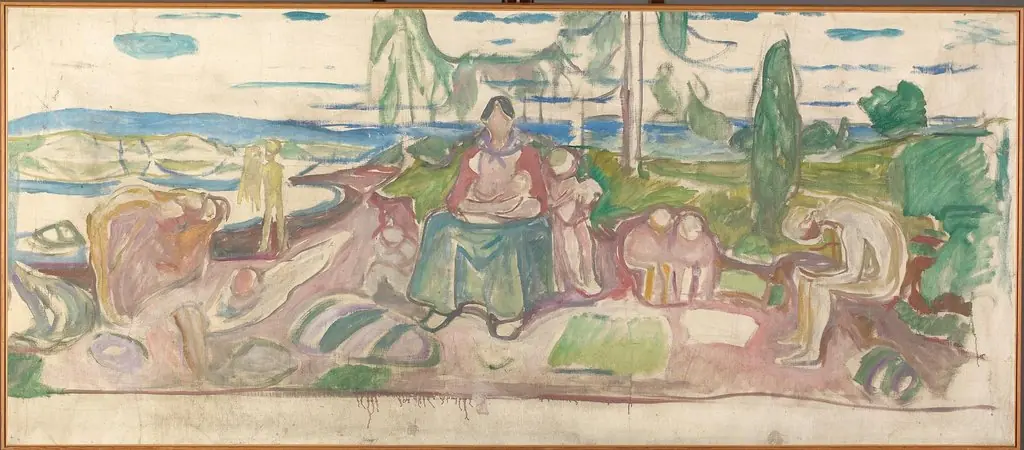
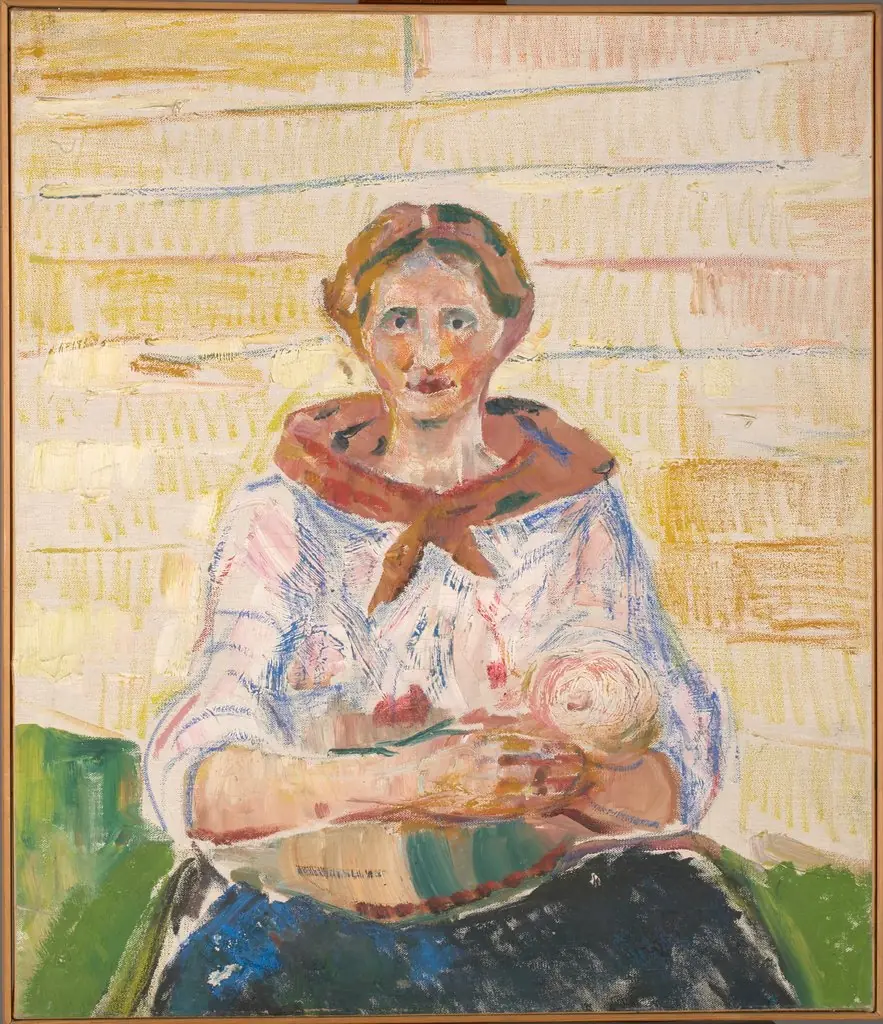
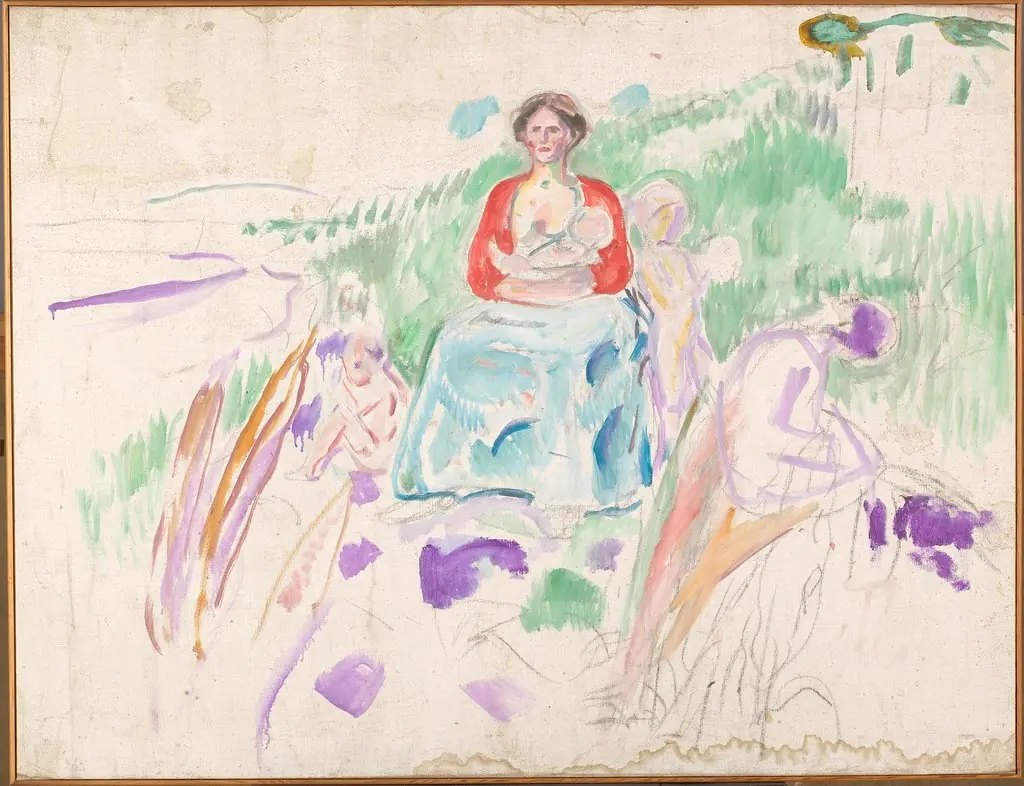
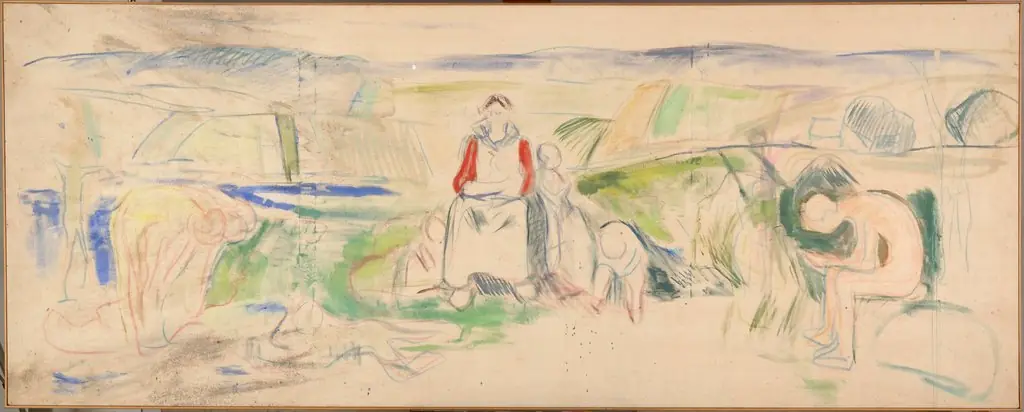
The painting depicts a woman seated outdoors, nursing her infant. Her composed demeanor and direct gaze suggest a contemplative stillness rather than overt sentimentality. The title, *Alma Mater*, evokes nurturing as a universal force, linking personal motherhood with broader notions of sustenance and origin. The absence of dramatic gesture or facial expression invites reflection on the quiet dignity of care, stripped of idealization.
Technique & Style
Munch employs soft, blended brushwork and a restrained palette of muted blues, reds, and earth tones to create a tranquil atmosphere. The forms are simplified, with minimal detail in the landscape and figures, emphasizing emotional resonance over naturalism. The flatness of the background and the deliberate placement of the figures reflect a move away from Impressionist light studies toward symbolic, interior-focused composition.
History & Provenance
Painted during Munch’s mature period, the work emerged after years of personal turmoil and artistic evolution. It was produced following his return to Norway and his increasing focus on domestic and spiritual themes. The painting entered the collection of the Munch Museum upon its founding, remaining part of the artist’s official legacy as documented by his estate and early curators.
Context
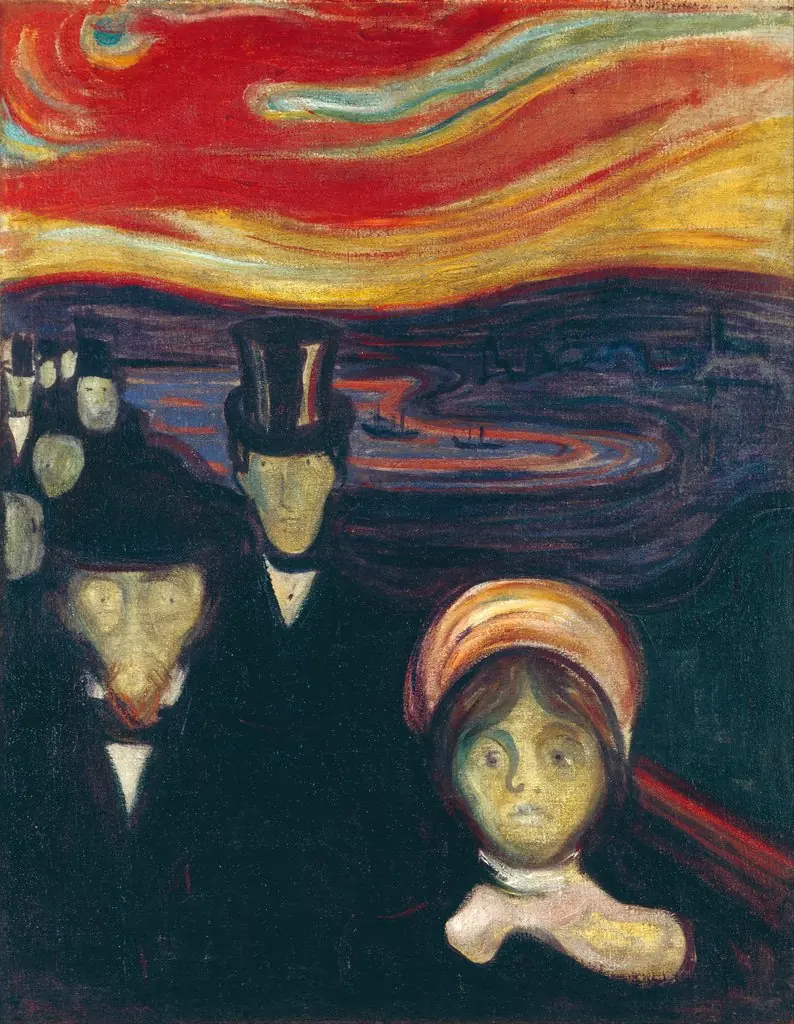
In the early 20th century, Munch moved beyond the angst of his earlier works like *The Scream* toward quieter, more reflective subjects. *Alma Mater: Middle Part* aligns with his interest in cycles of life, nature, and renewal. This shift coincided with broader European artistic trends that sought meaning in simplicity and the everyday, distancing from Symbolist excess while retaining psychological depth.
Legacy
The painting contributes to Munch’s enduring exploration of maternal imagery as a quiet, universal symbol. Unlike sentimentalized depictions common in his time, his version avoids narrative drama, instead offering a restrained meditation on presence and continuity. It remains a touchstone in discussions of modern Nordic art’s capacity to convey emotional gravity through understatement.
Artist & collection
Artist
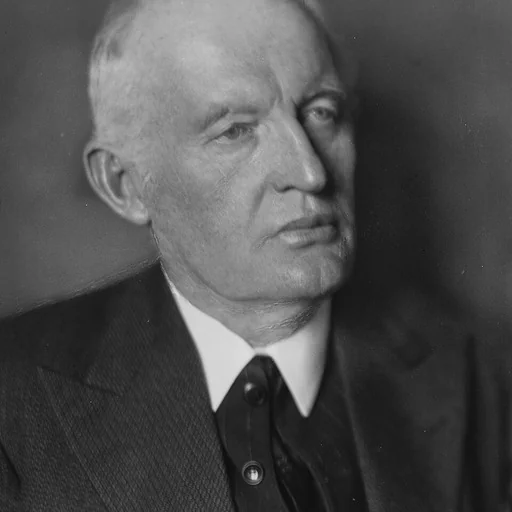
Edvard Munch ( MUUNK; Norwegian: ; 12 December 1863 – 23 January 1944) was a Norwegian painter.