Artwork
Fruit harvest
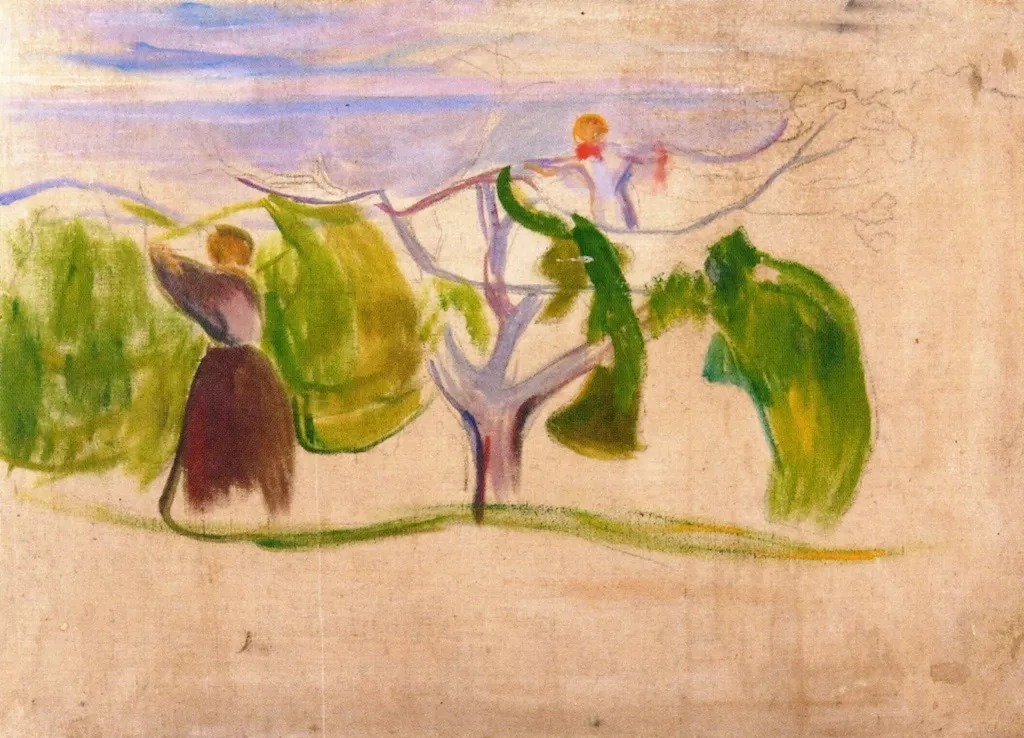
Fruit harvest is a tempera painting by the Post-Impressionist artist Edvard Munch. It dates from 1904 and is held in the collection of the Munch Museum.
About this work
Overview
Fruit harvest, a 1904 tempera painting by Norwegian artist Edvard Munch, captures a landscape scene of figures engaged in a field activity, set against a light sky with sparse, leafy trees.
Subject & Meaning
The painting depicts people in long, flowing clothing working together in a field, possibly harvesting fruit. The scene conveys a sense of communal human experience, characteristic of Munch’s exploration of emotional and psychological states.
Technique & Style
Executed in tempera, the work features loose, expressive brushstrokes, imparting a sense of movement and energy. This technique also lends a distinctive texture, highlighting Munch’s innovative application of the medium.
History & Provenance
Created during Munch’s post-impressionist period, the painting reflects his stylistic development, influenced by his training at the Royal School of Art and Design in Oslo. It is currently part of the Munch Museum’s collection.
Context
While the specific emotional depth characteristic of much of Munch’s work is not immediately overt in *Fruit harvest*, the piece situates itself within his broader themes of depicting everyday life as a vehicle for exploring human experience.
Legacy
As part of Munch’s oeuvre, *Fruit harvest* contributes to the understanding of his post-impressionist contributions and his experimentation with tempera, though it may not be as prominently recognized as some of his other works exploring deeper psychological themes.
Artist & collection
Artist
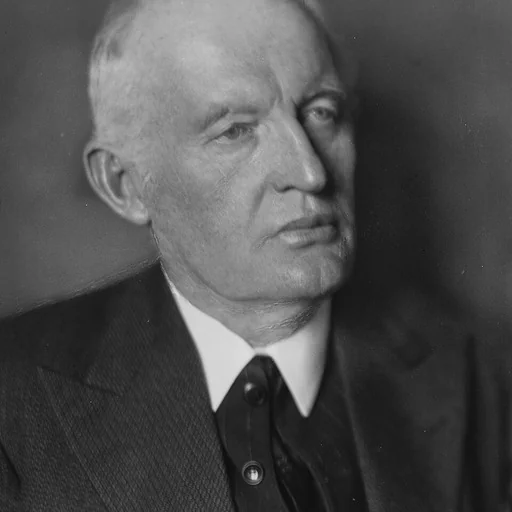
Edvard Munch ( MUUNK; Norwegian: ; 12 December 1863 – 23 January 1944) was a Norwegian painter.

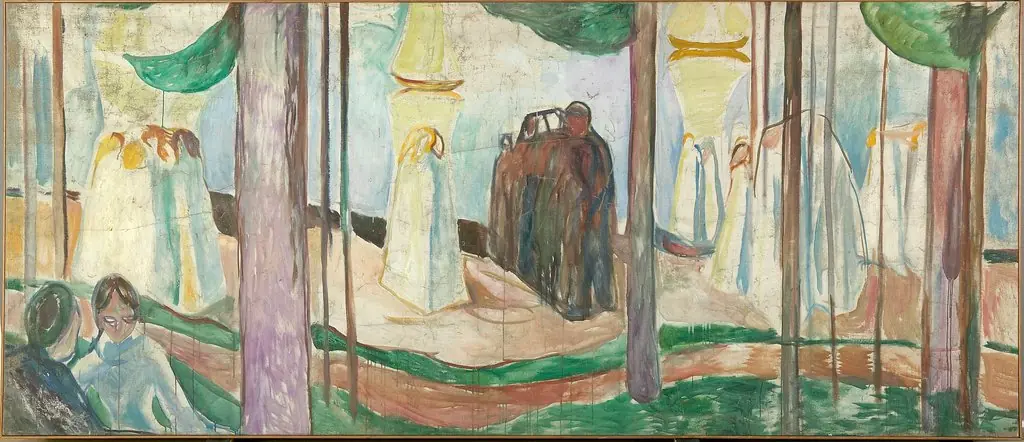 Meeting on the Beach
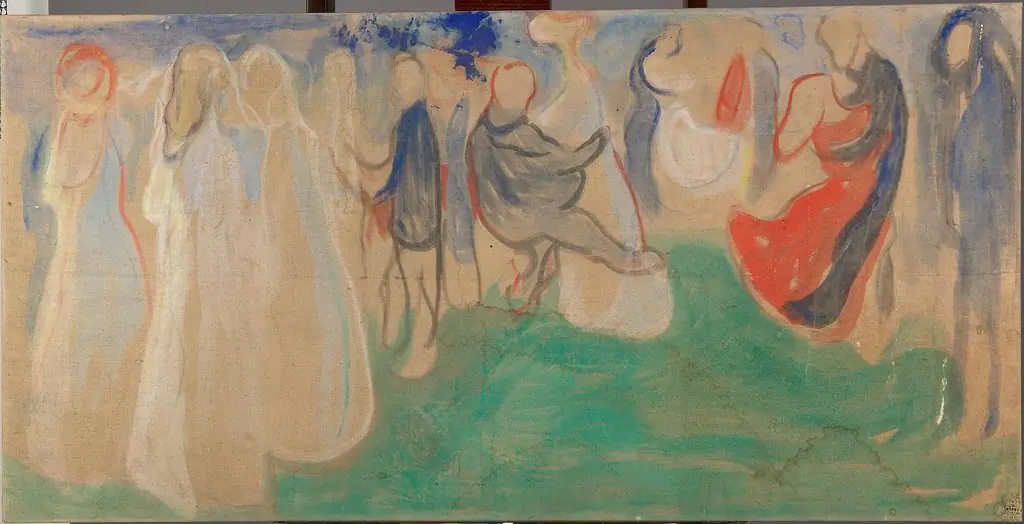 Dance
Dance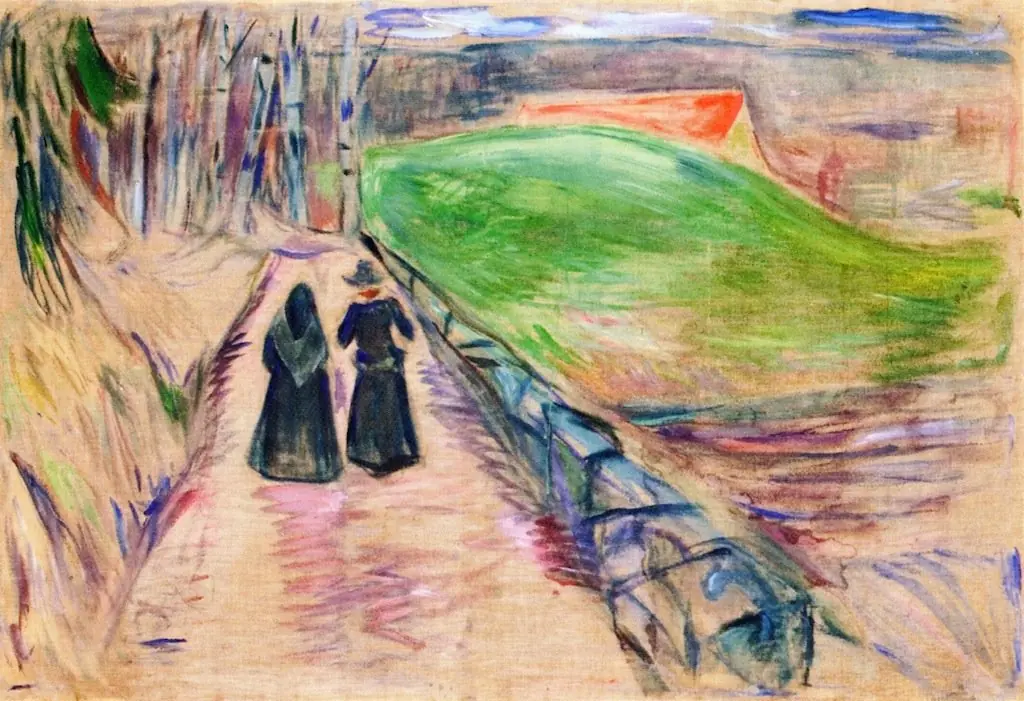 Two Women on the Road
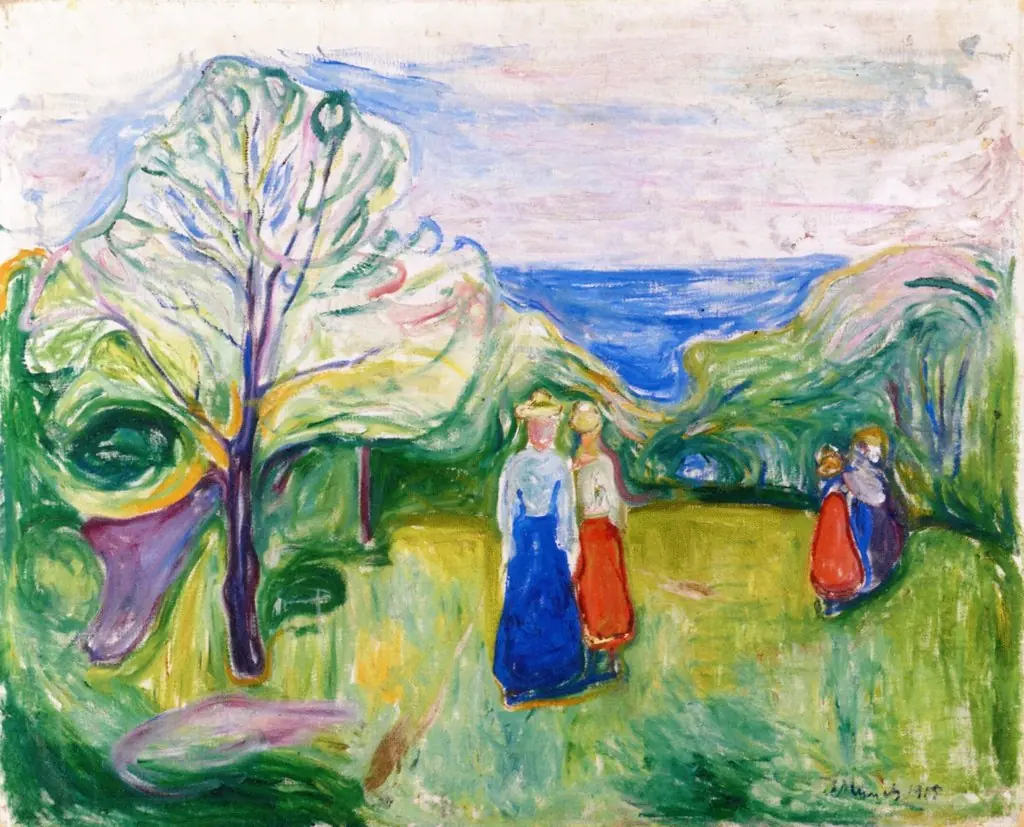 Cherry Tree in Blossom and Young Girls in the Garden
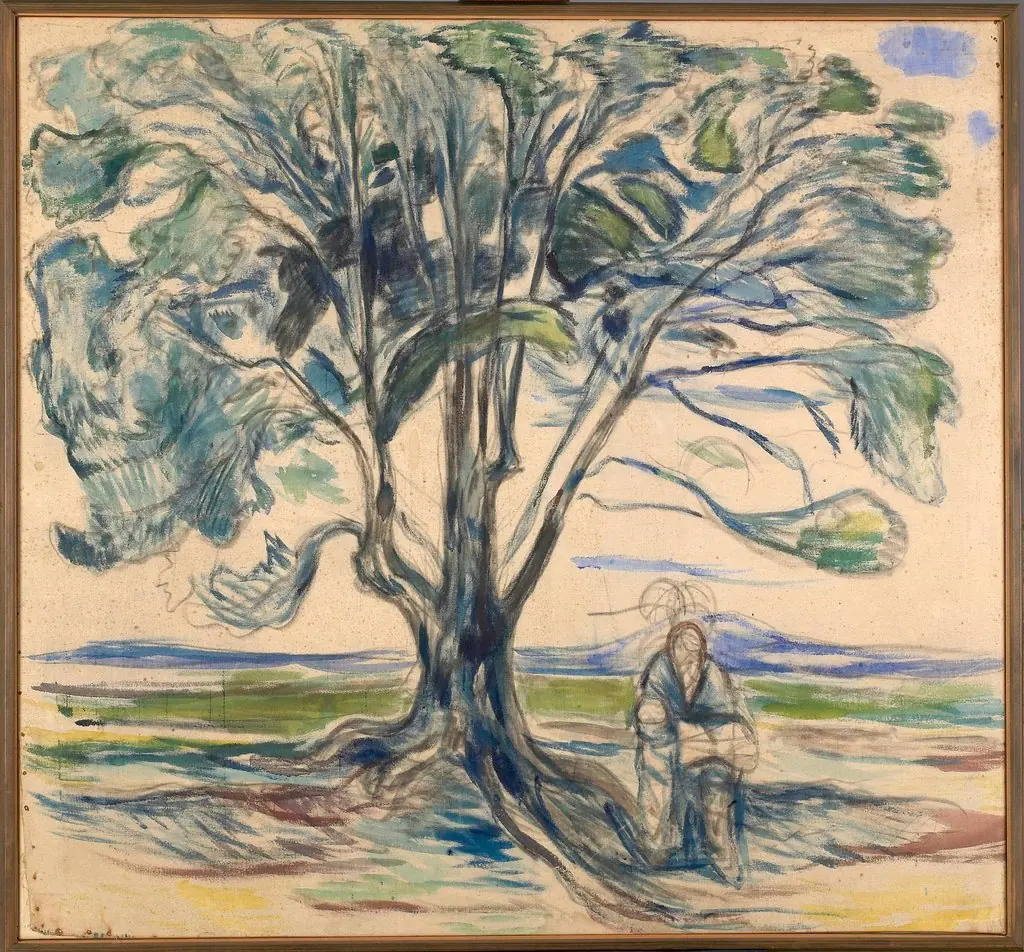 Old Man Sitting under a Tree
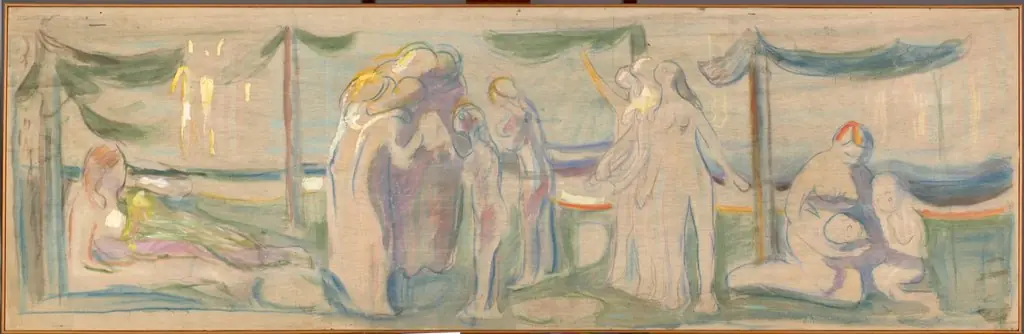 Nude Figures on the Beach
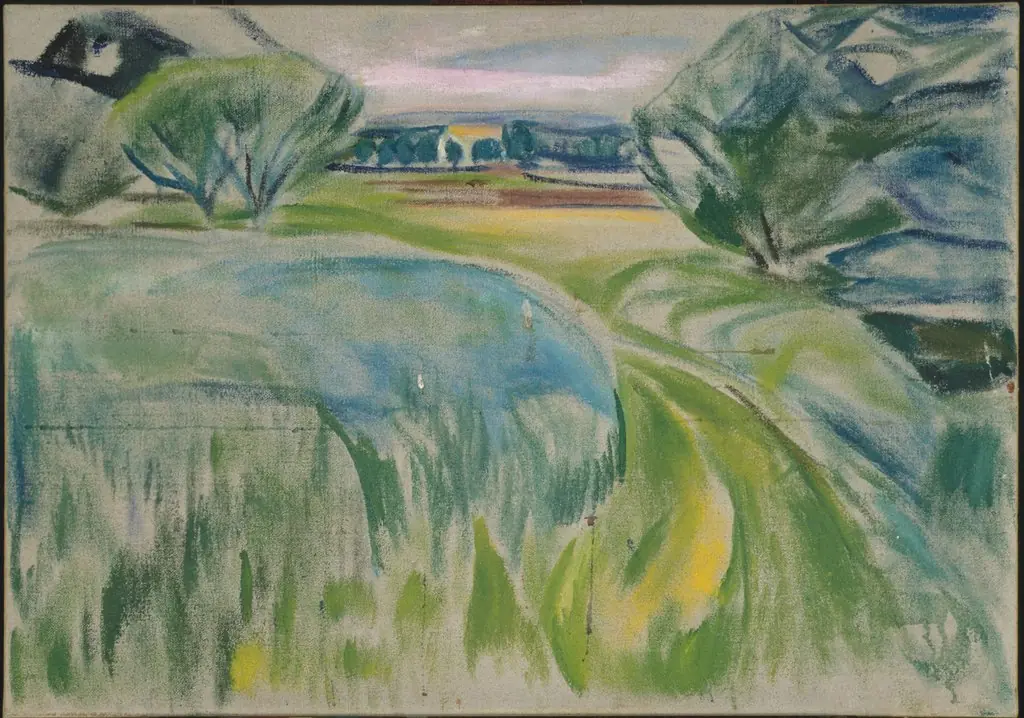 Landscape with Green Fields
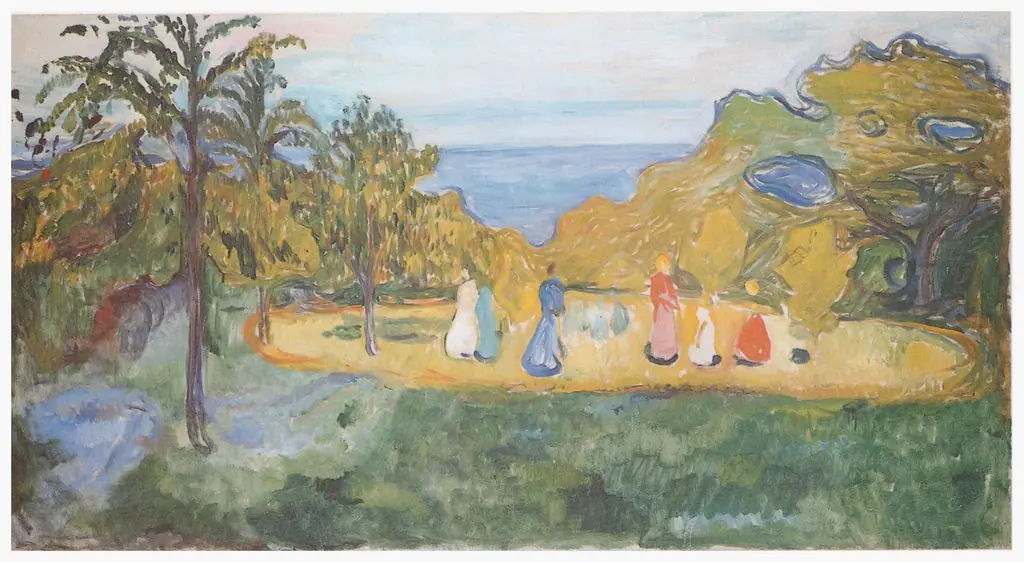 Summer in the Park (The Linde Frieze)
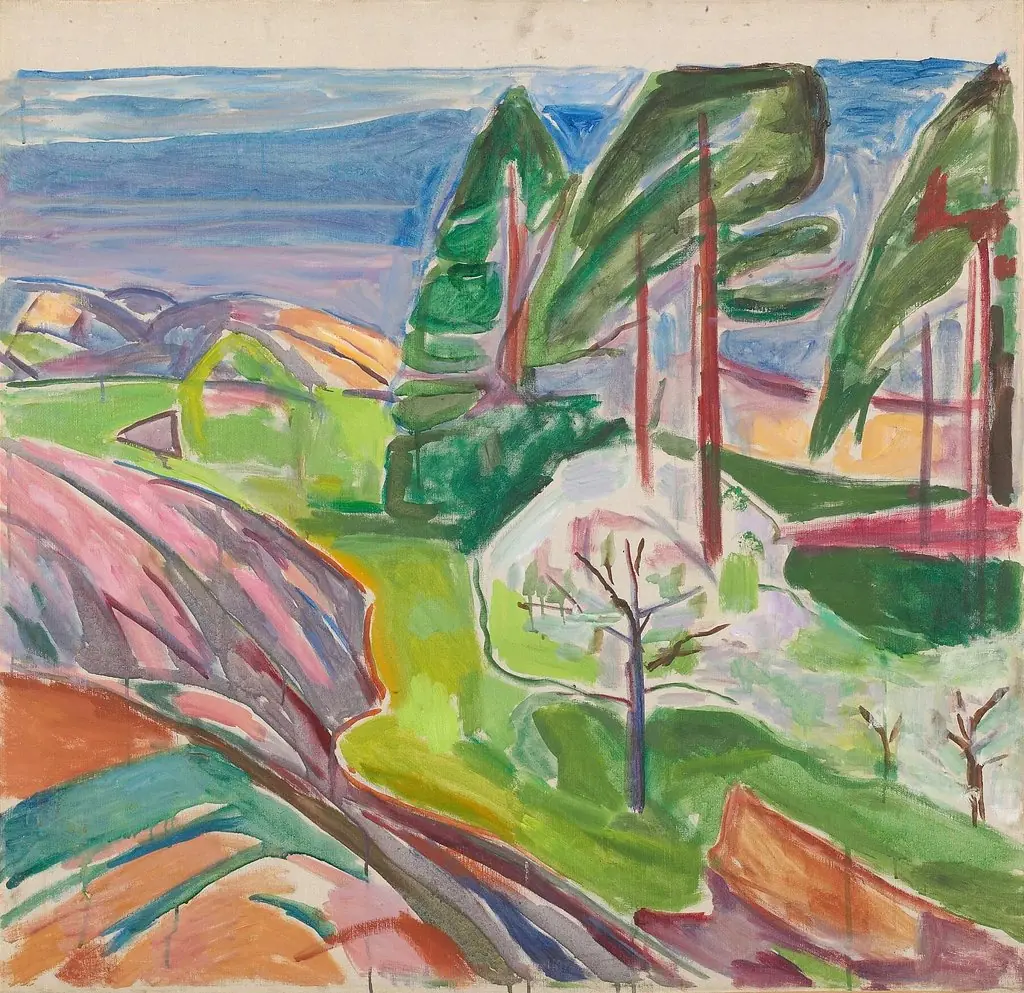 Pine Trees and Fruit Trees in Blossom
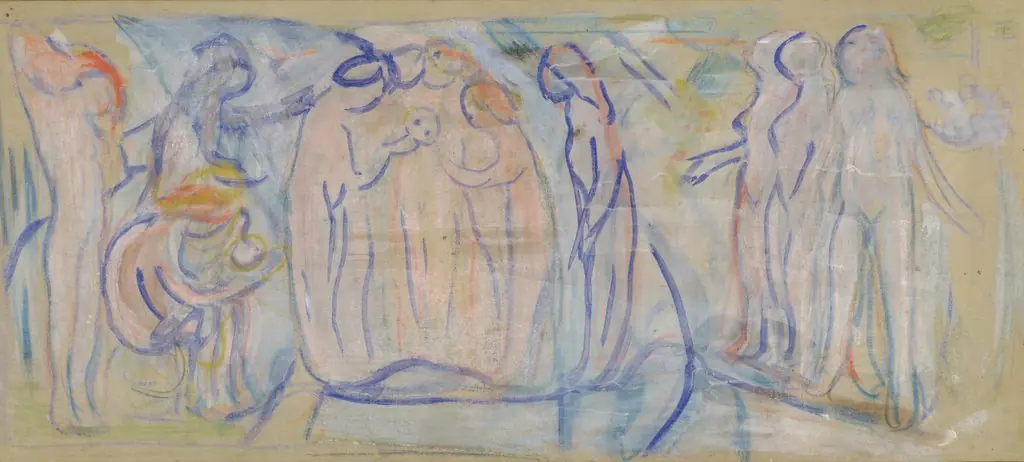 Naked Figures
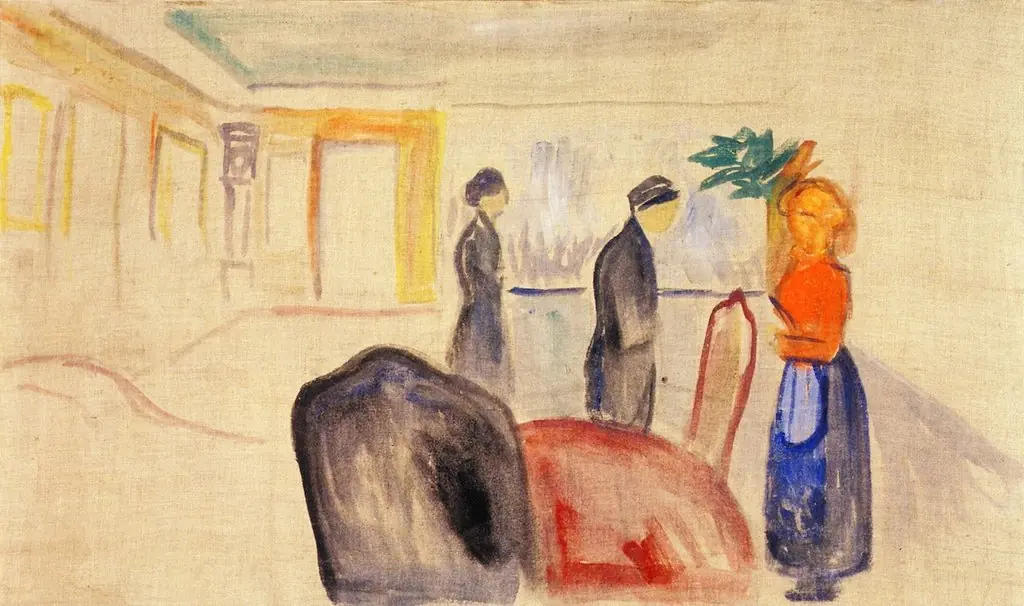 Set Design for Henrik Ibsen's "Ghosts"
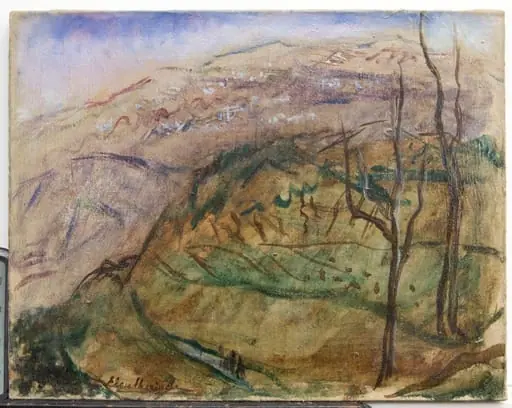 Vilele de vară de la Alma - Ata