Artwork
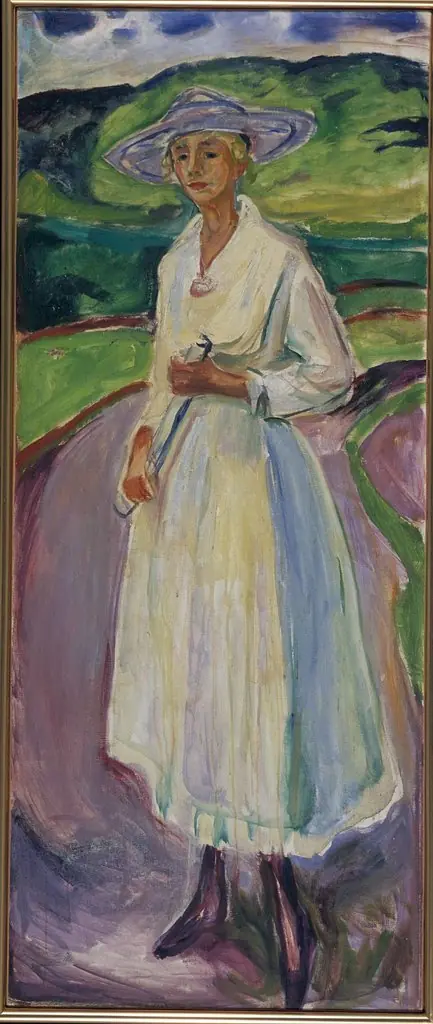
Inger in a White Blouse
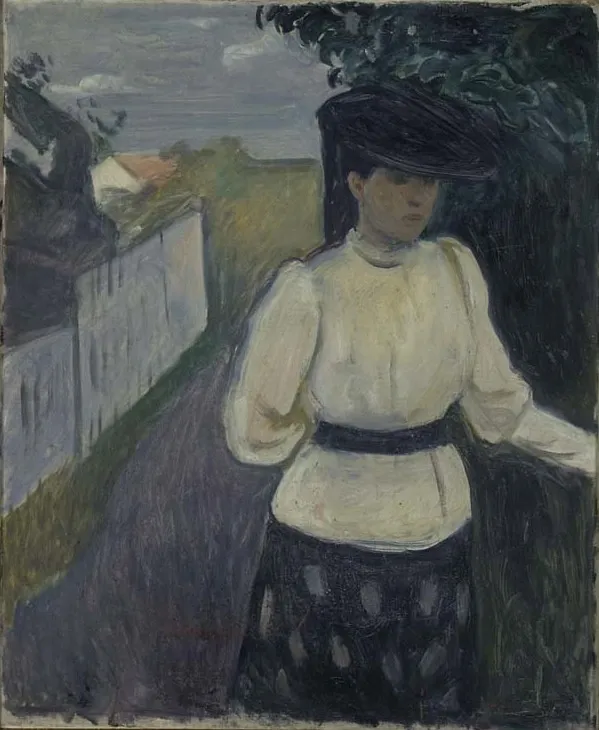
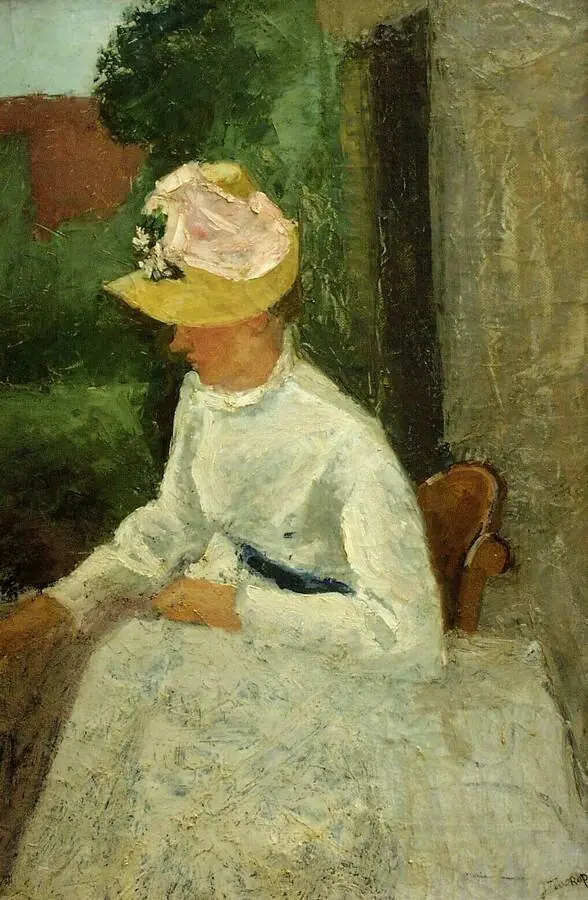
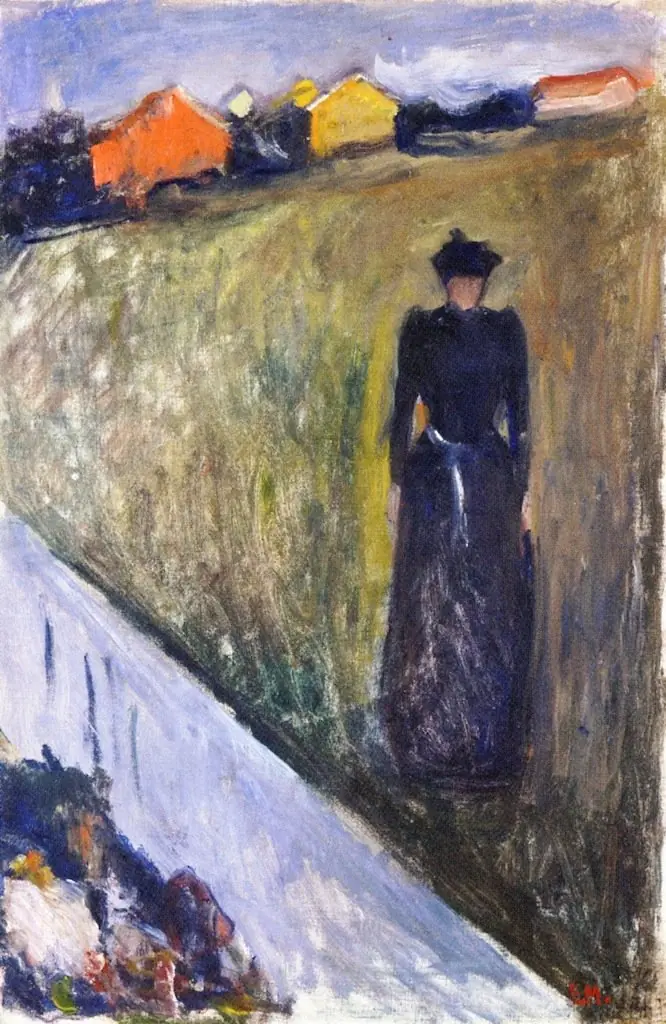
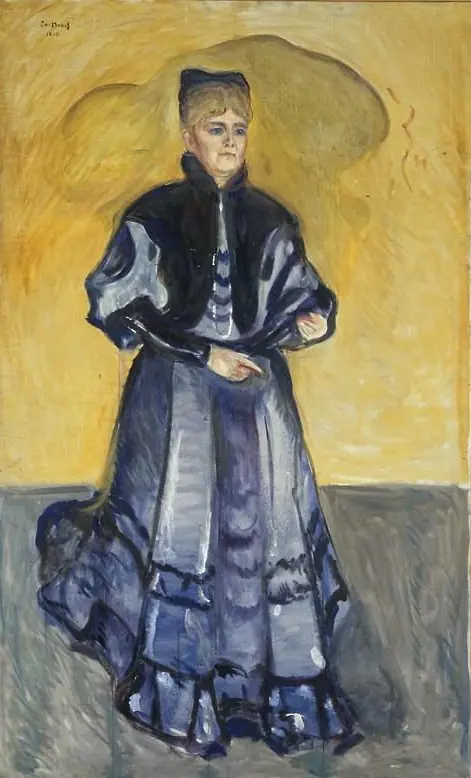
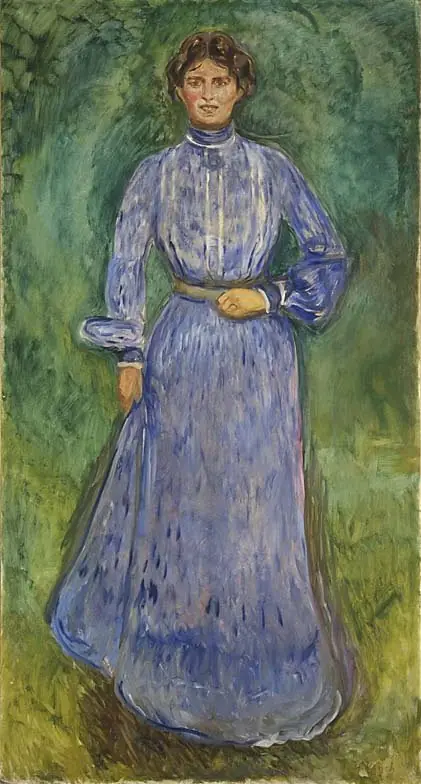
Inger in a White Blouse is an oil painting by the Post-Impressionist artist Edvard Munch. It dates from 1896 and is held in the collection of the Munch Museum.
About this work
Overview
Painted in 1896 by Edvard Munch, this oil on canvas portrays his sister Inger standing before a white fence in a quiet rural setting.
Painted in 1896 by Edvard Munch, this oil on canvas portrays his sister Inger standing before a white fence in a quiet rural setting. The work belongs to a phase in Munch’s career where personal emotion shaped his visual language. Though formally rooted in post-impressionist conventions, the painting diverges through its subdued palette and psychological tension, reflecting the artist’s preoccupation with inner states over external realism.
Subject & Meaning
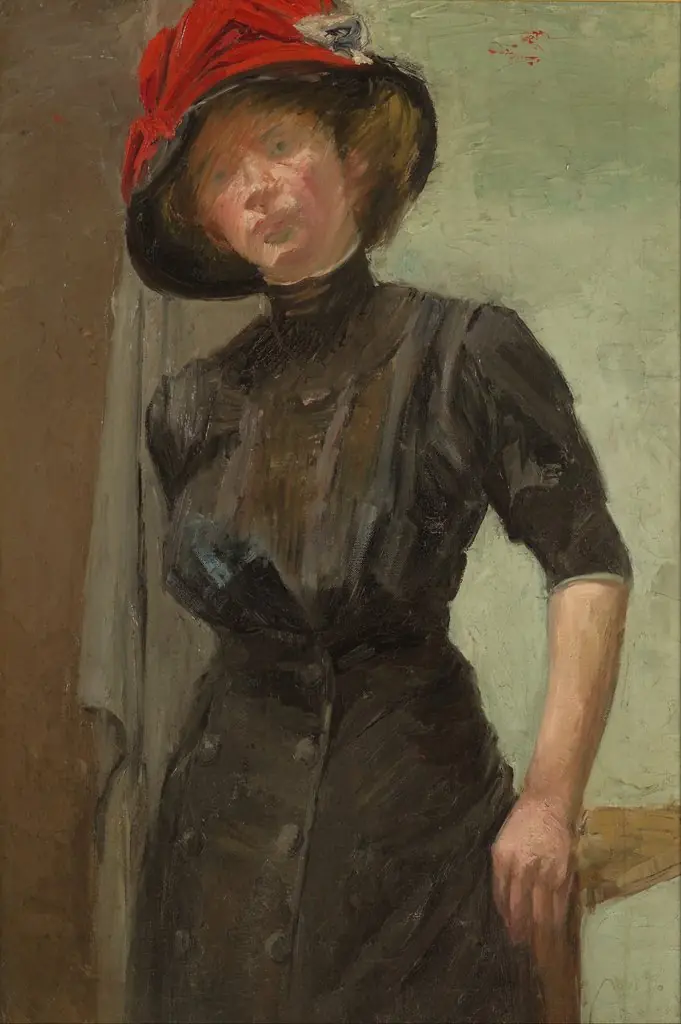
Inger, Munch’s younger sister, is depicted in quiet solitude, her gaze lowered and face softened into indistinctness. The white blouse and black hat create a stark contrast, emphasizing her isolation within the landscape. The blurred features and stillness suggest introspection or emotional withdrawal, themes recurrent in Munch’s work following the deaths of close family members. The painting conveys absence as much as presence, turning a simple portrait into a meditation on loss.
Technique & Style
Munch employs loose, economical brushwork to suggest form rather than define it. The white blouse and fence merge into the pale background, blurring boundaries between figure and environment. The gray sky and green trees are rendered with muted tones, avoiding decorative detail. Facial features are deliberately indistinct, prioritizing mood over likeness. This approach aligns with his rejection of academic naturalism in favor of expressive, emotionally charged composition.
History & Provenance
Created during Munch’s time in Kristiania, the painting remained within the artist’s personal collection until his death in 1944. Following his will, the majority of his works, including this one, were transferred to the Munch Museum in Oslo, established to preserve his legacy. The painting has been consistently exhibited as part of the museum’s core holdings, reflecting its significance in understanding Munch’s familial and emotional themes.
Context
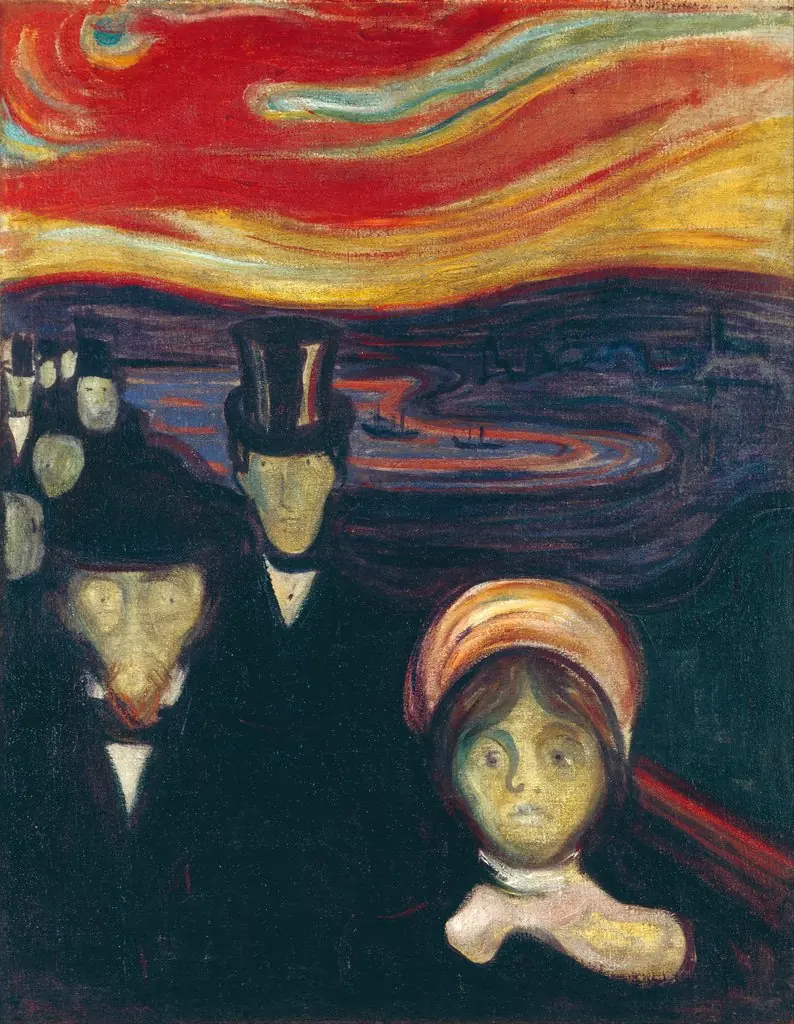
In the mid-1890s, Munch was deeply engaged with Symbolist ideas and the psychological dimensions of human experience. His circle included writers and artists exploring themes of anxiety, mortality, and alienation. *Inger in a White Blouse* emerged alongside other works like *The Scream*, sharing a visual language of emotional resonance over narrative clarity. The painting reflects a broader European shift away from realism toward interiority in art.
Legacy
The painting endures as a quiet but potent example of Munch’s ability to transform personal observation into universal emotional expression. It influenced later generations of Nordic artists who sought to convey psychological depth through restrained form and color. While less famous than his more dramatic works, it remains a key reference for understanding the intimate, recurring motifs in his oeuvre.
Artist & collection
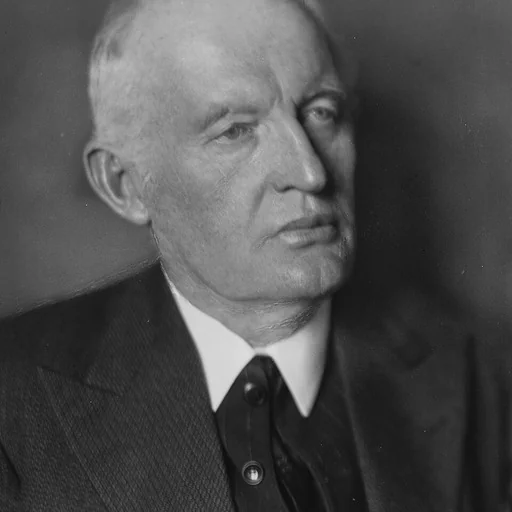
Artist
Edvard Munch ( MUUNK; Norwegian: ; 12 December 1863 – 23 January 1944) was a Norwegian painter.