Artwork
Woman in Evening Landscape
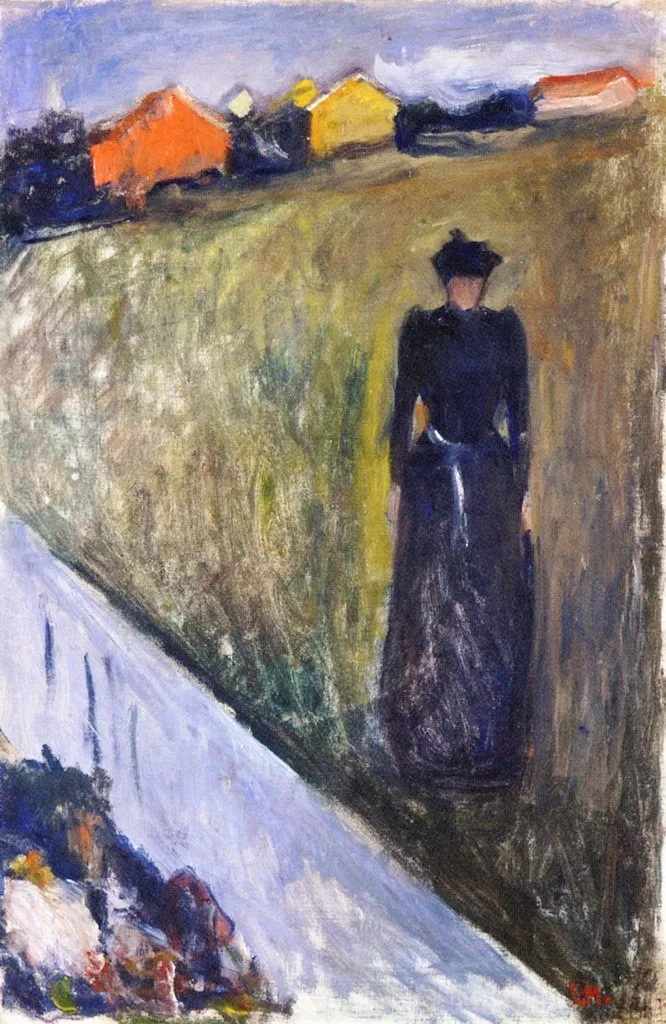
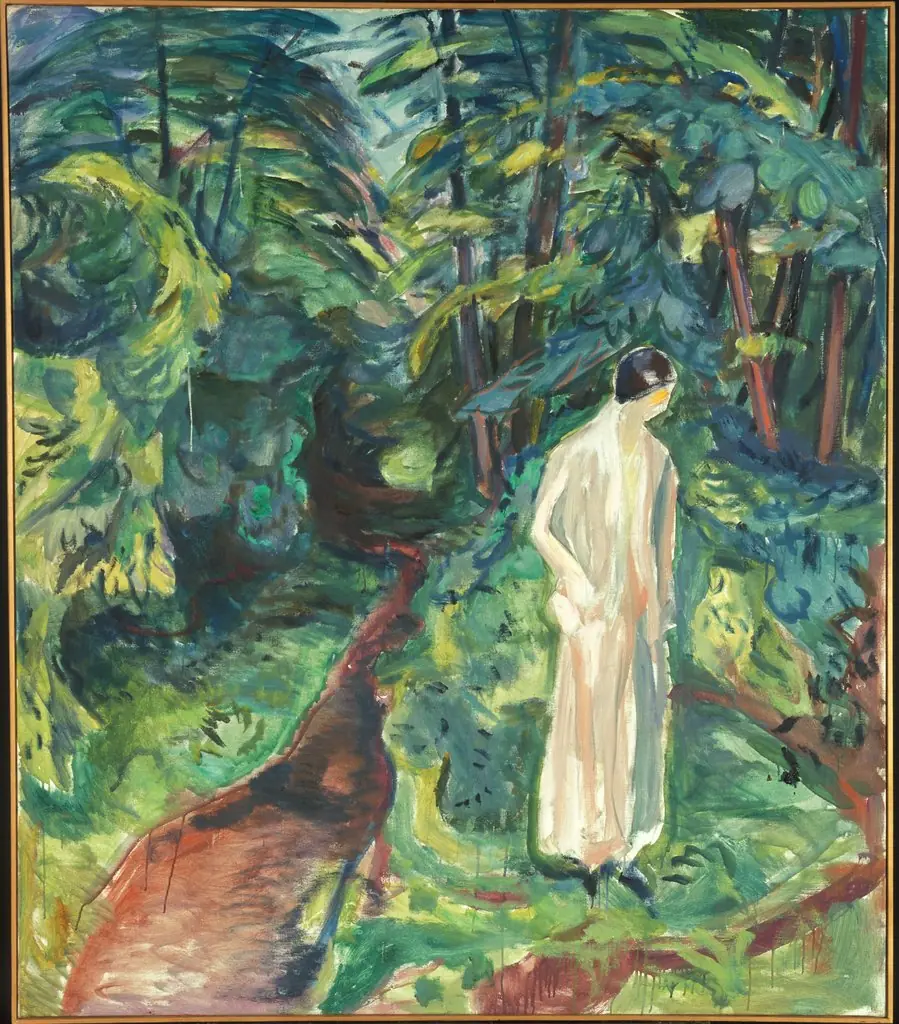
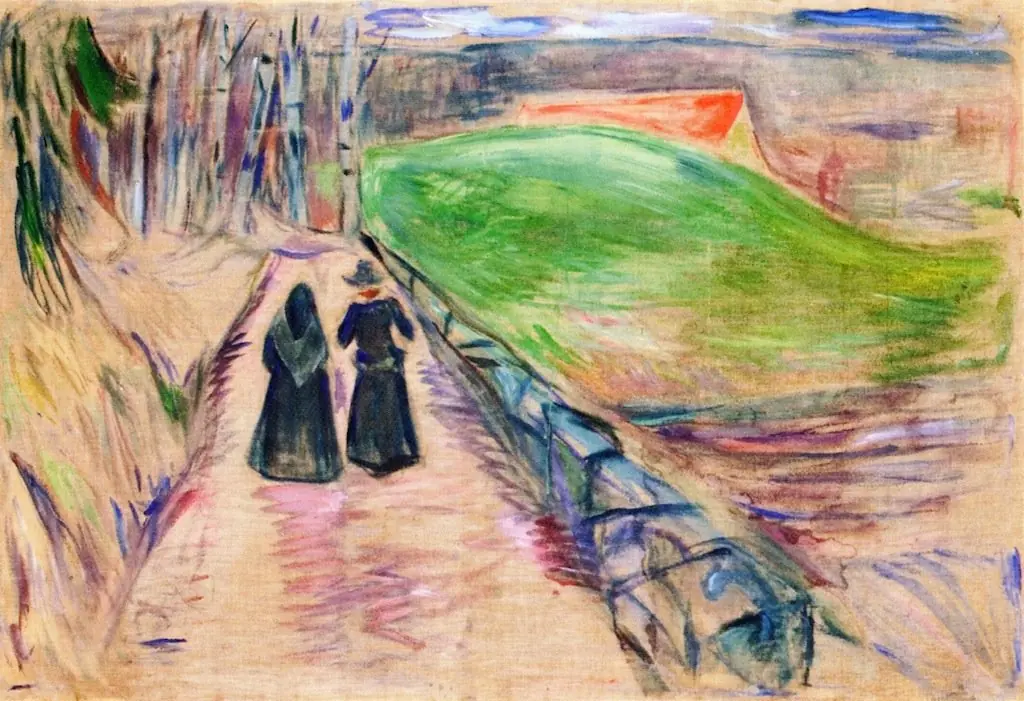
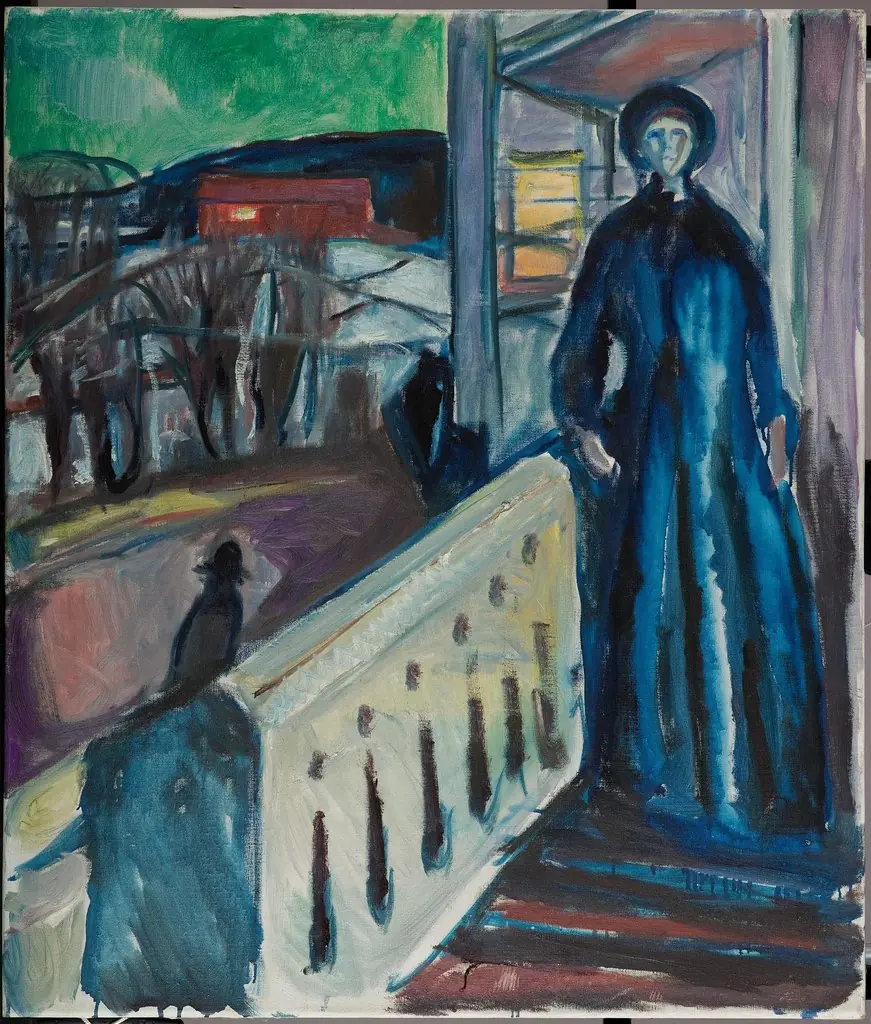
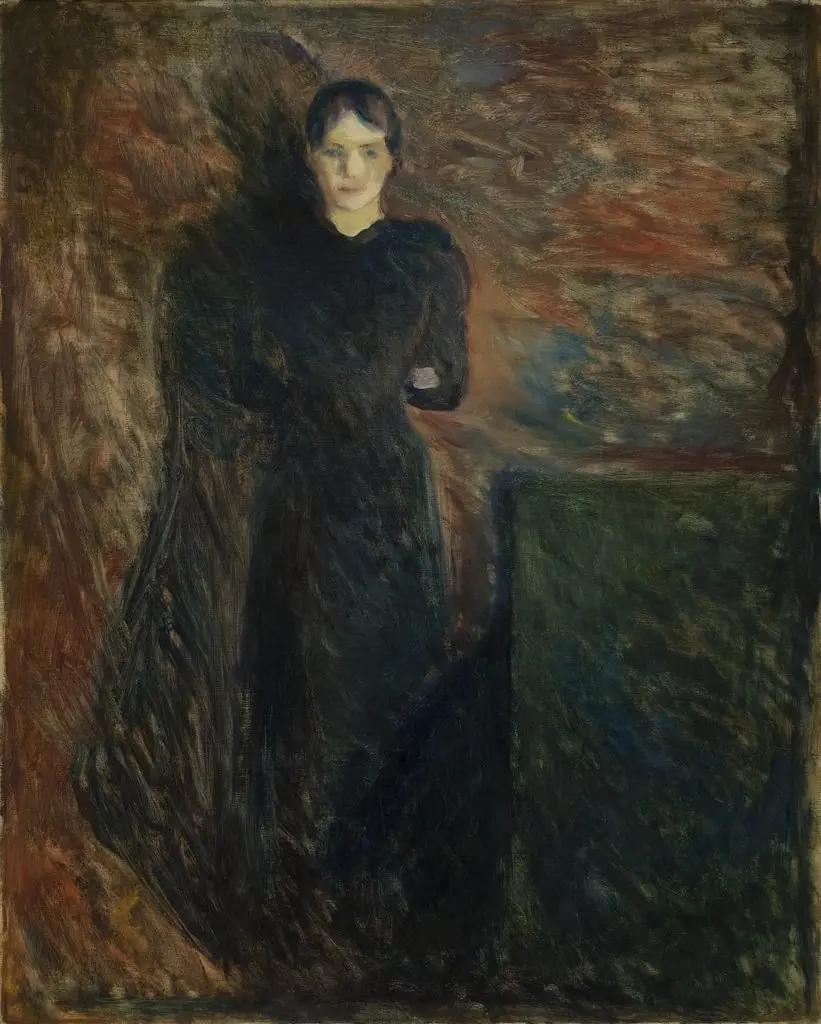
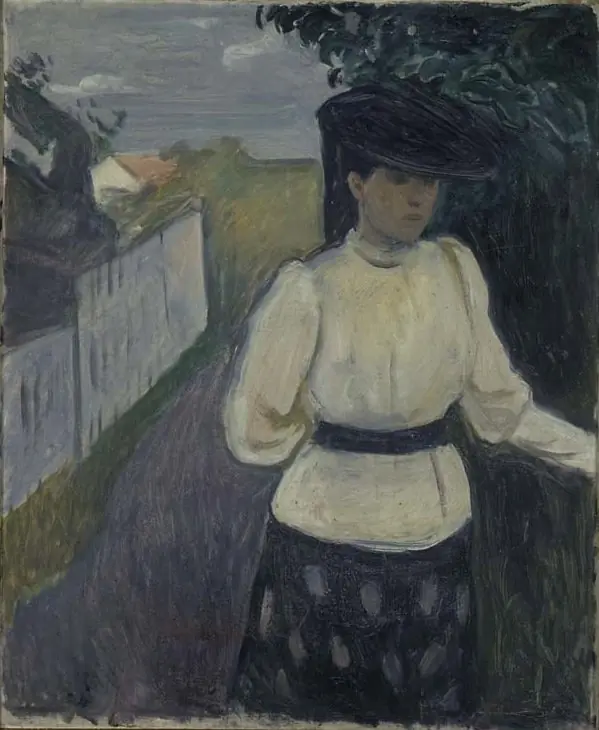
Woman in Evening Landscape is an oil painting by the Post-Impressionist artist Edvard Munch. It dates from 1896 and is held in the collection of the Munch Museum.
About this work
Overview
Painted in 1896, *Woman in Evening Landscape* is an oil work by Norwegian artist Edvard Munch, capturing a solitary figure in a quiet, twilight setting.
Painted in 1896, *Woman in Evening Landscape* is an oil work by Norwegian artist Edvard Munch, capturing a solitary figure in a quiet, twilight setting. The piece reflects his interest in mood and atmosphere over narrative detail, aligning with broader post-impressionist tendencies to prioritize emotional resonance over realistic depiction. It resides today in the Munch Museum, Oslo, as part of a body of work deeply tied to his personal and artistic evolution.
Subject & Meaning
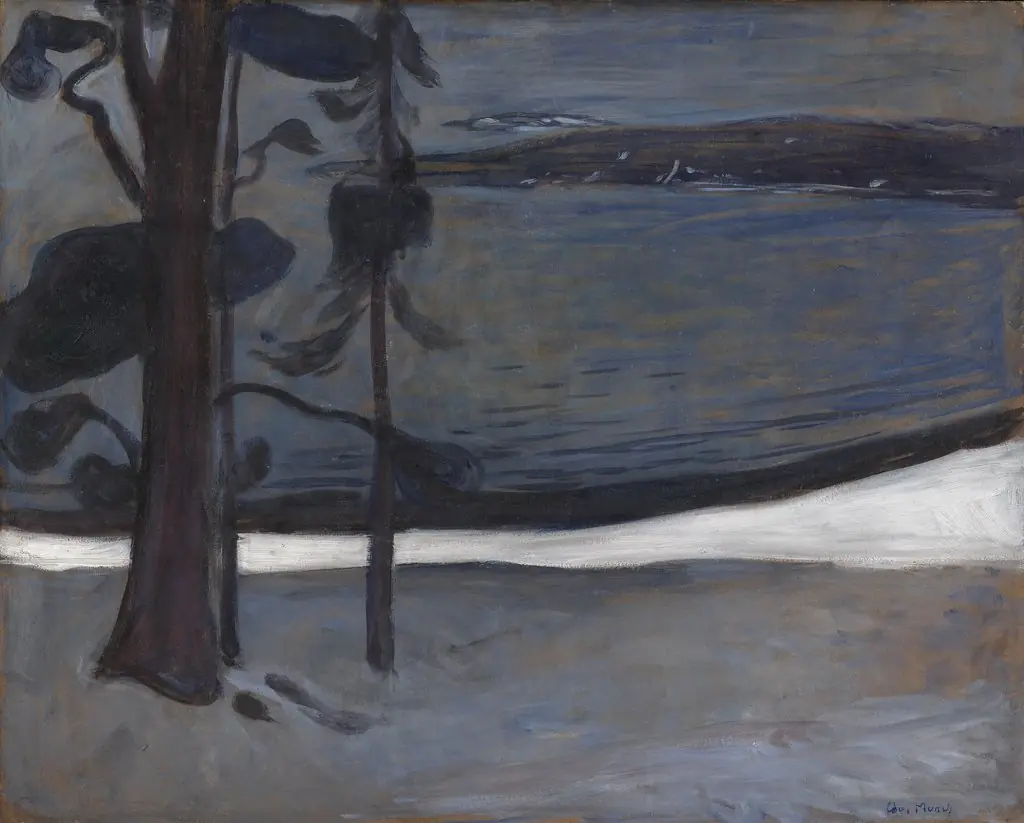
A woman in a dark, long dress and hat stands with her back turned, facing a path that leads toward distant houses. Her isolation and the fading light suggest introspection or emotional distance. The absence of facial features and the subdued environment invite contemplation rather than identification, reinforcing Munch’s recurring themes of solitude and the human condition within nature.
Technique & Style
Munch employed loose, expressive brushwork and thick applications of paint to convey atmosphere rather than precision. The muted palette of blues, greens, and earth tones evokes the quiet transition from day to night. Impasto techniques lend texture to the landscape, while the lack of sharp detail blurs boundaries between figure and surroundings, enhancing the painting’s emotional ambiguity.
History & Provenance
Created during Munch’s mature period, the painting emerged from his time in Kristiania (now Oslo), where he engaged with intellectual and artistic circles exploring psychology and existential themes. It entered the Munch Museum’s collection following the artist’s death, as part of his extensive bequest that preserved his oeuvre for public study and display.
Context
In the 1890s, Munch was refining a visual language that moved beyond realism toward psychological expression. Influenced by Symbolism and his own experiences with loss and anxiety, he often used landscape as a mirror for inner states. This work reflects a broader European shift away from naturalism, favoring subjective experience and emotional tone in art.
Legacy
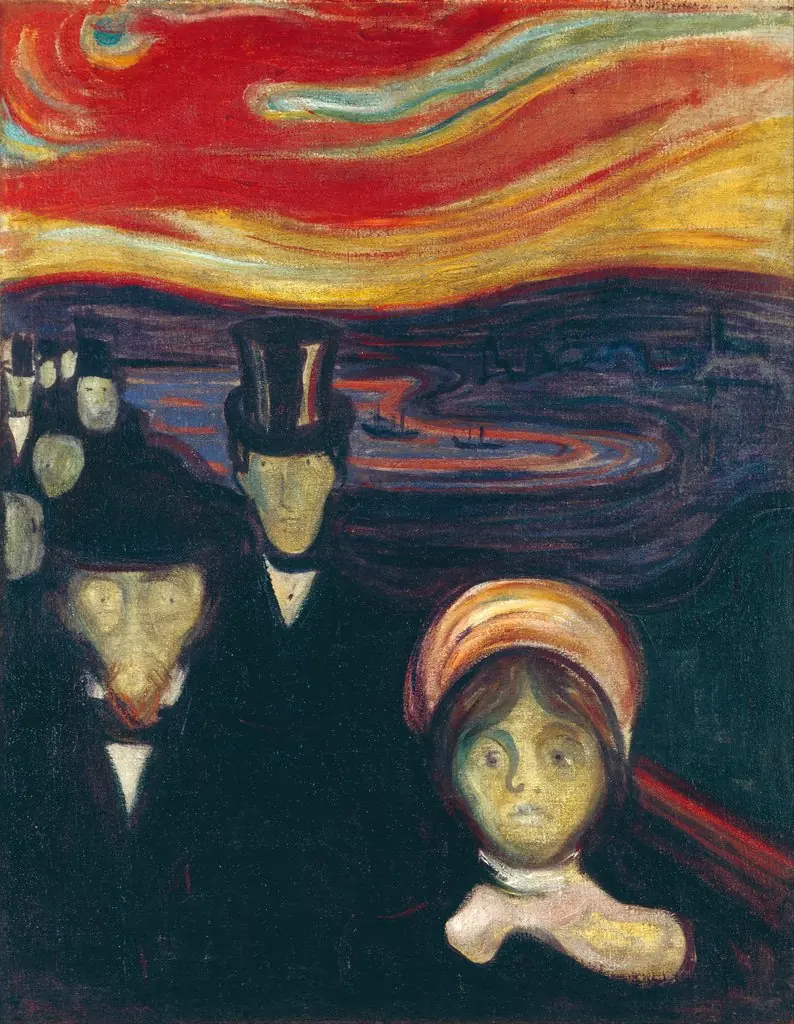
Though less widely known than *The Scream*, *Woman in Evening Landscape* exemplifies Munch’s consistent exploration of solitude and the interplay between human presence and nature. Its restrained palette and evocative composition influenced later Nordic artists seeking to convey inner life through landscape, cementing its place in the development of modern expressionist painting.
Artist & collection
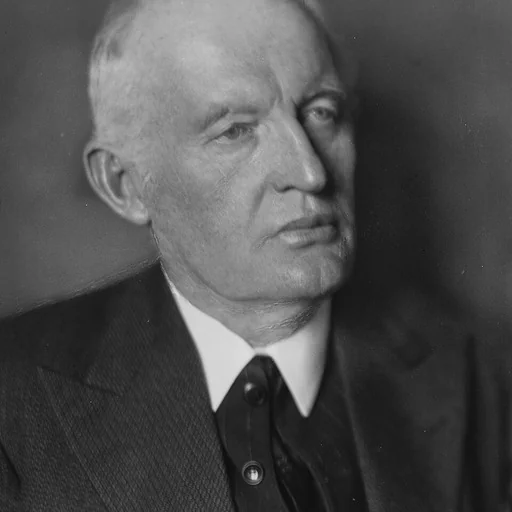
Artist
Edvard Munch ( MUUNK; Norwegian: ; 12 December 1863 – 23 January 1944) was a Norwegian painter.