Artwork
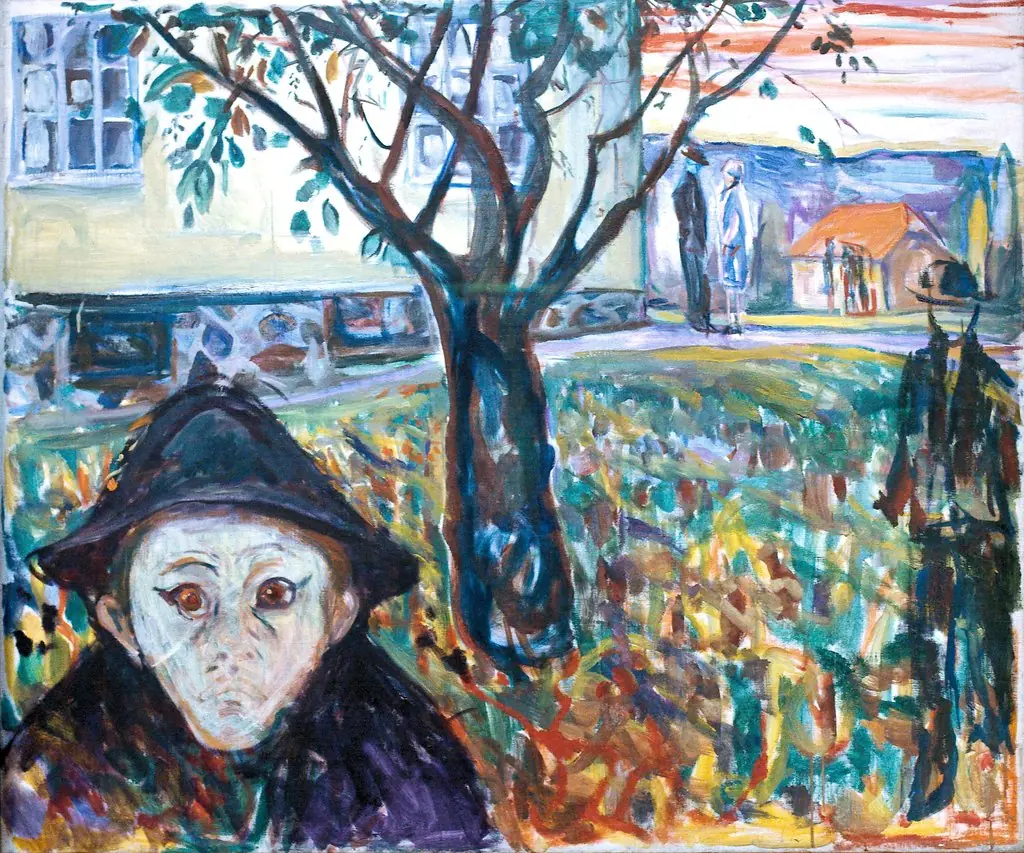
Jealousy in the Garden
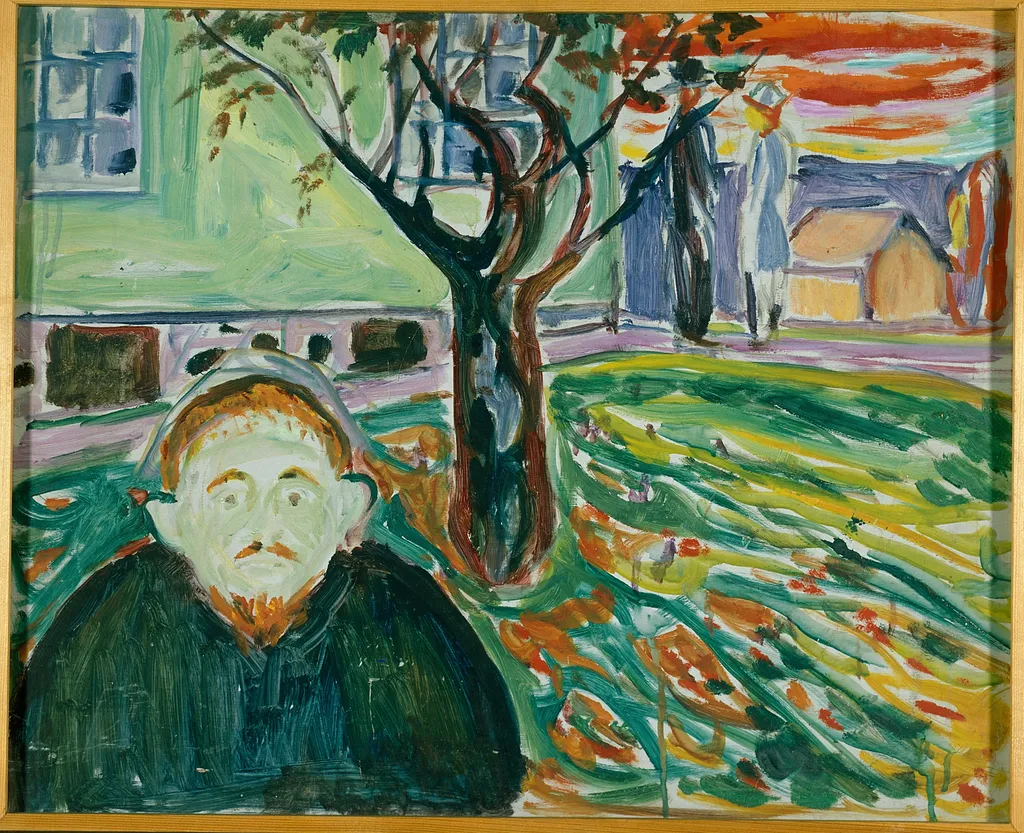
Jealousy in the Garden is an oil painting by the Post-Impressionist artist Edvard Munch. It dates from 1929 and is held in the collection of the Munch Museum.
About this work
Overview
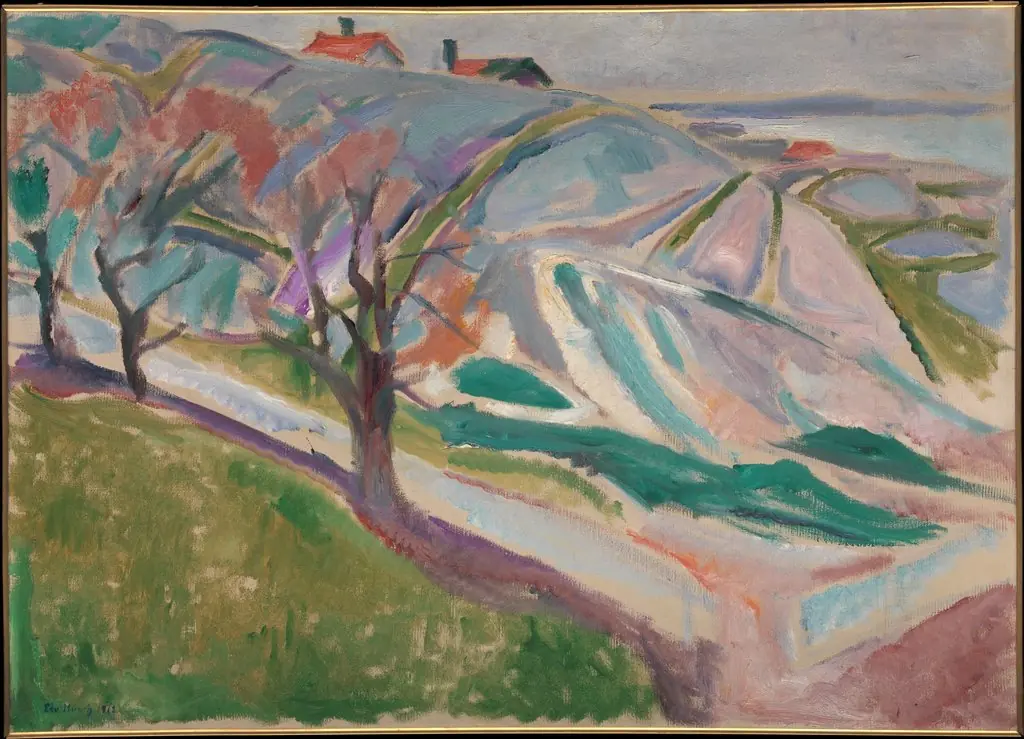
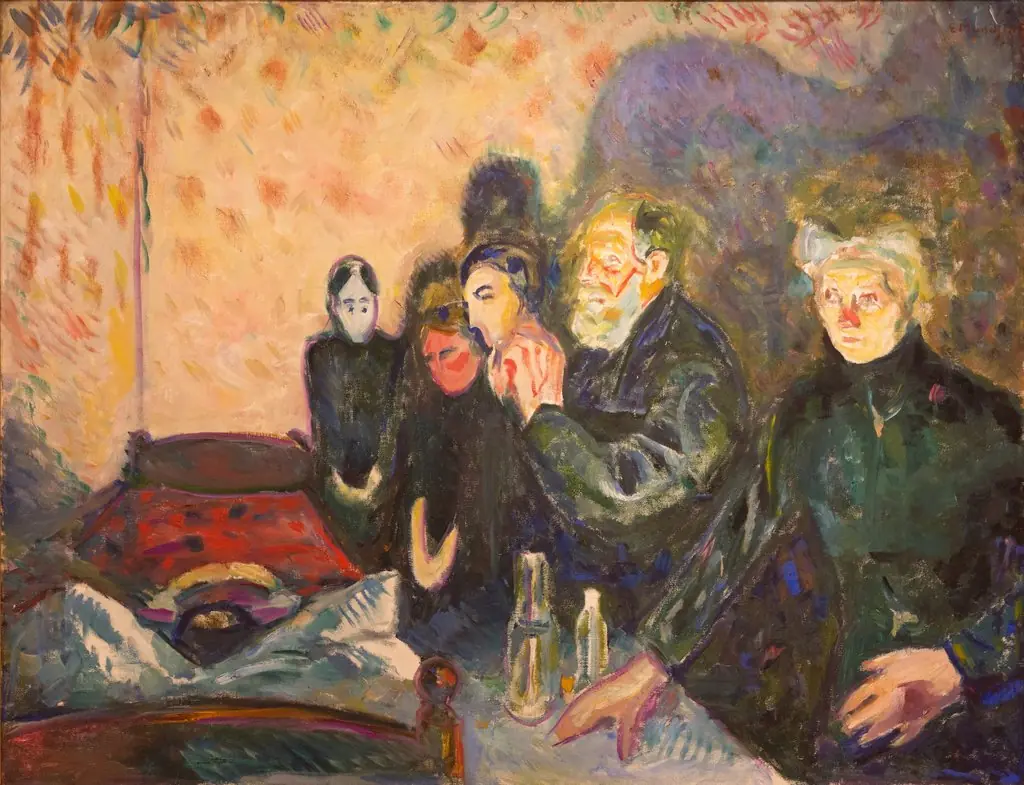
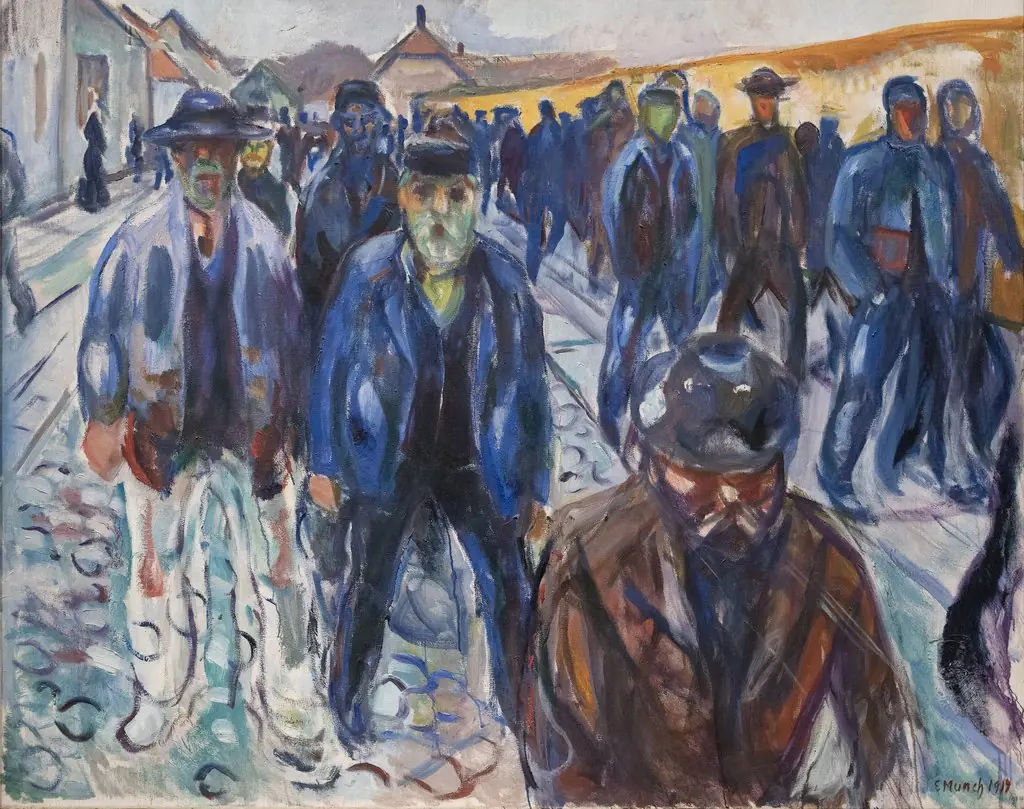
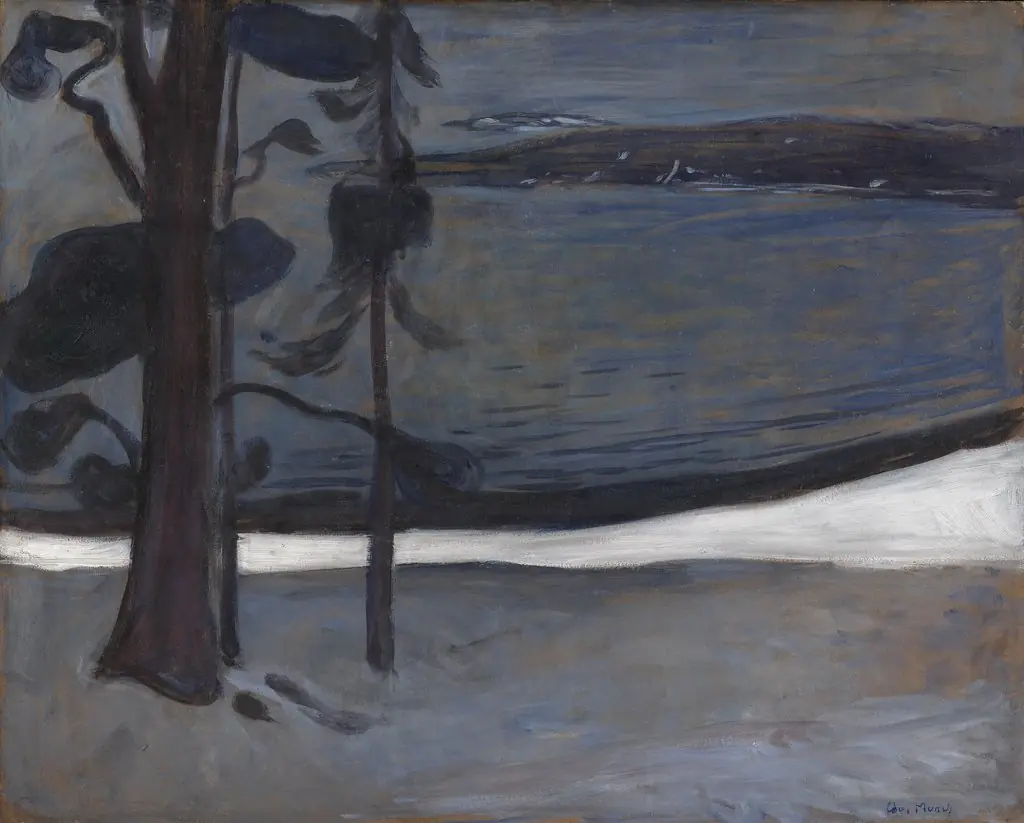
Created in 1929, *Jealousy in the Garden* is an oil painting by Norwegian artist Edvard Munch. Executed in a post‑impressionist idiom, the work presents a garden setting that serves as a visual metaphor for the emotion suggested by its title.
Subject & Meaning
The composition centers on a solitary man standing before a tree, his features twisted into a scowl that suggests intense resentment. A distant house can be seen beyond the foliage, reinforcing a sense of isolation. The painting functions as an allegory of jealousy, using the garden’s enclosed space to amplify the figure’s inner turmoil.
Technique & Style
Munch employs bold, expressive brushwork and a vivid palette to heighten the emotional charge of the scene. Dark clothing contrasts with brighter surrounding tones, while the exaggerated facial expression is rendered with sharp, gestural strokes that convey agitation and unease.
History & Provenance
The painting entered the collection of the Munch Museum, which houses the majority of the artist’s output. It reflects a later period in Munch’s career, after his formative studies at Oslo’s Royal School of Art and Design and his involvement in the bohemian circles of early twentieth‑century Norway.
Context
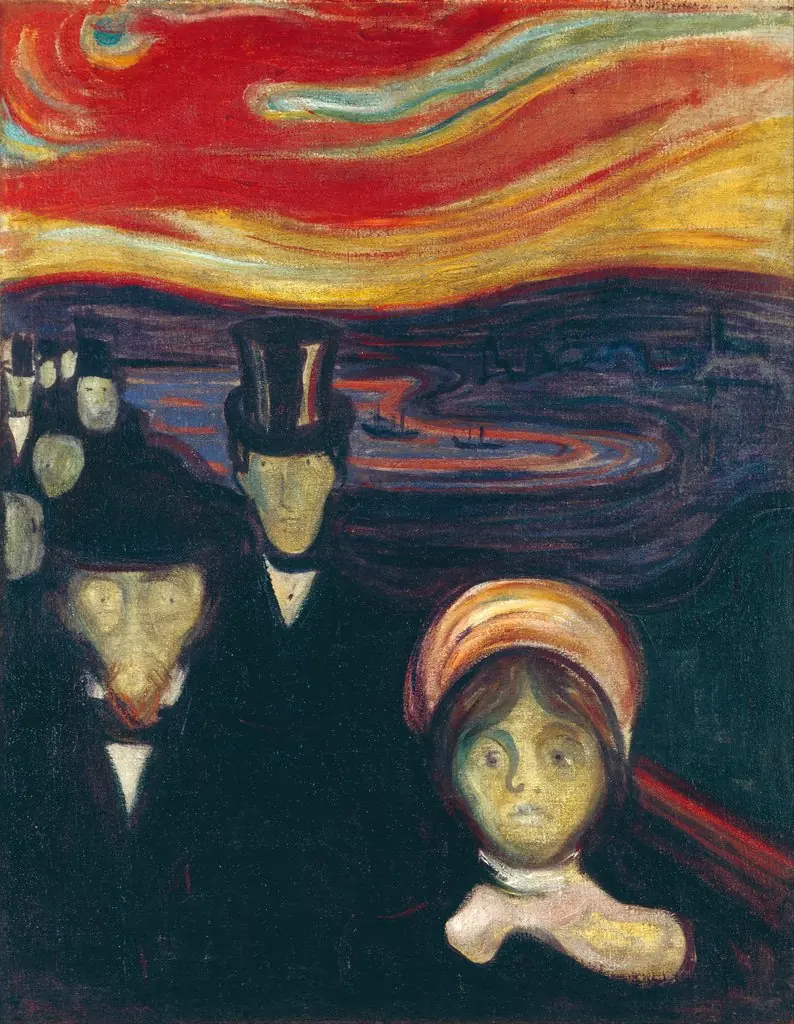
By the late 1920s, Munch had moved beyond the iconic angst of works such as *The Scream* toward a more overtly symbolic exploration of personal emotions. Influences from his early encounters with nihilist thinker Hans Jæger and his lifelong preoccupation with psychological states inform the painting’s stark, confrontational mood.
Artist & collection
Artist
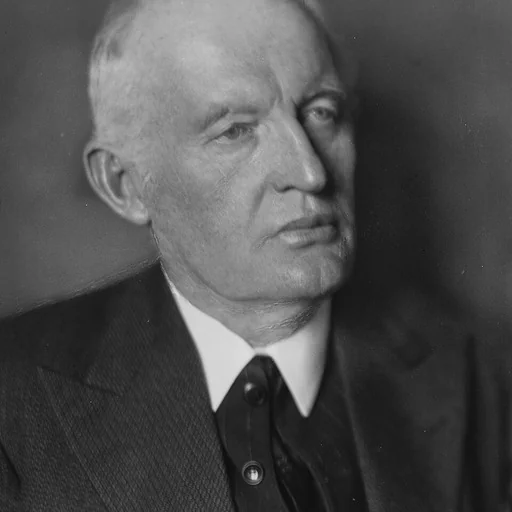
Edvard Munch ( MUUNK; Norwegian: ; 12 December 1863 – 23 January 1944) was a Norwegian painter.