Artwork
Jonas Lie with his Family
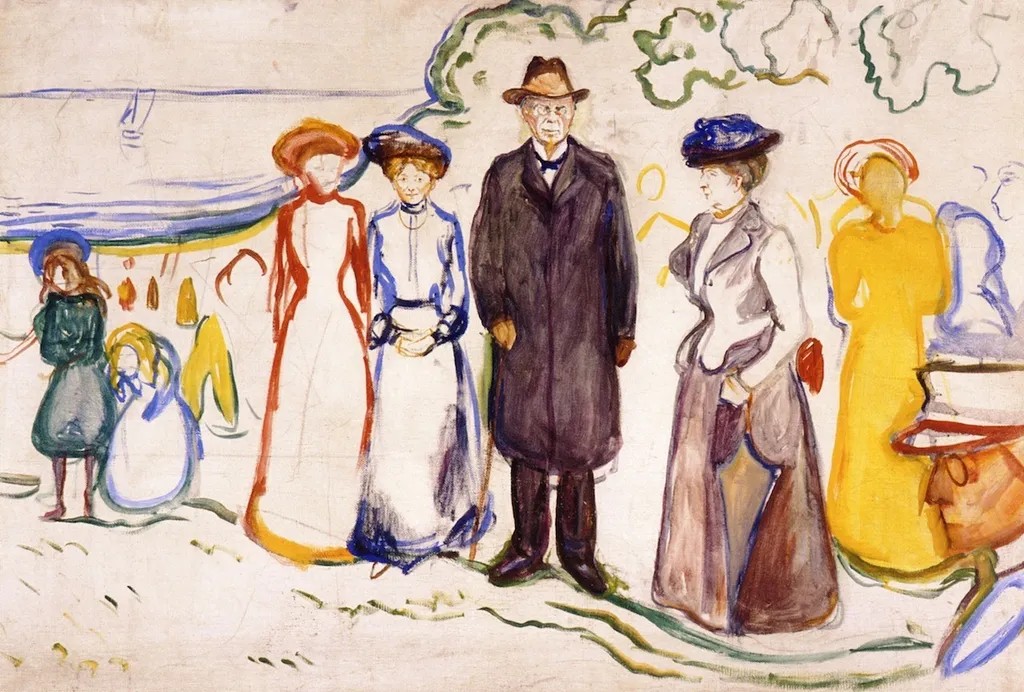
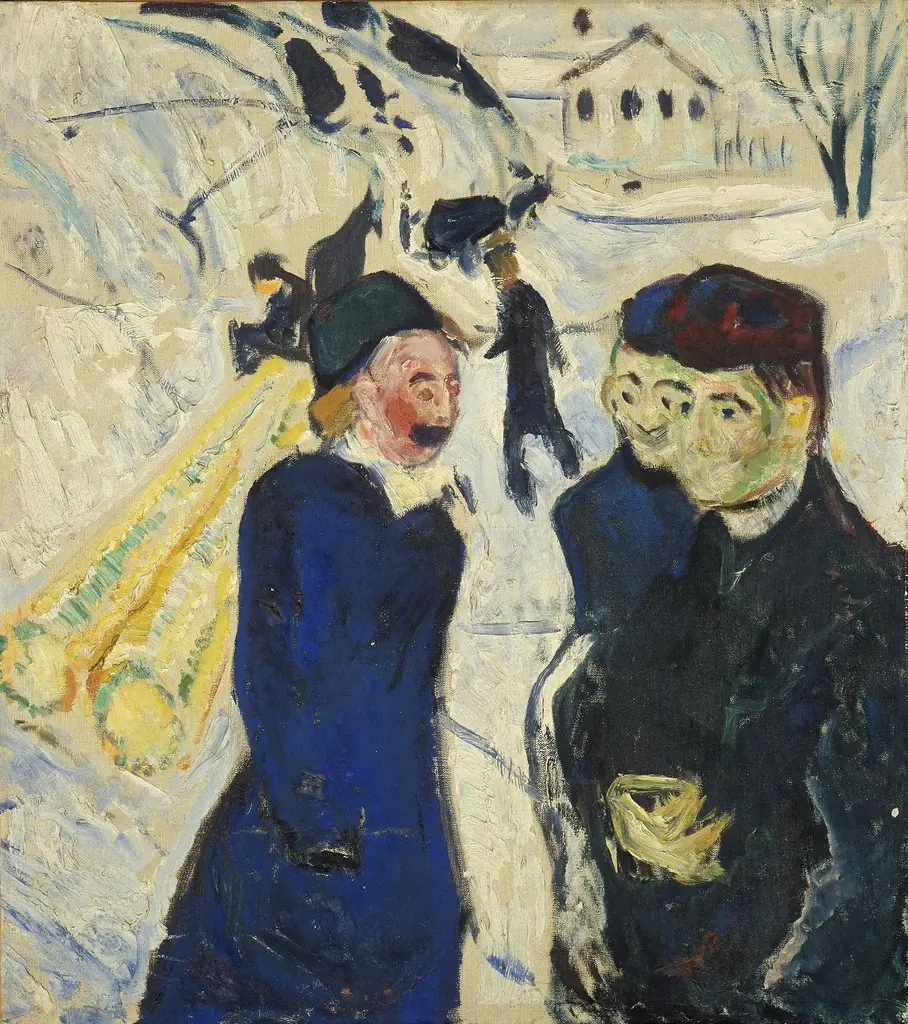
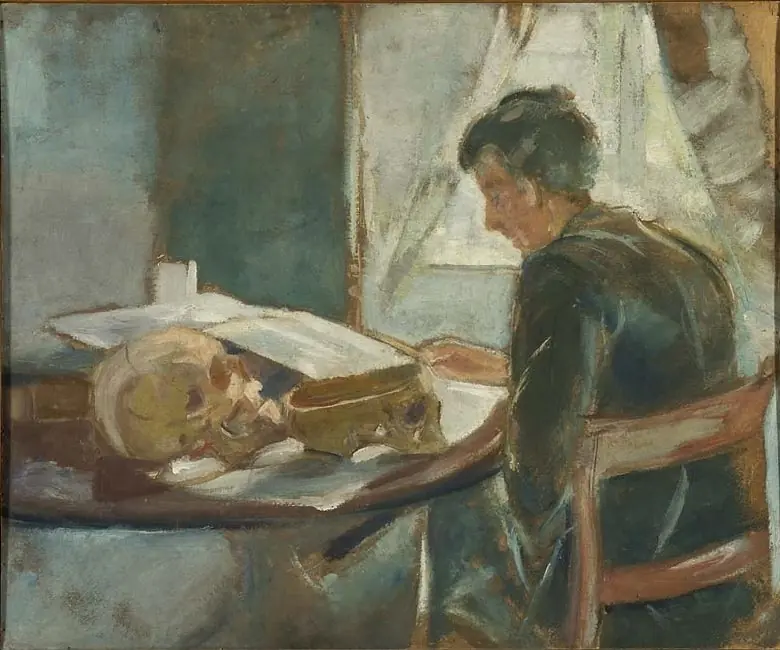
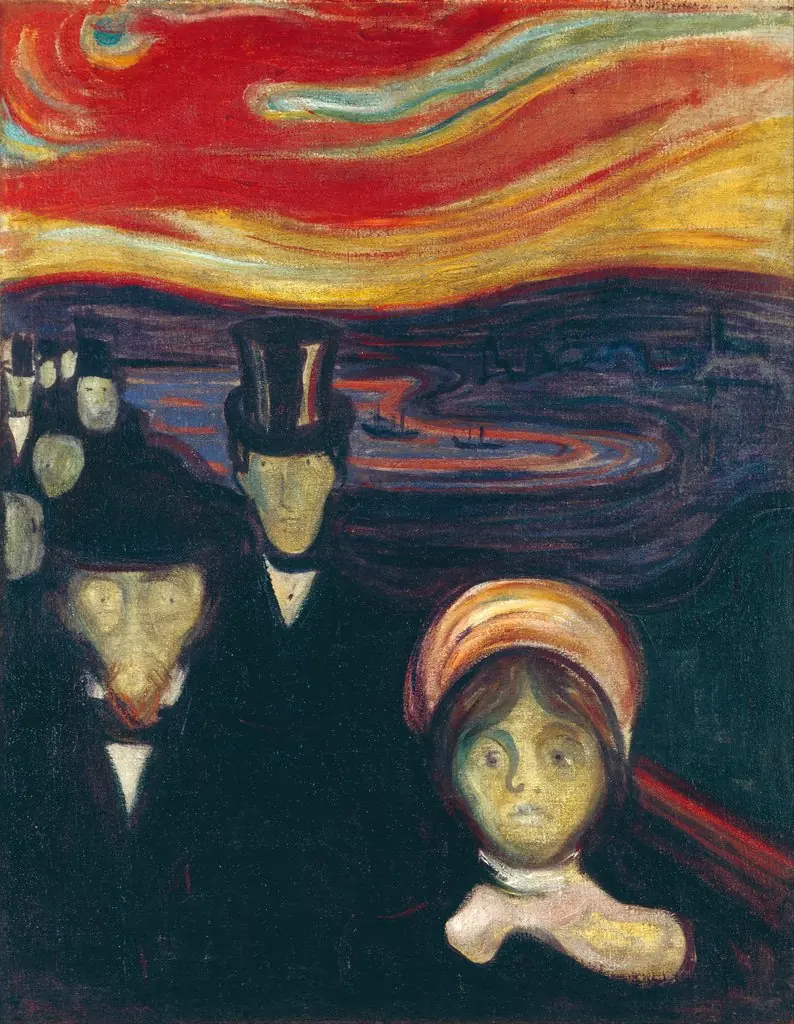
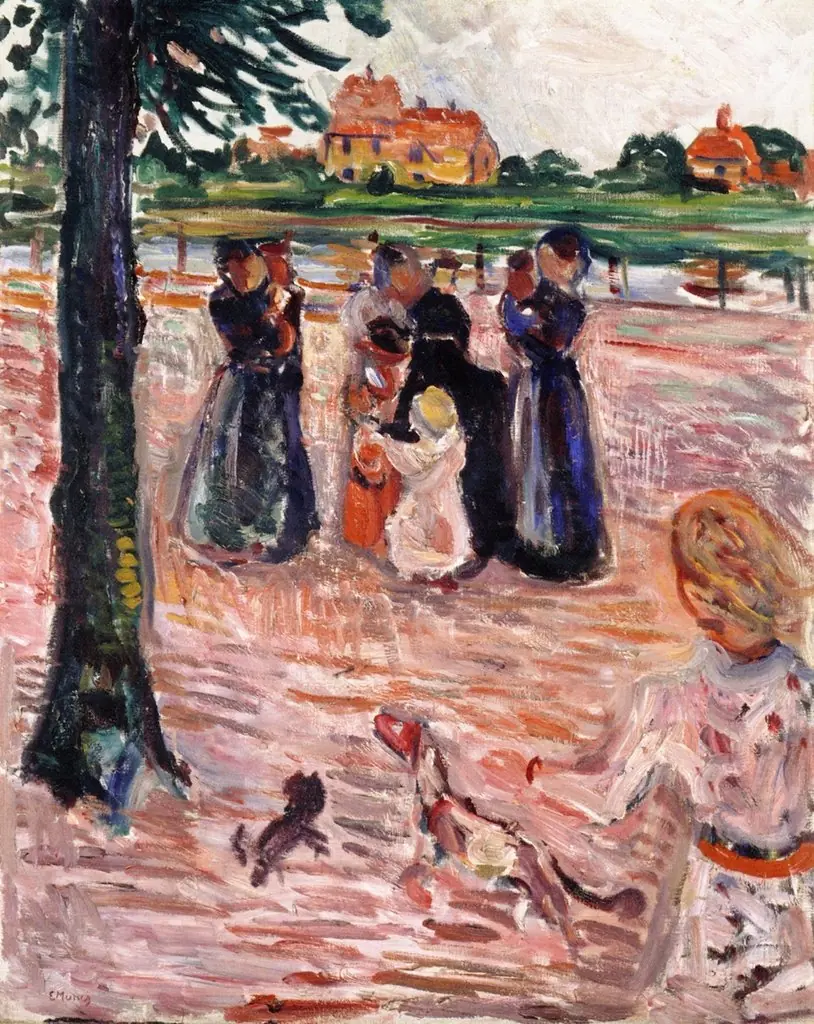
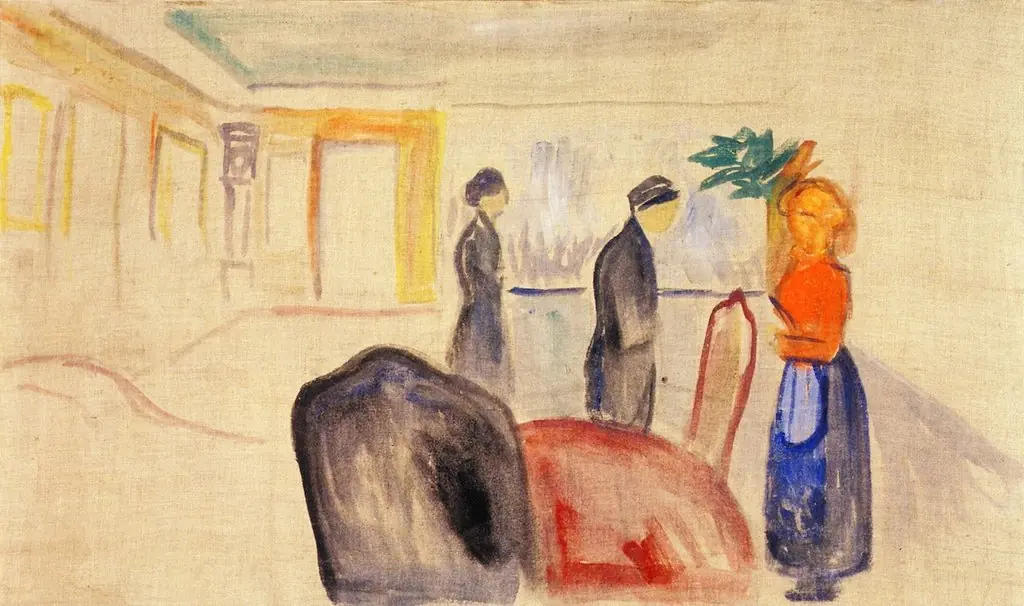
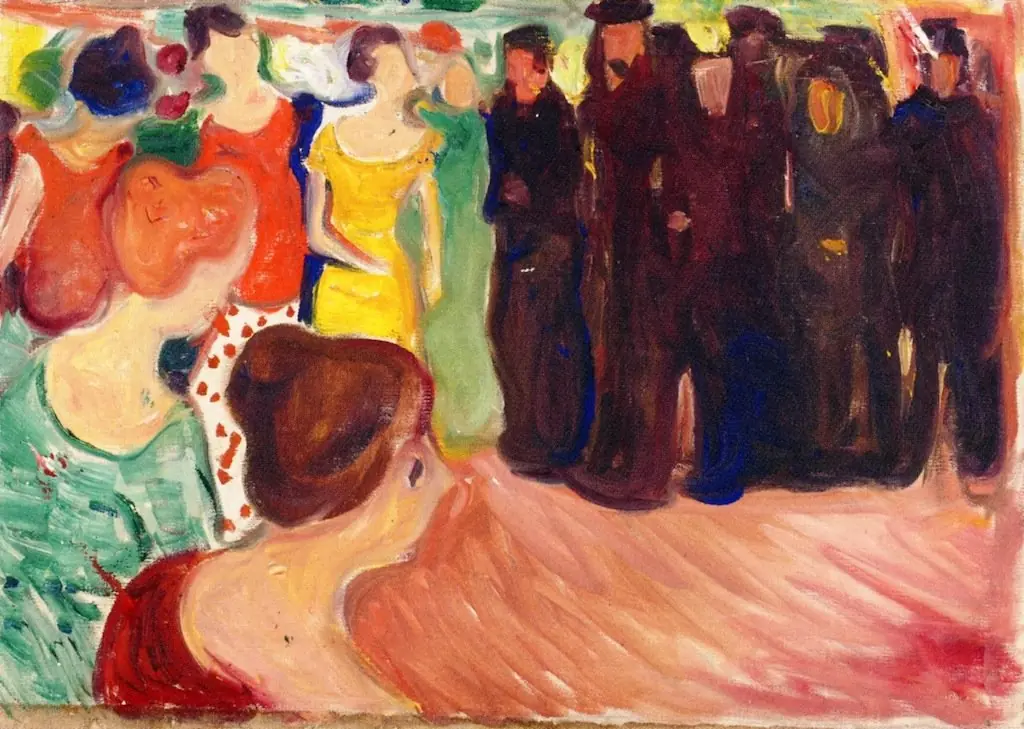
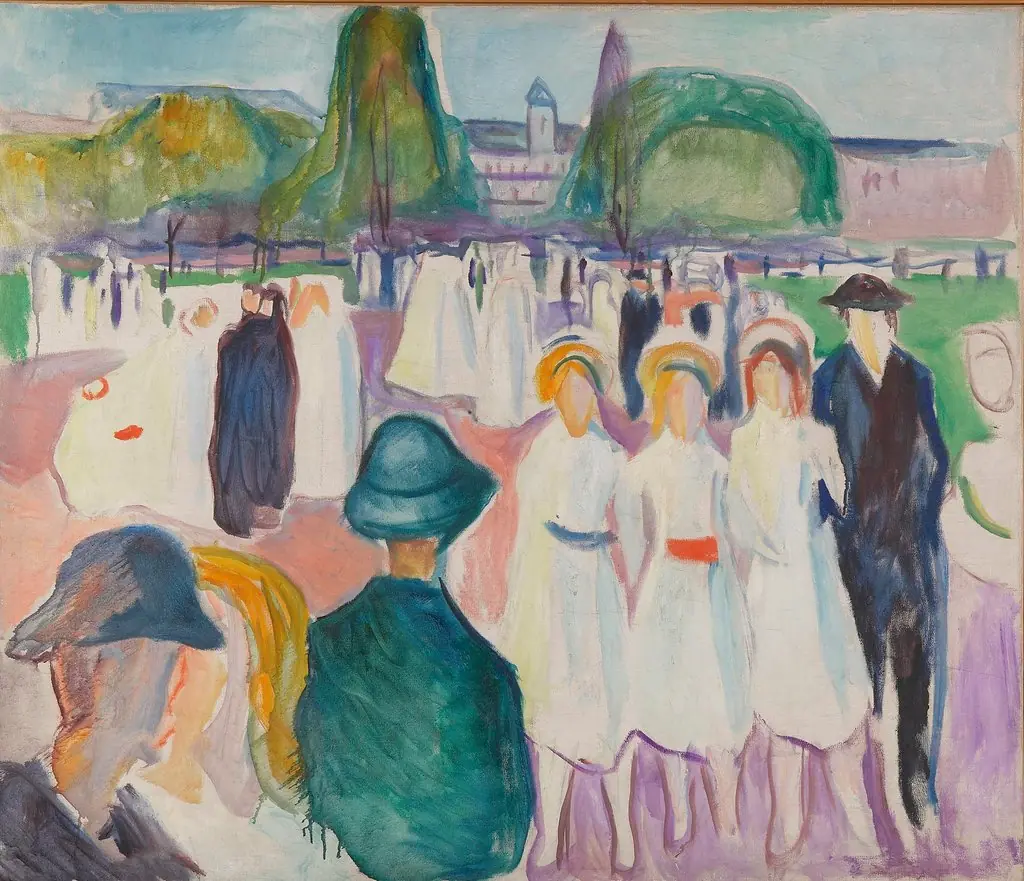
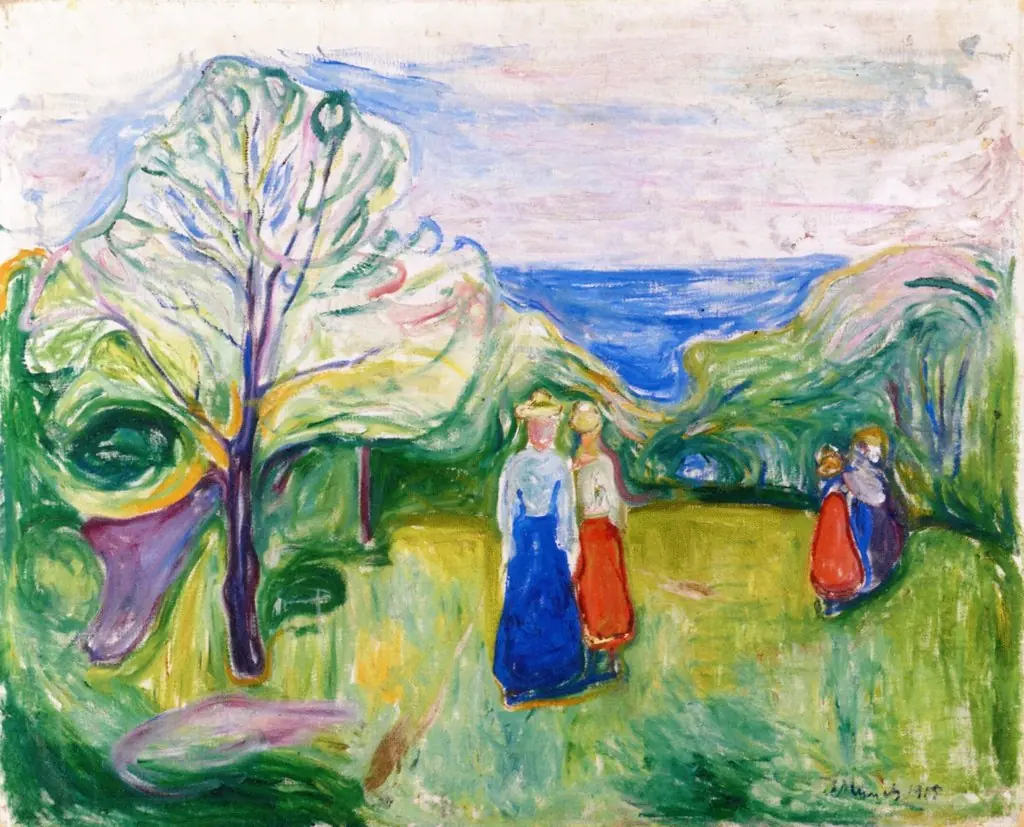
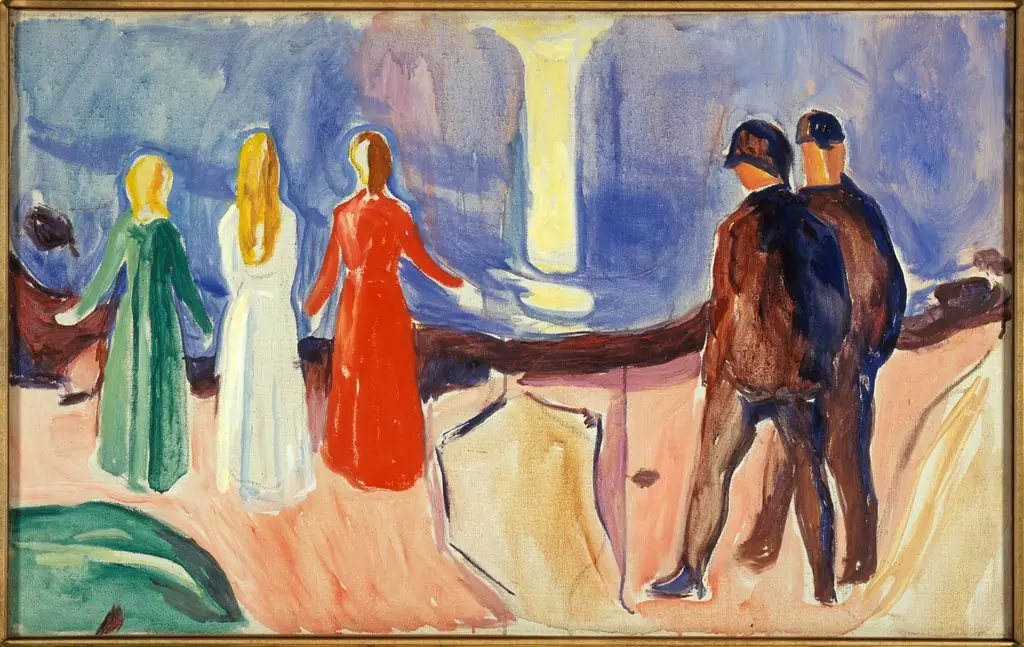
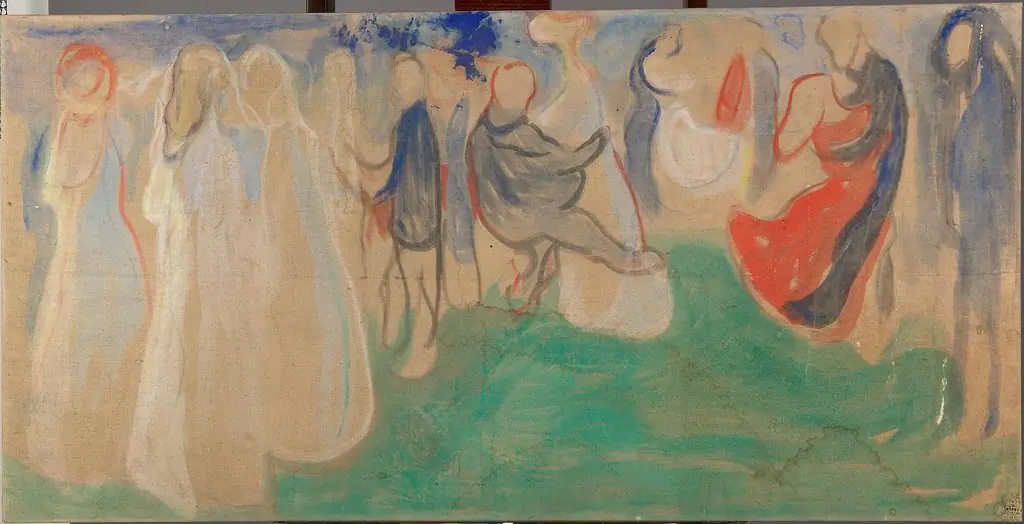
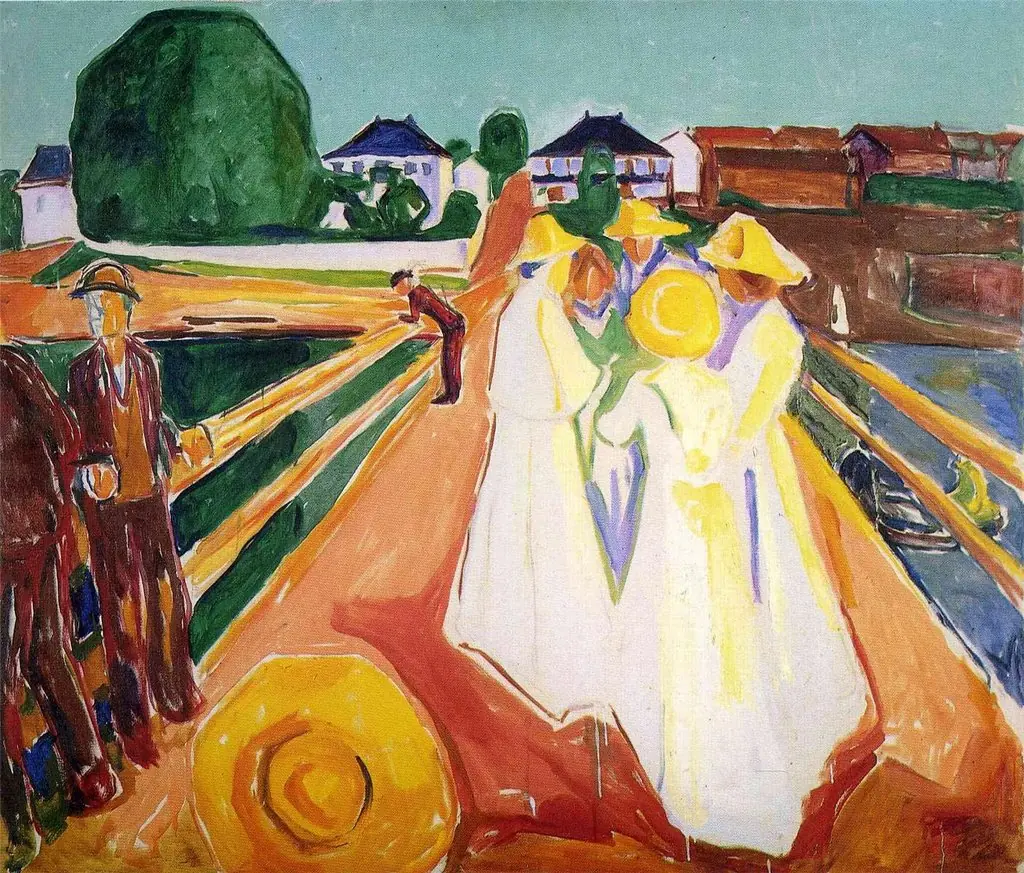
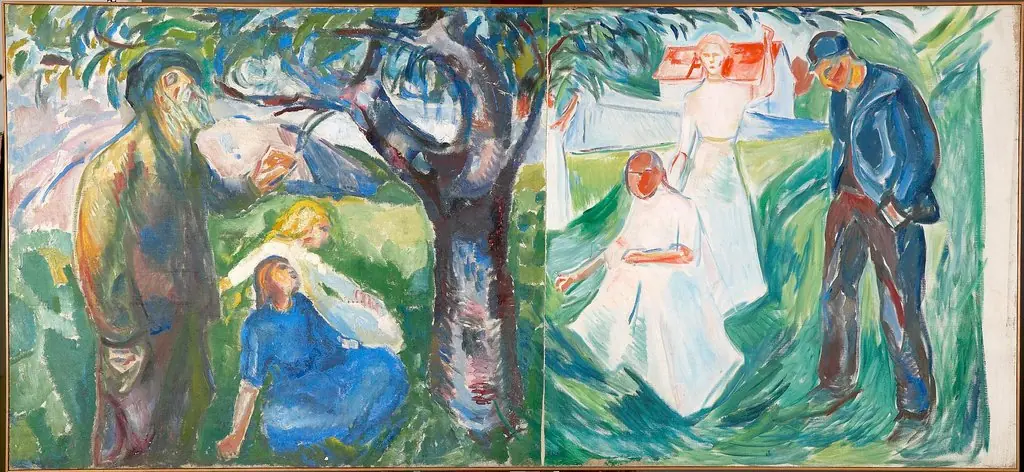
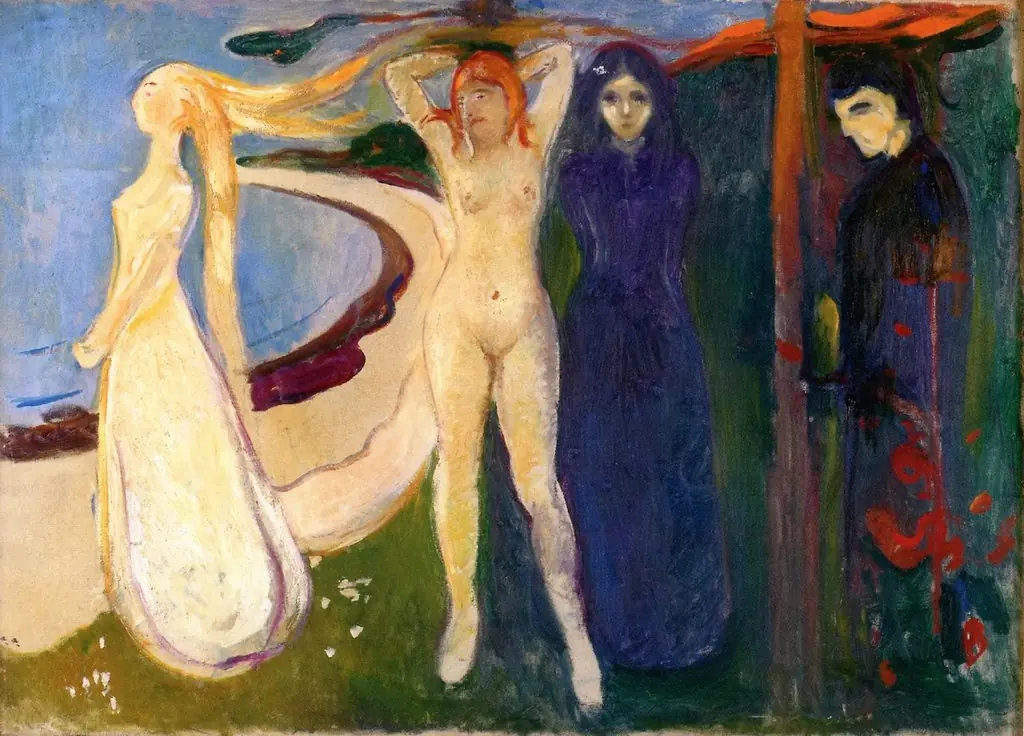
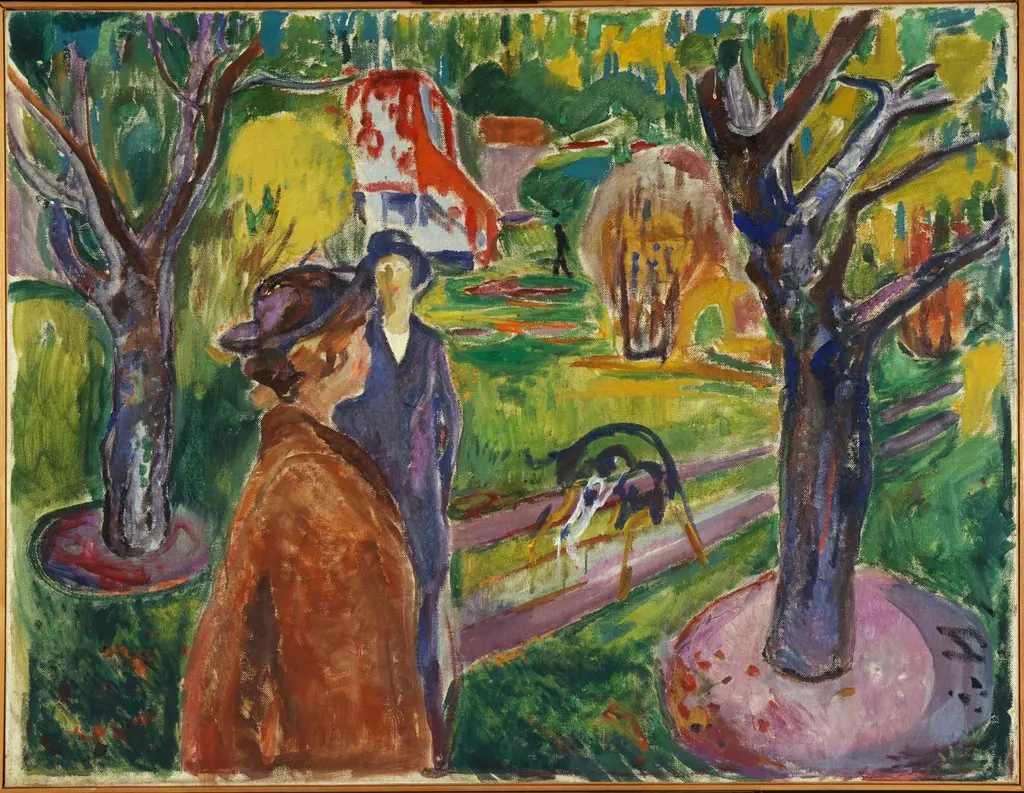
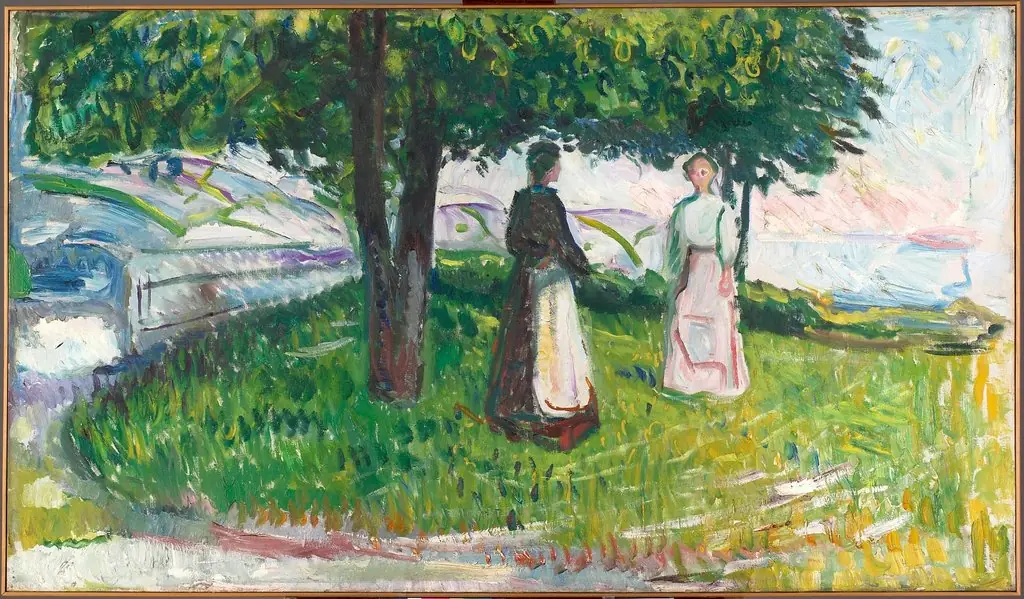
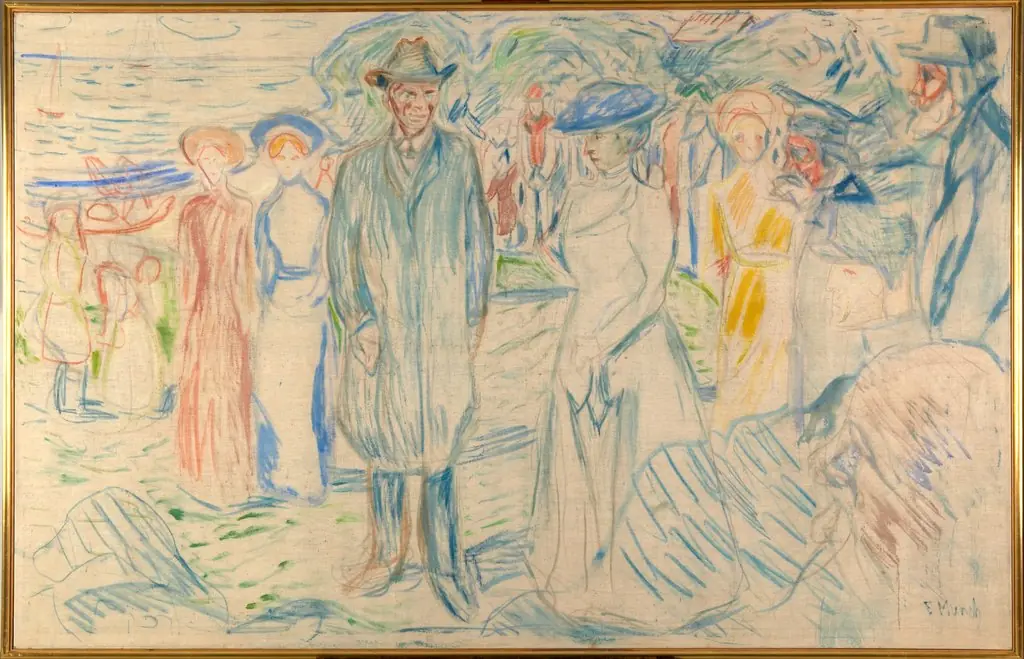
Jonas Lie with his Family is an oil painting by the Post-Impressionist artist Edvard Munch. It dates from 1902 and is held in the collection of the Munch Museum.
About this work
Overview
Painted in 1902 by Edvard Munch, this oil portrait captures the Norwegian writer Jonas Lie and his family in an outdoor setting.
Painted in 1902 by Edvard Munch, this oil portrait captures the Norwegian writer Jonas Lie and his family in an outdoor setting. Though Munch is best known for psychological themes, this work shifts focus to domestic intimacy. Executed with energetic brushwork and vivid color, it reflects his evolving approach to portraiture—less concerned with realism than with emotional resonance and atmospheric presence.
Subject & Meaning
The painting centers on Jonas Lie, a respected literary figure, flanked by his wife and three children. Their arrangement suggests quiet unity, yet the lack of detailed facial features and the distant gaze of the figures convey emotional restraint. Munch avoids narrative clarity, instead emphasizing the quiet tension between familial closeness and individual solitude—a recurring undercurrent in his work.
Technique & Style
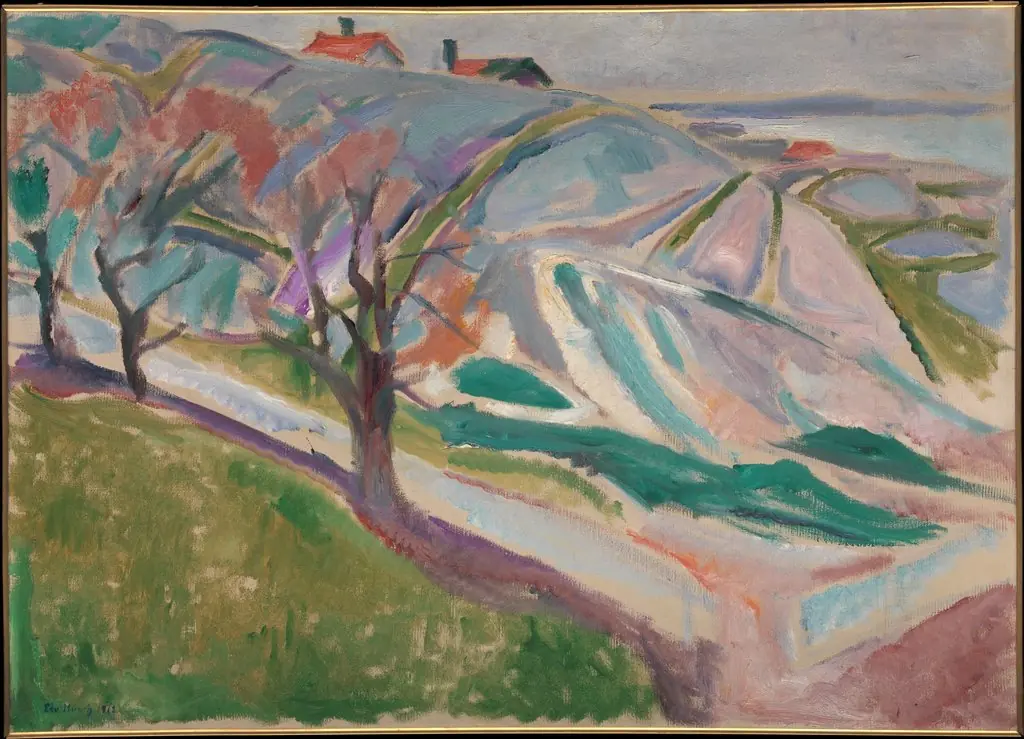
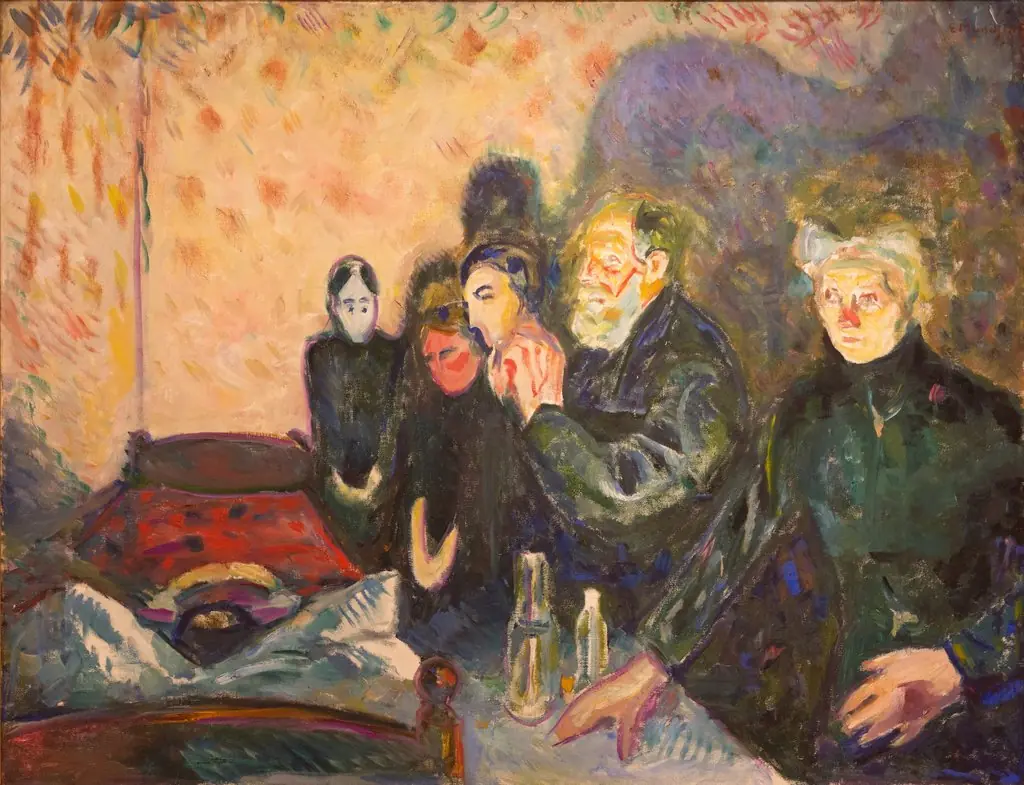
Munch employed loose, rapid brushstrokes and thick applications of paint to suggest form rather than define it. The figures emerge from a luminous, swirling background, their bright clothing—red, blue, yellow—contrasting sharply with the muted tones of the sky and ground. This approach, rooted in Post-Impressionism, prioritizes expressive color and movement over precise detail, creating a sense of fleeting, transient presence.
History & Provenance
Commissioned by the Lie family, the painting remained in their possession until it entered the Munch Museum’s collection. Munch, who had studied at the Royal School of Art and Design in Kristiania, maintained ties with Norway’s cultural elite. This portrait reflects his engagement with literary circles during a period when he was refining his distinctive visual language beyond the angst-driven imagery of his earlier works.
Context
Created during Munch’s mature phase, the painting coincides with his growing interest in everyday subjects and domestic life. While still influenced by Symbolism, he was moving away from overt psychological drama. The work aligns with broader European trends that valued emotional authenticity over academic precision, reflecting a shift toward personal, intimate expression in early 20th-century art.
Legacy
Though less widely known than Munch’s more dramatic compositions, this portrait reveals his versatility and sensitivity to human relationships. It contributes to understanding his broader artistic trajectory—how he adapted his expressive style to quieter, more personal subjects. Today, it remains a key example of his portraiture, offering insight into his engagement with Norway’s cultural figures beyond myth and melancholy.
Artist & collection
Artist
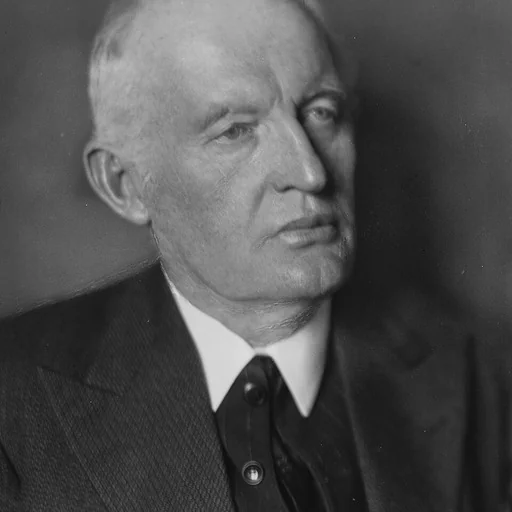
Edvard Munch ( MUUNK; Norwegian: ; 12 December 1863 – 23 January 1944) was a Norwegian painter.