Artwork
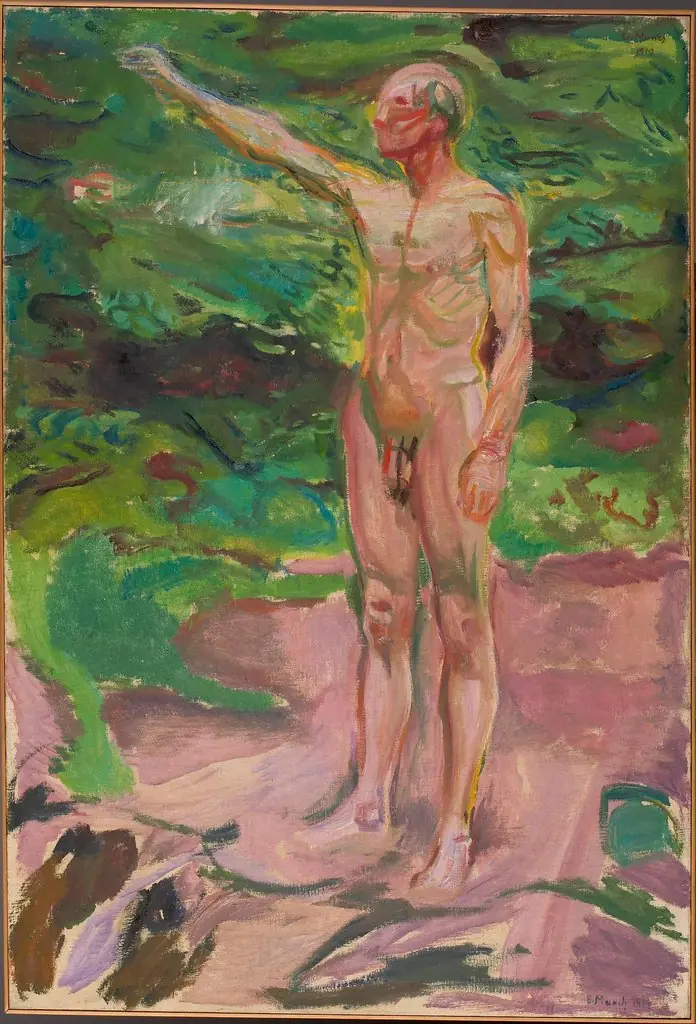
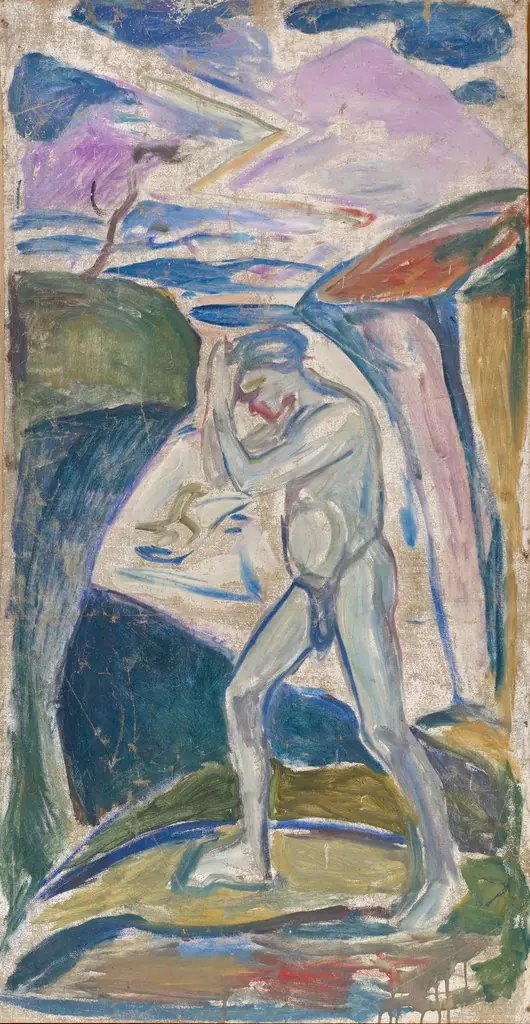
Male Nude Leaning forwards in the Woods
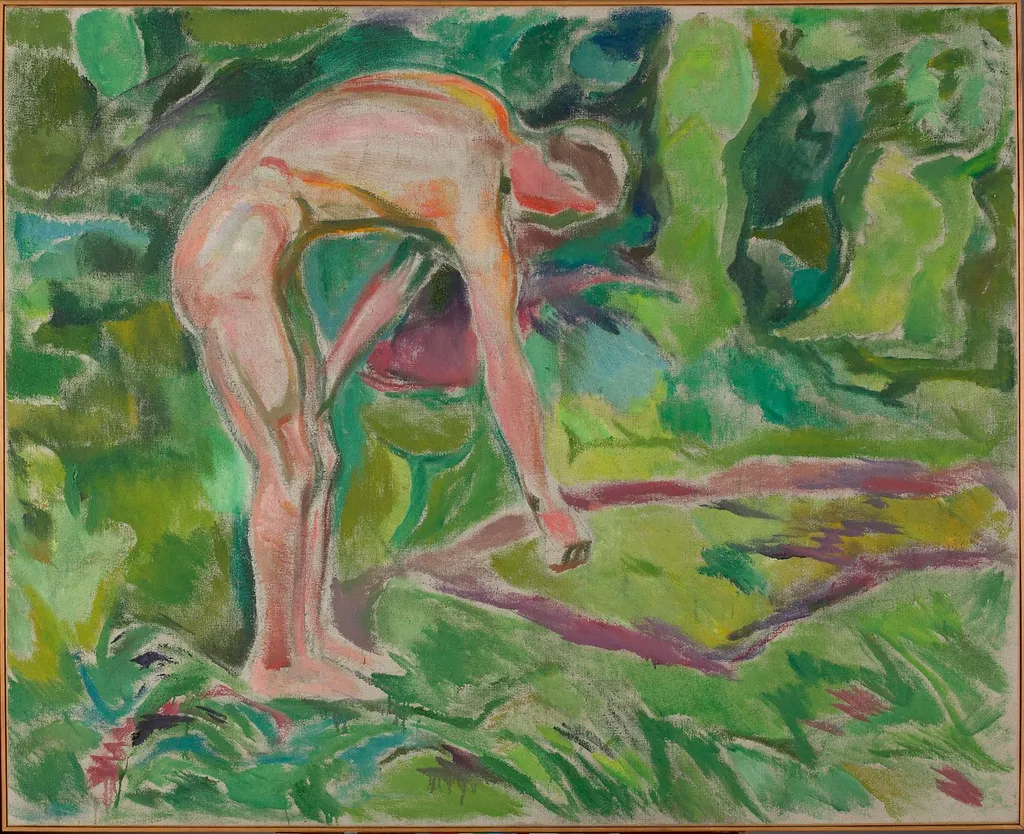
Male Nude Leaning forwards in the Woods is an oil painting by the Post-Impressionist artist Edvard Munch. It dates from 1919 and is held in the collection of the Munch Museum.
About this work
Overview
It belongs to a series of late-career works where Munch returned to the nude as a subject, exploring physical presence rather than psychological tension.
Painted in 1919, this oil on canvas work by Edvard Munch presents a solitary male figure in a forest setting. Unlike his more famous thematic pieces, this study focuses on the human form within nature, rendered with muted tones and fluid brushwork. It belongs to a series of late-career works where Munch returned to the nude as a subject, exploring physical presence rather than psychological tension.
Subject & Meaning
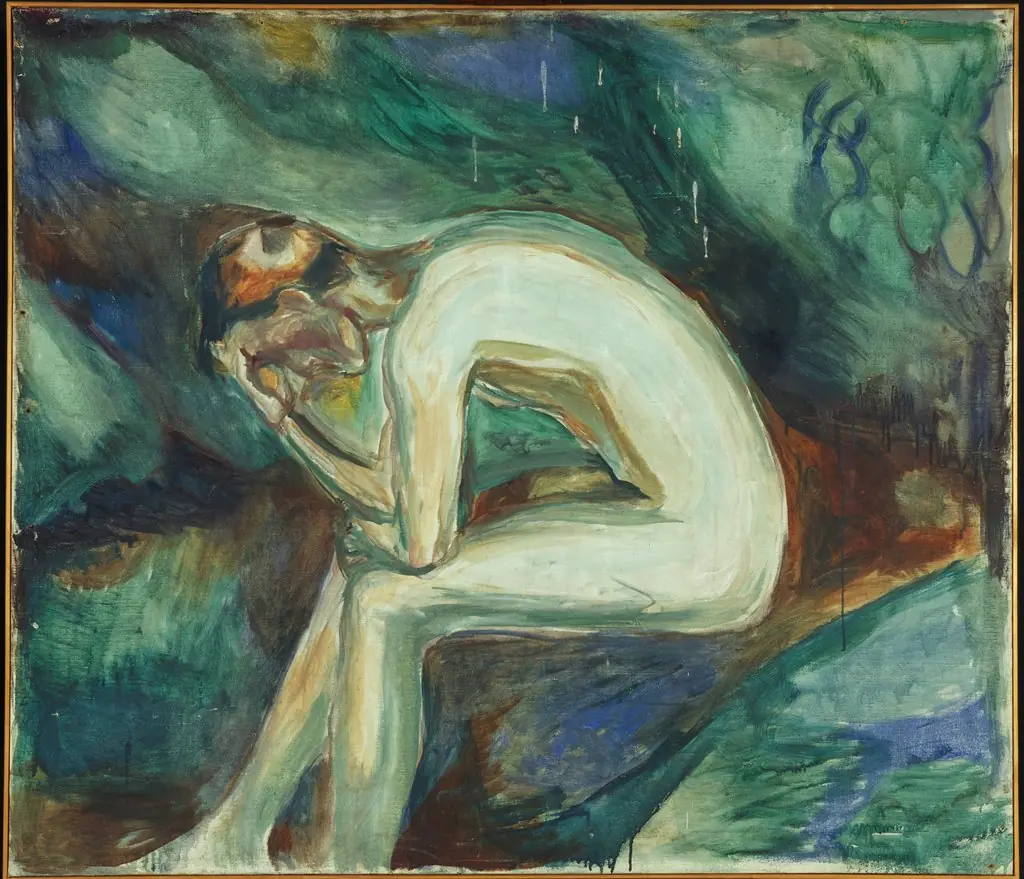
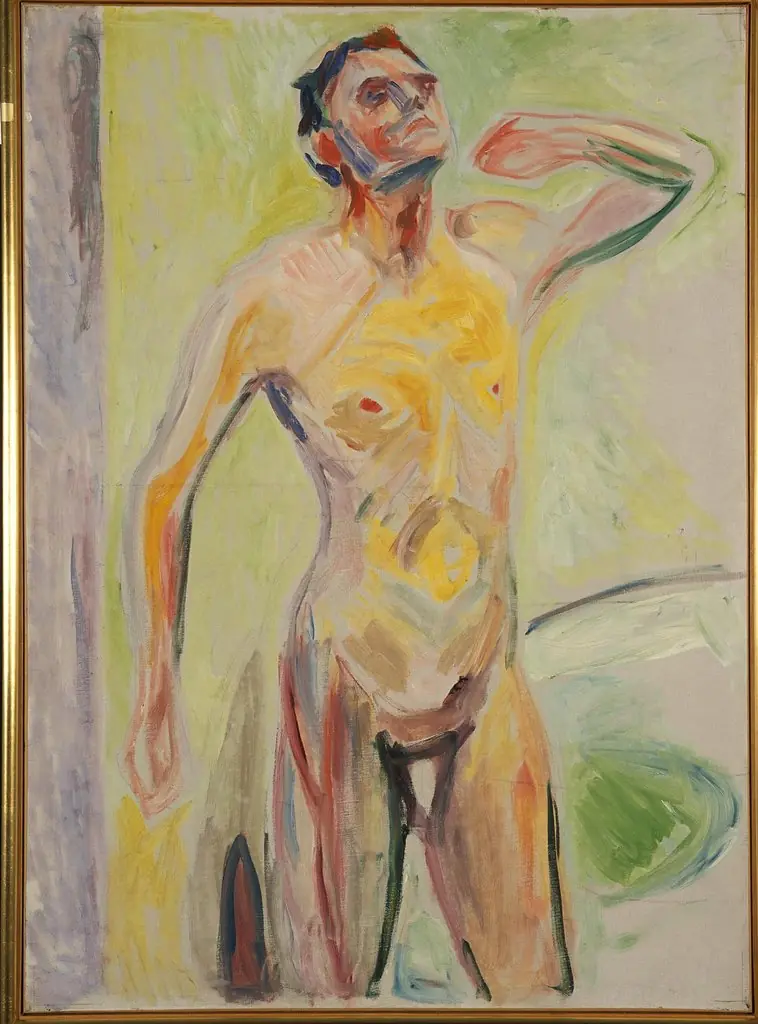
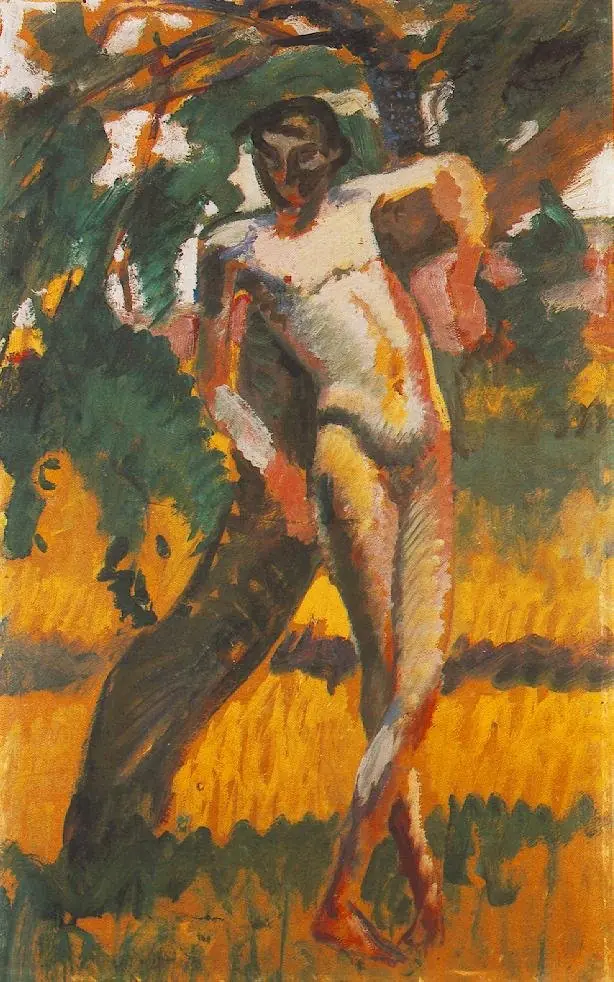
The figure, nude and bent forward, appears absorbed in quiet introspection. Positioned among trees, his posture suggests a moment of stillness amid nature’s rhythm. There is no narrative or symbolic cue—no mythological or emotional drama—only the physicality of the body in a private, unguarded space. The absence of context invites contemplation of solitude and embodiment rather than allegory.
Technique & Style
Munch employed loose, atmospheric brushstrokes to blend the figure with the surrounding woodland. Soft pastel hues—pale pinks, grays, and greens—create a hazy, luminous effect, while subtle shifts in tone define form without sharp contours. The paint is applied thinly in places, allowing the canvas to show through, enhancing the sense of transience and fragility in both body and environment.
History & Provenance
The painting entered the collection of the Munch Museum in Oslo, where it remains today. Created during Munch’s later years, it reflects a period of relative stability after decades of personal turmoil. Though less publicly discussed than his earlier works, it was part of his ongoing exploration of the human figure, often painted in private settings away from urban life.
Context
In the years following World War I, Munch increasingly turned to nature and the nude as subjects, distancing himself from the intense emotional symbolism of his youth. This work aligns with a broader European trend among artists seeking calm and renewal through natural themes. His training at the Royal School of Art in Kristiania had instilled a foundation in observation, which here evolved into a more meditative approach.
Legacy
Though not widely exhibited, this painting contributes to understanding Munch’s artistic evolution. It reveals a quieter, more contemplative side of his practice, one that prioritized sensory experience over psychological intensity. Scholars note its significance as evidence of his sustained engagement with the human form, even as his public reputation solidified around his earlier, more dramatic works.
Artist & collection
Artist
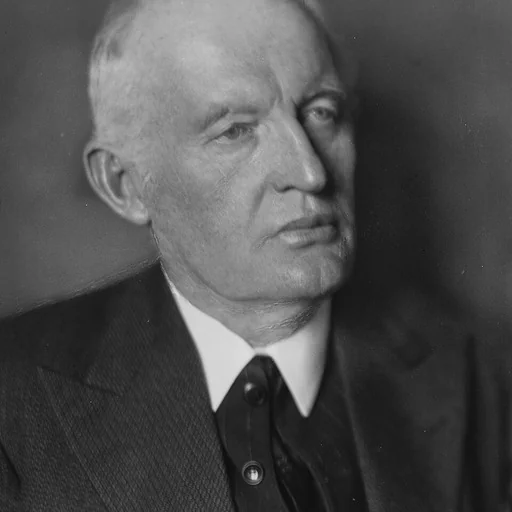
Edvard Munch ( MUUNK; Norwegian: ; 12 December 1863 – 23 January 1944) was a Norwegian painter.