Artwork
The Death of Marat
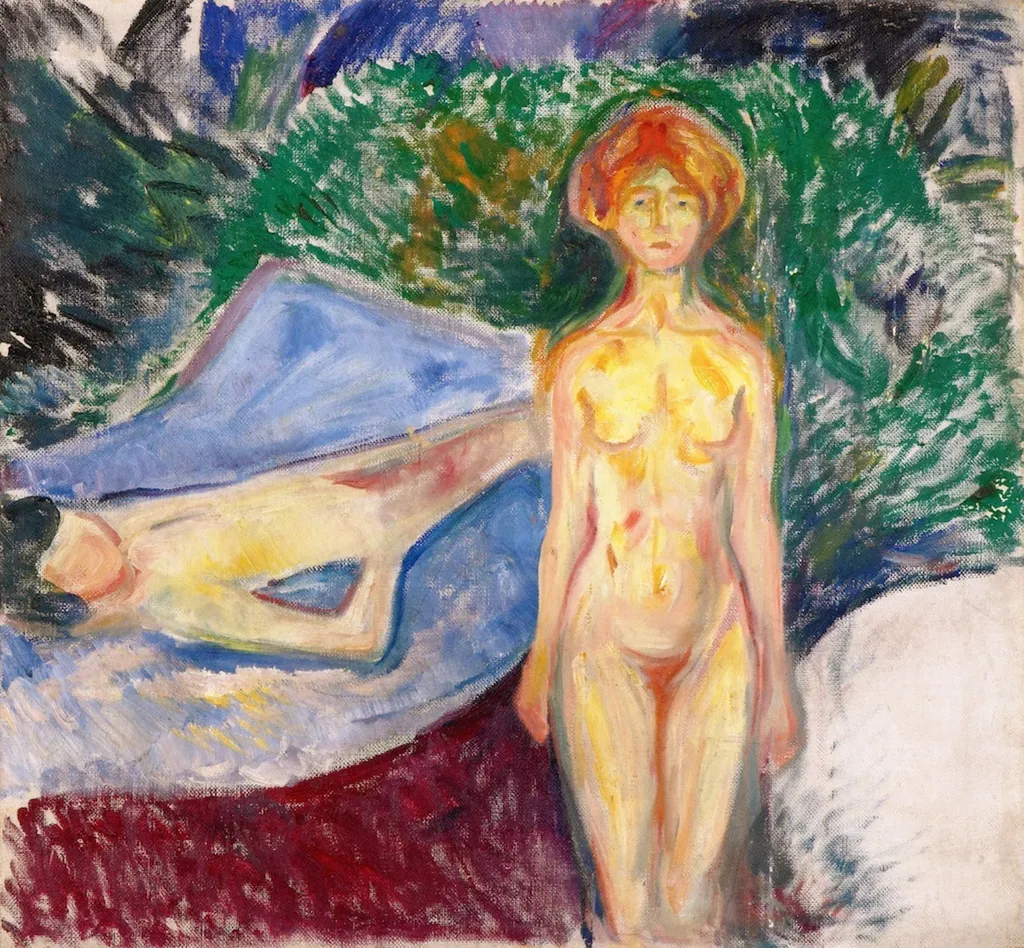
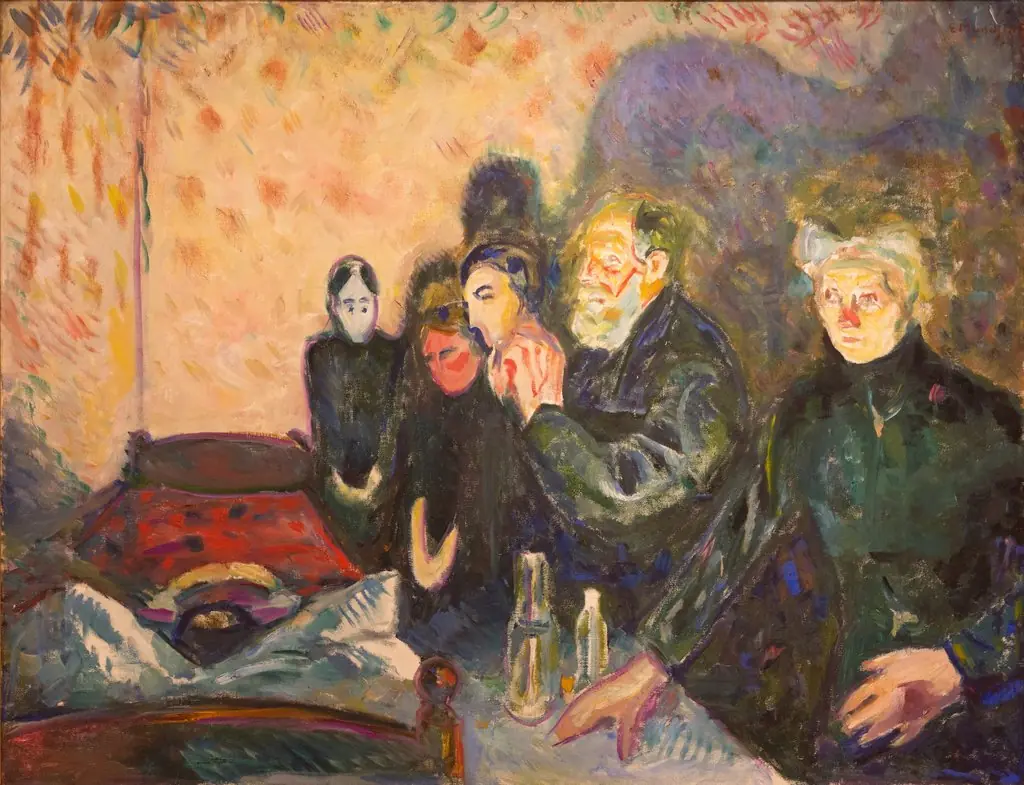
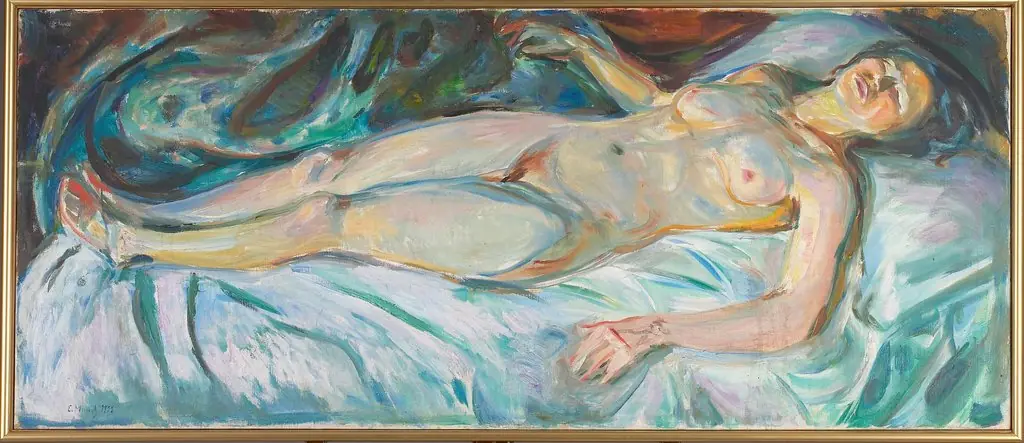
The Death of Marat is an oil painting by the Post-Impressionist artist Edvard Munch. It dates from 1906 and is held in the collection of the Munch Museum.
About this work
Overview
Created in 1906 by Norwegian painter Edvard Munch, this oil on canvas belongs to the history genre and is part of the Munch Museum’s collection. Though often linked to post‑impressionism, the work reflects Munch’s personal visual language, developed after his studies at Kristiania’s Royal School of Art and Design and his involvement with contemporary bohemian circles.
Subject & Meaning
The composition portrays the moment Charlotte Corday murders French revolutionary journalist Jean‑Paul Marat. Munch presents the scene through a psychological lens, emphasizing the tension between Corday’s composed expression and the violent act she has just committed, thereby foregrounding inner experience over literal narrative.
Technique & Style
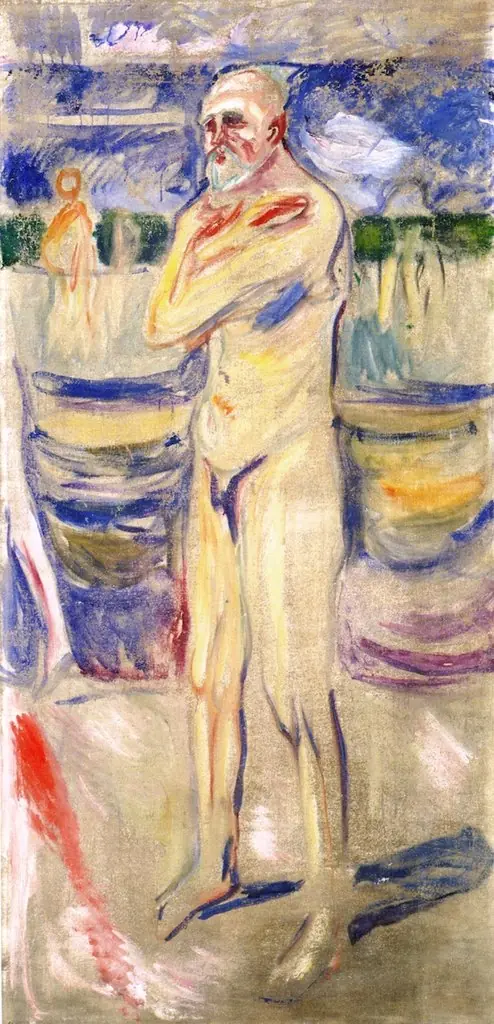
Bold, saturated hues dominate the canvas: a warm yellow skin tone, a blue‑white bed, and a backdrop of green merging into deep purple. Munch applies thick, uneven brushstrokes that create a tactile impasto surface, lending the image a raw immediacy and a sense of urgency that aligns with his expressive approach.
Context
While the painting references a well‑known episode of the French Revolution, Munch’s treatment situates the event within his broader exploration of anxiety, mortality, and emotional intensity. Its presence in the Munch Museum underscores the artist’s ongoing dialogue with historical subjects rendered through a distinctly modern, psychological perspective.
Artist & collection
Artist
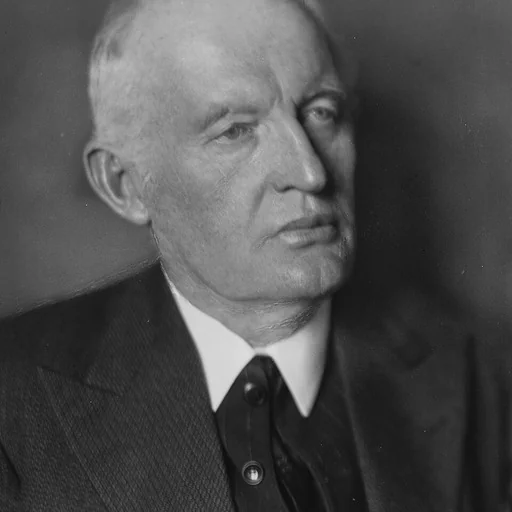
Edvard Munch ( MUUNK; Norwegian: ; 12 December 1863 – 23 January 1944) was a Norwegian painter.