Artwork
The Wedding of the Bohemian
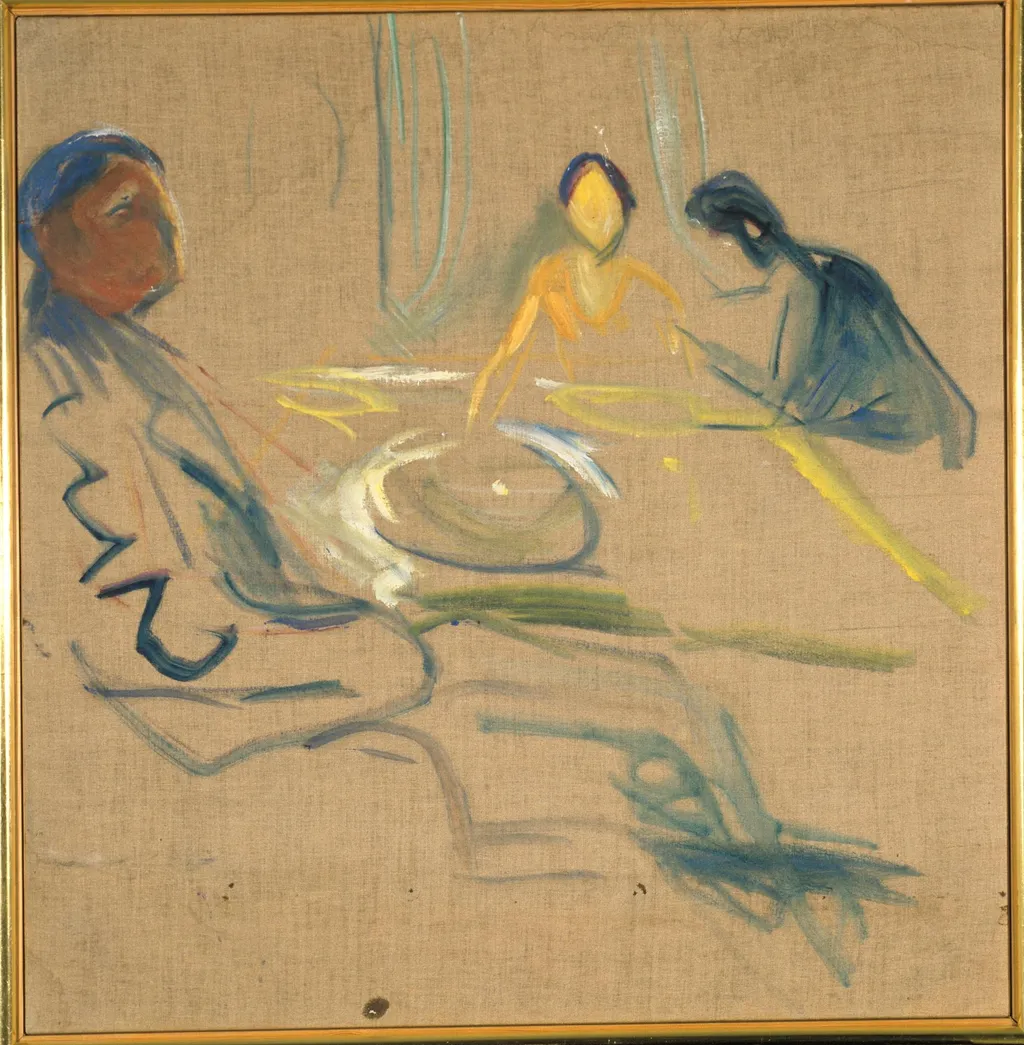
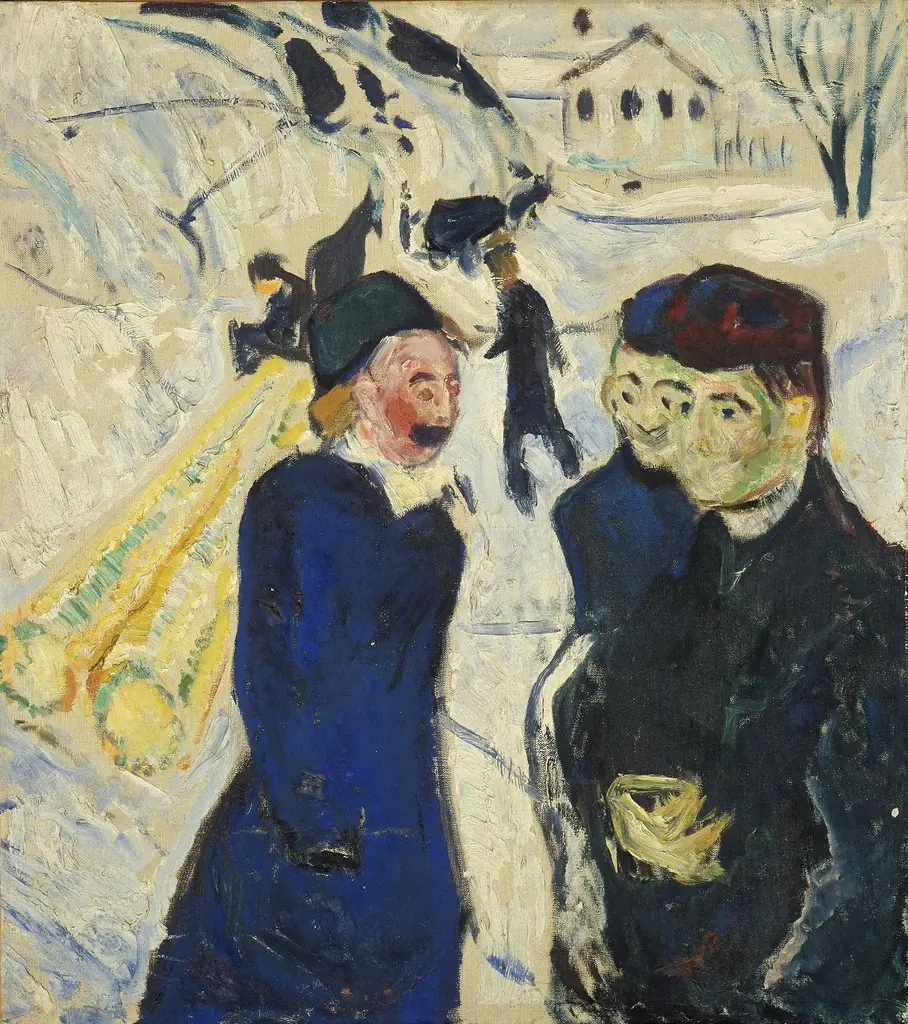
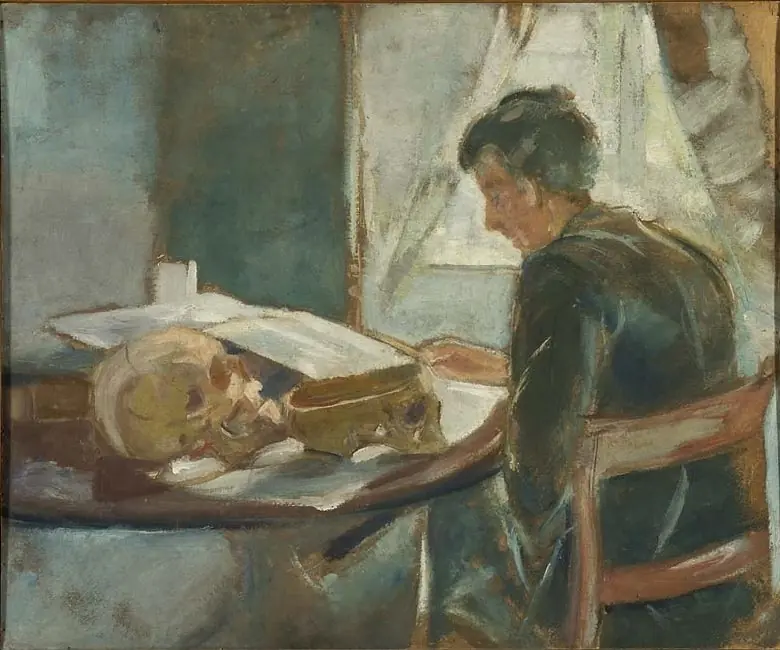
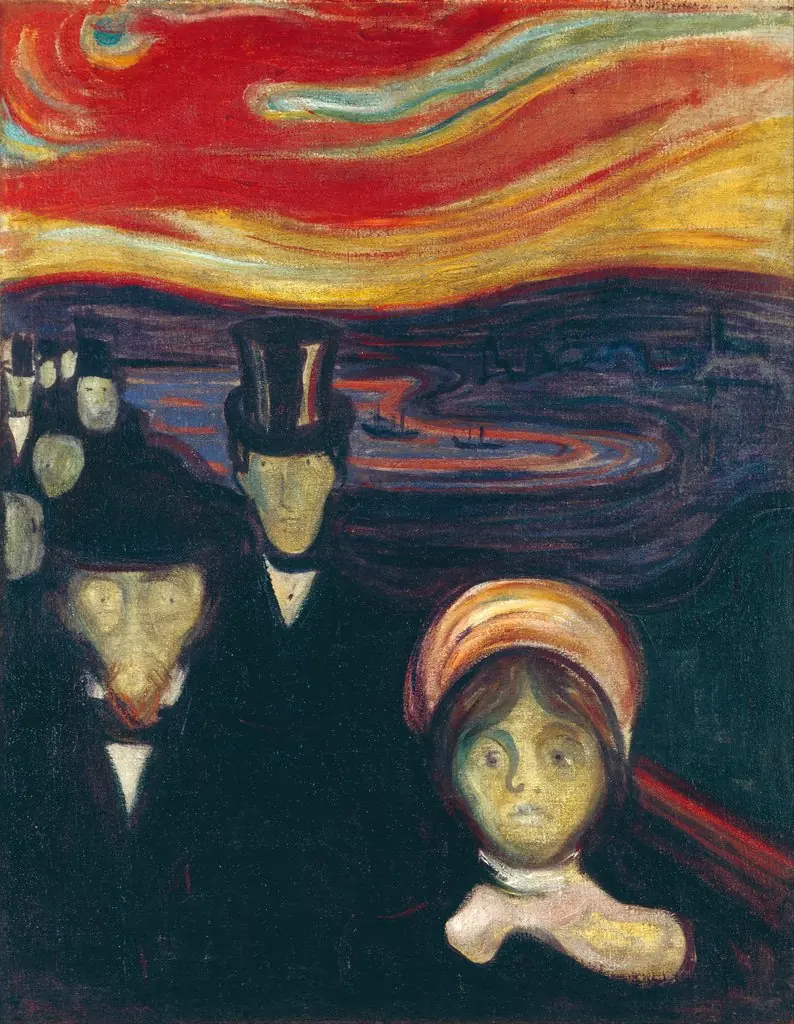
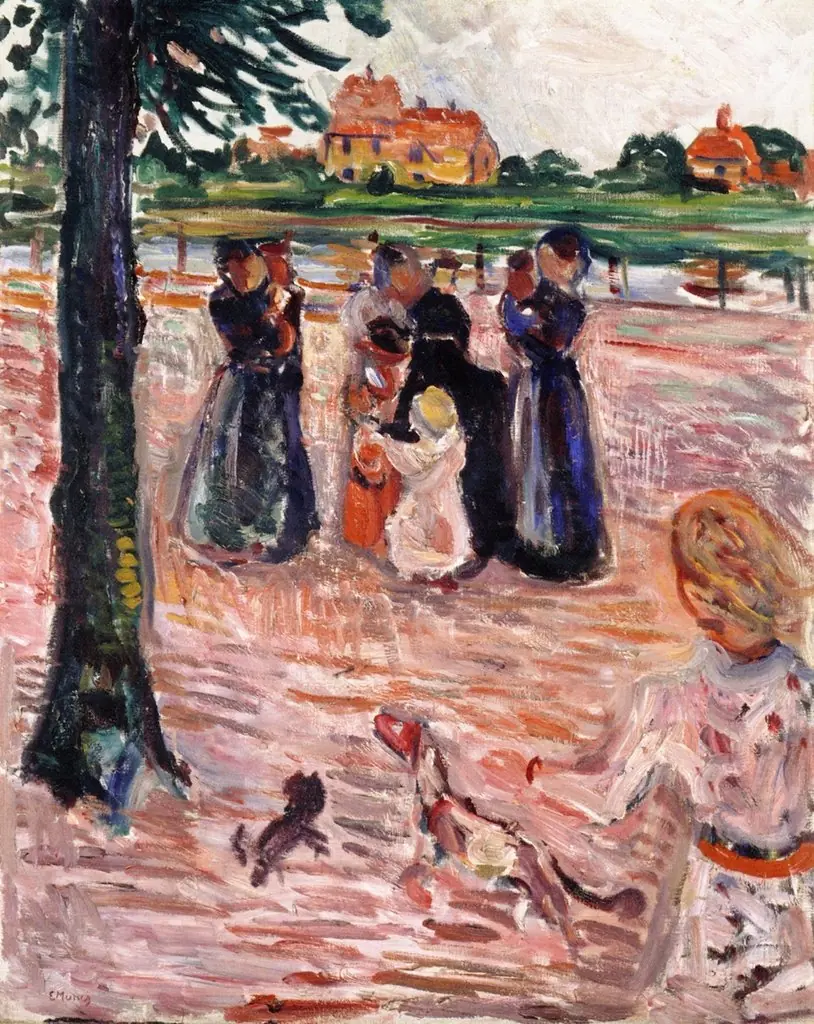
The Wedding of the Bohemian is an oil painting by the Post-Impressionist artist Edvard Munch. It dates from 1925 and is held in the collection of the Munch Museum.
About this work
Overview
It reflects his sustained engagement with psychological themes and social rituals, emerging from a career shaped by personal loss and intellectual influences.
Painted in 1925, *The Wedding of the Bohemian* is an oil on canvas work by Norwegian artist Edvard Munch. It reflects his sustained engagement with psychological themes and social rituals, emerging from a career shaped by personal loss and intellectual influences. The painting resides in the Munch Museum, Oslo, where it forms part of a broader collection documenting his evolving visual language beyond *The Scream*.
Subject & Meaning
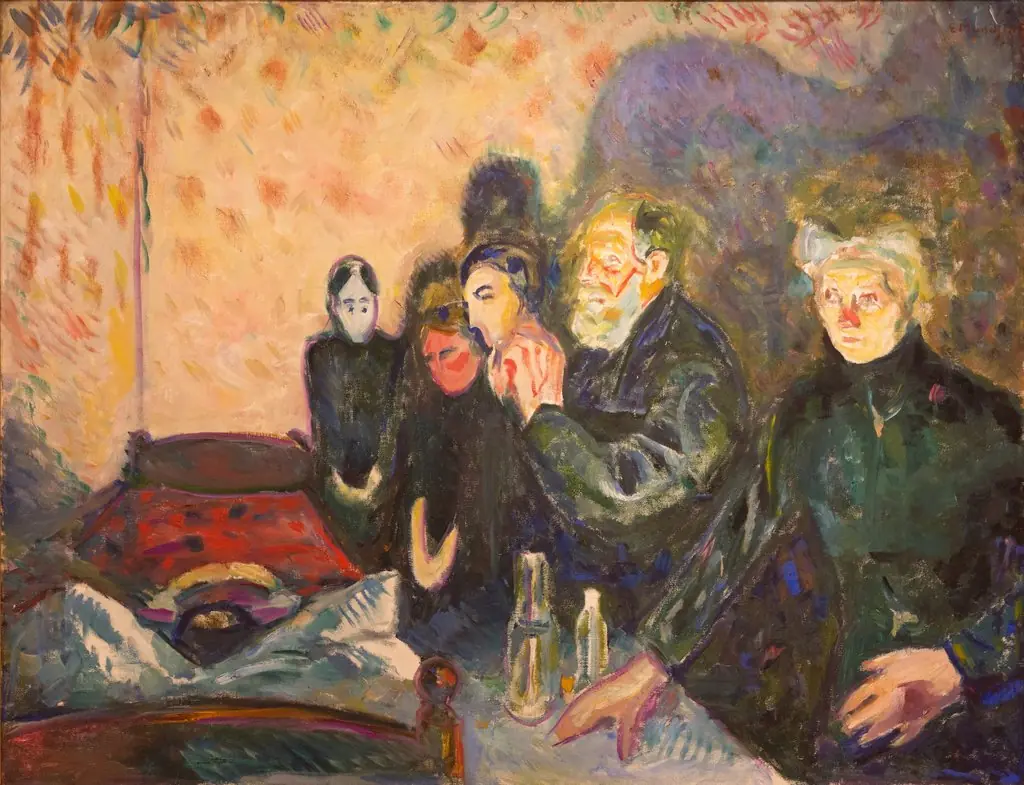
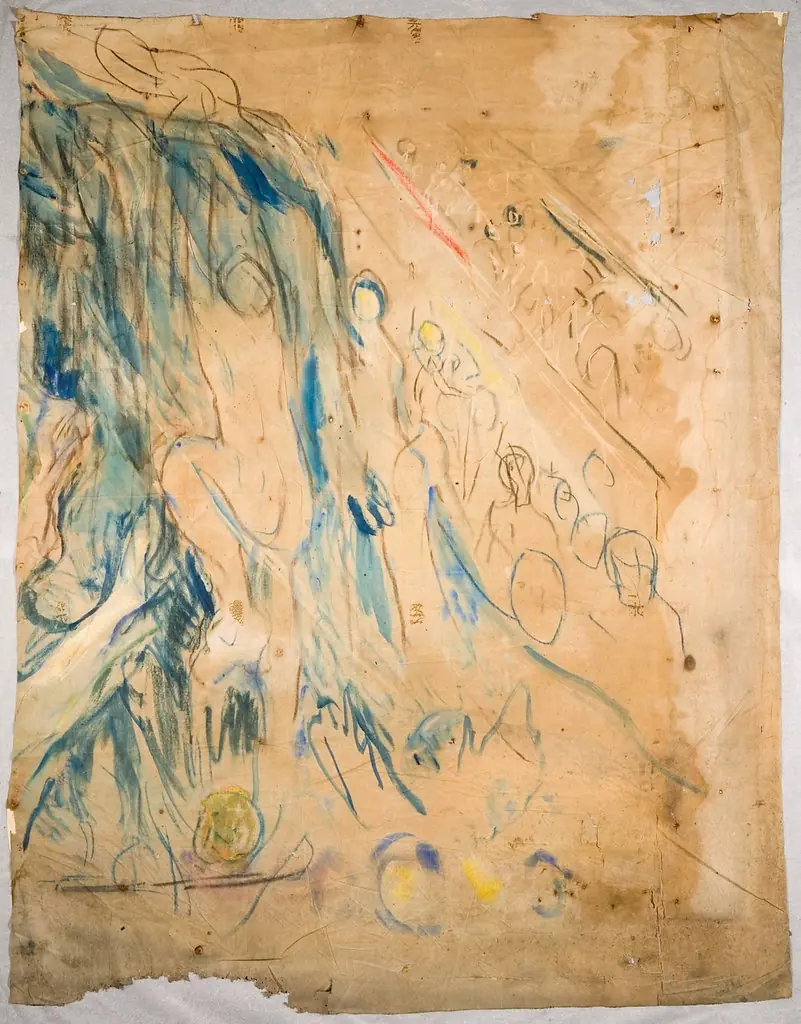
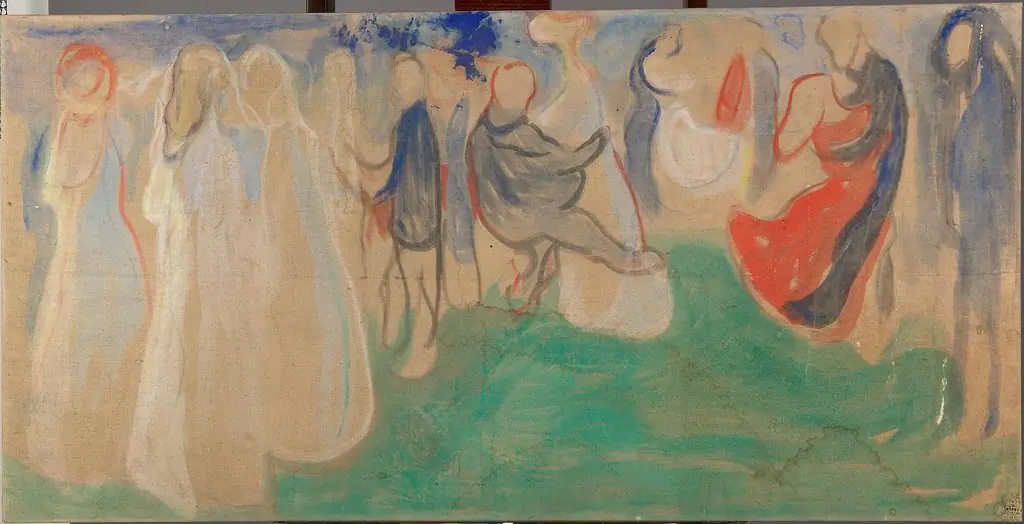
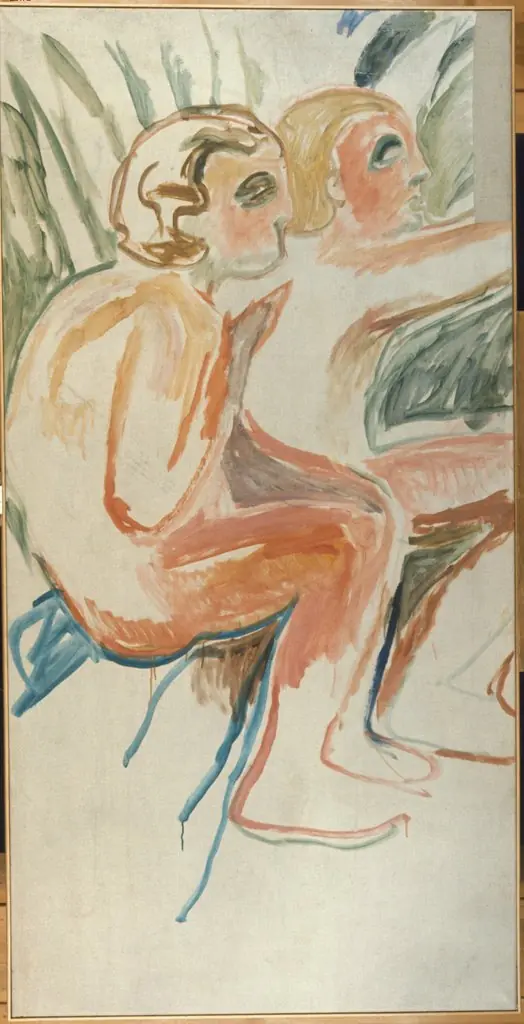
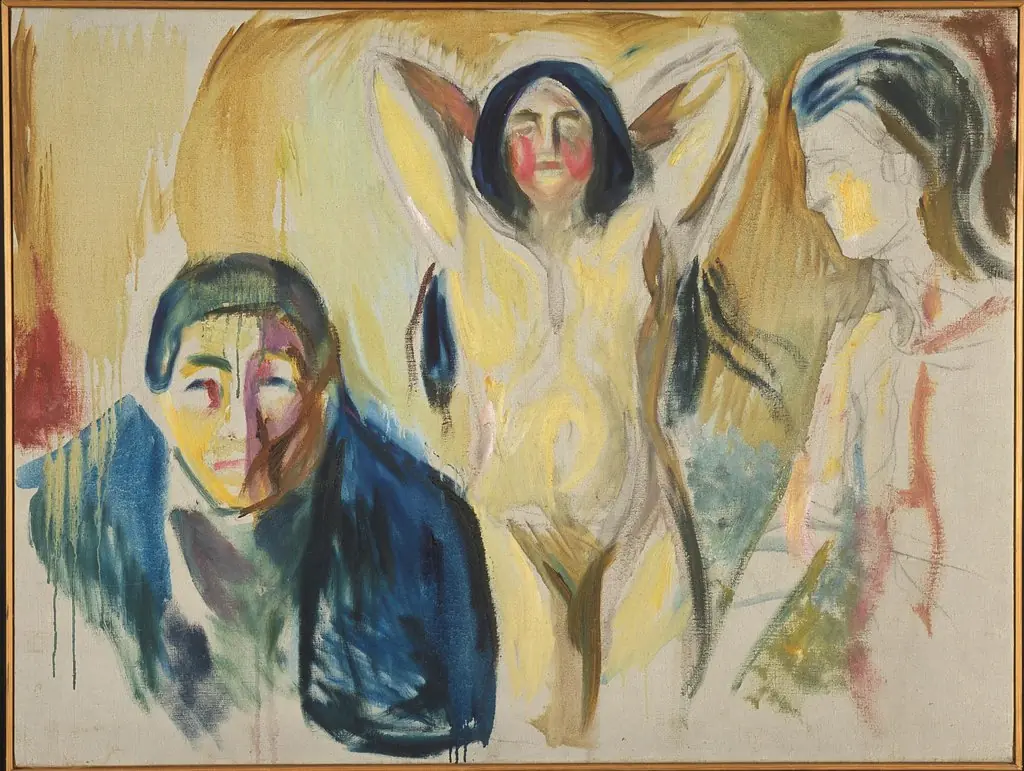
The scene portrays a gathering of figures around a table, suggesting a communal or ceremonial moment, possibly a wedding among artists or intellectuals. A central male figure in white and blue draws attention, yet the overall mood resists clear narrative. Munch avoids romantic idealization, instead presenting a tense, ambiguous social interaction that hints at isolation within connection.
Technique & Style
Munch employs thick, expressive brushwork and a restrained palette of browns, blues, and muted yellows to structure the composition. Chiaroscuro defines spatial depth, while the uneven application of paint generates rhythmic movement. The style departs from naturalism, favoring emotional resonance over detail, aligning with post-impressionist tendencies to prioritize inner experience over external accuracy.
History & Provenance
Created late in Munch’s career, the painting reflects his continued exploration of human relationships after decades of personal and artistic transformation. It entered the Munch Museum’s collection following his death, as part of his extensive bequest of works, sketches, and personal effects. The museum, established in Oslo, holds the largest assemblage of his art in the world.
Context
Munch’s association with the nihilist writer Hans Jæger in the 1880s deeply influenced his artistic direction, steering him toward depictions of anxiety, alienation, and existential themes. By 1925, he had long moved beyond early Symbolism but retained an interest in the psychological undercurrents of everyday life, particularly among Bohemian circles in Scandinavia.
Legacy
Though less known than his earlier works, *The Wedding of the Bohemian* illustrates Munch’s persistent commitment to portraying emotional complexity through formal experimentation. It contributes to understanding his late style—less dramatic but no less introspective—and remains a key reference for studies of Nordic modernism and the intersection of art and personal psychology.
Artist & collection
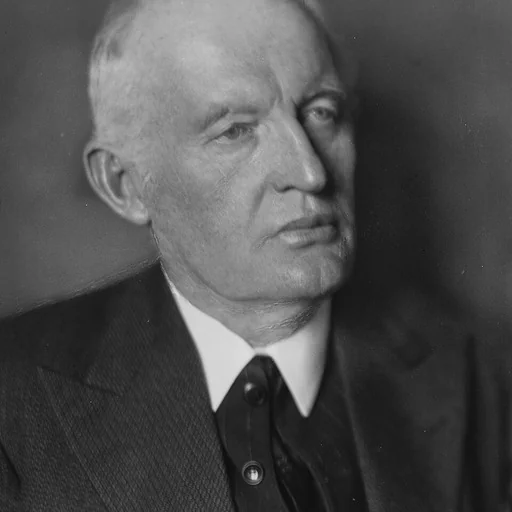
Artist
Edvard Munch ( MUUNK; Norwegian: ; 12 December 1863 – 23 January 1944) was a Norwegian painter.